Decoding the Dilemma: Which Serum Is Best for Face? A Dermatologist's Guide
Struggling to find the best face serum? This guide breaks down serum ingredients & benefits. Learn how to choose the right serum for your skin.
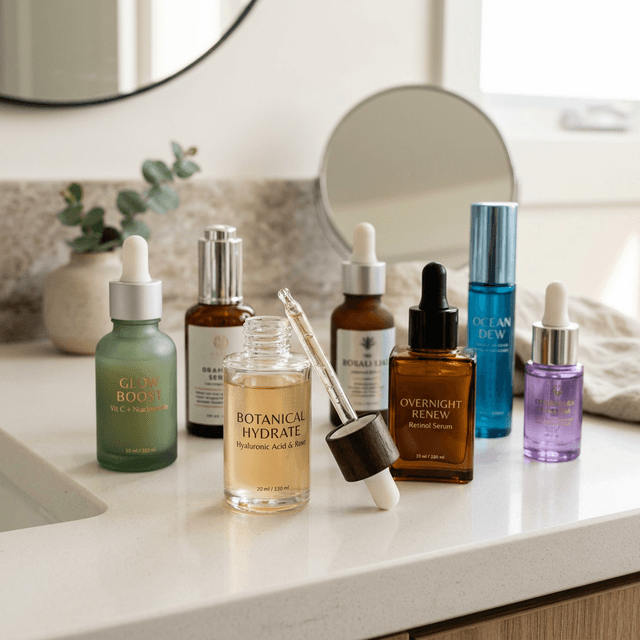
The world of skincare is vast, and the sheer number of serums available can be overwhelming. As a dermatologist, I frequently encounter patients confused about which serum is best for their face. It's a valid concern! Serums are potent, concentrated formulations designed to deliver targeted ingredients directly into the skin. Choosing the wrong one, or using one with pore-clogging ingredients, can lead to frustration and even exacerbate existing skin concerns.
This guide is designed to cut through the noise and provide clarity. We'll explore the different types of serums, their benefits, and how to choose the right one for your unique skin type and concerns. A crucial element to remember is the importance of non-comedogenic formulations. We'll delve into which ingredients to avoid to prevent breakouts and maintain a healthy, radiant complexion.
Understanding your skin's needs is the first step. Are you primarily concerned with hydration, anti-aging, brightening, or acne treatment? Identifying your core goals will guide your serum selection process.
Hydration Heroes: Serums for a Dewy Glow
Dehydrated skin can manifest in many ways, from fine lines to a dull appearance. Hydrating serums are formulated to replenish moisture and improve skin elasticity. The key ingredient to look for is hyaluronic acid (HA), a humectant that can attract and hold up to 1,000 times its weight in water. Serums containing HA are excellent for all skin types, especially dry or mature skin.
Beyond Hyaluronic Acid: Other Hydration Boosters
While HA is a superstar, other ingredients can boost hydration. Ceramides, which are naturally occurring lipids in the skin, help to reinforce the skin barrier and prevent water loss. Glycerin is another effective humectant that draws moisture from the air. Consider serums that combine HA with ceramides or glycerin for a comprehensive approach to hydration. Be mindful, however, of heavy oils that may be comedogenic and lead to clogged pores.
Age-Defying Elixirs: Serums for Anti-Aging
As we age, our skin's natural collagen production declines, leading to wrinkles and a loss of firmness. Anti-aging serums often target these concerns with powerful ingredients designed to stimulate collagen production and protect against environmental damage. It's critical to note that you must also address sun protection to truly realize the benefits of any anti-aging serum.
The Power of Retinoids: A Gold Standard
Retinoids, derived from vitamin A, are considered the gold standard in anti-aging. They work by increasing cell turnover, stimulating collagen production, and reducing the appearance of fine lines and wrinkles. However, retinoids can be irritating, especially when first introduced. Start with a lower concentration and gradually increase as your skin adjusts. Always use sunscreen during the day when using retinoids. Consider the addition of soothing ingredients to balance any irritation.
Antioxidants: Shielding Against Environmental Damage
Antioxidants, such as vitamin C, vitamin E, and ferulic acid, help to neutralize free radicals, which are unstable molecules that can damage skin cells and accelerate aging. Vitamin C serums are particularly effective at brightening the skin and protecting against sun damage (though they do NOT replace sunscreen). Look for serums that combine multiple antioxidants for synergistic benefits.
Brightening Boosters: Serums for a Radiant Complexion
Uneven skin tone, hyperpigmentation, and dullness can all benefit from brightening serums. These serums typically contain ingredients that inhibit melanin production or exfoliate the skin to reveal a more radiant complexion. As with all skincare, patience and consistent application are key to seeing results.
Vitamin C: The Brightening Superstar
As mentioned earlier, Vitamin C is a powerful antioxidant that also helps to brighten the skin and fade dark spots. Look for serums containing L-ascorbic acid, the most potent form of vitamin C. However, L-ascorbic acid can be unstable, so choose a serum that is packaged in an airtight container and stored away from light and heat. Other vitamin C derivatives (e.g., sodium ascorbyl phosphate) are more stable but potentially less potent.
Other Effective Brighteners
Niacinamide (vitamin B3) is another versatile ingredient that can help to brighten the skin, reduce inflammation, and minimize the appearance of pores. Kojic acid and azelaic acid are also effective at fading hyperpigmentation. When incorporating brightening serums into your routine, always prioritize sun protection to prevent further damage and maximize results.
Acne-Fighting Formulas: Serums for Clear Skin
Acne-prone skin requires a careful balance of ingredients to target breakouts without causing excessive dryness or irritation. Acne serums typically contain ingredients that exfoliate the skin, reduce inflammation, and control oil production. It is crucial to look for non-comedogenic formulations to avoid exacerbating breakouts.
Salicylic Acid: The Exfoliating Hero
Salicylic acid (BHA) is a beta-hydroxy acid that is oil-soluble, making it effective at penetrating pores and dissolving excess oil and debris. It is a great choice for those with oily or acne-prone skin. Start with a low concentration and gradually increase as tolerated. Be mindful that over-exfoliation can disrupt the skin barrier and lead to irritation. Those with dry skin should consult with a dermatologist before using.
Other Acne-Fighting Ingredients
Benzoyl peroxide is another effective acne-fighting ingredient that kills acne-causing bacteria. Niacinamide can also help to reduce inflammation and control oil production. Tea tree oil is a natural antibacterial agent. When using acne serums, always incorporate a gentle cleanser, a non-comedogenic moisturizer, and broad-spectrum sunscreen into your routine.
Don't Let Your Products Ruin Your Progress
Choosing the right serum is only half the battle. Even the most carefully selected serum can lead to problems if it contains pore-clogging ingredients. Ingredients like certain oils, fatty acids, and silicones can build up in pores, leading to blackheads, whiteheads, and breakouts. Understanding the ingredients in your skincare products is crucial to achieving your desired results. While it is impossible to memorize all comedogenic ingredients, it is helpful to use a simple tool to assess a product's likelihood of causing breakouts. There are many online resources available to help you make informed choices.
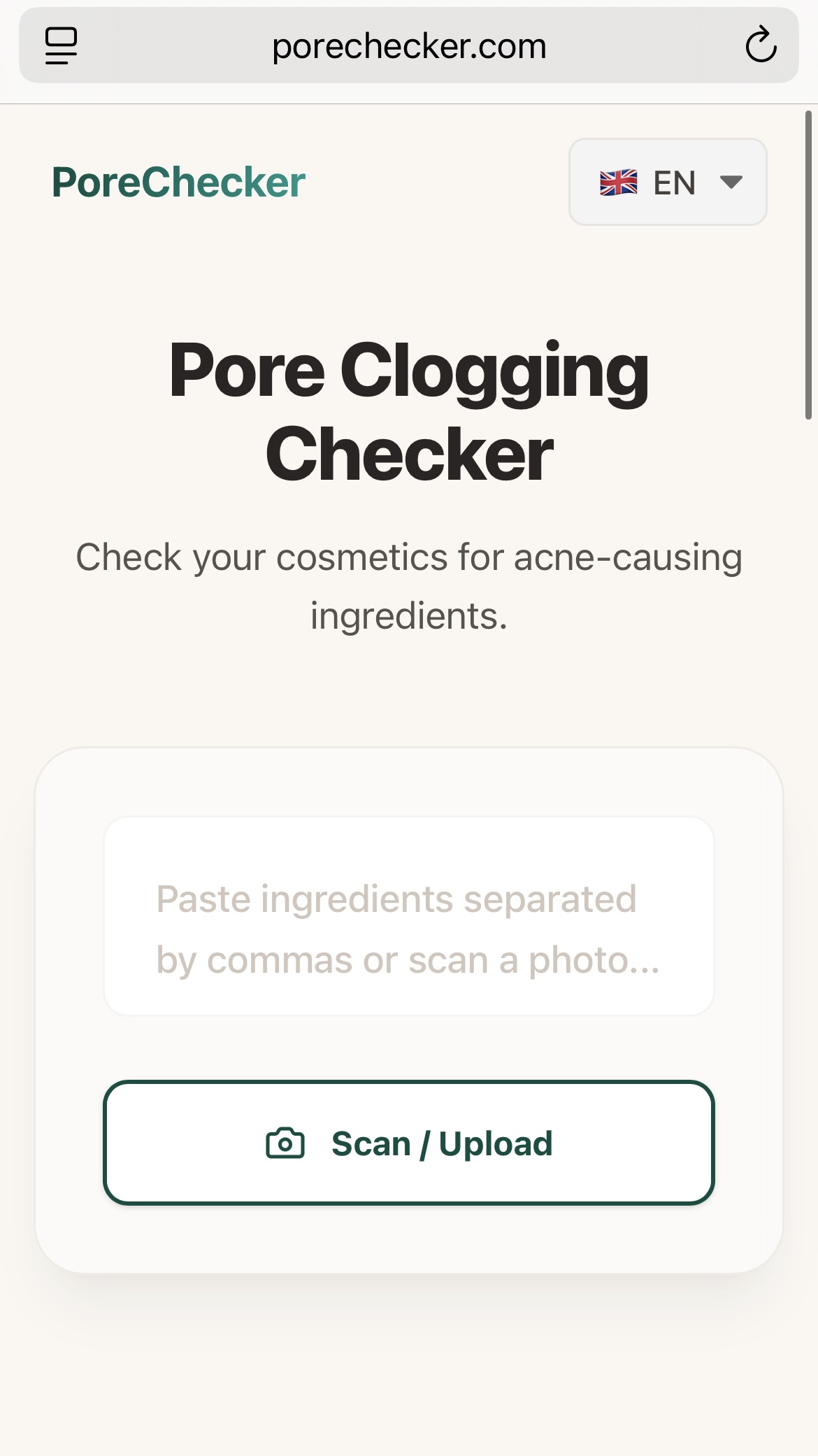
Step 1: Upload Your Product Image
Simply snap a photo of the ingredient list on the back of any bottle, jar, or box. No typing required.
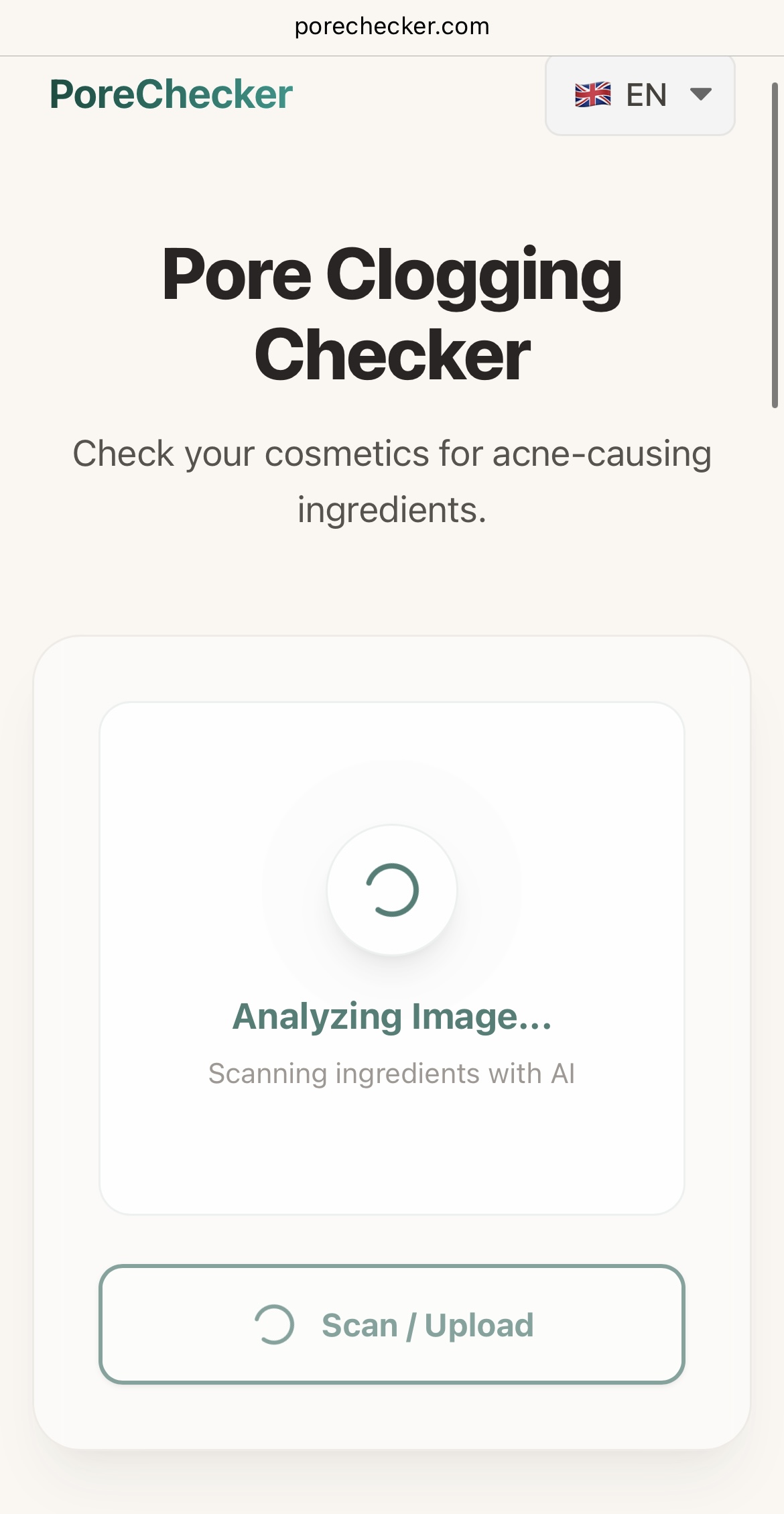
Step 2: Instant AI Ingredient Analysis
Our advanced AI scans the image, performs OCR (Optical Character Recognition), and matches every ingredient against our curated database of comedogenic substances.
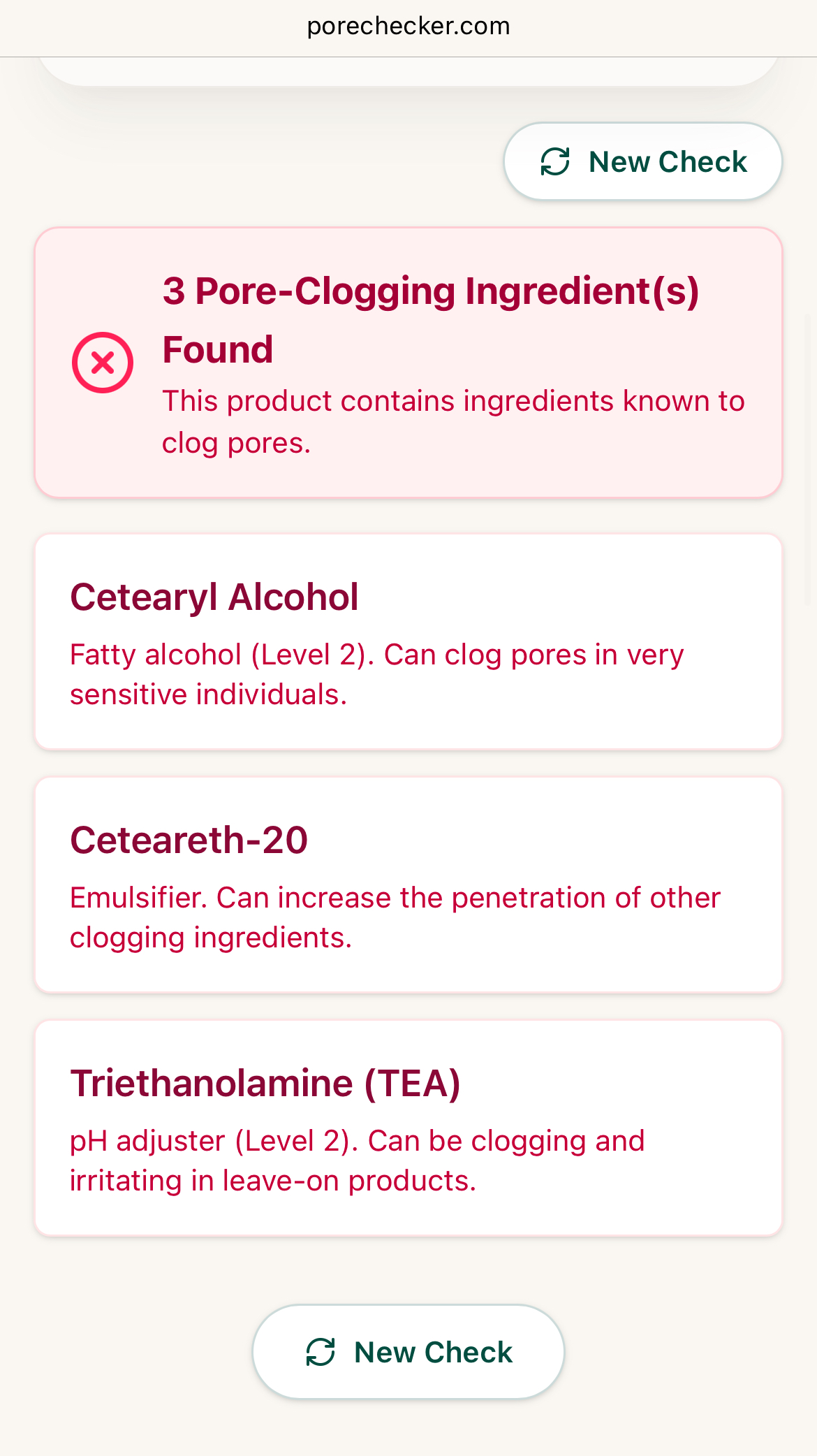
Step 3: Clear Results for Clearer Skin
You get an immediate breakdown. If any red-flag ingredients are found, we highlight them and explain why they might be problematic for your pores.
Does this product fit my skin's needs?
Check Your Products Now