Decoding the Glow: What Is Serum for Face and How to Choose the Right One
Discover what a face serum is and how it can transform your skincare routine! Learn about ingredients, benefits, & choosing the best serum for your skin type.
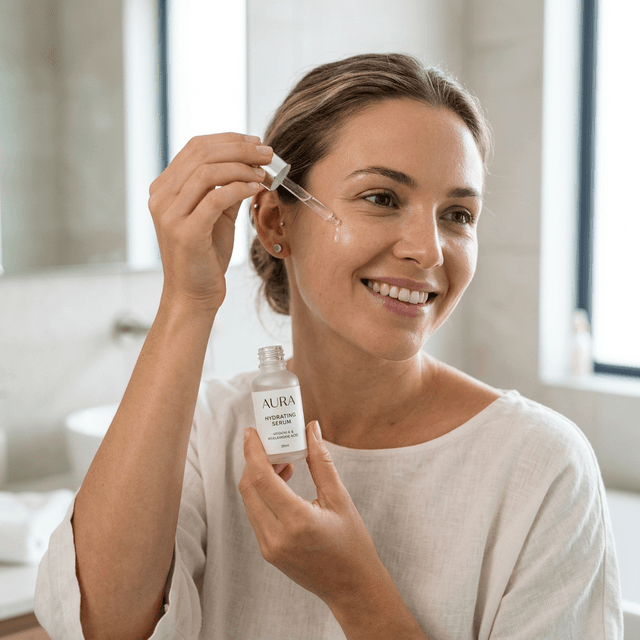
The world of skincare can feel overwhelming, a sea of products promising miraculous results. At the heart of many effective routines lies the serum, a potent elixir often overlooked. But what is serum for face, and why is it considered a cornerstone of healthy, glowing skin? Serums are concentrated formulas designed to deliver active ingredients deep into the skin, addressing specific concerns like dryness, wrinkles, or uneven tone. Crucially, many are formulated to be non-comedogenic, meaning they won’t clog pores – a vital consideration for all skin types, especially those prone to breakouts.
Understanding the nuances of serum composition is key to harnessing its power. They typically feature a higher concentration of active ingredients than moisturizers, allowing for targeted treatment. Think of them as the "workhorses" of your skincare, packed with antioxidants, vitamins, and other beneficial compounds. They are often lightweight and readily absorbed, making them ideal for layering under your moisturizer and sunscreen. However, knowing what ingredients to look for and, equally important, what to avoid, is essential for maximizing their impact and achieving your desired results.
Before we dive deeper, it is critical to emphasize the importance of gentle, non-comedogenic care. This principle guides all effective skincare strategies. Avoiding pore-clogging ingredients is essential. Some common offenders include certain oils (like coconut oil), heavy waxes, and some forms of silicones. Always read the ingredient list carefully and opt for products specifically formulated for your skin type.
Unveiling the Serum's Purpose: What's the Point?
Face serums serve a variety of purposes, depending on their formulation. They can hydrate, brighten, target signs of aging, or address specific skin concerns like acne or hyperpigmentation. Their effectiveness stems from their ability to deliver potent ingredients directly into the skin, where they can work most effectively. They act as a vehicle, delivering the active compounds in a way that allows them to penetrate more deeply than traditional moisturizers.
Think of it this way: your moisturizer is your barrier, protecting and hydrating the surface. A serum, on the other hand, is designed to go beyond the surface, working on a cellular level to correct and improve your skin's health. The specific ingredients determine the serum's primary function.
Hydrating Serums
These are your go-to for dry or dehydrated skin. They typically contain humectants like hyaluronic acid, which attract and bind moisture to the skin. Other beneficial ingredients include glycerin and ceramides, which help to replenish the skin's natural moisture barrier.
Brightening Serums
If you're looking to even out skin tone and reduce hyperpigmentation, a brightening serum is the answer. Look for ingredients like Vitamin C, niacinamide, and kojic acid. These ingredients work to inhibit melanin production, fading dark spots and promoting a more radiant complexion.
Anti-Aging Serums
These are designed to combat the signs of aging, such as fine lines and wrinkles. Key ingredients include retinol (vitamin A), peptides, and antioxidants. Retinol promotes collagen production and cell turnover, while peptides help to build and repair skin tissue. Antioxidants protect the skin from free radical damage, a major contributor to premature aging.
Acne-Fighting Serums
For those struggling with acne, serums containing ingredients like salicylic acid, benzoyl peroxide, and tea tree oil can be incredibly helpful. These ingredients work to exfoliate the skin, unclog pores, and reduce inflammation. However, it's essential to introduce these ingredients gradually and monitor your skin's response, as they can be irritating for some.
Navigating the Ingredient List: What to Look For (And What to Avoid)
Choosing the right serum involves careful consideration of your skin type and concerns. Always patch-test new products before applying them to your entire face to check for potential reactions. Pay close attention to the ingredient list. The order of ingredients indicates their concentration in the formula, with the most concentrated ingredients listed first.
Consider your specific skin concerns. For example, if you have dry skin, look for serums with hydrating ingredients like hyaluronic acid. If you're concerned about aging, choose a serum with retinol or peptides. For acne-prone skin, look for ingredients like salicylic acid or tea tree oil.
Avoid ingredients known to clog pores, especially if you have acne-prone or sensitive skin. These include comedogenic oils like coconut oil and certain silicones. Be wary of heavy fragrances and essential oils, which can cause irritation. As a general rule, the fewer ingredients, the better, as this minimizes the risk of irritation or adverse reactions.
Application Tips for Maximum Impact
Applying serum correctly is just as important as choosing the right one. Always start with a clean face. Gently cleanse your skin to remove any impurities. Then, apply your serum to slightly damp skin. This helps the serum penetrate more effectively. Use a few drops of serum, gently patting it into your skin rather than rubbing.
Allow the serum to absorb fully before applying your moisturizer. Follow up with a moisturizer to seal in the serum's benefits and provide an extra layer of hydration. In the morning, always finish your routine with a broad-spectrum sunscreen to protect your skin from sun damage. Consistency is key. It may take several weeks to see noticeable results, so be patient and stick to your routine.
Don't Let Your Products Ruin Your Progress
Understanding what a serum is for face is just the beginning. The journey to healthy, glowing skin is a marathon, not a sprint, and every product in your routine has a role to play. However, even the most carefully chosen serum can be rendered ineffective, or worse, trigger breakouts or irritation, if it's combined with pore-clogging products. Many seemingly innocuous ingredients, lurking within other skincare items, can sabotage your efforts. That’s why it’s so critical to scrutinize every ingredient and take steps to determine if a product is actually going to help or hinder your progress.
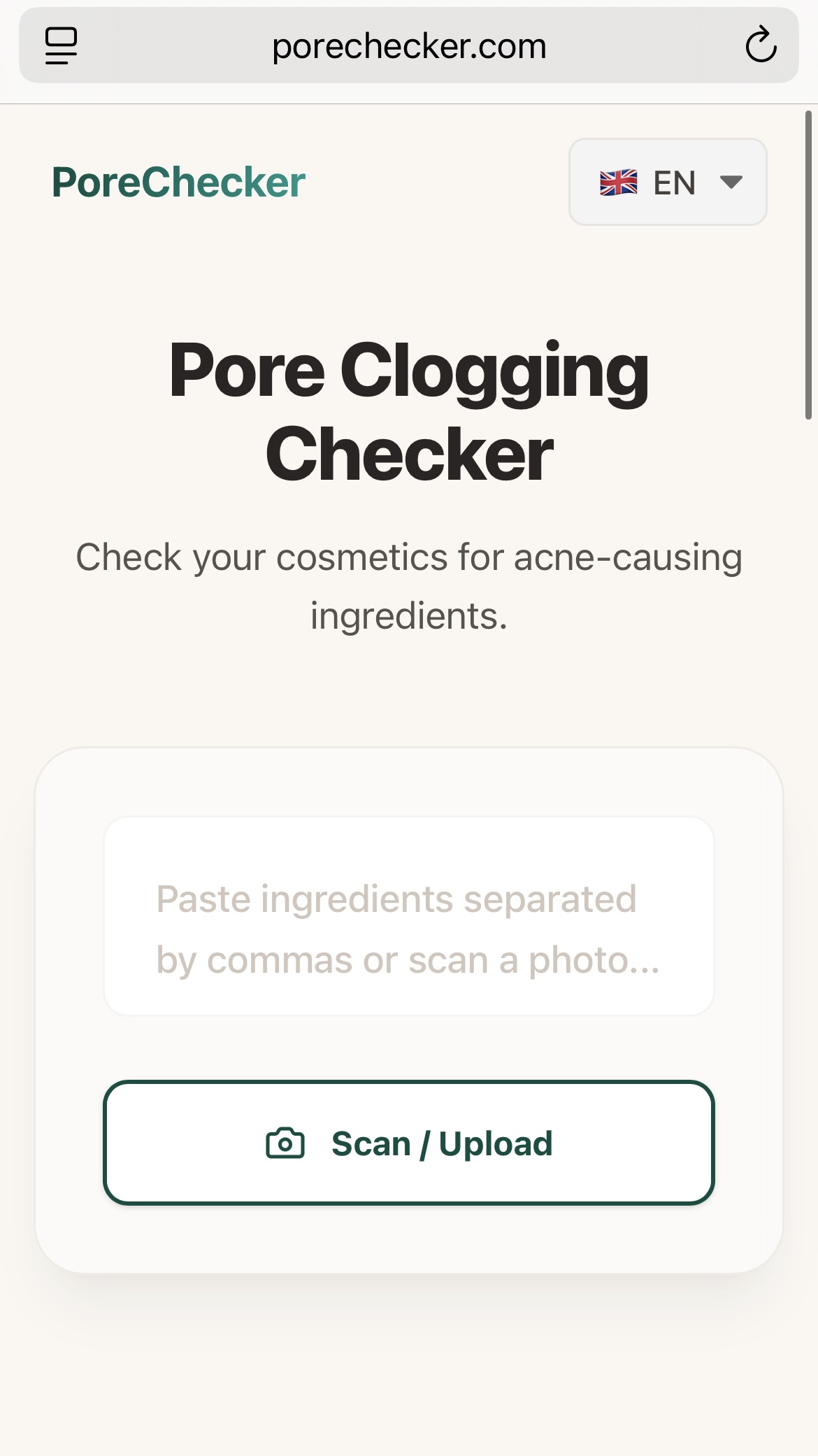
Step 1: Upload Your Product Image
Simply snap a photo of the ingredient list on the back of any bottle, jar, or box. No typing required.
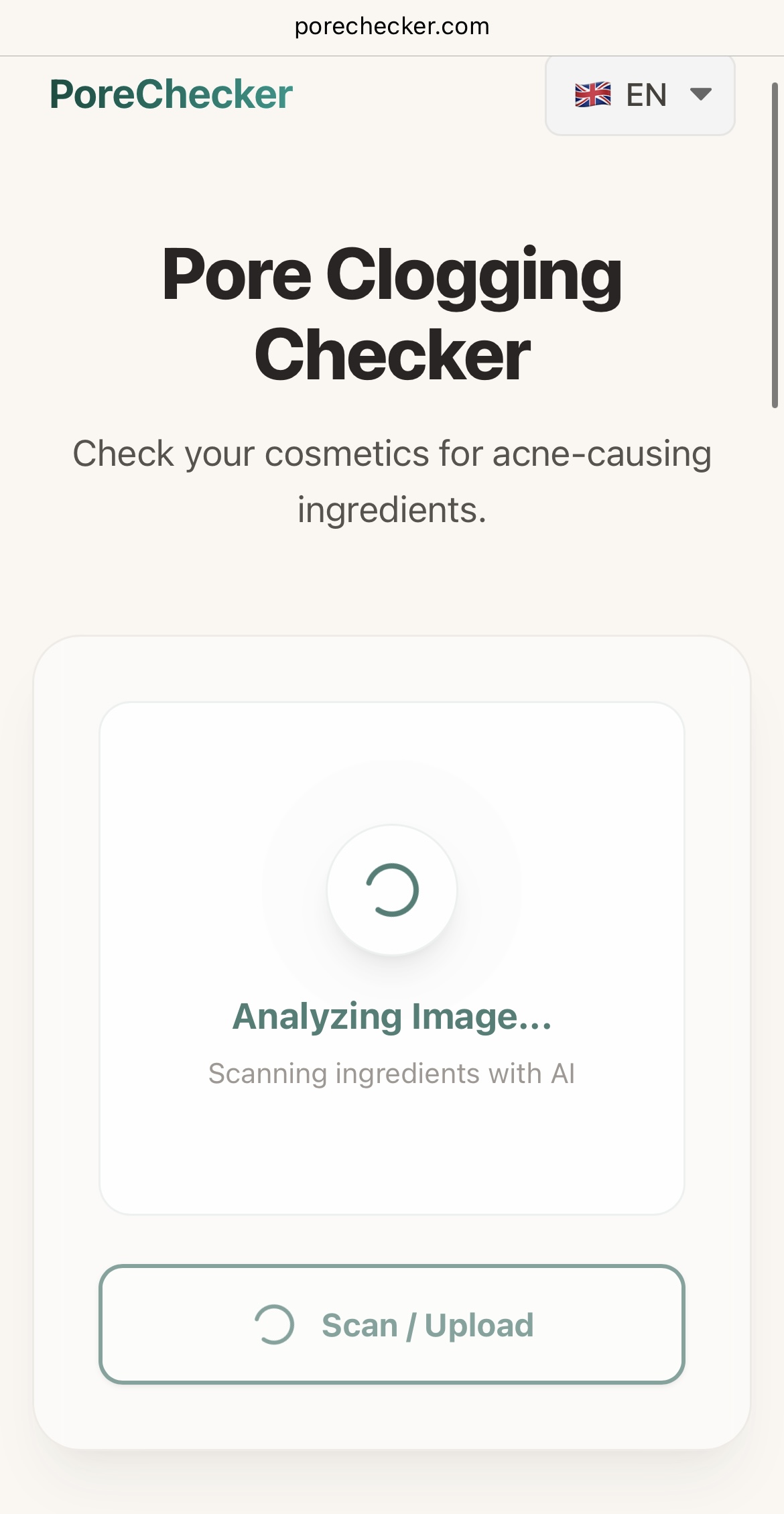
Step 2: Instant AI Ingredient Analysis
Our advanced AI scans the image, performs OCR (Optical Character Recognition), and matches every ingredient against our curated database of comedogenic substances.
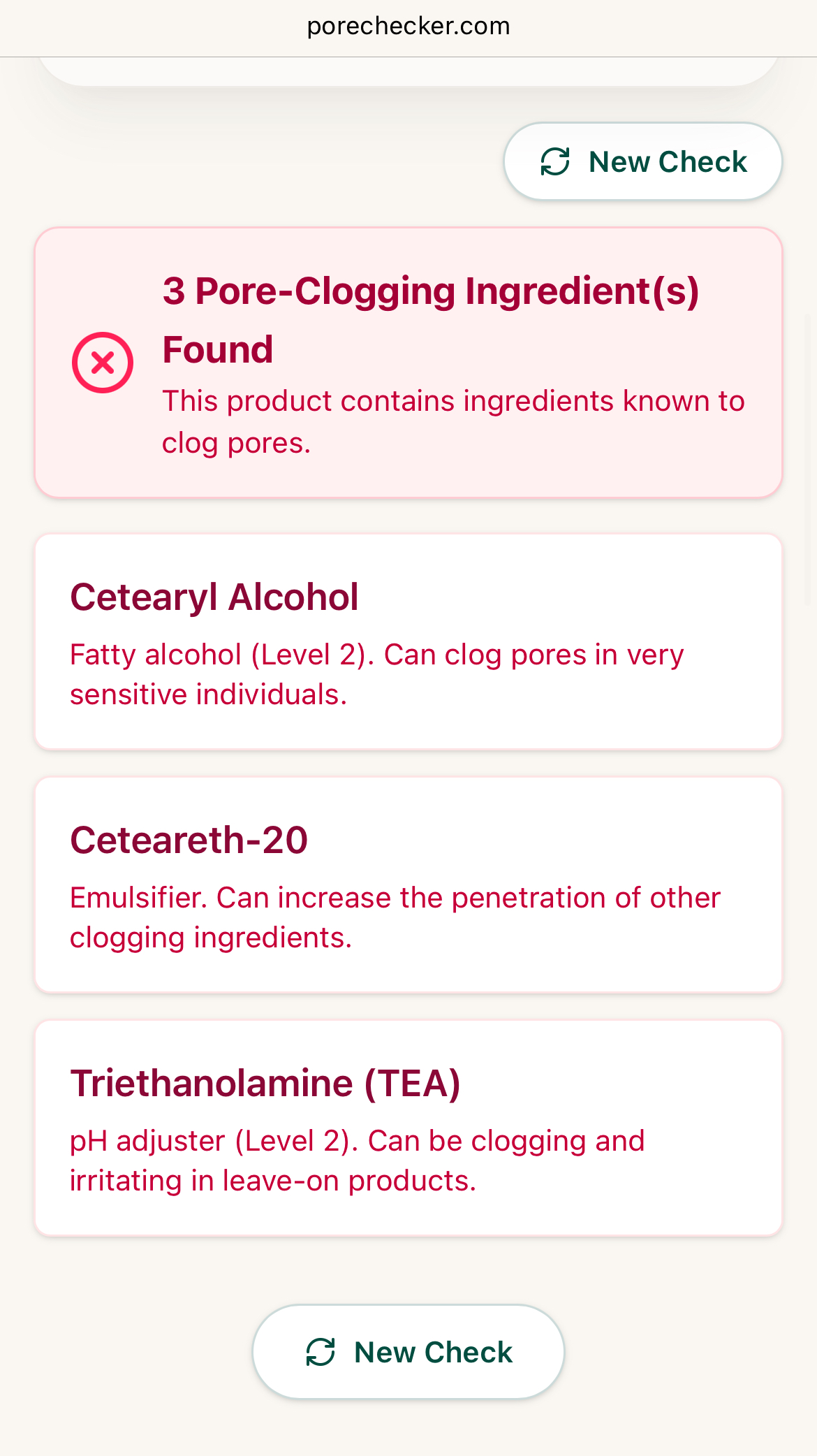
Step 3: Clear Results for Clearer Skin
You get an immediate breakdown. If any red-flag ingredients are found, we highlight them and explain why they might be problematic for your pores.
Does this product fit my skin's needs?
Check Your Products Now