Decoding the Skincare Staple: What Is Moisturizer and Why Does Your Skin Crave It?
Discover what moisturizer is & why your skin needs it! Learn about different types, ingredients & how to choose the best one for your skin type. Avoid pore-cloggers.
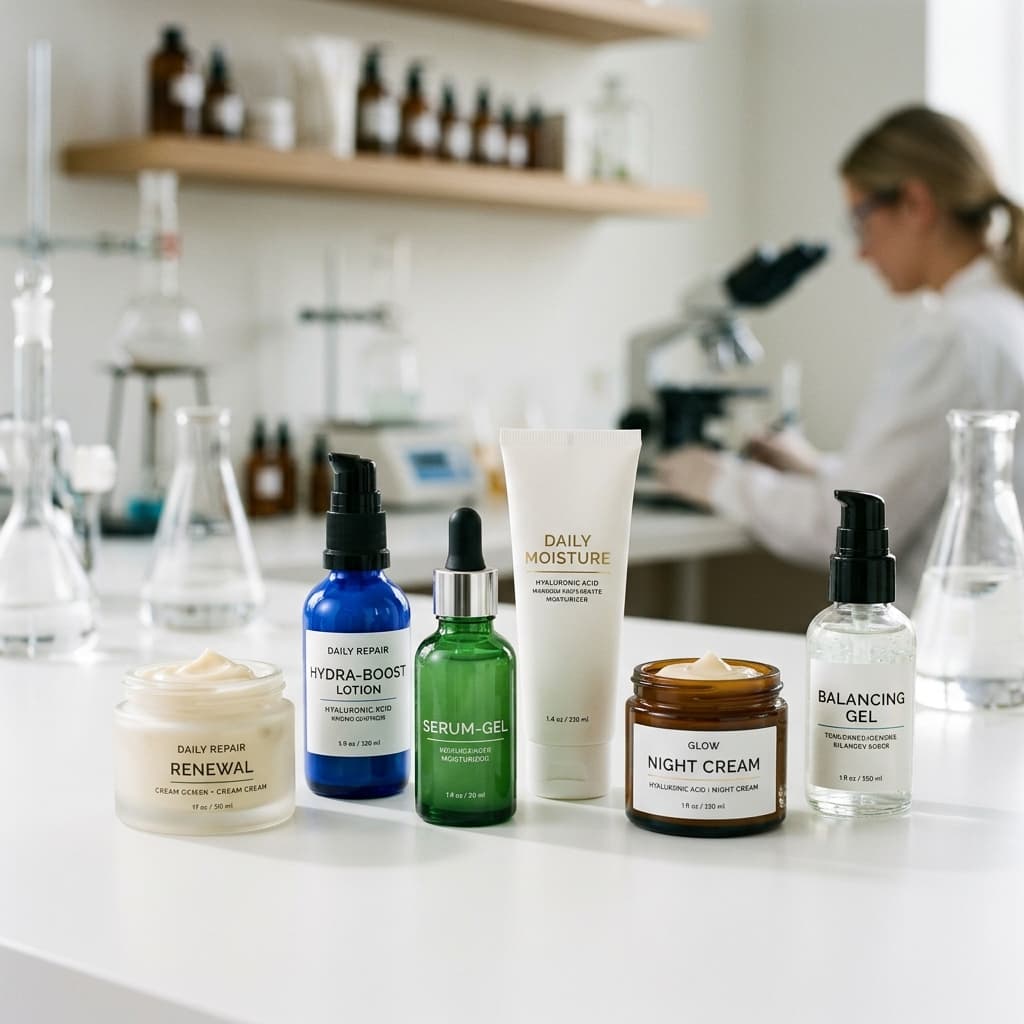
We often hear the word "moisturizer" tossed around in the skincare world, but what exactly is moisturizer, and why is it so vital for healthy, glowing skin? Think of it as your skin's daily dose of hydration and protection. It's more than just a cosmetic product; it's a fundamental element of a well-rounded skincare routine, designed to keep your skin barrier functioning optimally. In an environment that constantly strips our skin of moisture, a good moisturizer is a non-negotiable step.
Beyond simply adding hydration, a well-chosen moisturizer can shield your skin from environmental aggressors like pollution and harsh weather. However, the world of moisturizers can be complex, and choosing the right one for your specific skin type and concerns is crucial. A moisturizer that works wonders for one person might trigger breakouts or irritation in another. That's why understanding the fundamentals, including the importance of non-comedogenic formulas, is key to achieving your skincare goals.
Before we dive in, let’s emphasize the crucial aspect of non-comedogenic formulations. This means the product is designed to avoid clogging pores, a frequent problem that can lead to blemishes. Always seek out products labelled as non-comedogenic, particularly if you're prone to acne or have oily skin. This is the first step in avoiding potential problems.
The Science Behind Hydration: What Does a Moisturizer Do?
At its core, a moisturizer performs three primary functions: it hydrates, occludes, and humectates. Hydration involves directly delivering water to the skin. Occlusion creates a barrier that prevents water loss, locking in moisture. Humectants attract water from the environment into the skin. The best moisturizers often combine these three actions to provide comprehensive hydration.
Understanding Key Ingredients
The ingredients within a moisturizer determine its effectiveness and suitability for different skin types. For example, humectants like hyaluronic acid and glycerin draw moisture to the skin, making them ideal for all skin types but particularly beneficial for dry skin. Occlusive ingredients such as mineral oil, petrolatum, and certain plant-based oils form a protective barrier, preventing water loss. Emollients, which include ingredients like ceramides, help to soften and smooth the skin. Recognizing these categories empowers you to select products that meet your individual needs.
Finding the Right Match: Choosing Your Moisturizer
Choosing the right moisturizer is not a one-size-fits-all endeavor. The ideal product aligns with your unique skin type and any specific concerns you may have. For example, individuals with oily skin often benefit from lightweight, water-based moisturizers or gel formulations that provide hydration without feeling heavy or clogging pores. If you have dry skin, look for richer, cream-based moisturizers containing occlusive ingredients. Combination skin requires a more nuanced approach, often involving a lighter moisturizer for the oilier areas and a richer one for the drier patches.
Decoding Skin Types for Optimal Hydration
Understanding your skin type is the first step toward effective moisturization. Dry skin typically lacks oil and requires hydration and occlusion. Oily skin, on the other hand, produces excess oil and needs lighter, oil-free formulas. Combination skin, with its mix of oily and dry areas, may benefit from a tailored approach. Sensitive skin demands gentle, fragrance-free formulations that minimize the risk of irritation. Normal skin is generally well-balanced and can often tolerate a wider range of products. When in doubt, consult a dermatologist for a professional assessment.
Don't Let Your Products Ruin Your Progress
Now that you understand what moisturizer is and its role in skincare, it's essential to be aware of ingredients that can undermine your efforts. While moisturizing is crucial, some formulas contain pore-clogging ingredients that can lead to breakouts and irritation. Ingredients like certain oils, fatty alcohols, and silicones are common culprits. Checking product labels and identifying potential irritants is a proactive step toward achieving clear, healthy skin. Consider utilizing a product checker tool that helps you to quickly and easily assess the ingredient lists of your favorite products.
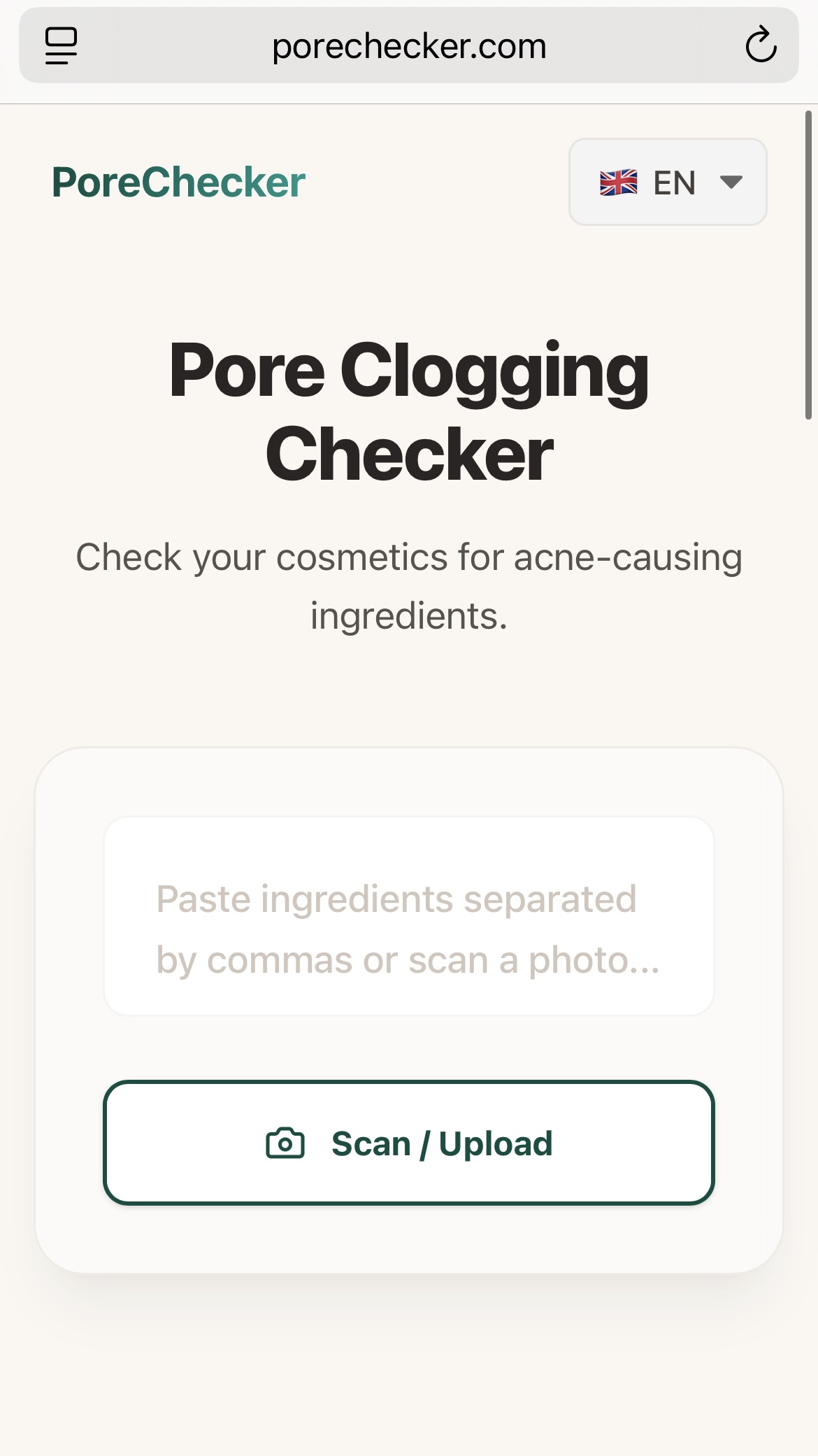
Step 1: Upload Your Product Image
Simply snap a photo of the ingredient list on the back of any bottle, jar, or box. No typing required.
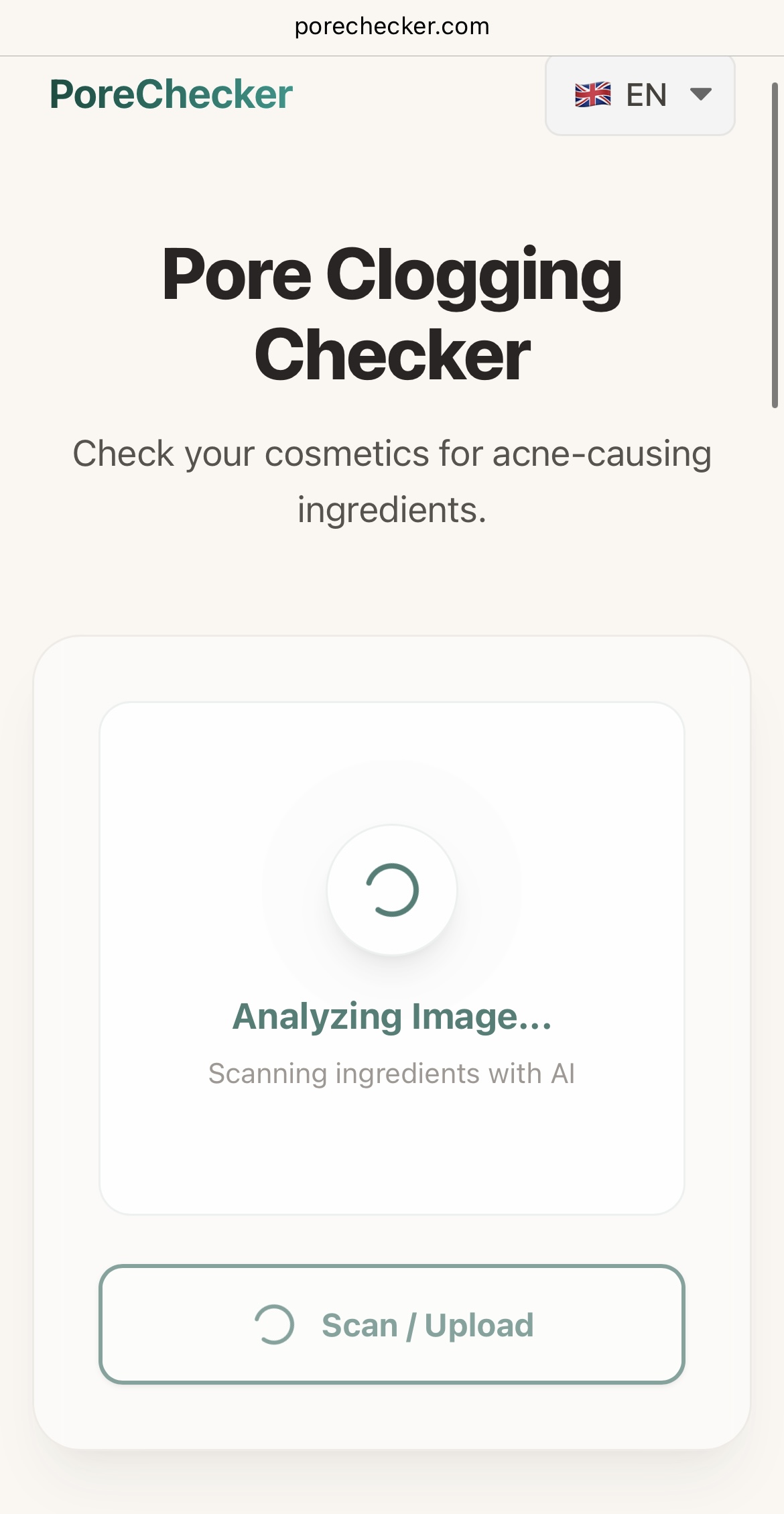
Step 2: Instant AI Ingredient Analysis
Our advanced AI scans the image, performs OCR (Optical Character Recognition), and matches every ingredient against our curated database of comedogenic substances.
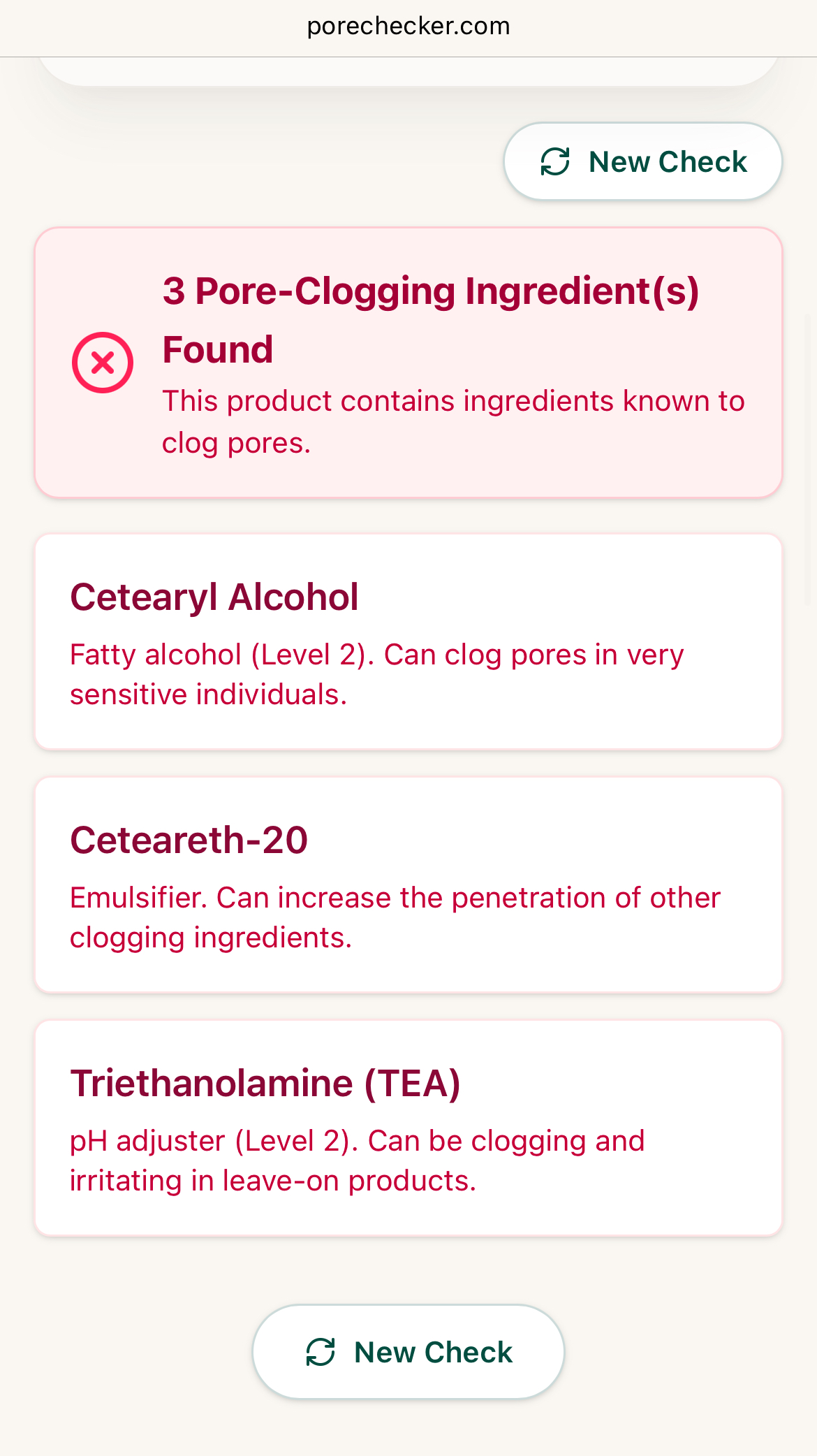
Step 3: Clear Results for Clearer Skin
You get an immediate breakdown. If any red-flag ingredients are found, we highlight them and explain why they might be problematic for your pores.
Does this product fit my skin's needs?
Check Your Products Now