Do You Put Sunscreen On Before Or After Moisturizer? The Dermatologist’s Answer
Confused about your morning routine? Learn if you should apply sunscreen before or after moisturizer for maximum skin protection.
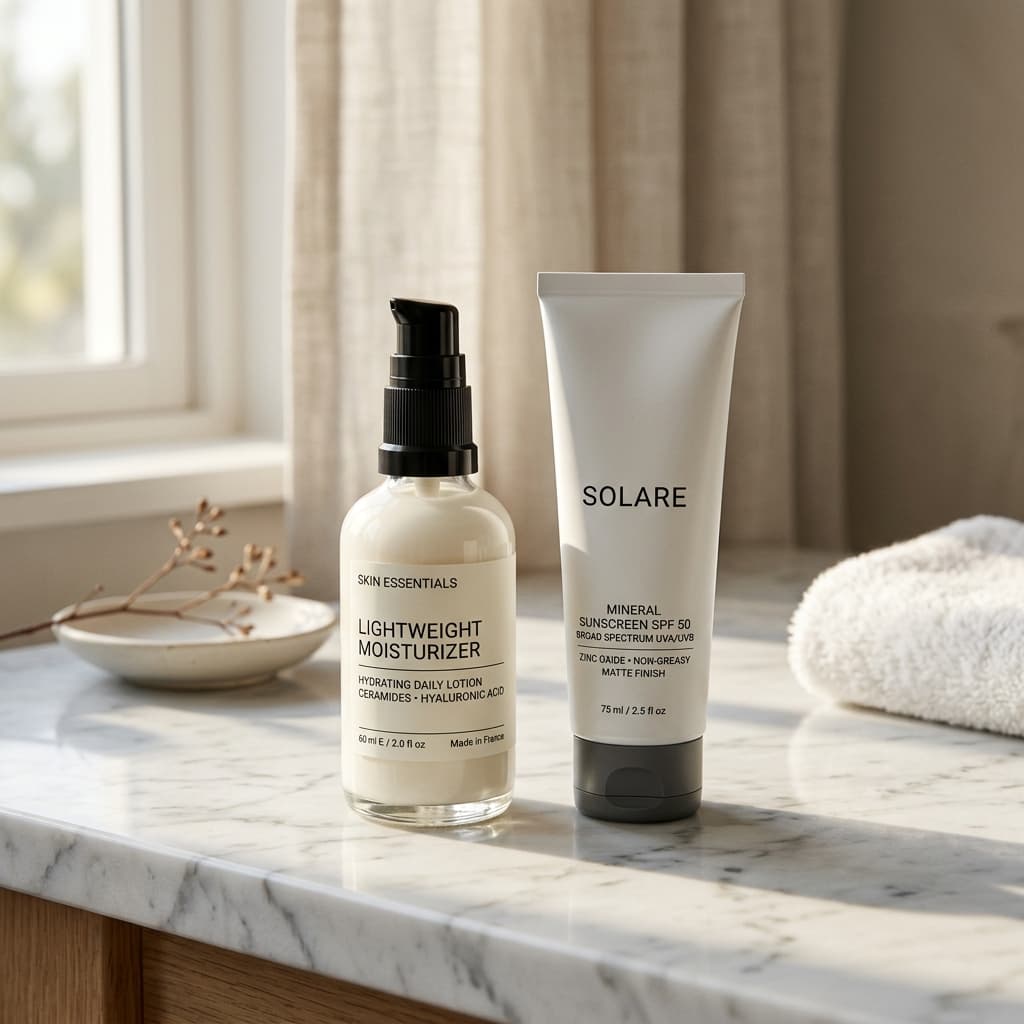
The order in which you layer your skincare products can determine both their efficacy and your skin’s overall health. When it comes to the morning regimen, one of the most frequent questions I encounter in the clinic is: do you put sunscreen on before or after moisturizer? While the skincare landscape is filled with conflicting advice, the scientific consensus is rooted in how these products interact with your skin barrier.
For the vast majority of skin types, moisturizer should always be applied before sunscreen. Moisturizers are designed to hydrate the skin and seal in moisture, while sunscreens are formulated to form a protective, light-filtering barrier on the surface. If you reverse this order, you risk diluting the SPF protection and preventing your moisturizer’s humectants from doing their job. Ensuring your product sequence is correct is the first step toward building a routine that actually supports, rather than compromises, your dermal integrity.
The Science of Layering
The primary purpose of sunscreen is to create a consistent, unbroken film over the skin that can reflect or absorb harmful UV rays. When you apply a heavy, oil-based moisturizer over your sunscreen, you physically disturb that protective film, creating gaps where radiation can penetrate. By allowing your moisturizer to absorb fully—typically for sixty seconds—before applying your SPF, you create a stable foundation for the sunscreen to adhere to.
Does Product Choice Matter?
If you find that layering two separate products feels heavy or leads to pilling, you might consider a high-quality moisturizer that already contains broad-spectrum SPF. However, be mindful that many combination products may not provide the same level of coverage as a dedicated sunscreen. If you spend significant time outdoors, layering remains the gold standard. Regardless of the route you take, always prioritize non-comedogenic formulas. Many standard lotions contain occlusives like isopropyl myristate or certain algae extracts that can trap debris in your follicles, leading to congestion long before the sun has a chance to damage your skin.
Don't Let Your Products Ruin Your Progress
Applying products in the correct order is meaningless if the ingredients themselves are sabotaging your skin’s health. Even if you follow the correct layering sequence, using a moisturizer that contains hidden pore-clogging ingredients can lead to chronic breakouts that interfere with your skin barrier's recovery. It is vital to scrutinize the ingredient list of every product in your routine to ensure they align with your skin's unique needs. Before you settle on your daily moisturizer, take a moment to cross-reference your current products against a professional ingredient database to confirm they aren't silently contributing to the very congestion you are trying to avoid.
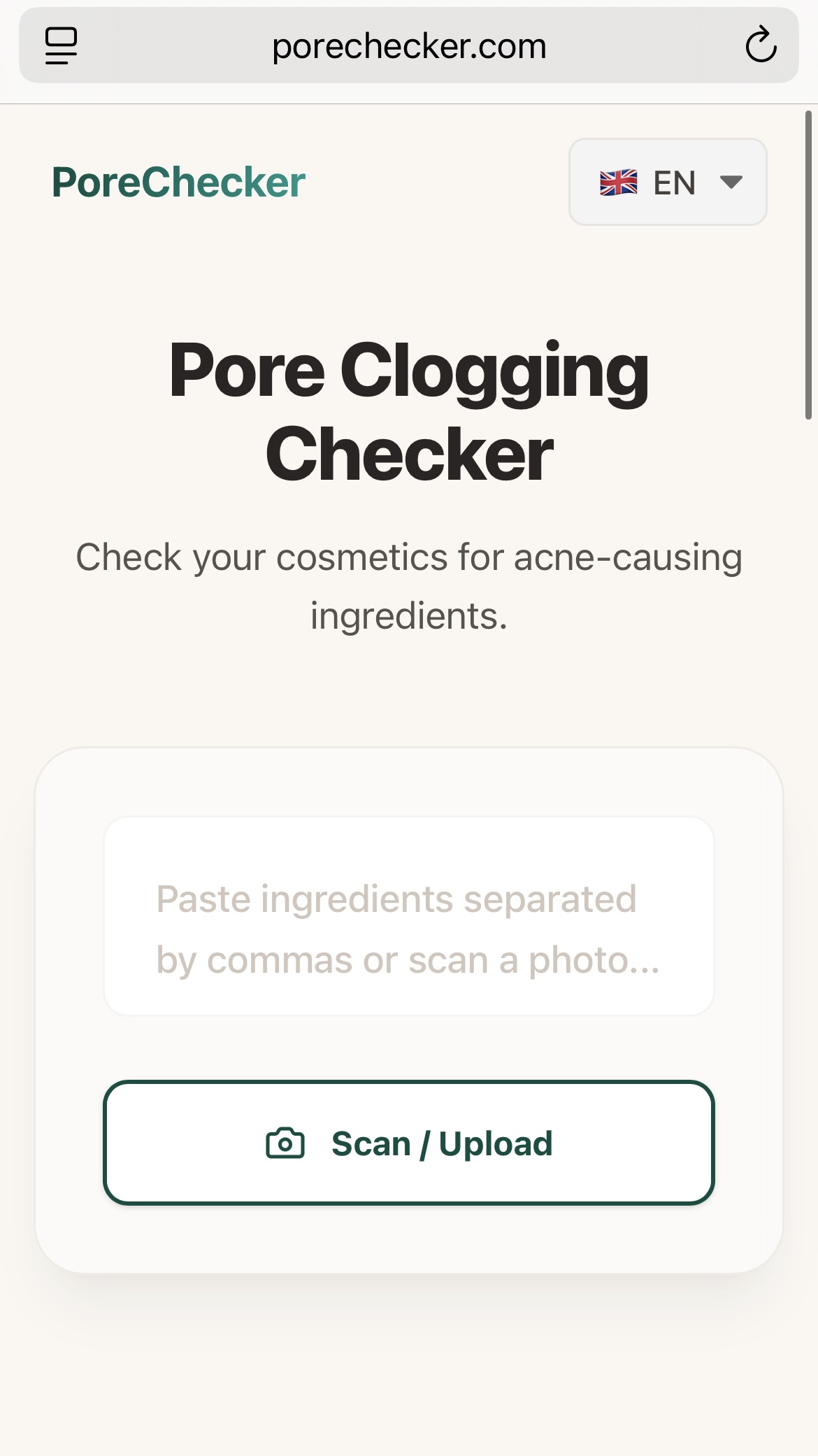
Step 1: Upload Your Product Image
Simply snap a photo of the ingredient list on the back of any bottle, jar, or box. No typing required.
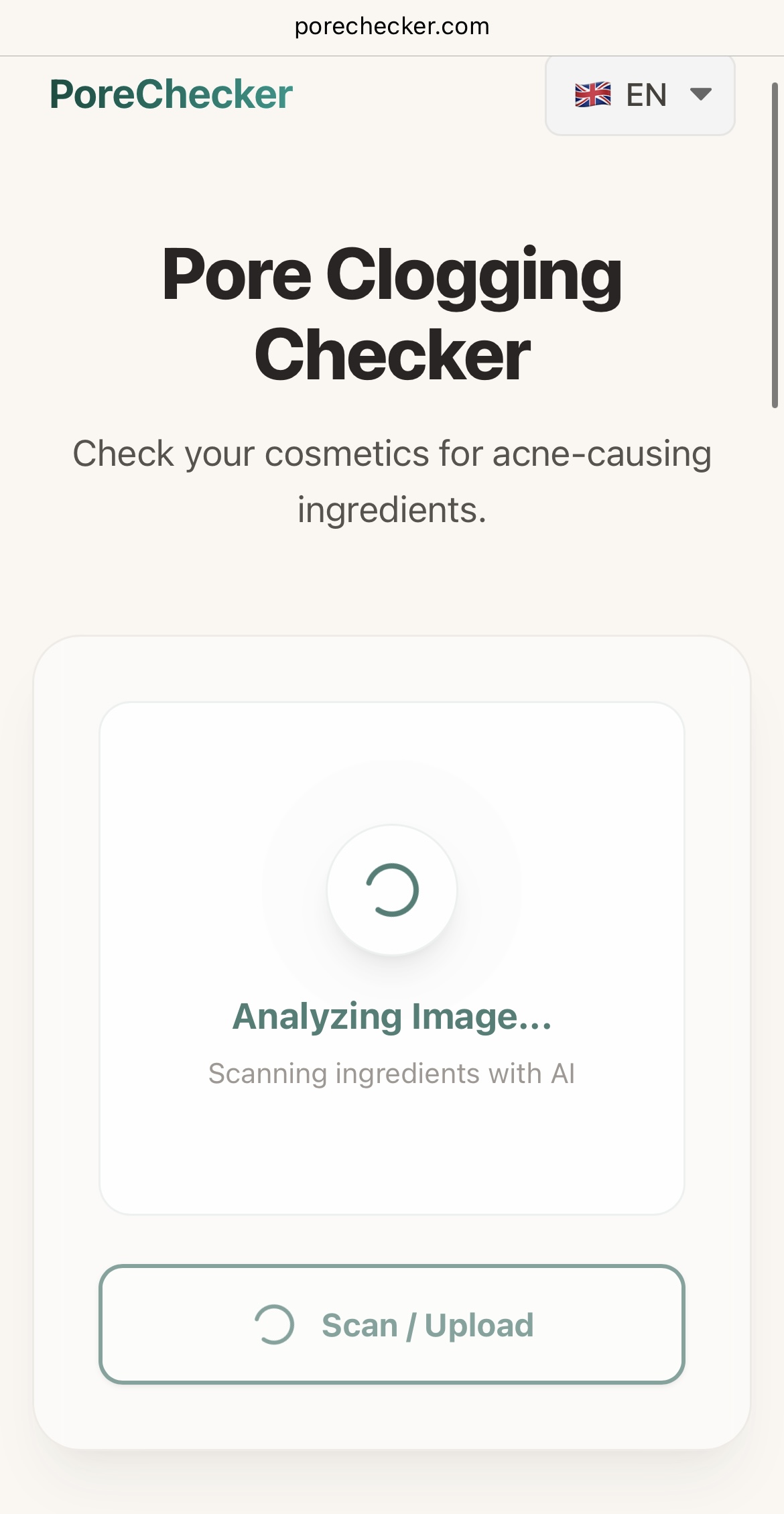
Step 2: Instant AI Ingredient Analysis
Our advanced AI scans the image, performs OCR (Optical Character Recognition), and matches every ingredient against our curated database of comedogenic substances.
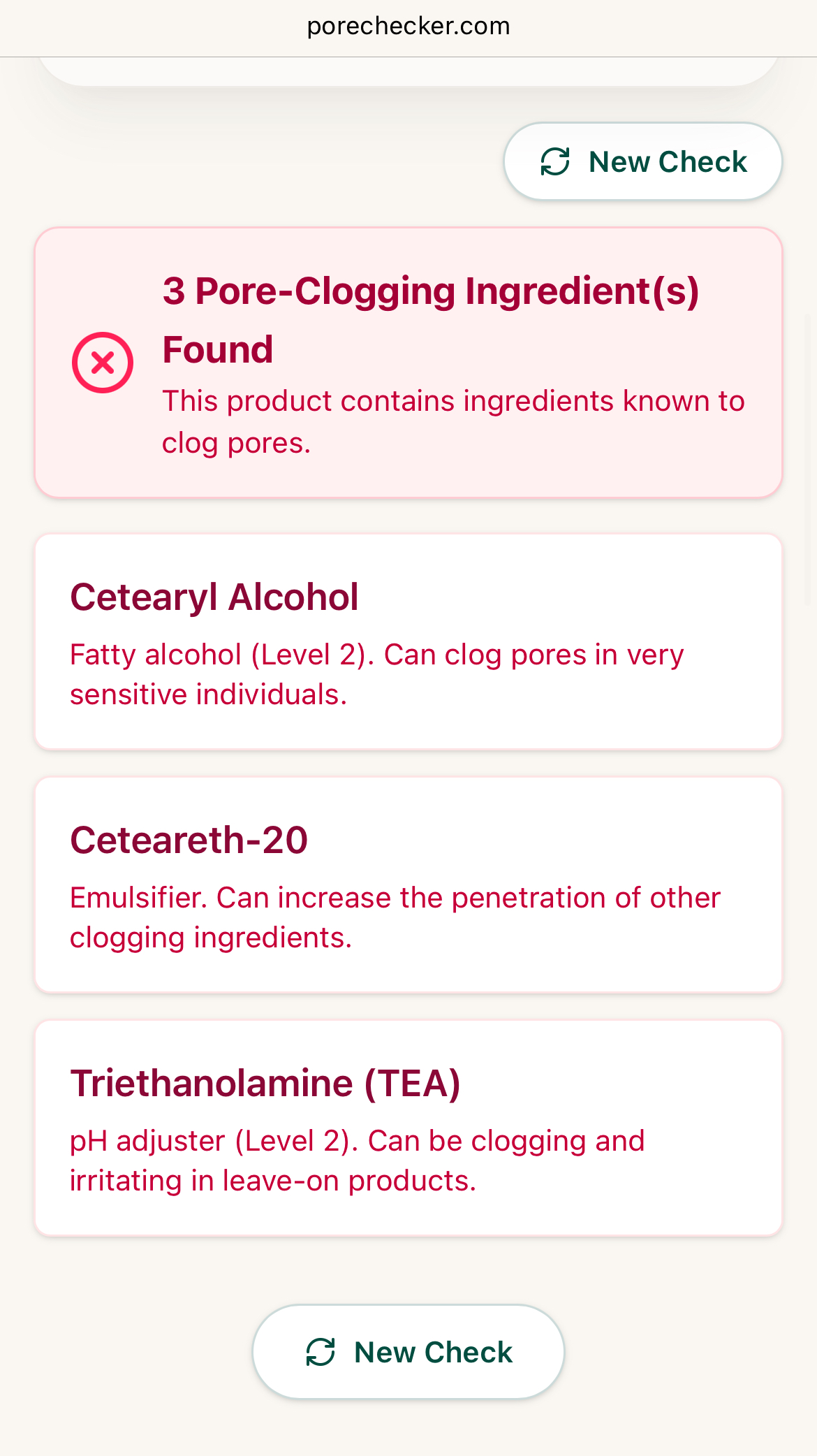
Step 3: Clear Results for Clearer Skin
You get an immediate breakdown. If any red-flag ingredients are found, we highlight them and explain why they might be problematic for your pores.
Does this product fit my skin's needs?
Check Your Products Now