Does Aloe Vera Help Acne: Separating Science From Folklore
Does aloe vera help acne? Discover the scientific reality of using this botanical extract to treat breakouts and soothe inflammation.
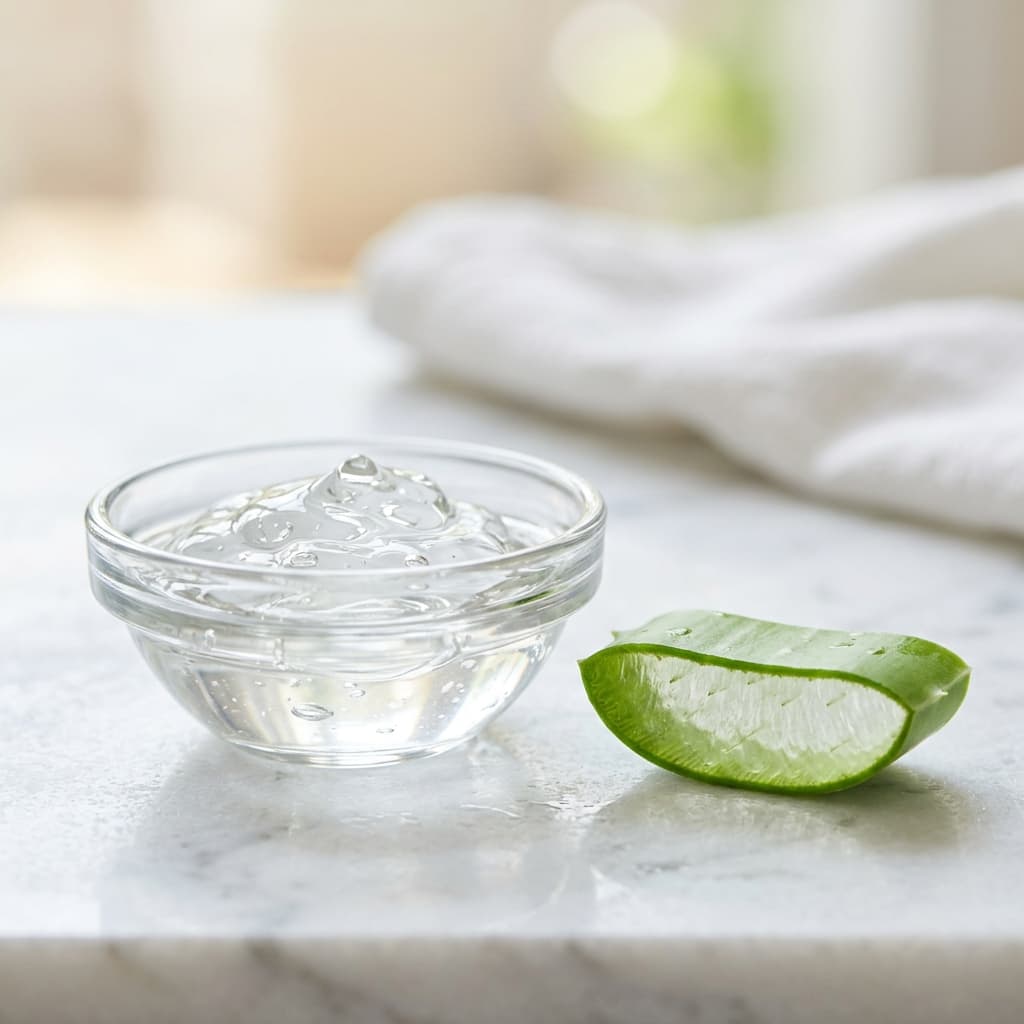
The search for natural, gentle acne relief often leads to the succulent plant sitting on many windowsills: Aloe barbadensis miller. While anecdotal evidence suggests it is a miracle cure, skincare science requires a more nuanced approach. When managing acne, the primary objective is to maintain a healthy barrier while addressing inflammation and bacterial proliferation, all without introducing pore-clogging agents into your routine.
Pure aloe vera gel is widely recognized for its cooling, anti-inflammatory properties, but its efficacy as a primary acne treatment is often overstated. Understanding its true chemical profile allows you to incorporate it safely into your regimen as an adjunctive therapy rather than a standalone cure.
The Bioactive Profile of Aloe Vera
Aloe vera contains over 75 active compounds, including vitamins, enzymes, minerals, and salicylic acid. From a dermatological perspective, its value lies in its ability to modulate the inflammatory response. Because acne is an inflammatory condition, the application of aloe can help reduce the redness and heat associated with active, angry papules or pustules.
Furthermore, aloe vera provides essential hydration without the heavy lipids found in traditional occlusive moisturizers. For those with oily or acne-prone skin, hydration is frequently neglected due to the fear of "greasiness." Because aloe is primarily water-based and non-comedogenic, it serves as an excellent hydrator for skin that feels compromised by harsh acne-fighting actives like benzoyl peroxide or retinoids.
Does It Actually Kill Bacteria?
While aloe possesses mild antimicrobial properties, it is not a substitute for targeted acne treatments. It cannot effectively penetrate the pilosebaceous unit to eradicate C. acnes bacteria in the way that clinical-grade ingredients can. If you rely solely on aloe to treat moderate to severe acne, you will likely find that it fails to stop the cycle of breakouts at the source.
Integrating Aloe Safely Into Your Routine
If you wish to use aloe, source high-purity, fragrance-free preparations. Many commercial products marketed as "pure aloe" contain additives, cooling agents, or dyes that can irritate sensitive, inflamed skin. I always advise patients to look for products with minimal ingredient lists to ensure they are not introducing unnecessary triggers.
Apply a thin layer to clean skin before your main moisturizer. Think of it as a soothing serum rather than a treatment. It works best to offset the irritation caused by your primary corrective products, effectively managing the skin barrier so that you can continue your treatment regimen without excessive peeling or dryness.
Don't Let Your Products Ruin Your Progress
While incorporating a soothing agent like aloe vera can mitigate the side effects of your skincare routine, it is often the other products in your cabinet that silently hinder your progress. Many moisturizers, sunscreens, and even "calming" gels contain hidden pore-clogging ingredients—such as certain fatty acids or thickeners—that can trigger comedones faster than you can soothe them. Achieving clear skin is a delicate balance between active treatment and the avoidance of comedogenic triggers; even the most effective routine can be sabotaged by a single heavy emollient. Before assuming your acne treatment isn't working, verify that every product in your lineup is truly safe for your skin type to ensure your efforts are not being undermined by the very formulas you rely on daily.
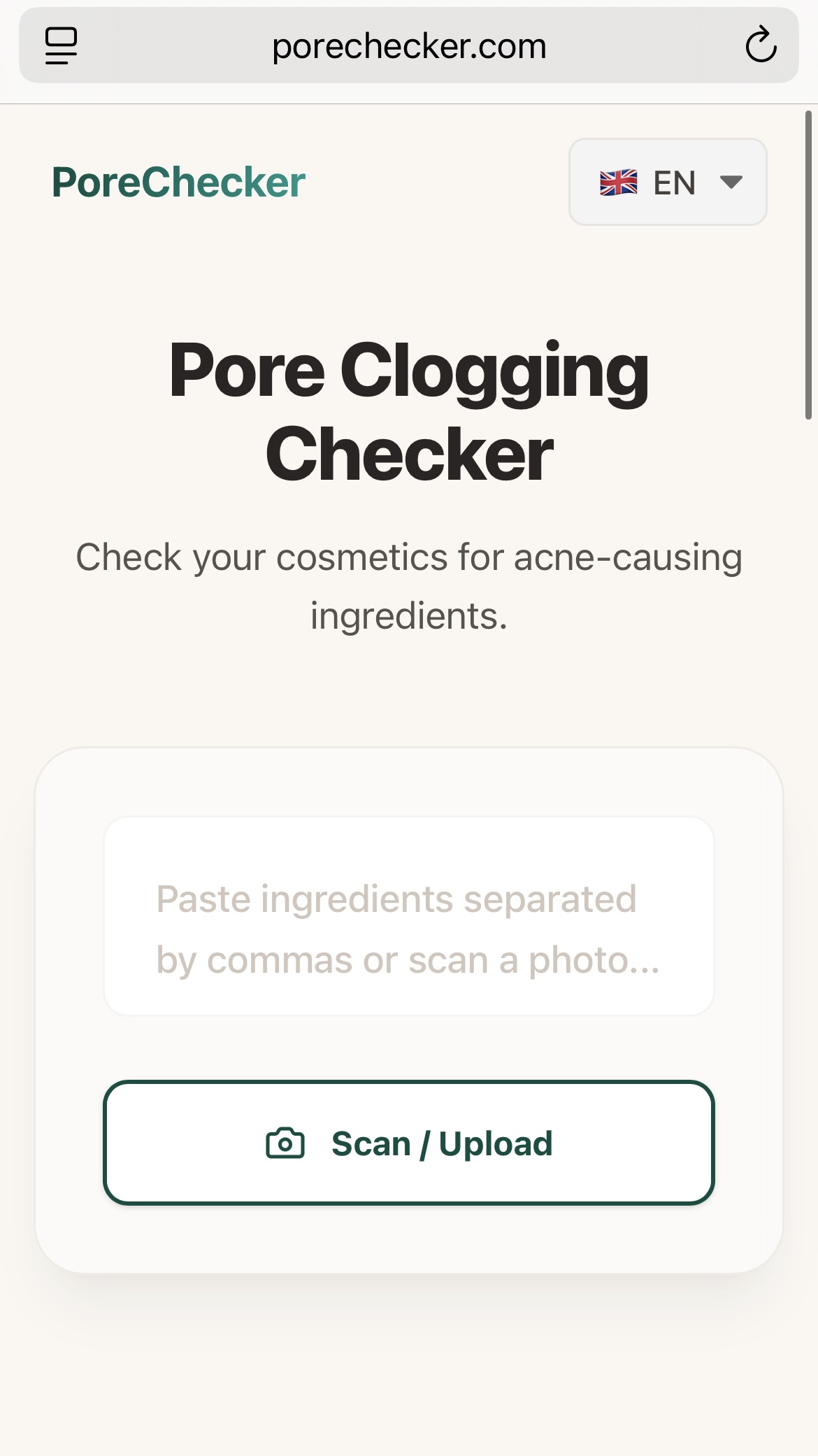
Step 1: Upload Your Product Image
Simply snap a photo of the ingredient list on the back of any bottle, jar, or box. No typing required.
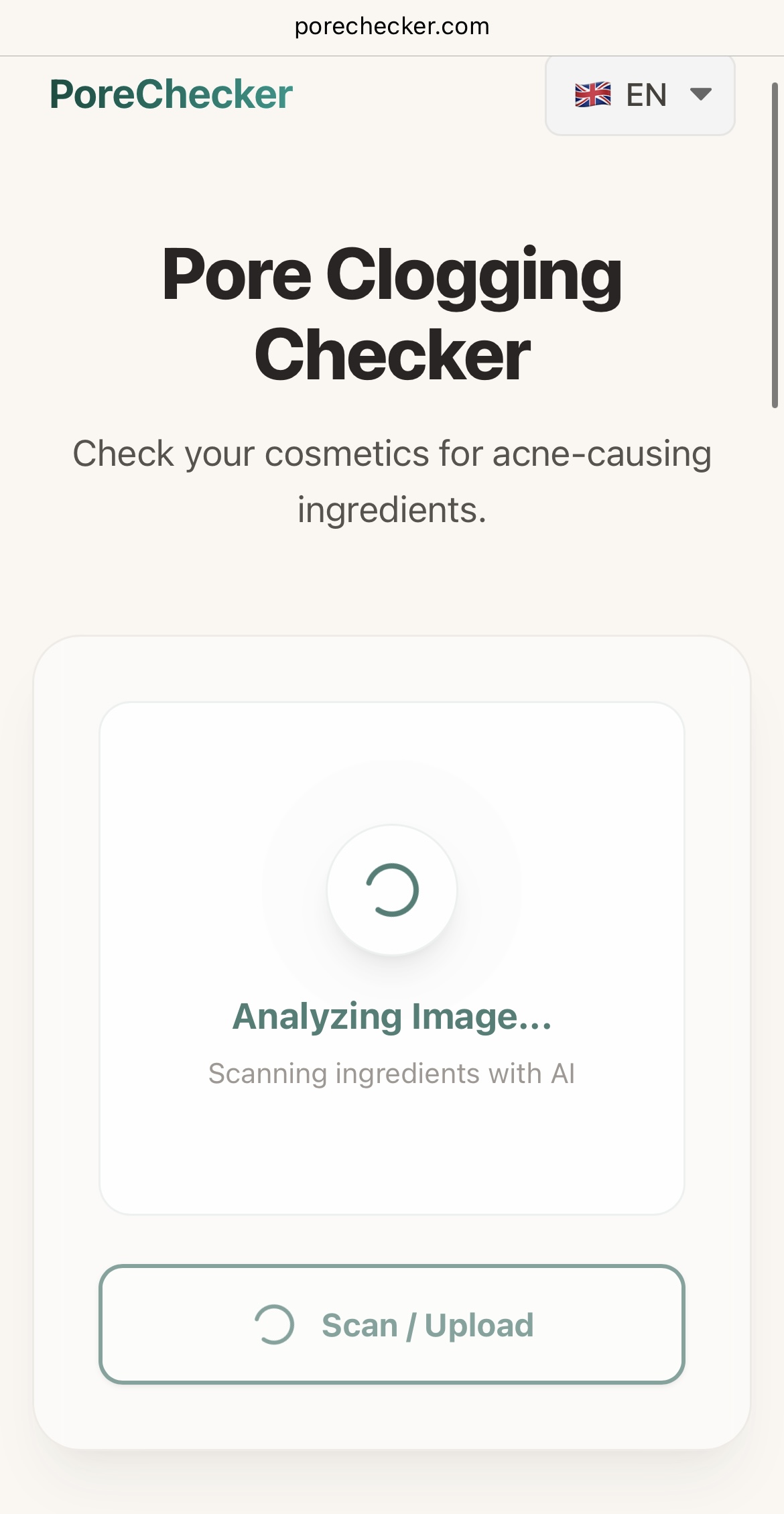
Step 2: Instant AI Ingredient Analysis
Our advanced AI scans the image, performs OCR (Optical Character Recognition), and matches every ingredient against our curated database of comedogenic substances.
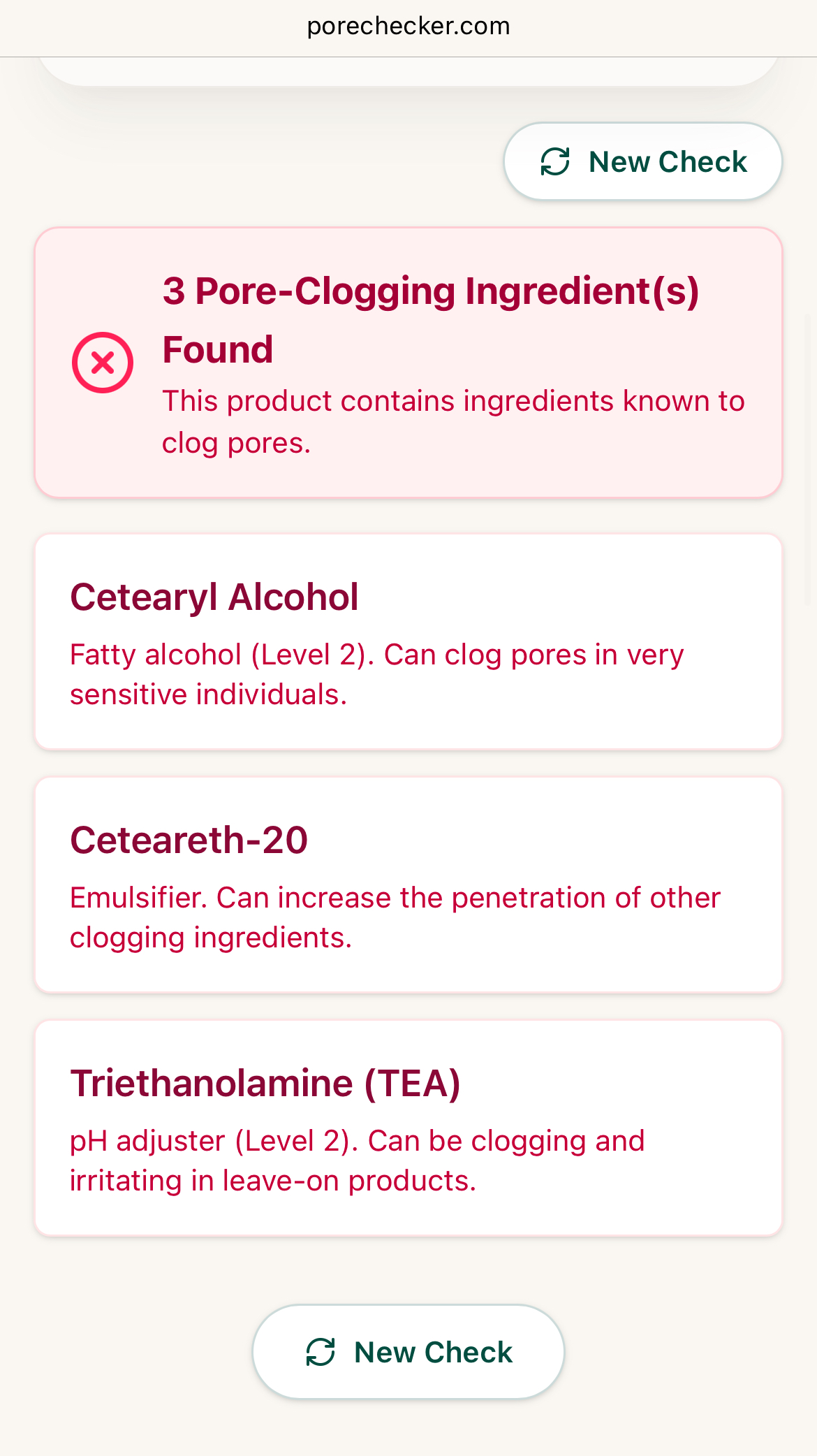
Step 3: Clear Results for Clearer Skin
You get an immediate breakdown. If any red-flag ingredients are found, we highlight them and explain why they might be problematic for your pores.
Does this product fit my skin's needs?
Check Your Products Now