Does Aloe Vera Help With Acne? The Dermatologist’s Perspective
Curious if aloe vera helps with acne? Discover the science behind this botanical extract and how to use it safely for clearer skin.
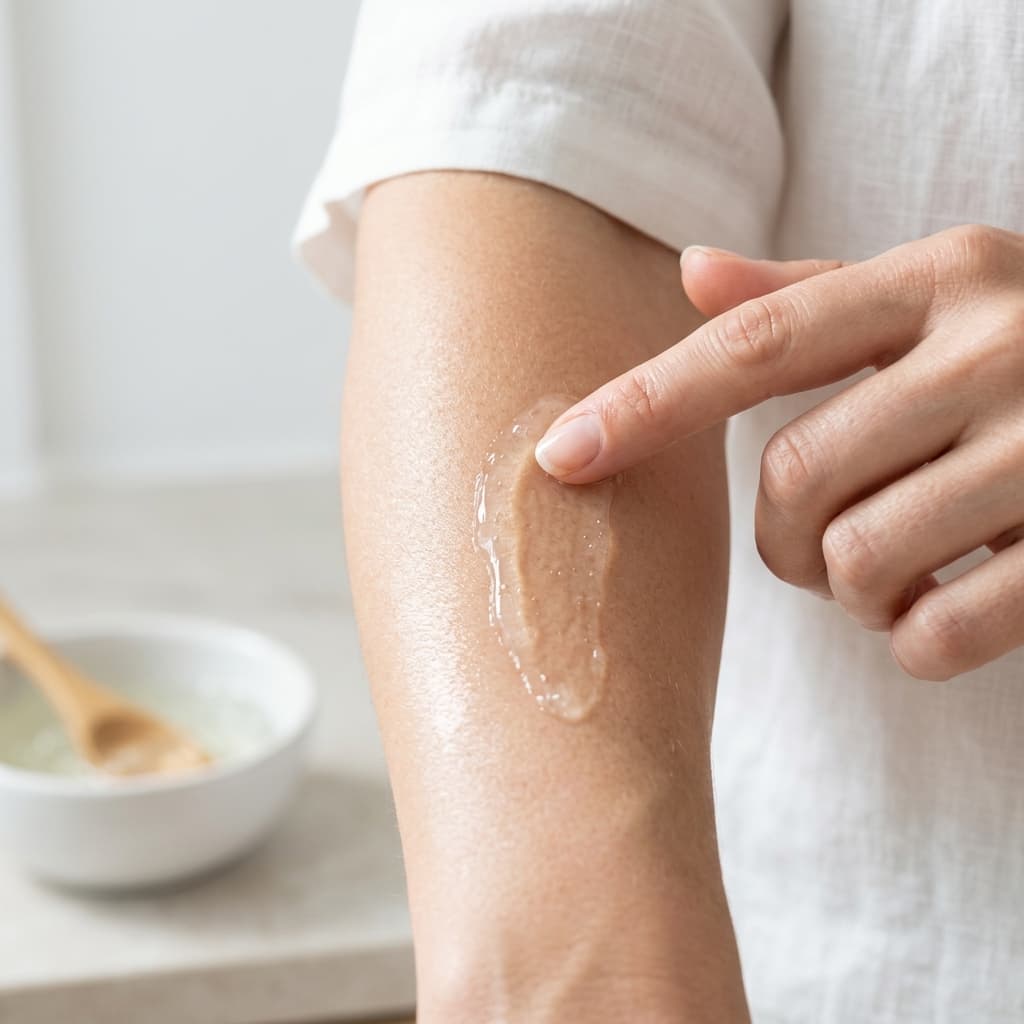
When navigating the complexities of breakout-prone skin, the search for gentle, soothing remedies often leads to the aloe vera plant. For centuries, this succulent has been celebrated for its medicinal properties, primarily its ability to calm inflammation and accelerate wound healing. However, when addressing acne, it is crucial to separate the aesthetic appeal of natural ingredients from clinical efficacy.
Aloe vera is fundamentally non-comedogenic, meaning it is unlikely to clog pores. This makes it a preferred base for those struggling with active lesions who find heavier creams exacerbate their skin congestion. By providing lightweight hydration without the use of occlusive oils, aloe vera can act as a stabilizing agent in an otherwise volatile skincare routine.
The Clinical Mechanism: Why Aloe Matters
The primary question—does aloe vera help with acne—is best answered by looking at its chemical composition. Aloe contains salicylic acid, albeit in small amounts, alongside various anti-inflammatory compounds like lupeol and gibberellins. These components work synergistically to reduce the redness and swelling associated with papules and pustules. While it is not a primary treatment for eliminating bacteria like C. acnes, it functions exceptionally well as a supportive care agent.
Soothing the Skin Barrier
Many acne sufferers fall into the trap of over-cleansing or using harsh actives that strip the skin’s acid mantle. When the barrier is compromised, the skin becomes more susceptible to bacterial invasion and chronic inflammation. Aloe vera provides a cooling effect that helps modulate this inflammatory response. It provides the necessary hydration to keep the surface cells supple, which is vital when you are simultaneously using drying agents like benzoyl peroxide or retinoids.
Proper Application for Maximum Benefit
To gain the most from aloe vera, purity is the deciding factor. Many commercial gels are laden with artificial fragrances, thickeners, or dyes that can inadvertently trigger sensitivities. When selecting a product, look for 99% or pure aloe vera leaf juice. Applying a thin layer to clean, damp skin allows the water-binding sugars in the plant to penetrate effectively without leaving a tacky, pore-suffocating film behind.
Don't Let Your Products Ruin Your Progress
While incorporating a soothing botanical like aloe vera can calm your skin, it is often undermined by hidden ingredients lurking in the rest of your routine. Even products labeled as "calming" or "natural" frequently contain oils, waxes, or emulsifiers that are highly comedogenic, meaning they can trap sebum and debris deep within the follicle. Identifying these hidden pore-cloggers is the most effective way to ensure that your treatment efforts aren't being canceled out by your daily moisturizer or sunscreen. Before finalizing your regimen, it is vital to audit your current product lineup to ensure every ingredient serves your goal of clear skin rather than contributing to future breakouts.
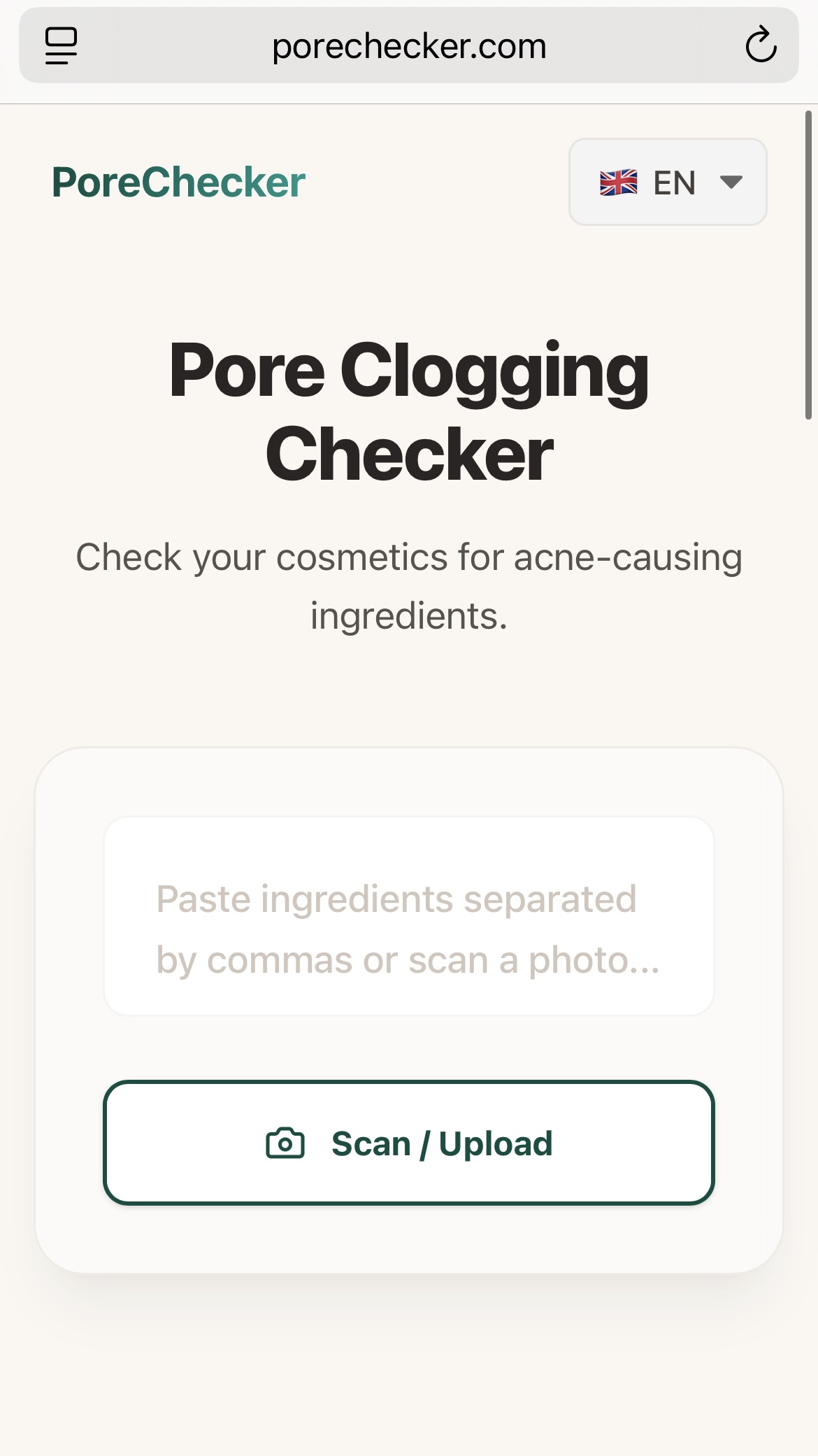
Step 1: Upload Your Product Image
Simply snap a photo of the ingredient list on the back of any bottle, jar, or box. No typing required.
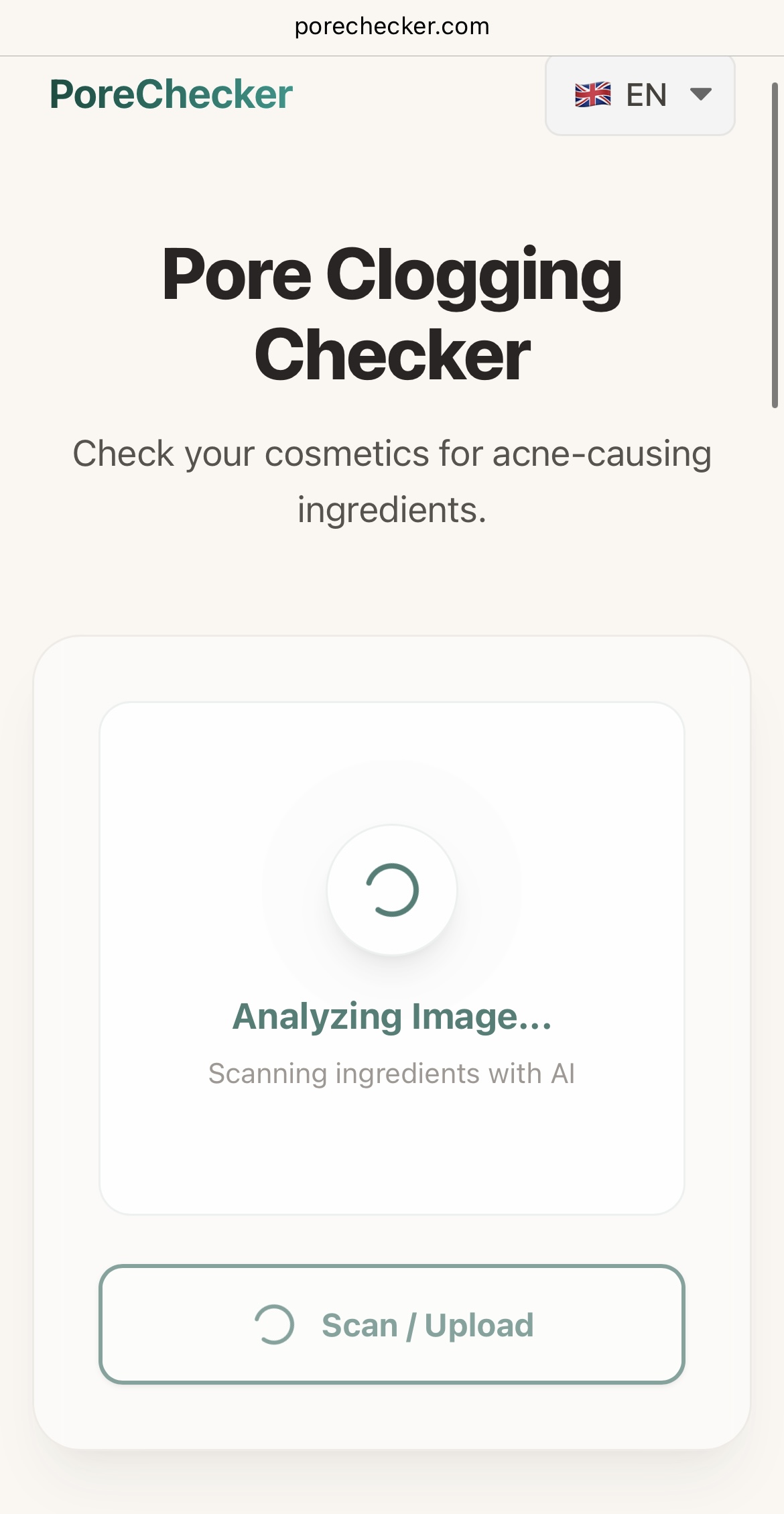
Step 2: Instant AI Ingredient Analysis
Our advanced AI scans the image, performs OCR (Optical Character Recognition), and matches every ingredient against our curated database of comedogenic substances.
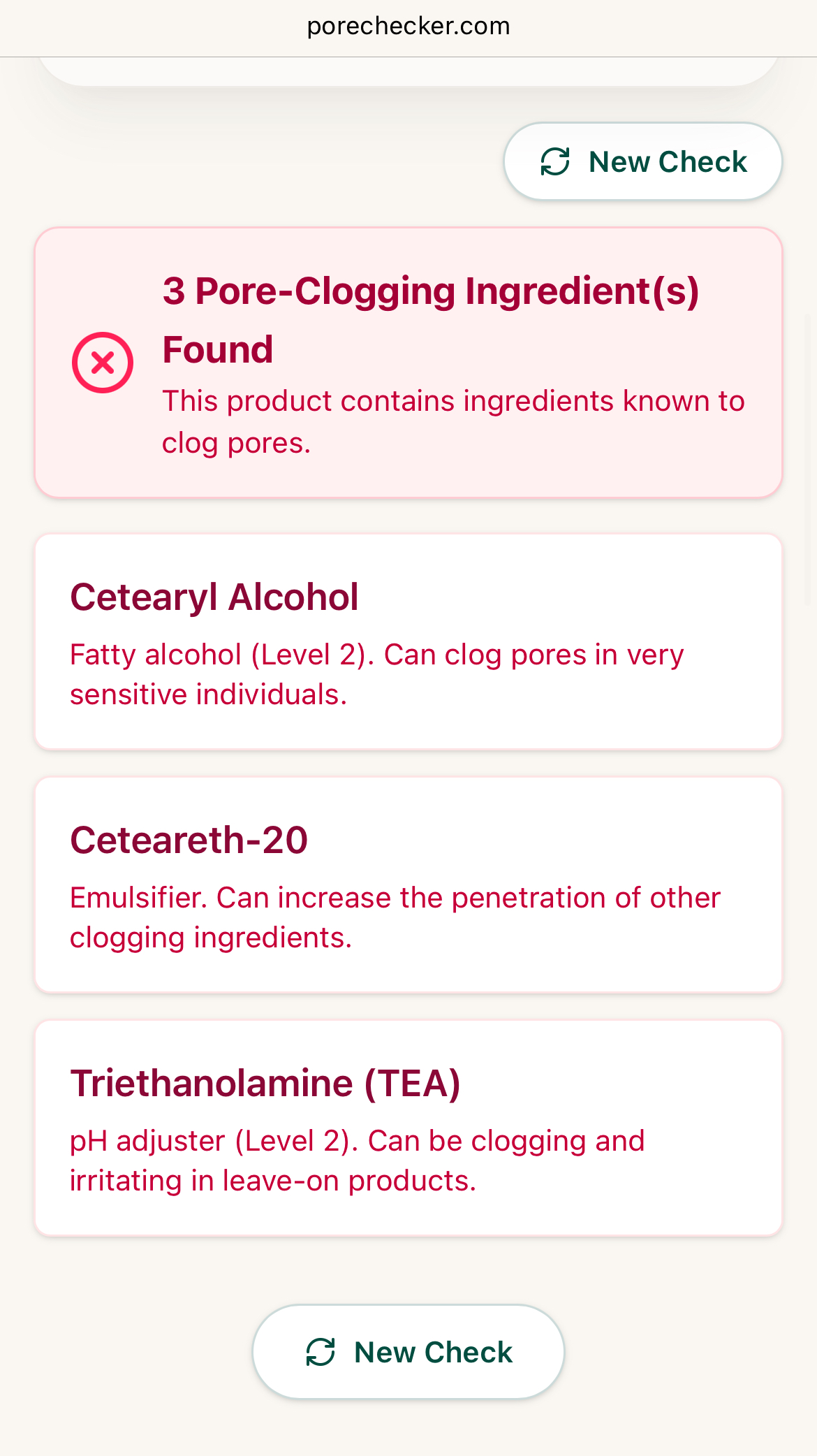
Step 3: Clear Results for Clearer Skin
You get an immediate breakdown. If any red-flag ingredients are found, we highlight them and explain why they might be problematic for your pores.
Does this product fit my skin's needs?
Check Your Products Now