Does Azelaic Acid Help with Acne? Unpacking the Benefits for Clear Skin
Azelaic acid is a versatile skincare ingredient with impressive benefits for acne-prone skin. Discover how it works, its unique advantages, and how to use it.
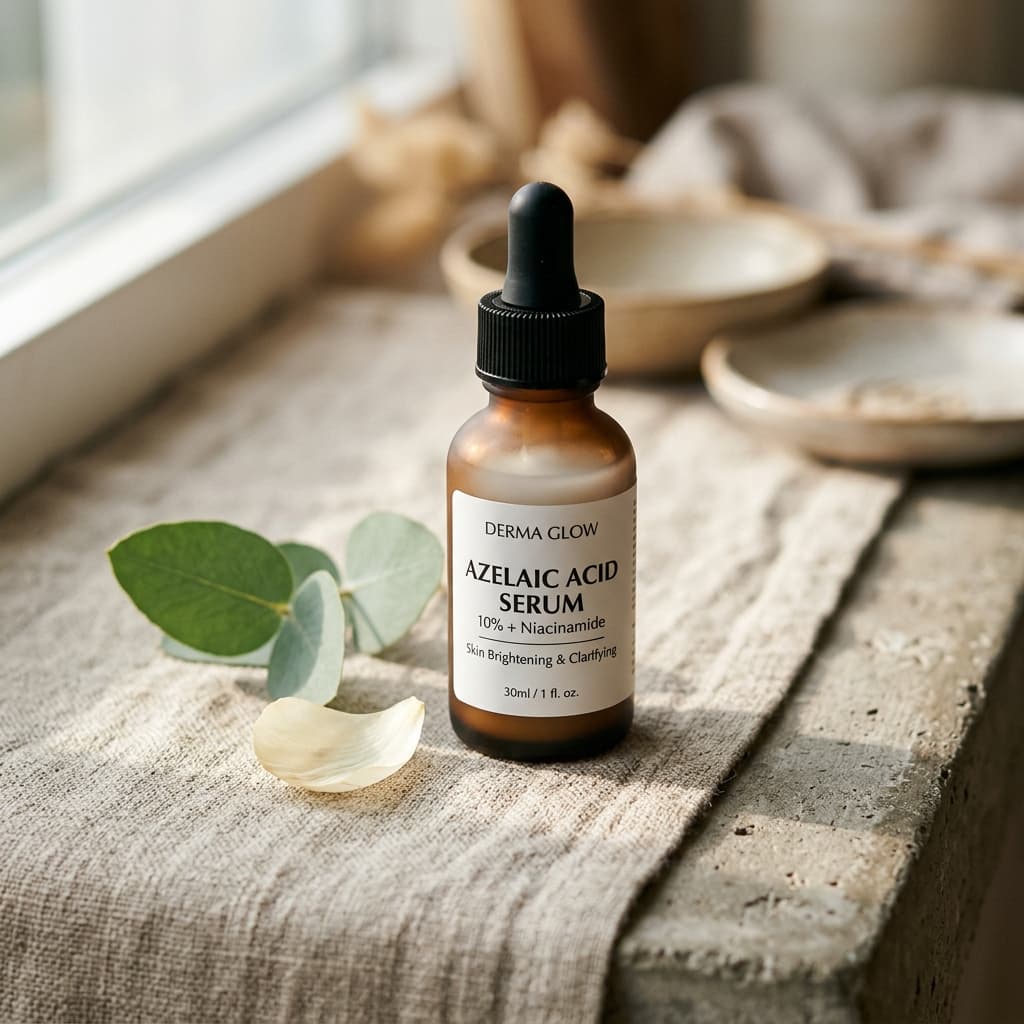
Azelaic acid, a naturally occurring acid found in grains like barley, wheat, and rye, is an increasingly popular ingredient in the world of skincare—for good reason. It boasts a unique combination of antibacterial, anti-inflammatory, and exfoliating properties, making it an excellent choice for a variety of skin concerns, particularly acne and rosacea. If you've been wondering, "does azelaic acid help with acne?" the answer is a resounding yes. Its multi-faceted approach addresses the root causes of breakouts while also helping to refine skin texture and tone. As with any effective routine, choosing non-comedogenic and high-quality products is paramount.
How Does Azelaic Acid Help with Acne?
Azelaic acid works in several ways to clear breakouts and prevent new ones from forming:
Antibacterial Action
Azelaic acid effectively targets P. acnes, the bacteria primarily responsible for inflammatory acne. By reducing the bacterial population on the skin's surface and within the pores, it helps to calm existing breakouts and lower the risk of future ones.
Anti-Inflammatory Properties
Inflammation is a key component of acne, contributing to redness, swelling, and pain. Azelaic acid has potent anti-inflammatory effects that help to soothe irritated skin and reduce the appearance of inflamed blemishes, making it particularly beneficial for those with sensitive skin.
Gentle Exfoliation
Azelaic acid also acts as a mild exfoliant, helping to prevent the buildup of dead skin cells that can clog pores. It helps to keep the pore lining clear, reducing the formation of comedones like blackheads and whiteheads.
Beyond Acne: The Brightening Benefits
One of the most notable advantages of azelaic acid is its ability to address post-inflammatory hyperpigmentation (PIH)—the dark marks that often remain after a pimple has healed. It works by inhibiting tyrosinase, an enzyme involved in melanin production, helping to fade existing marks and create a more even skin tone.
How to Incorporate Azelaic Acid into Your Routine
Azelaic acid is generally well-tolerated and can be used by most skin types. Here are some tips for using it effectively:
- Choose Your Form: Azelaic acid is available in both over-the-counter (typically 10% concentration) and prescription-strength (15-20%) formulations.
- Consistency is Key: For best results, use azelaic acid once or twice a day, as directed by your product instructions or dermatologist.
- Layer Carefully: Apply azelaic acid onto clean, dry skin after cleansing and before moisturizing. It can often be used alongside other ingredients like niacinamide or hyaluronic acid.
- Don't Forget SPF: While azelaic acid isn't as sensitizing as retinoids, it's still essential to protect your skin with daily sunscreen.
Conclusion: A Versatile Ally for Clear Skin
Azelaic acid is a versatile and effective ingredient for those seeking a clearer, more radiant complexion. Its ability to combat bacteria, reduce inflammation, and help fade post-acne marks making it a valuable addition to any acne-focused routine. By choosing high-quality, non-comedogenic formulations and being consistent with your application, you can unlock the many benefits of this remarkable skincare ally.
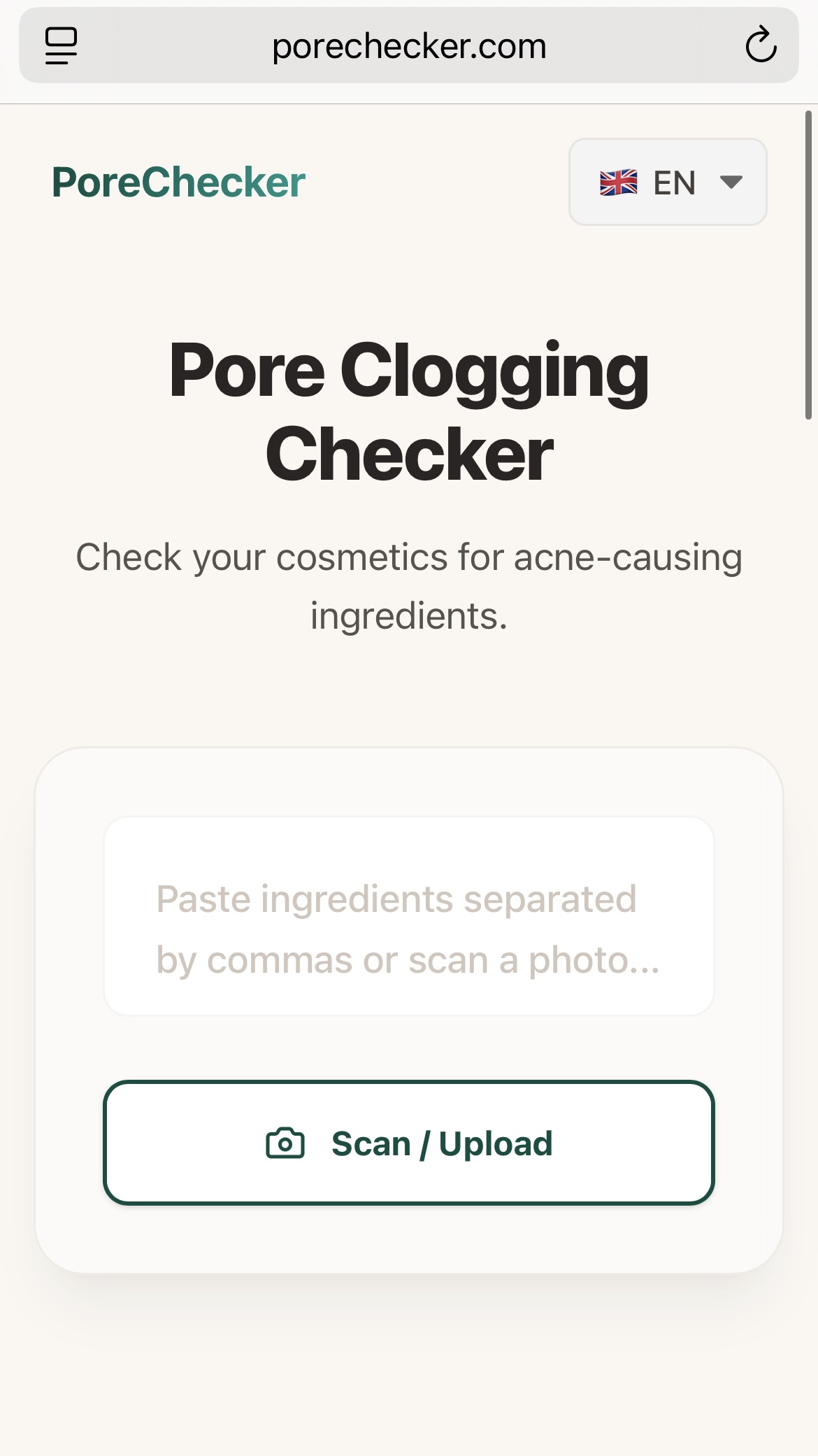
Step 1: Upload Your Product Image
Simply snap a photo of the ingredient list on the back of any bottle, jar, or box. No typing required.
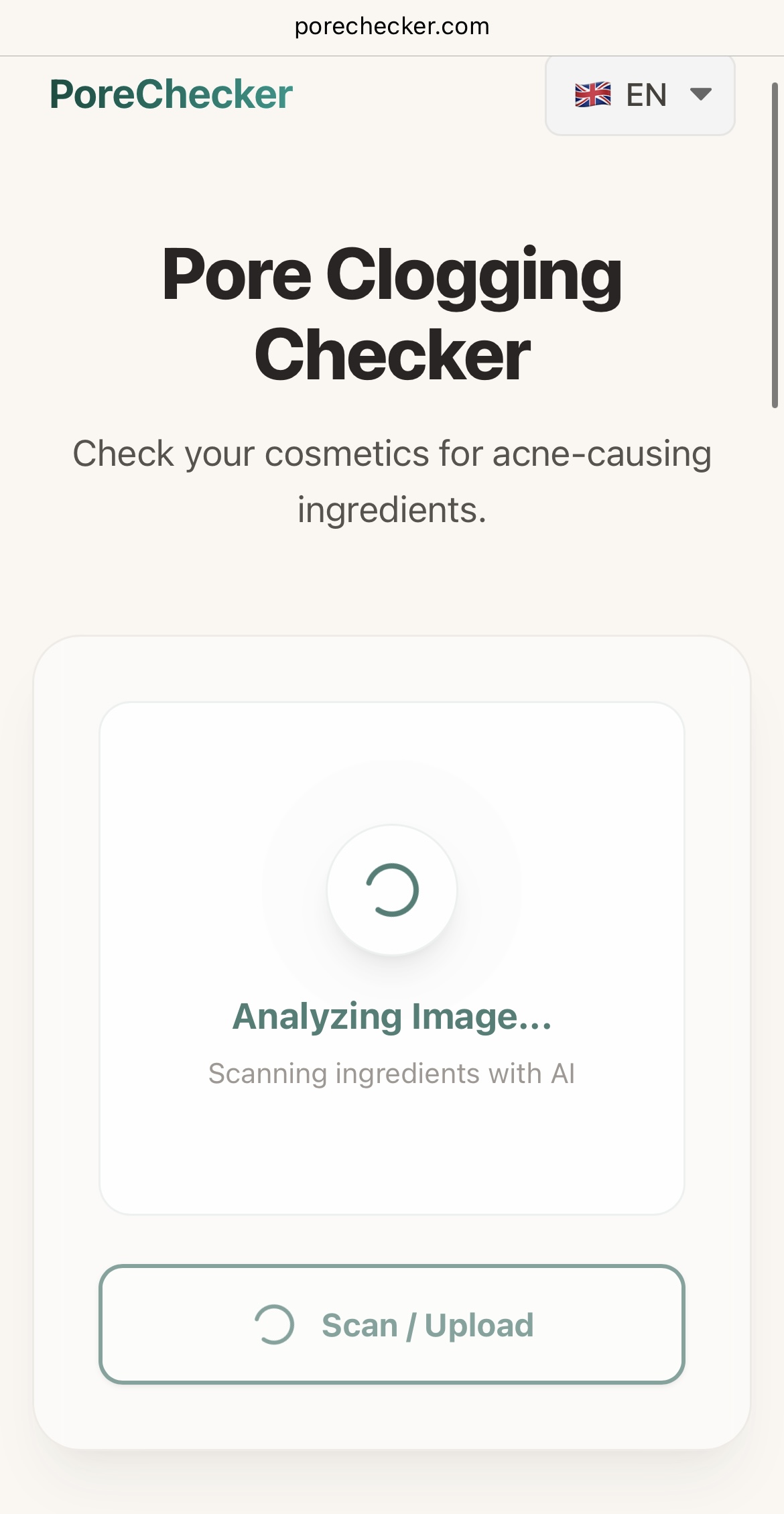
Step 2: Instant AI Ingredient Analysis
Our advanced AI scans the image, performs OCR (Optical Character Recognition), and matches every ingredient against our curated database of comedogenic substances.
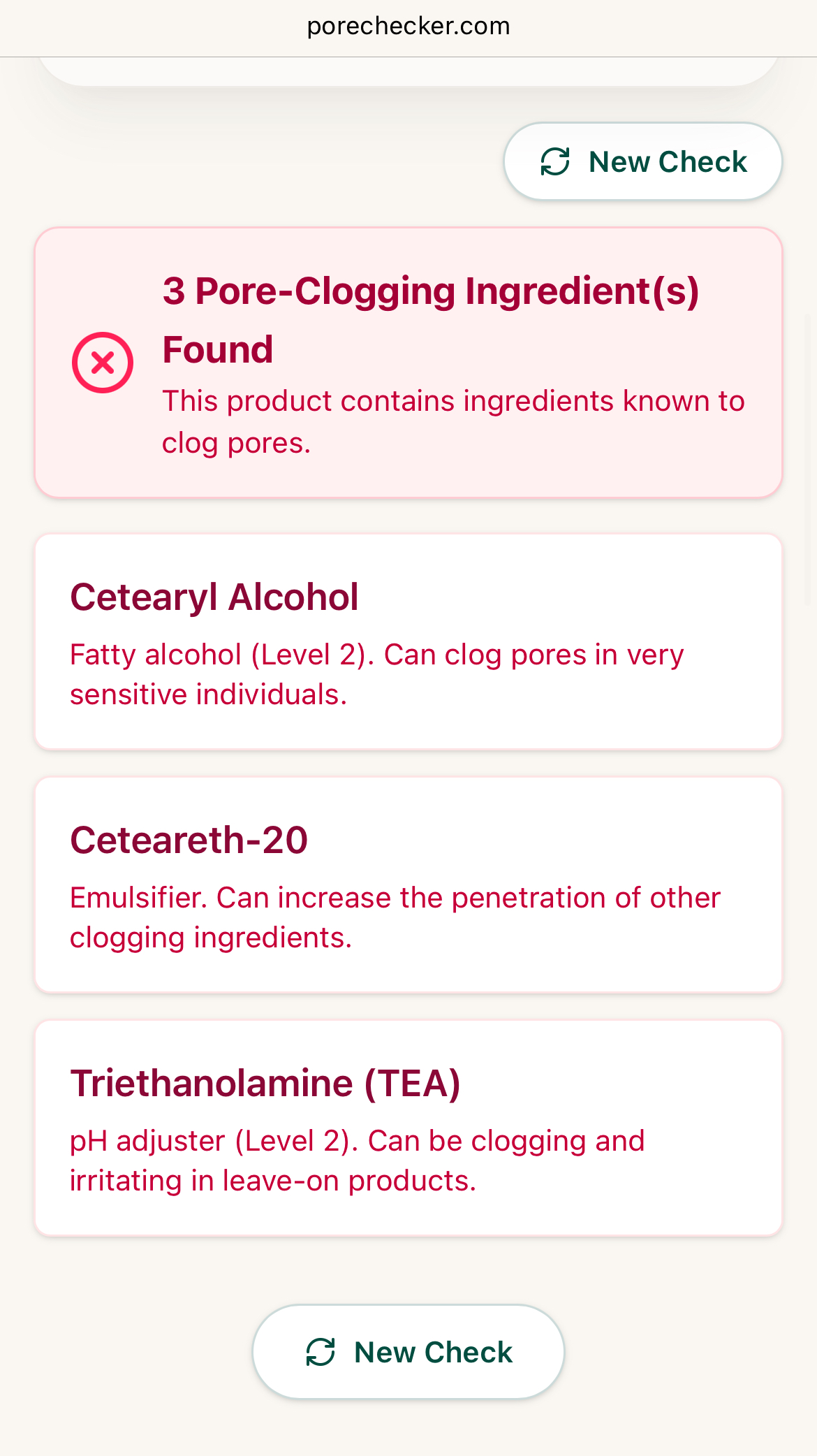
Step 3: Clear Results for Clearer Skin
You get an immediate breakdown. If any red-flag ingredients are found, we highlight them and explain why they might be problematic for your pores.
Does this product fit my skin's needs?
Check Your Products Now