Does Beef Tallow Help Acne: Separating Ancient Skincare Myths from Science
Does beef tallow help acne? We analyze the science behind this popular skincare trend and why it may not be right for everyone’s skin.
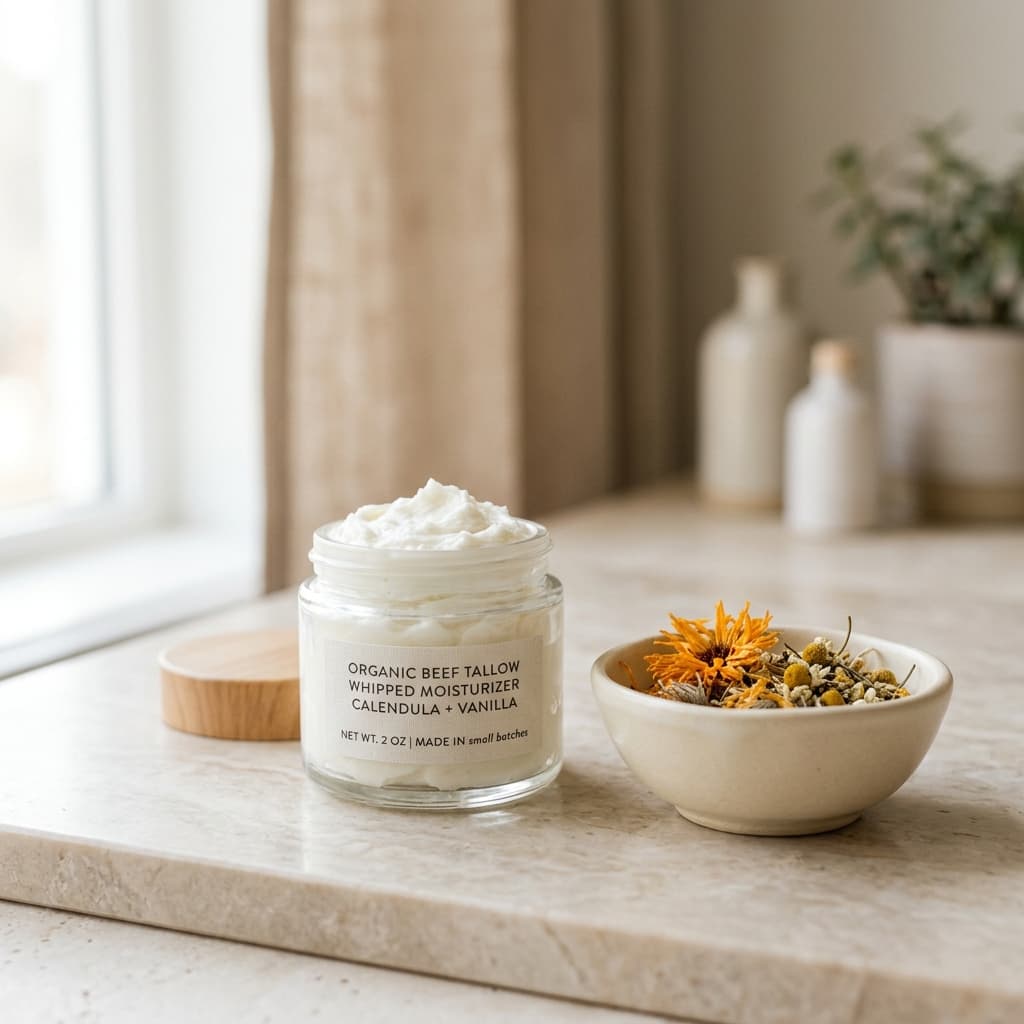
The beauty industry frequently cycles back to ancestral ingredients, positioning historical staples as modern solutions for contemporary skin concerns. Recently, rendered beef fat—beef tallow—has emerged as a viral remedy for inflammatory skin conditions. Proponents highlight its vitamin profile and fatty acid composition, claiming it mimics the natural sebum produced by our own sebaceous glands.
However, when addressing acne, the efficacy of an ingredient depends less on its history and more on its interaction with your specific follicular environment. Acne is a multi-factorial condition involving follicular hyperkeratosis, bacterial proliferation, and inflammation. When evaluating whether an ingredient will soothe a breakout or exacerbate one, we must look at its comedogenic rating and its ability to influence the skin’s microbiome.
The Lipid Profile of Beef Tallow
Beef tallow is primarily composed of triglycerides, including oleic, stearic, and palmitic fatty acids. Its molecular structure is relatively similar to human sebum, which is precisely why it feels nourishing to dry or compromised skin barriers. In a healthy, non-acneic complexion, this similarity can support moisture retention and provide essential vitamins like A, D, E, and K.
The challenge arises because acne-prone skin often possesses a sebum composition that is already skewed toward higher concentrations of certain fatty acids. Specifically, skin prone to congestion may struggle to process heavy occlusives. While tallow is bio-available, it is not inherently anti-bacterial in the way clinical treatments like salicylic acid or benzoyl peroxide are. If you are struggling with active, cystic, or comedonal acne, applying a heavy lipid layer may trap debris and bacteria, potentially worsening the underlying obstruction.
Understanding Non-Comedogenic Principles
For those questioning does beef tallow help acne, it is vital to understand the concept of comedogenicity. Comedogenicity refers to the likelihood of an ingredient to clog pores. Tallow is generally ranked as a 2-3 on the standard 0-5 comedogenic scale. While this is not as high as coconut oil or cocoa butter, it is not a "non-comedogenic" ingredient either.
If your acne is primarily triggered by follicular blockage—meaning you deal with frequent whiteheads and blackheads—introducing a medium-comedogenic substance may provide a comfortable, emollient feel without actually treating the source of the blockage. In fact, for many, the thick consistency of animal fats creates an occlusive seal that promotes the growth of C. acnes bacteria, which thrive in anaerobic, oil-rich environments.
Should You Use Tallow for Breakouts?
If your skin barrier is damaged due to aggressive acne medications like isotretinoin or topical retinoids, you might find that tallow provides necessary relief. In this specific scenario, the focus is on healing the barrier rather than treating the acne directly. The fat can provide the hydration required for the skin to repair its structural integrity, which indirectly helps the skin defend itself against future breakouts.
However, if your goal is to clear active acne, there is little scientific evidence to suggest that beef tallow possesses the clinical properties required to unclog pores or inhibit bacterial activity. Relying on it as a primary treatment may delay the use of evidence-based ingredients that offer more predictable results for acne management.
Don't Let Your Products Ruin Your Progress
Transitioning toward a healthier complexion requires more than just identifying which ingredients might be problematic; it necessitates a comprehensive audit of every product in your routine. Even a well-intentioned moisturizer can contain hidden pore-clogging agents that undermine your skin’s progress, often stalling the results you work so hard to achieve with your serums and treatments. Before committing to any new product, it is essential to scrutinize the ingredient list against known comedogenic triggers to ensure that your path to clear skin isn't being obstructed by the very products intended to support it.
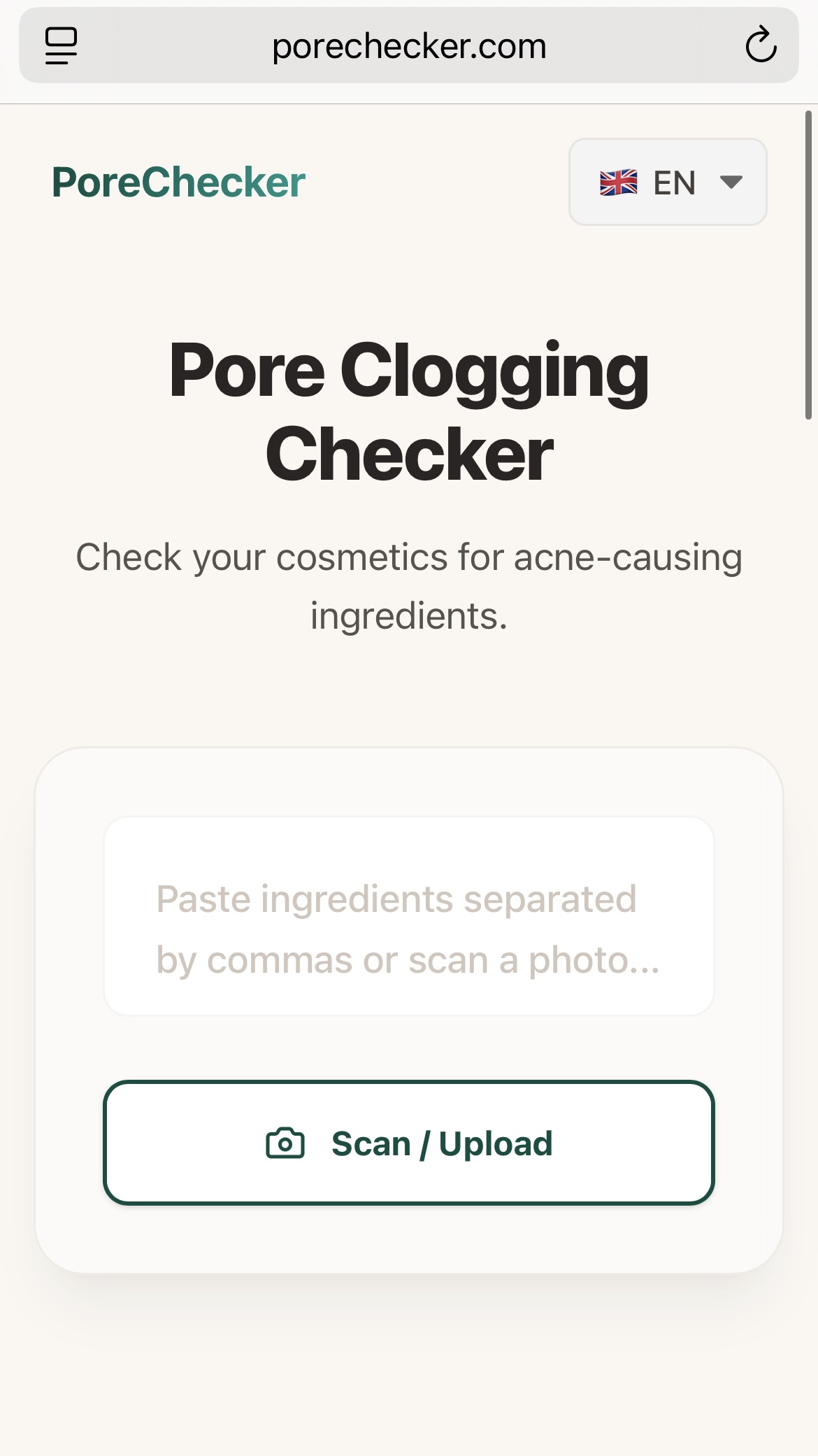
Step 1: Upload Your Product Image
Simply snap a photo of the ingredient list on the back of any bottle, jar, or box. No typing required.
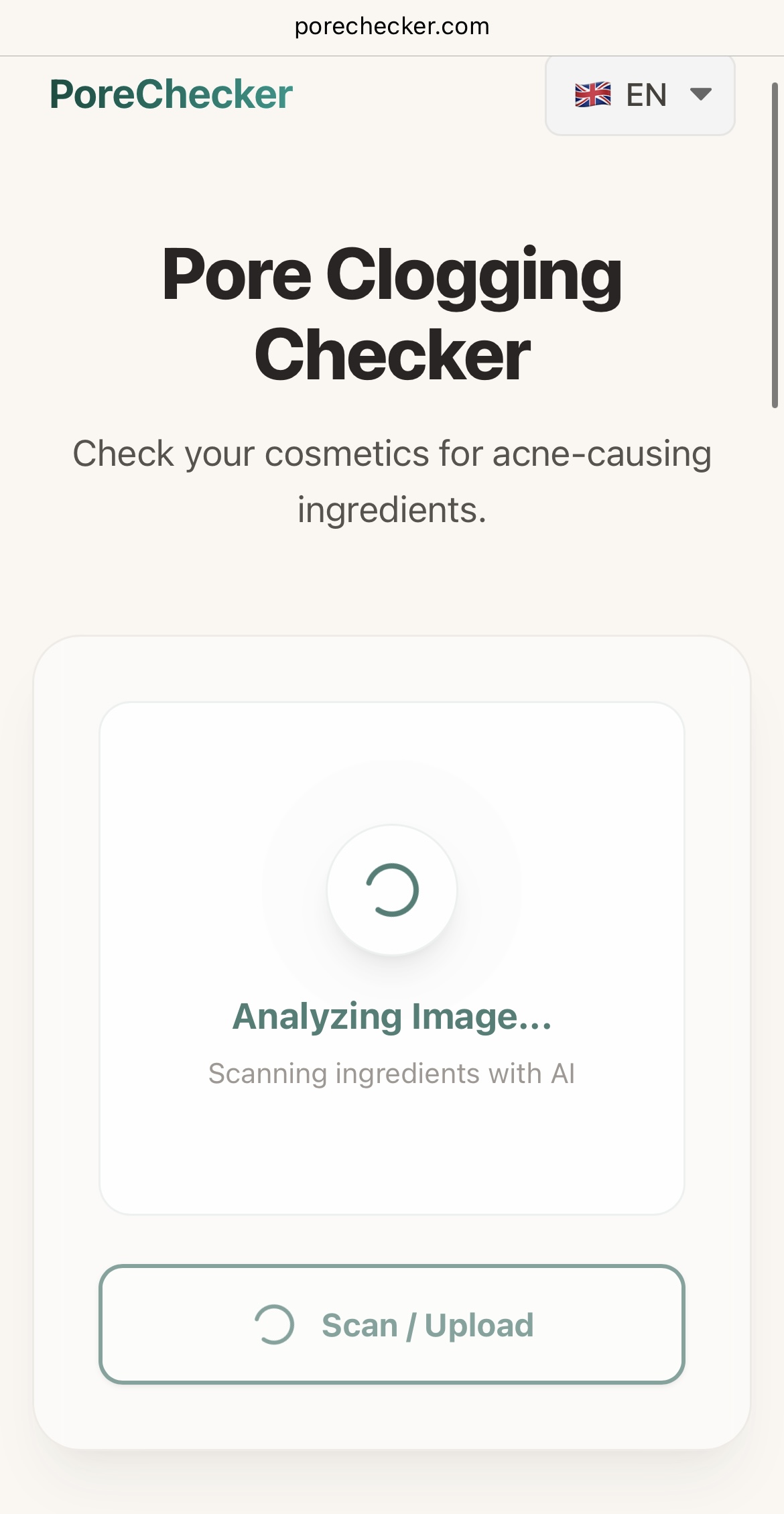
Step 2: Instant AI Ingredient Analysis
Our advanced AI scans the image, performs OCR (Optical Character Recognition), and matches every ingredient against our curated database of comedogenic substances.
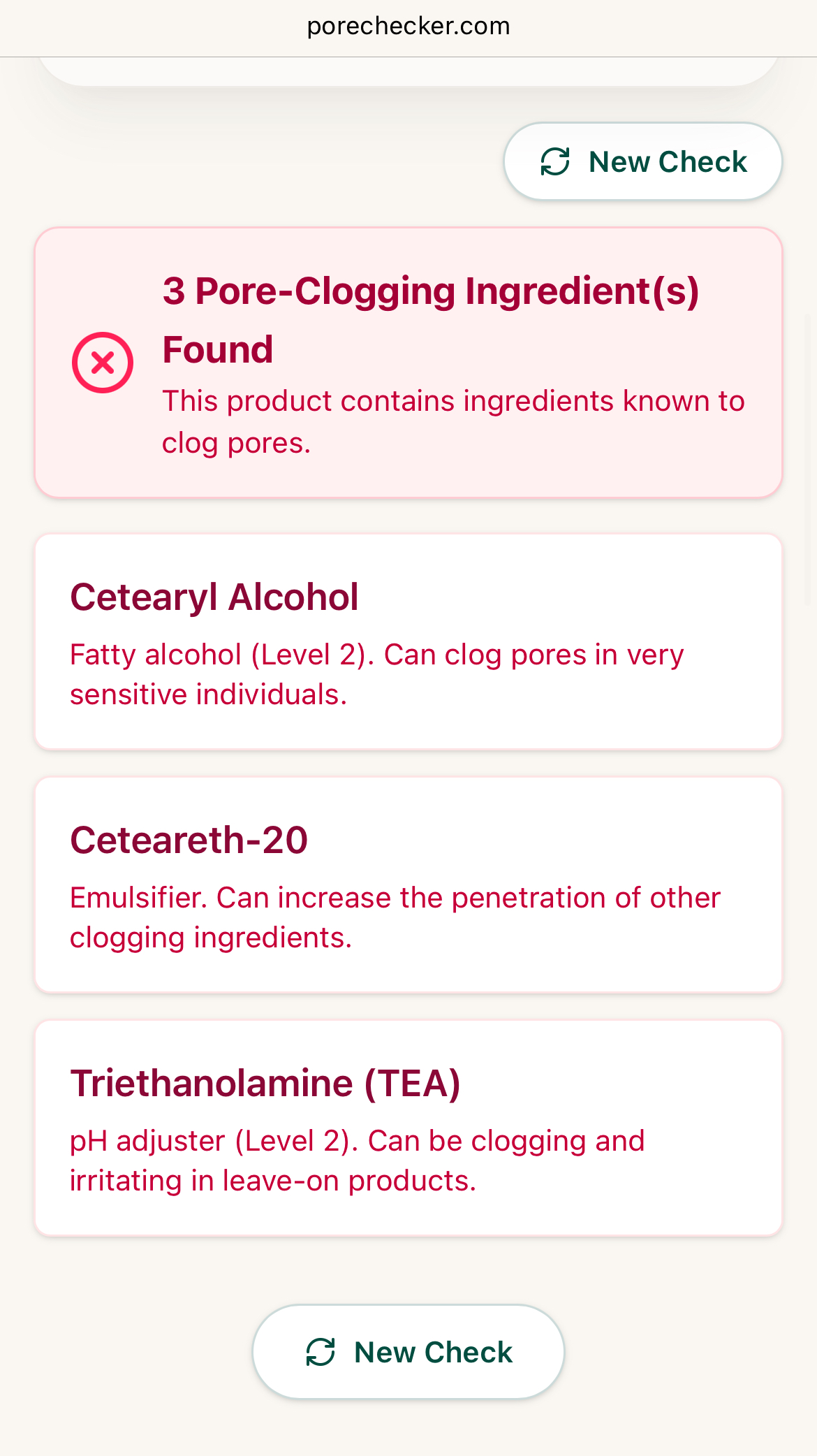
Step 3: Clear Results for Clearer Skin
You get an immediate breakdown. If any red-flag ingredients are found, we highlight them and explain why they might be problematic for your pores.
Does this product fit my skin's needs?
Check Your Products Now