Does Breast Milk Help Baby Acne? Separating Folk Wisdom from Dermatological Fact
Many parents ask: does breast milk help baby acne? Explore the science behind neonatal rashes and why gentle, non-comedogenic care is safer.

As a new parent, seeing tiny red bumps erupt on your newborn’s cheeks can feel alarming. It is a common instinct to search for the gentlest, most natural remedy available, which is why many caregivers find themselves wondering: does breast milk help baby acne? While breast milk is rightfully celebrated for its immune-boosting properties when ingested, applying it topically to a newborn’s delicate, developing skin barrier is a different matter entirely.
Baby acne, or neonatal cephalic pustulosis, typically appears in the first few weeks of life. It is often triggered by maternal hormones still circulating in the infant's system or the colonization of skin flora like Malassezia yeast. While anecdotal stories suggest that breast milk’s antibodies can soothe inflammation, there is no clinical evidence to suggest it effectively treats or cures acne. In fact, applying organic matter—even your own—can potentially introduce bacteria or create a nutrient-rich environment for yeast to proliferate, which may exacerbate the very irritation you are trying to calm.
The Truth About Newborn Skin Sensitivity
Newborn skin is significantly thinner and more permeable than adult skin. It lacks the robust acid mantle that protects us from environmental irritants, making it highly reactive to external substances. Because neonatal acne is largely a self-limiting condition—meaning it usually resolves on its own without intervention—the gold standard of dermatological care is patience coupled with gentle maintenance.
Why Less Is More
The most effective treatment for baby acne is simply warm water and a soft, clean cloth. Aggressive scrubbing or the application of home remedies like breast milk, oils, or heavy creams can clog small, underdeveloped pores. When pores become obstructed, they can trap sweat and sebum, turning a mild case of neonatal hormonal acne into an uncomfortable, localized infection. Always prioritize fragrance-free, hypoallergenic products that are specifically formulated for infant skin to maintain the integrity of their moisture barrier.
Don't Let Your Products Ruin Your Progress
Even when we avoid household remedies like breast milk, we often inadvertently introduce pore-clogging ingredients through the very lotions and soaps marketed as "gentle" or "baby-safe." Many seemingly innocent moisturizers contain hidden emulsifiers, fatty acids, or occlusives that can trigger congestion in a newborn’s sensitive follicles. Just as you have moved past the uncertainty of whether breast milk is a valid treatment, it is time to scrutinize the ingredient labels of the products you apply daily. Ensuring that every product in your nursery is truly non-comedogenic is the best way to support your baby’s skin health and prevent unnecessary irritation, making it essential to verify your skincare formulations before they touch your baby’s skin.
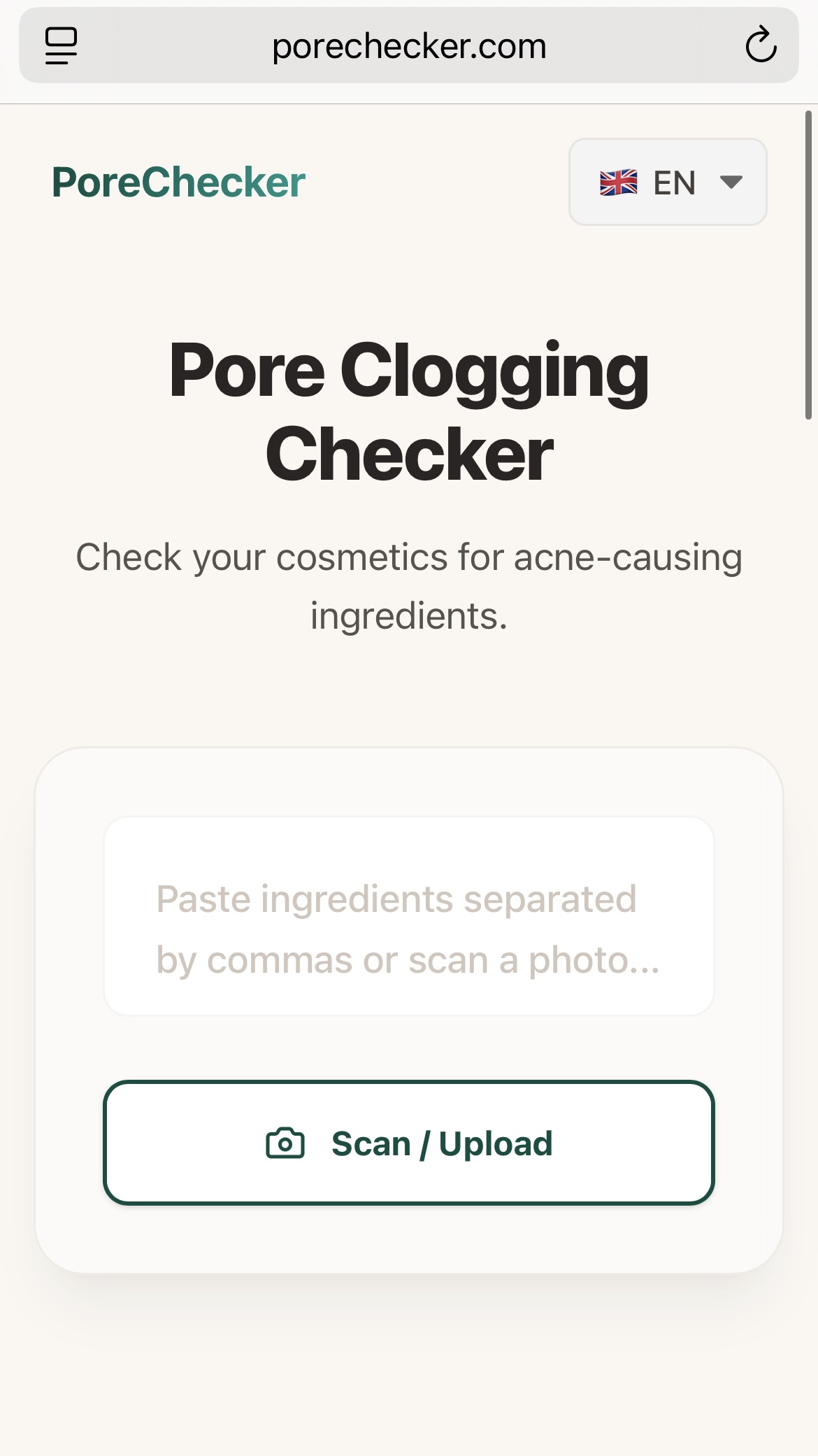
Step 1: Upload Your Product Image
Simply snap a photo of the ingredient list on the back of any bottle, jar, or box. No typing required.
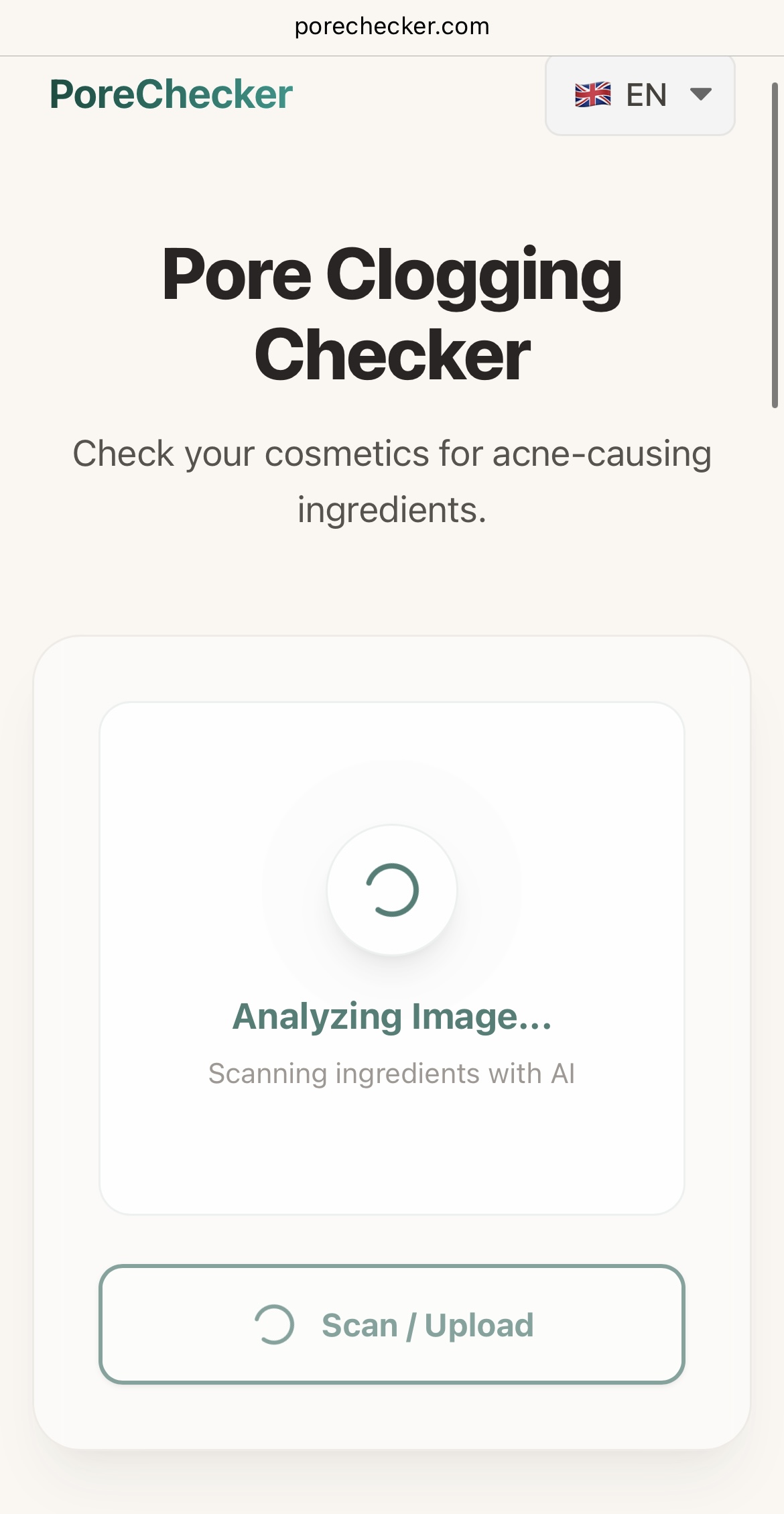
Step 2: Instant AI Ingredient Analysis
Our advanced AI scans the image, performs OCR (Optical Character Recognition), and matches every ingredient against our curated database of comedogenic substances.
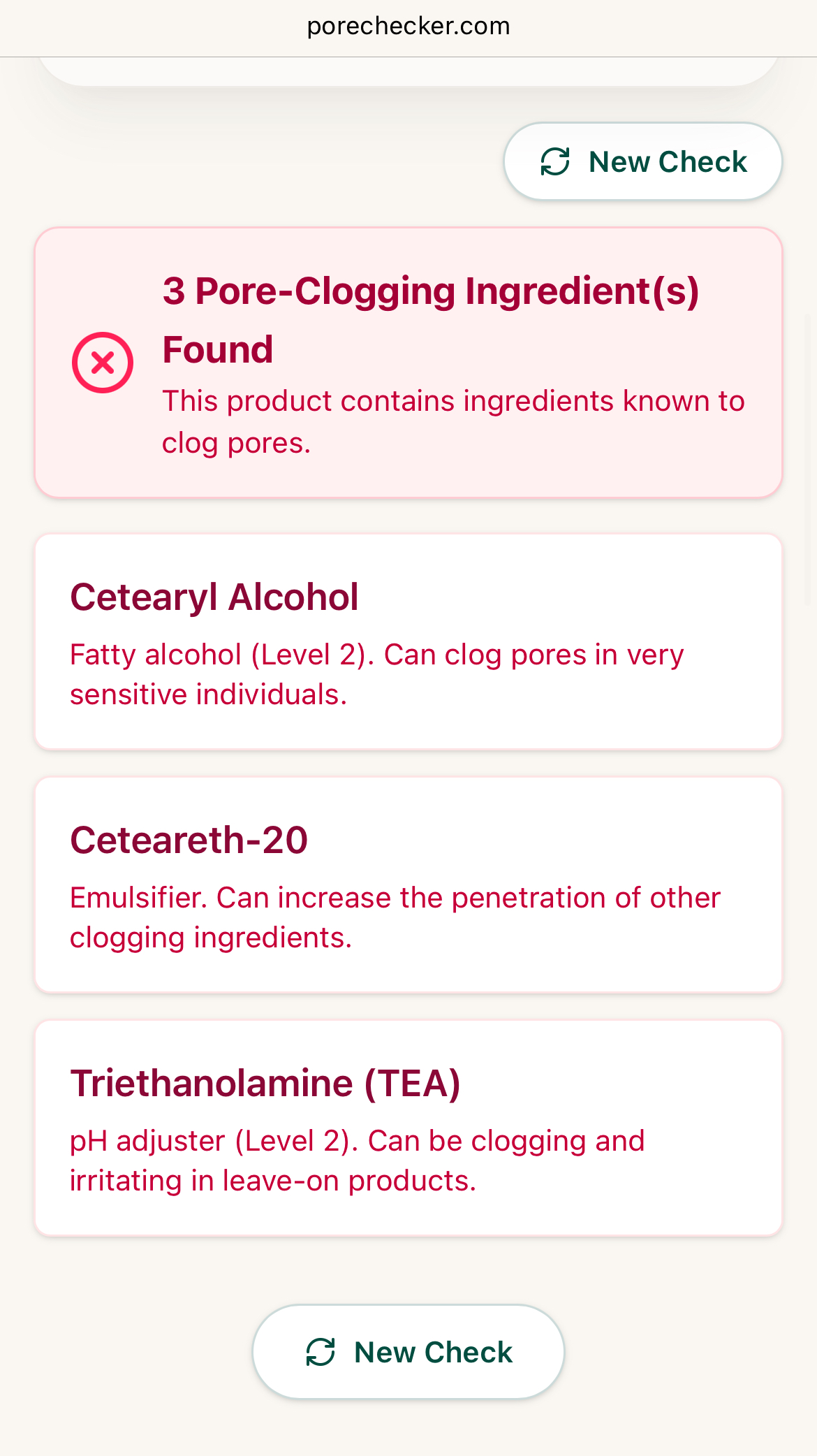
Step 3: Clear Results for Clearer Skin
You get an immediate breakdown. If any red-flag ingredients are found, we highlight them and explain why they might be problematic for your pores.
Does this product fit my skin's needs?
Check Your Products Now