Does Chocolate Cause Acne? Unraveling the Truth Behind Your Breakouts
Wondering if chocolate causes acne? A dermatologist explores the science, debunking myths & offering actionable tips for clear skin. Learn now!
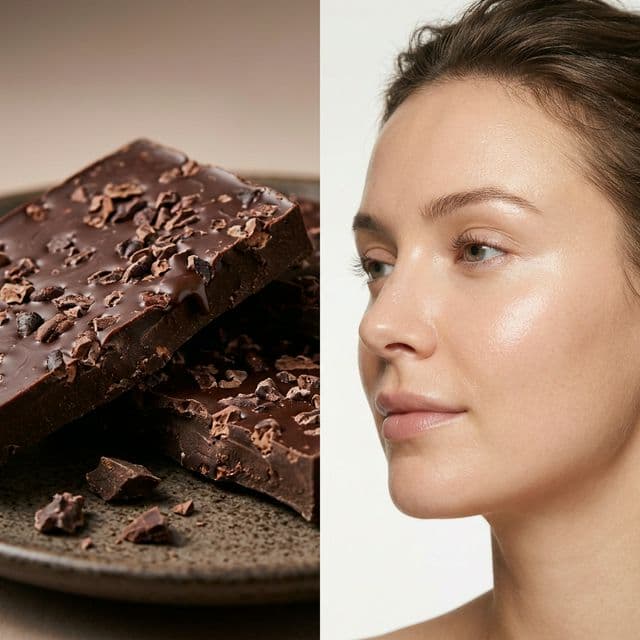
The question, "does chocolate cause acne?" is one that has plagued chocolate lovers and skincare enthusiasts alike for years. While the link between diet and skin health is complex, and the exact triggers vary from person to person, understanding the potential impact of chocolate on your complexion is a crucial step in your journey toward clear, healthy skin. This article dives deep into the science, separating fact from fiction, and providing you with actionable insights to manage your skin concerns.
It's important to remember that achieving clear skin is often a multifaceted endeavor. While food may play a role, your skincare routine itself is often the primary driver of both breakouts and clear skin. The focus should always be on a non-comedogenic approach, meaning using products specifically formulated to avoid clogging pores. Choosing the right cleanser, moisturizer, and other products is paramount in building a foundation for skin that is less prone to blemishes.
The Chocolate Conundrum: What the Research Says
For many years, chocolate, particularly the milk and sugary varieties, has been implicated as a culprit in acne. The prevailing belief was that the high sugar content would lead to increased insulin levels, which in turn might trigger a cascade of hormonal responses leading to increased sebum production and, consequently, breakouts. However, the scientific evidence isn't quite so clear-cut, and the relationship is more nuanced than a simple cause-and-effect scenario.
Sugar, Dairy, and Acne: Decoding the Ingredients
While pure dark chocolate, in moderation, might not be the direct cause of your blemishes, other ingredients often found in chocolate products might be. The sugar content, as mentioned before, could potentially contribute to acne indirectly. The dairy content (especially in milk chocolate) can also be problematic. Dairy products contain hormones and growth factors that might exacerbate acne in some individuals. Furthermore, the presence of added oils and fats in many chocolate bars, in addition to the sugar and dairy, can contribute to clogged pores and breakouts, particularly if your skin is prone to congestion.
Beyond Chocolate: Identifying the True Culprits
It's also essential to consider other factors that might be contributing to your acne. Stress, genetics, and your skincare routine all play significant roles. Additionally, even if chocolate itself isn't the primary trigger, a poor diet in general, high in processed foods and refined carbohydrates, can lead to systemic inflammation, which can indirectly worsen acne. Sometimes, it’s not the chocolate itself, but what else you might be consuming alongside it.
Practical Steps for Managing Breakouts
If you suspect chocolate is contributing to your acne, there are several steps you can take. Start by reducing your consumption of milk chocolate and other chocolate products high in sugar, dairy, and added fats. Observe how your skin reacts over a few weeks. Switch to dark chocolate with a higher cocoa content, as it generally contains less sugar and dairy. Ensure your skincare routine is consistent and incorporates gentle, non-comedogenic products. Look for ingredients like salicylic acid or benzoyl peroxide for spot treatments if necessary. Finally, drink plenty of water, manage stress levels, and prioritize a balanced diet rich in fruits, vegetables, and lean protein.
Understanding Non-Comedogenic Skincare
One of the most effective strategies for preventing and treating acne is using non-comedogenic skincare products. These products are specifically formulated to avoid clogging pores. When shopping, always read the labels and look for terms like "non-comedogenic," "oil-free," and "won't clog pores." Be wary of ingredients known to be pore-clogging, such as certain oils, waxes, and some thickeners. Consult with a dermatologist to determine the best skincare regimen for your specific skin type.
Don't Let Your Products Ruin Your Progress
Ultimately, understanding the potential impact of chocolate on your skin is just one piece of the puzzle. While you may adjust your dietary habits, the real power often lies in the products you apply directly to your face. Many skincare products, even those marketed as beneficial, can contain ingredients that can lead to clogged pores and inflammation. To truly unlock clear skin, you need to understand the ingredients in your skincare. Consider taking a deeper look at the products you're already using.
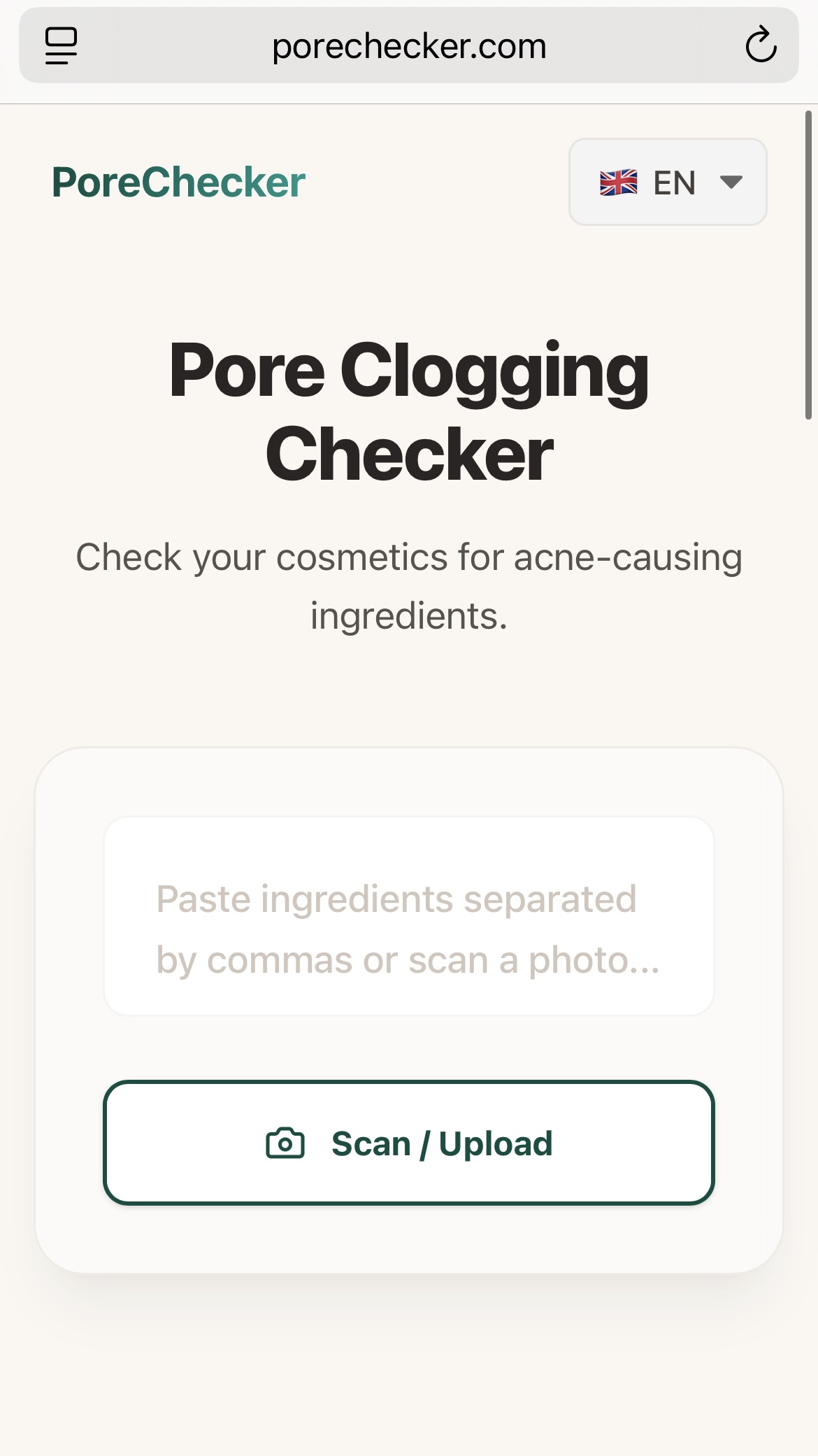
Step 1: Upload Your Product Image
Simply snap a photo of the ingredient list on the back of any bottle, jar, or box. No typing required.
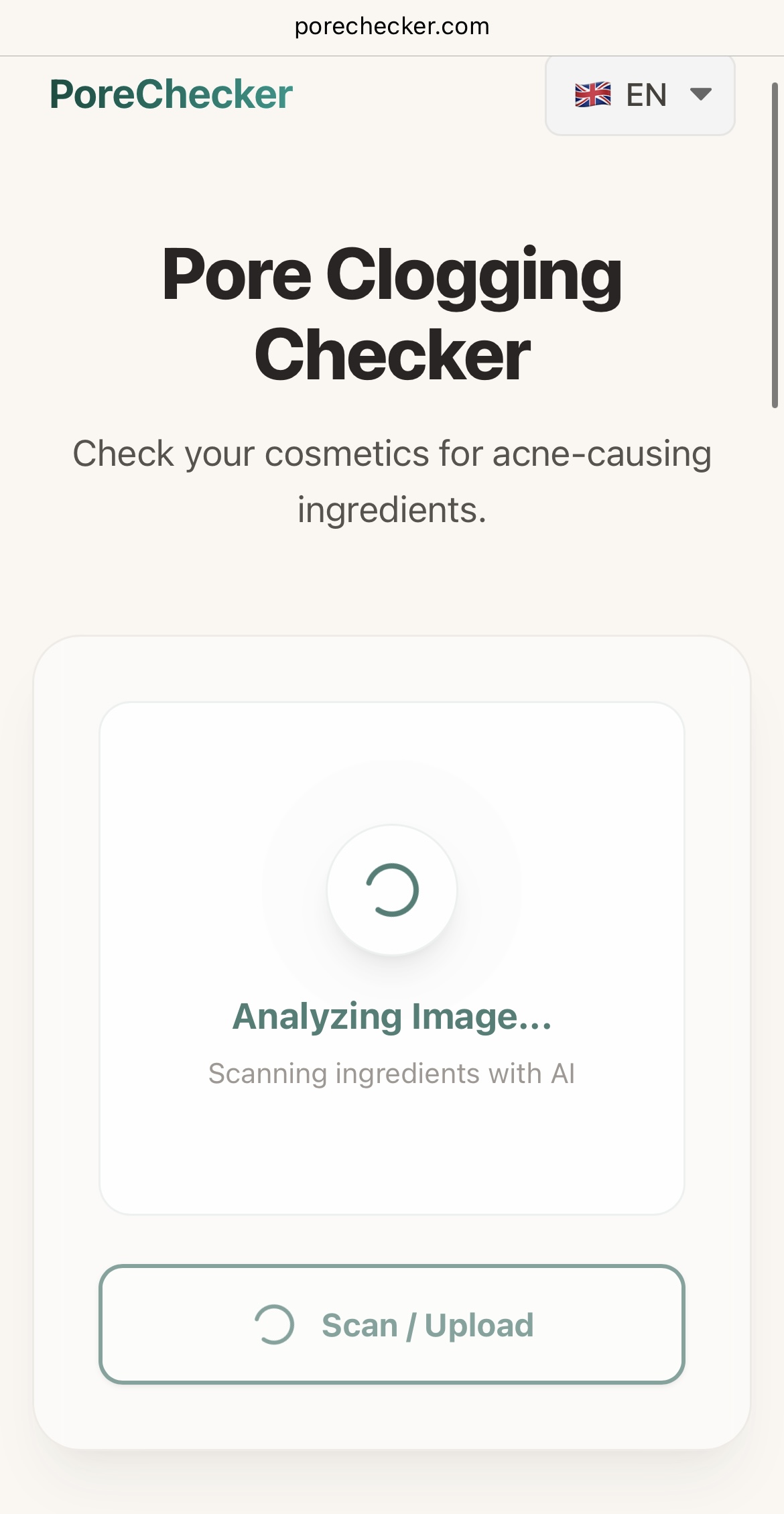
Step 2: Instant AI Ingredient Analysis
Our advanced AI scans the image, performs OCR (Optical Character Recognition), and matches every ingredient against our curated database of comedogenic substances.
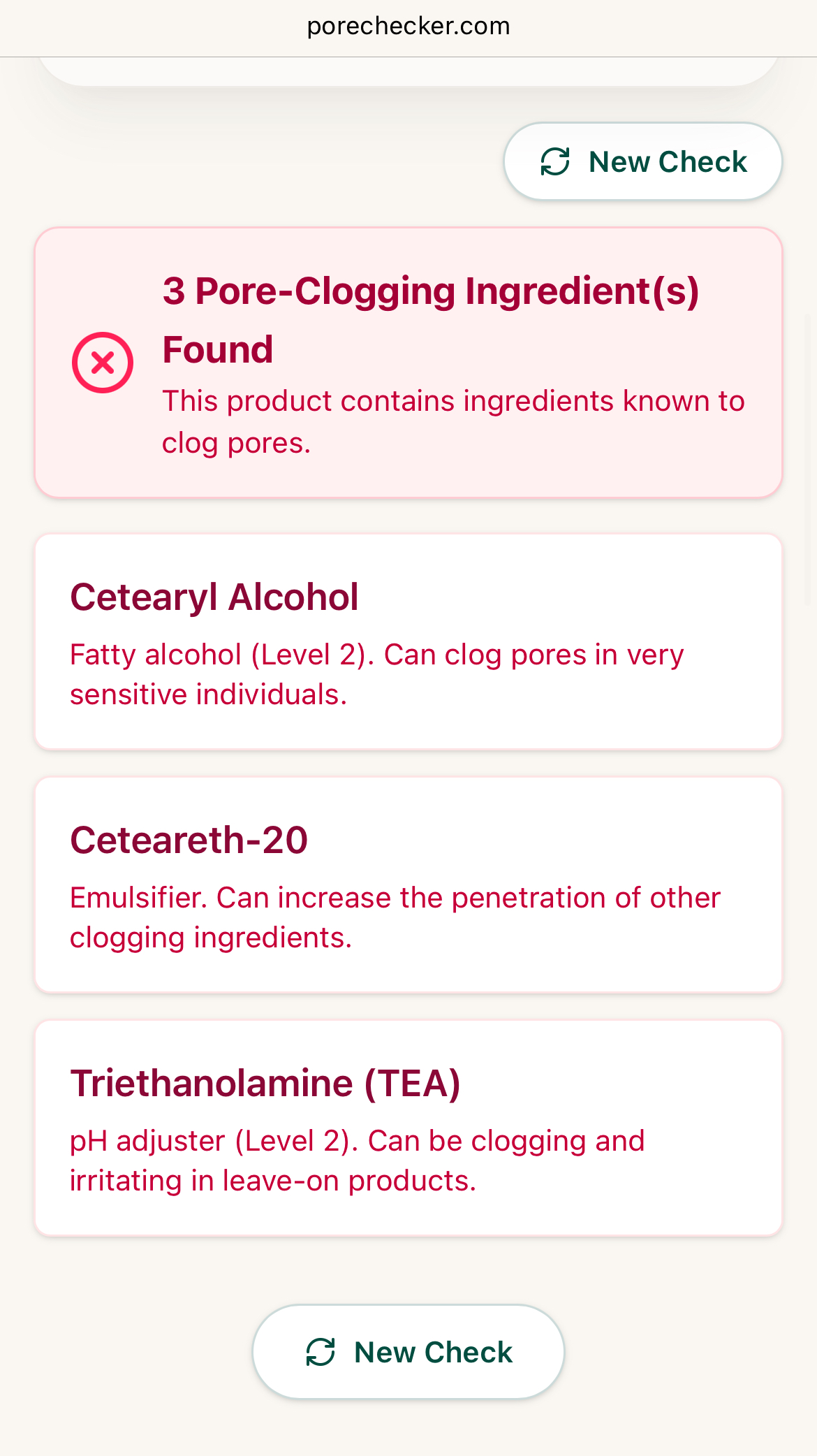
Step 3: Clear Results for Clearer Skin
You get an immediate breakdown. If any red-flag ingredients are found, we highlight them and explain why they might be problematic for your pores.
Does this product fit my skin's needs?
Check Your Products Now