Does Coffee Cause Acne? Unpacking the Link Between Your Latte and Your Skin
Discover if your coffee habit is linked to acne. Learn about diet, skin, and how to maintain clear skin. Explore non-comedogenic care tips.
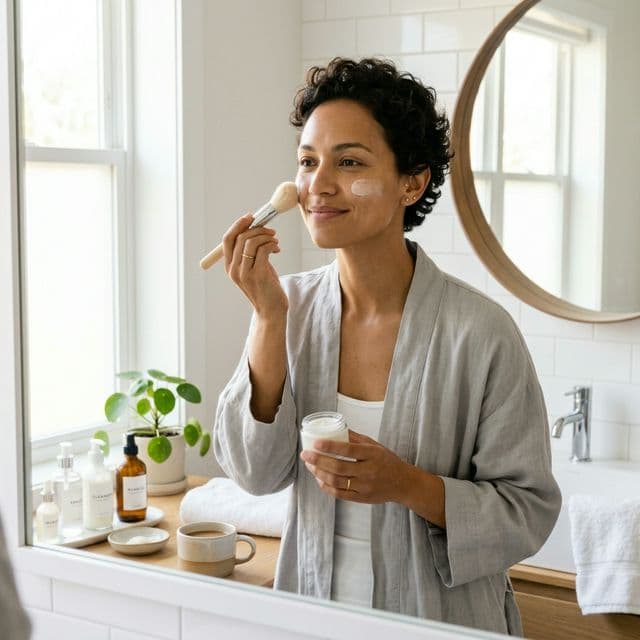
The quest for clear skin often involves a deep dive into our habits, and for many, that includes a daily cup of coffee. You might be wondering: does coffee cause acne? The answer isn't a simple yes or no. While coffee itself isn't a direct acne trigger, its effects on the body can indirectly impact skin health. Understanding this connection is key to managing breakouts and achieving a clearer complexion. A focus on non-comedogenic skincare is paramount, regardless of your coffee consumption.
As a dermatologist, I emphasize that what we ingest significantly influences our skin. We'll explore how coffee's effects on hormones, inflammation, and sleep can potentially contribute to acne. We'll examine the complexities of dietary influences on the skin, and provide actionable insights into maintaining a healthy, radiant glow while enjoying your morning ritual. Remember, a holistic approach combining dietary awareness with appropriate skincare is the cornerstone of effective acne management.
The Coffee Conundrum: Indirect Acne Triggers
Coffee, especially when consumed with added sugar and dairy, can initiate several bodily responses that may influence acne development. Let's delve into some key areas.
Hormonal Impacts: The Stress Connection
Coffee can elevate cortisol levels, our primary stress hormone. Chronic stress is linked to increased sebum production, the oily substance that can clog pores and lead to breakouts. Additionally, elevated cortisol can exacerbate existing inflammation, indirectly worsening acne. This connection makes managing stress levels critical for those prone to acne.
Sleep Disruption: A Sleepless Night for Your Skin
Coffee can disrupt sleep patterns, and lack of sleep hinders the skin's natural repair processes. During sleep, our skin cells regenerate and repair damage. Poor sleep can lead to increased inflammation and slower healing, potentially contributing to acne. Adequate rest is essential for skin health, and limiting caffeine intake, especially in the afternoon and evening, is a simple, effective step.
The Dairy Dilemma: Coffee Add-Ins and Acne
Many people add milk or cream to their coffee. Dairy consumption has been linked to increased acne in some individuals. Dairy products contain hormones and growth factors that can stimulate sebum production. Switching to non-dairy alternatives like almond or oat milk might be worth considering if you suspect dairy is contributing to your acne. Similarly, avoid excessive sugar, which also has a negative impact on the skin.
Navigating Your Coffee Habit and Clear Skin
You don't necessarily have to eliminate coffee entirely to improve your skin. The key is moderation, understanding your body's unique response, and focusing on a comprehensive skincare routine.
Assess Your Personal Tolerance
Pay close attention to how your skin reacts to coffee consumption. Keep a food and skin journal, documenting coffee intake and any corresponding flare-ups. This helps determine whether coffee is a contributing factor for you specifically.
Optimize Your Skincare Routine
A consistent skincare routine is essential. Focus on gentle, non-comedogenic products. Look for cleansers, moisturizers, and treatments that are specifically designed for acne-prone skin. Ingredients like salicylic acid, benzoyl peroxide, and retinoids can be helpful, but it's important to introduce them gradually and consult with a dermatologist.
Prioritize Overall Health
Support your skin by maintaining a healthy lifestyle. Ensure adequate sleep, manage stress through relaxation techniques, and consume a balanced diet rich in fruits, vegetables, and antioxidants. Hydration is also key; drinking plenty of water helps flush out toxins and keeps your skin hydrated from the inside out.
Don't Let Your Products Ruin Your Progress
While you manage your coffee intake and implement healthy lifestyle choices, be aware that even the most well-intentioned skincare routines can be undermined by the wrong products. Many cleansers, moisturizers, and even makeup items contain pore-clogging ingredients. Carefully scrutinizing product labels for potential comedogens is crucial. You'll find that many ingredients can worsen your acne, even if the product claims to be beneficial. This is where a little investigative work is vital. Fortunately, resources are available to help you identify potentially problematic ingredients before they have a chance to sabotage your efforts.
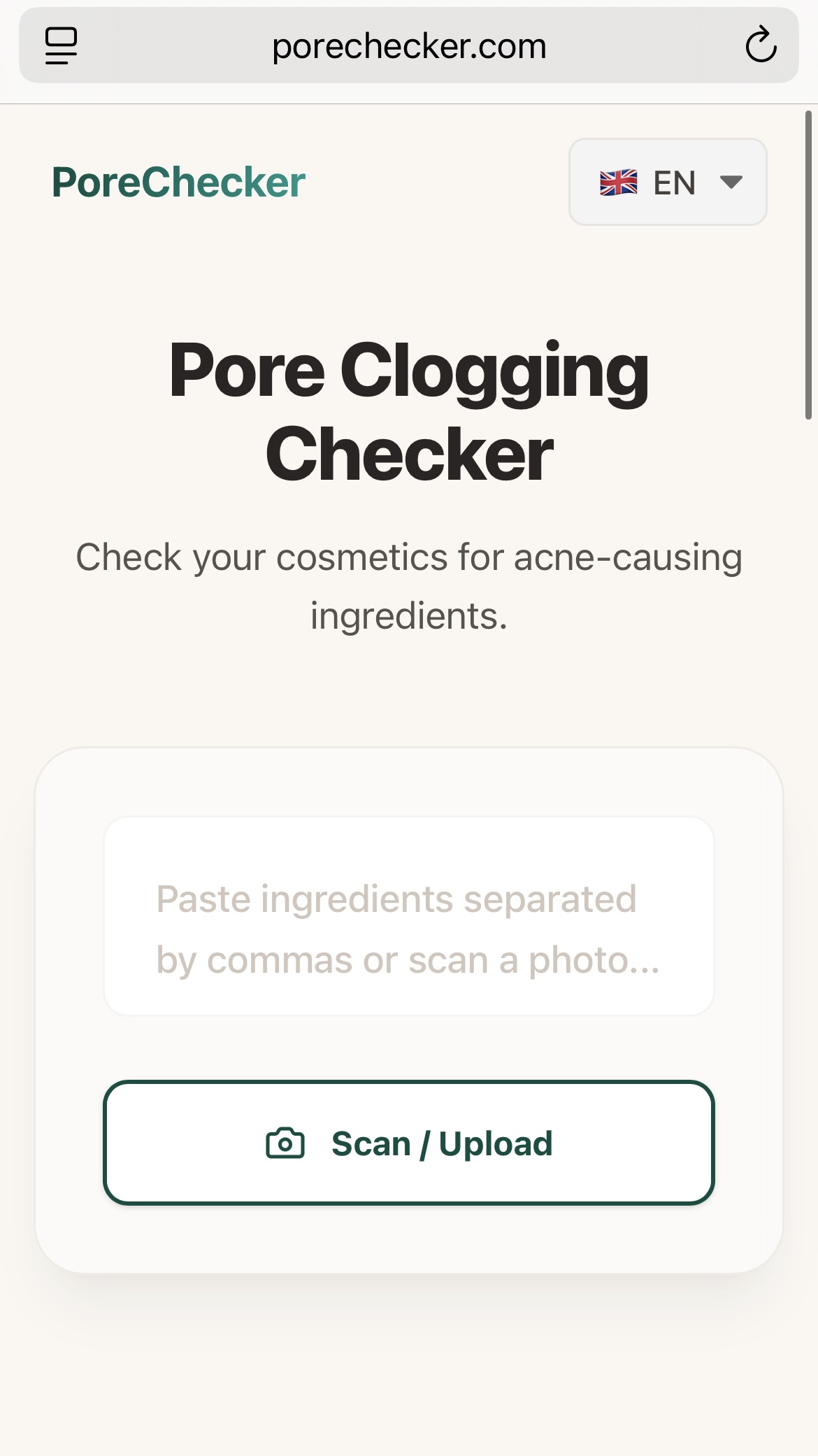
Step 1: Upload Your Product Image
Simply snap a photo of the ingredient list on the back of any bottle, jar, or box. No typing required.
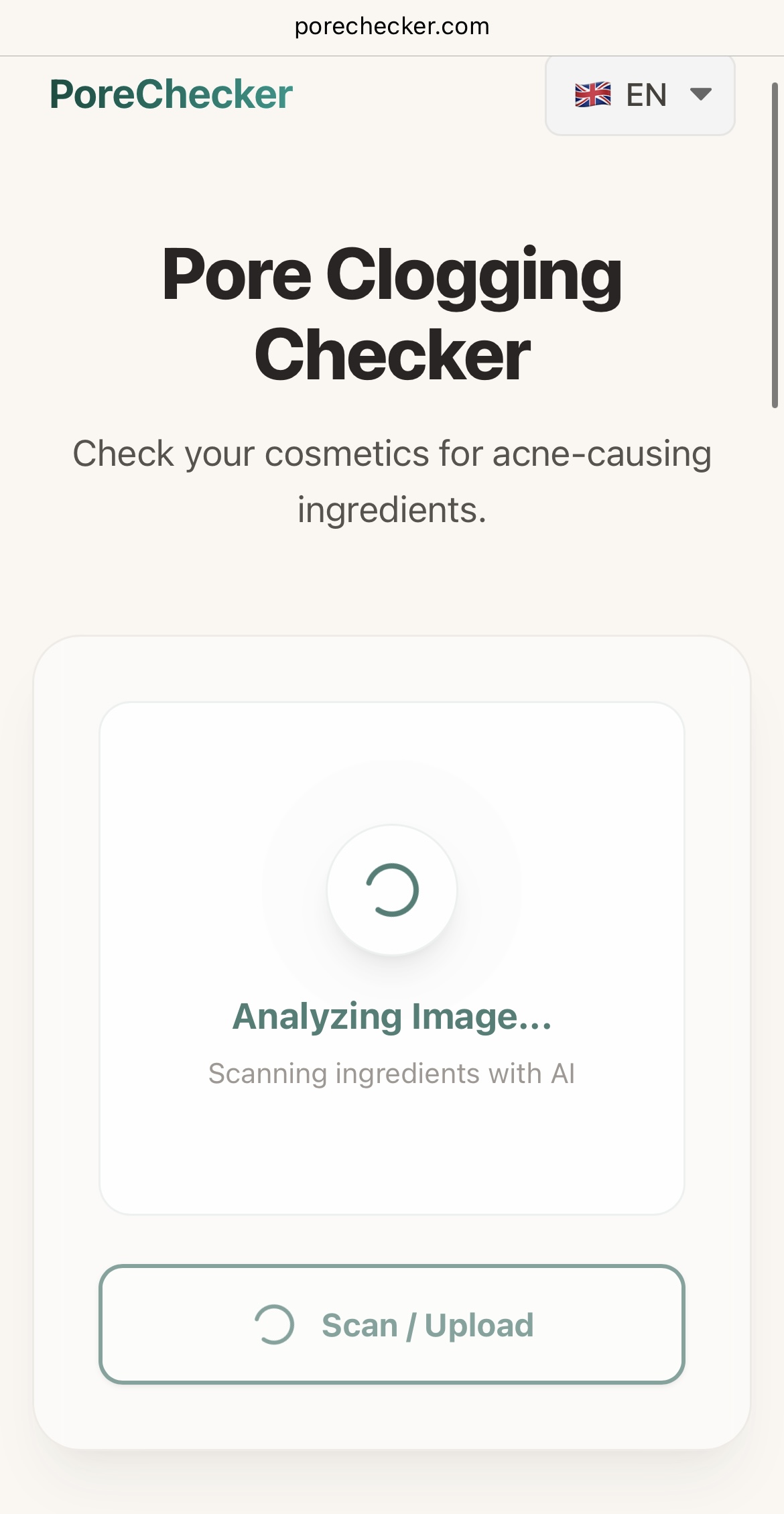
Step 2: Instant AI Ingredient Analysis
Our advanced AI scans the image, performs OCR (Optical Character Recognition), and matches every ingredient against our curated database of comedogenic substances.
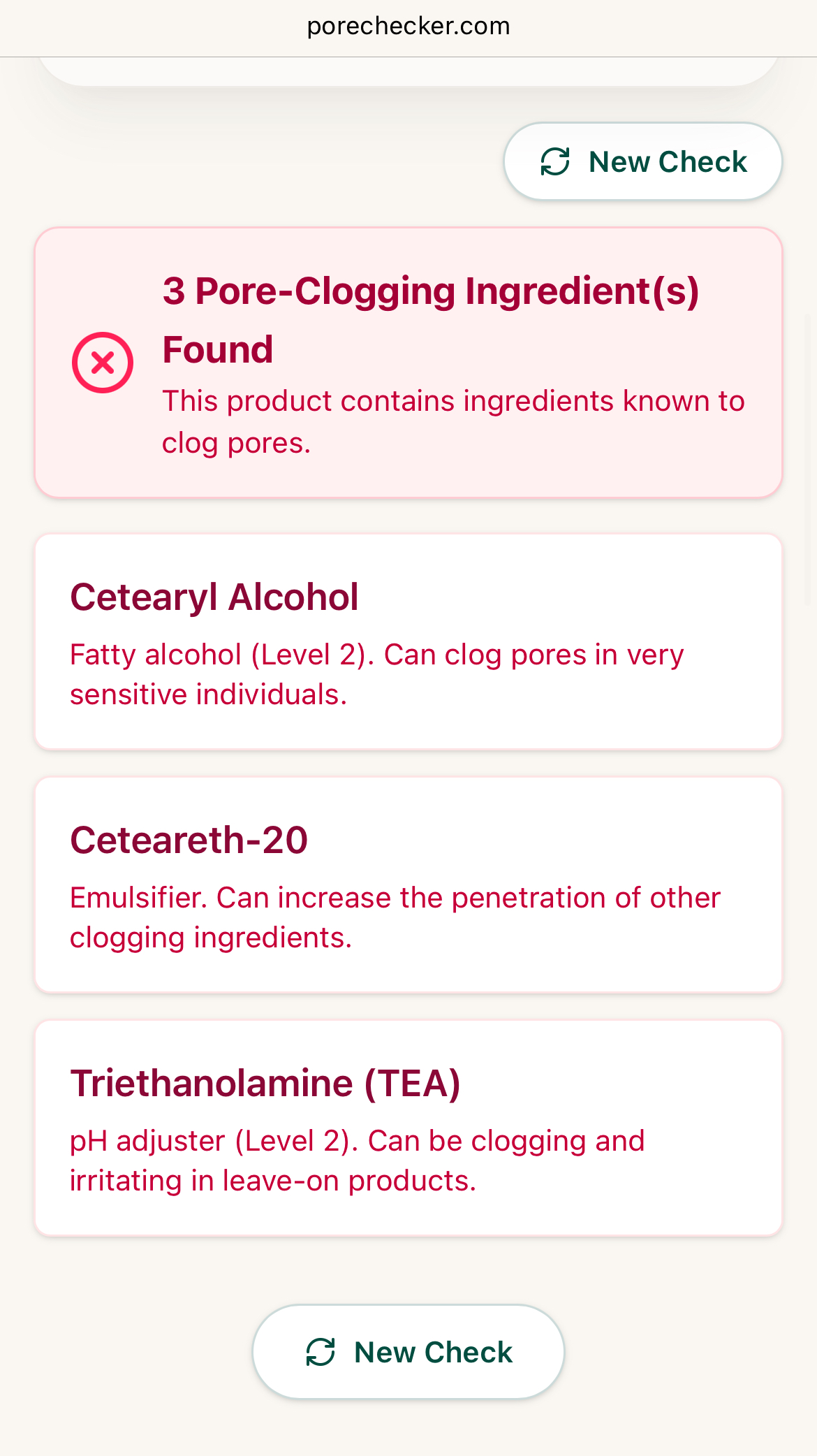
Step 3: Clear Results for Clearer Skin
You get an immediate breakdown. If any red-flag ingredients are found, we highlight them and explain why they might be problematic for your pores.
Does this product fit my skin's needs?
Check Your Products Now