Does Creatine Give You Pimples? Decoding the Acne-Creatine Link
Discover if creatine impacts your skin! Expert dermatologist explains the link between creatine & acne. Learn how to prevent breakouts.
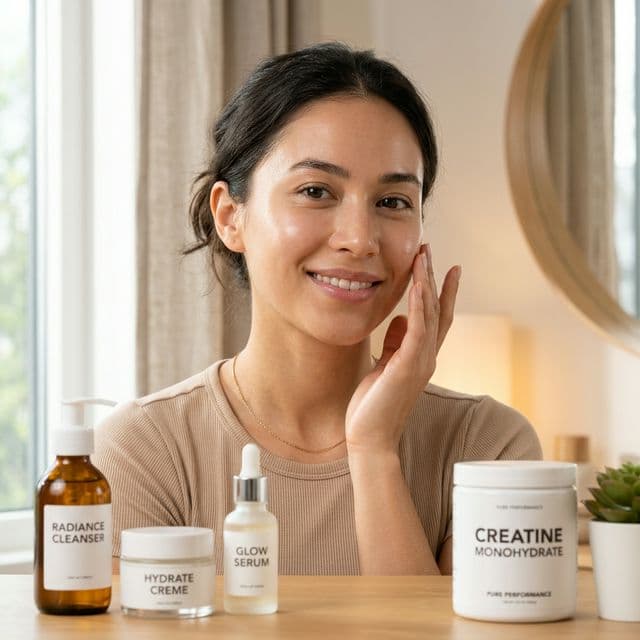
The pursuit of peak physical performance often goes hand-in-hand with a focus on appearance. It's a natural inclination! For those dedicated to fitness, supplements like creatine are a common addition to their routine. But if you’ve noticed a correlation between creatine intake and the appearance of acne, you’re not alone. We'll explore the complex relationship between creatine supplementation and its potential effects on the skin, and what you can do to keep your skin clear and healthy.
Maintaining a clear complexion requires a proactive, non-comedogenic approach to skincare. This means choosing products formulated to avoid clogging pores, and being mindful of internal factors that can influence breakouts. Understanding how supplements might interact with your skin's delicate balance is crucial, and it starts with asking the right questions. Let's delve into the science to see if creatine might be playing a role in your acne.
The Creatine Conundrum: Understanding the Basics
Creatine is a naturally occurring compound in the body, primarily stored in muscle tissue, where it helps provide energy during high-intensity exercise. Supplementing with creatine can increase muscle mass, strength, and power output. However, the exact mechanisms by which creatine might indirectly impact the skin are still being researched, and results can vary from person to person.
Creatine and Hormones: A Possible Link?
One potential indirect link between creatine and acne involves hormones. Some studies suggest creatine supplementation may slightly increase levels of dihydrotestosterone (DHT), a more potent form of testosterone. Elevated DHT can stimulate the sebaceous glands, leading to increased sebum production. Excess sebum, in turn, can contribute to clogged pores and the development of acne. It's essential to note that these hormonal fluctuations, if they occur at all, are often subtle, and not everyone will experience them.
Indirect Effects: Hydration and Skin Health
Another consideration is creatine's effect on hydration. Creatine draws water into muscle cells, which can, in theory, impact overall hydration levels. If you aren't adequately hydrating, your skin may suffer from reduced moisture and a compromised barrier function, potentially making it more susceptible to breakouts. It's crucial to stay well-hydrated, especially when taking creatine supplements, and ensure you're supporting your skin from both the inside and the outside.
Skincare Strategies: Safeguarding Your Skin
If you suspect creatine might be contributing to your acne, there are several steps you can take to mitigate potential effects. First, focus on establishing a consistent and gentle skincare routine. Use a non-comedogenic cleanser to remove impurities without stripping your skin of essential moisture. Incorporate a light, oil-free moisturizer to keep your skin hydrated.
Ingredients to Watch For
Beyond basic skincare, pay close attention to the ingredients in your products. Many seemingly innocuous ingredients can clog pores, worsening acne. Avoid products containing comedogenic oils (such as coconut oil and cocoa butter), heavy silicones, and certain alcohols. Look for products labeled "non-comedogenic" and "oil-free." Exfoliating regularly with gentle exfoliants can also help remove dead skin cells and prevent pore blockages. Remember to always patch-test new products before incorporating them fully into your routine.
Adjusting Your Creatine Routine
If you believe creatine is affecting your skin, consider adjusting your dosage or cycling your use. While many individuals can tolerate creatine without adverse effects on their skin, some may be more sensitive. You can also experiment with different forms of creatine, although evidence suggests any potential skin effects are unlikely to vary significantly between forms. The key is to listen to your body and observe how your skin reacts. Consulting with a dermatologist is always a good idea.
Don't Let Your Products Ruin Your Progress
Even if you take steps to address the internal factors that might influence breakouts, like adjusting your creatine use, it's vital to ensure your skincare routine itself isn't working against you. The wrong products, filled with pore-clogging ingredients, can easily sabotage all your hard work. Always read your product labels, and learn which ingredients are known culprits. By choosing the right formulations, you are actively supporting clear, healthy skin.
Step 1: Upload Your Product Image
Simply snap a photo of the ingredient list on the back of any bottle, jar, or box. No typing required.

Step 2: Instant AI Ingredient Analysis
Our advanced AI scans the image, performs OCR (Optical Character Recognition), and matches every ingredient against our curated database of comedogenic substances.

Step 3: Clear Results for Clearer Skin
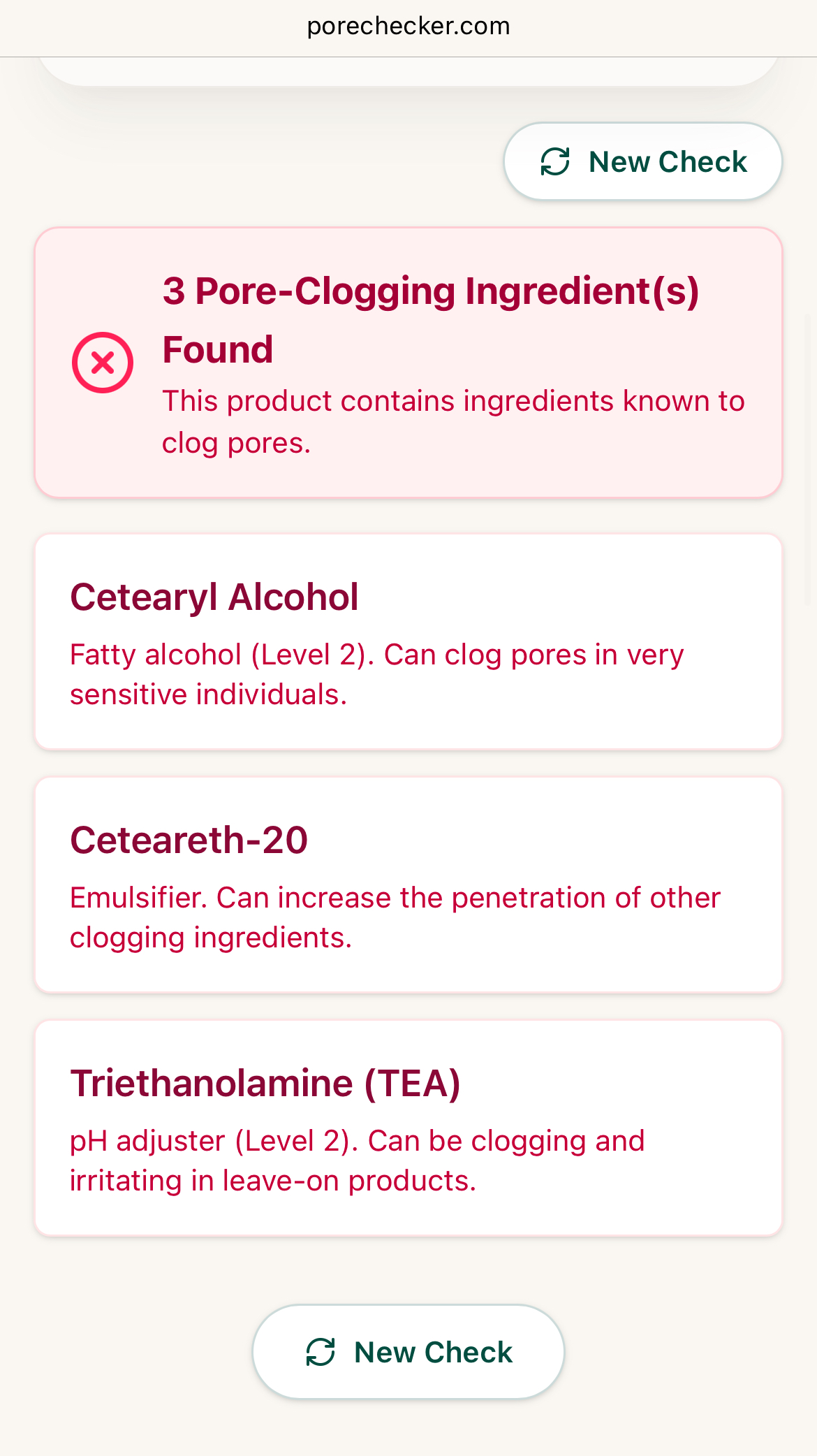
You get an immediate breakdown. If any red-flag ingredients are found, we highlight them and explain why they might be problematic for your pores.
Does this product fit my skin's needs?
Check Your Products Now