Does Dairy Cause Acne? Unraveling the Connection and Finding Your Clear Skin Path
Discover if dairy contributes to acne. Learn the science behind the connection and how to adjust your diet for clearer skin. Plus, find tips to identify pore-clogging ingredients.

The persistent struggle with acne can feel isolating, and the search for answers often leads to dietary considerations. One of the most common questions I hear from patients is, "Does dairy cause acne?" As a dermatologist and skincare scientist, I can tell you there's a growing body of evidence suggesting a link between dairy consumption and breakouts. While not a universal trigger, understanding this connection can be a crucial step in achieving clearer, healthier skin.
This article will explore the science behind this potential connection, examining the components of dairy that might contribute to acne. We'll also discuss practical strategies for assessing your own relationship with dairy and, importantly, emphasize the importance of non-comedogenic skincare practices to support your skin's health, regardless of your dietary choices.
The Dairy-Acne Link: What the Science Says
The relationship between dairy and acne isn't as simple as a direct cause-and-effect. However, several factors contribute to a possible link. Dairy products, particularly cow's milk, contain hormones and growth factors, like IGF-1 (Insulin-like Growth Factor 1), that can stimulate the production of sebum, the skin's natural oil. Excess sebum can clog pores, leading to the formation of acne. Additionally, the proteins found in dairy, such as casein and whey, can trigger inflammation in some individuals, further exacerbating acne.
Hormones and Growth Factors
The hormones present in cow's milk, even in organic or hormone-free varieties, can play a role. These hormones, designed to promote calf growth, can, in some people, overstimulate the oil glands in their skin, causing them to produce excess sebum. This overproduction is a key factor in the development of acne.
Inflammation and Immune Response
Some individuals experience inflammation as a response to dairy. This inflammation can weaken the skin's barrier function, making it more susceptible to acne-causing bacteria. Furthermore, the immune system's response to dairy proteins can also contribute to inflammation throughout the body, including the skin. Lactose intolerance or sensitivities to dairy can heighten this inflammatory response.
Navigating Your Diet for Clearer Skin
If you suspect dairy might be impacting your skin, a trial-and-error approach can be helpful. Consider eliminating dairy from your diet for a period of several weeks and observe any changes in your skin's condition. Be mindful that it might take time to see noticeable results. During this time, carefully monitor your overall diet. Focus on whole, unprocessed foods, plenty of water, and consider incorporating foods rich in antioxidants and omega-3 fatty acids, which can support skin health. If you are sensitive to dairy, you may find that simply reducing the amount you consume can reduce breakouts.
Dairy Alternatives and Nutritional Considerations
When eliminating or reducing dairy, it's essential to ensure you're still meeting your nutritional needs. Explore plant-based alternatives like almond milk, soy milk, oat milk, or cashew milk. Be sure to check labels for added sugars or other ingredients that could potentially trigger breakouts. Focus on consuming these in moderation. Consider consulting a registered dietitian or nutritionist to help develop a balanced eating plan that supports your skin and overall health. They can provide personalized guidance tailored to your individual dietary needs and help you prevent any nutritional deficiencies.
Don't Let Your Products Ruin Your Progress
While dietary adjustments can play a significant role in improving your skin's clarity, it's vital to address the products you apply topically. Sometimes, seemingly innocuous skincare formulations can contain ingredients that exacerbate breakouts. Even if you've made significant strides in modifying your diet to reduce acne triggers like dairy, using products with pore-clogging ingredients can undermine your progress. Pay close attention to the ingredients listed on your cleansers, moisturizers, and makeup. Look out for comedogenic ingredients like certain oils and thickeners. The goal is to ensure your skincare routine complements your dietary choices, fostering a holistic approach to clearer, healthier skin. A great next step is to use an ingredient checker tool.
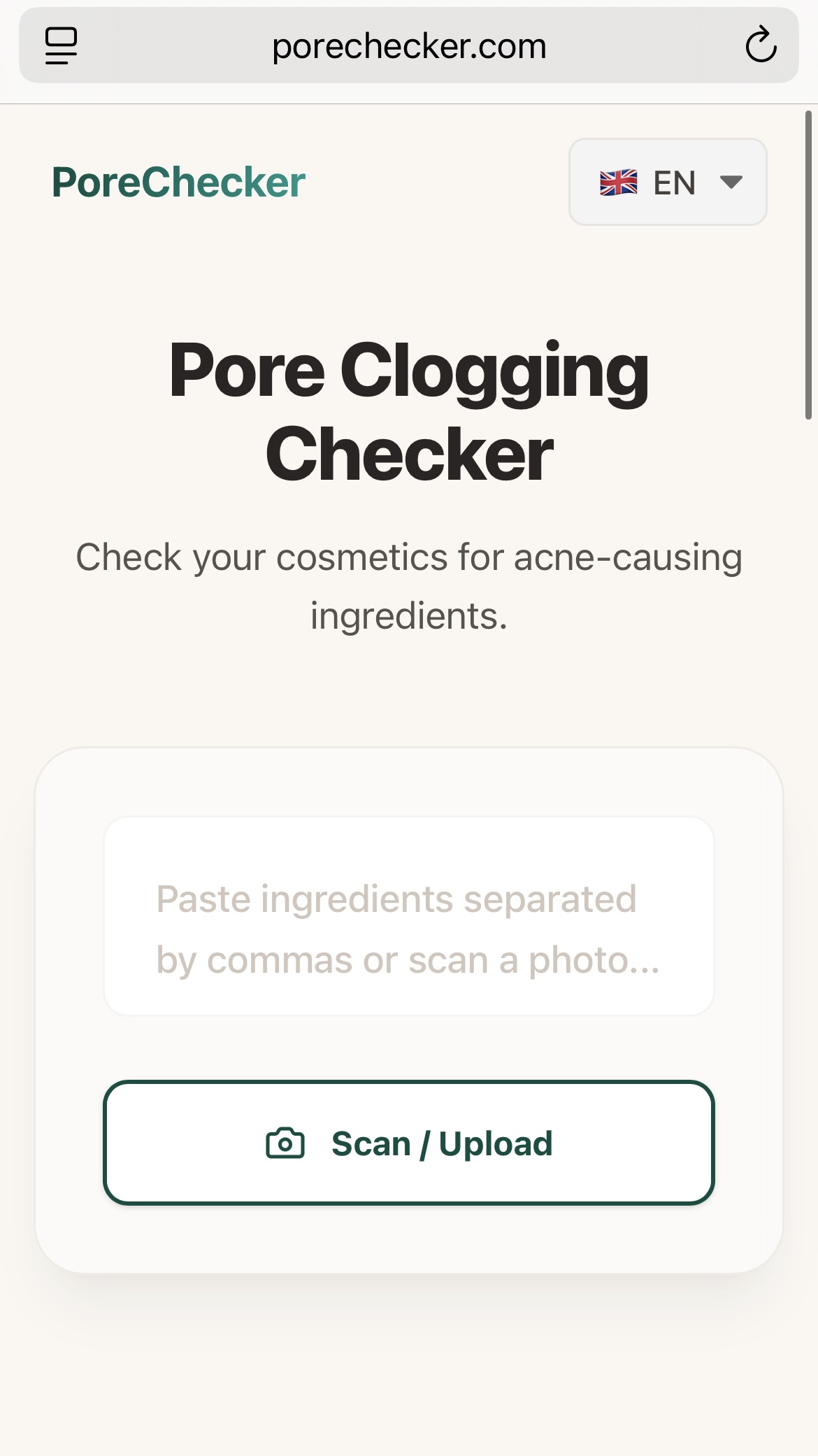
Step 1: Upload Your Product Image
Simply snap a photo of the ingredient list on the back of any bottle, jar, or box. No typing required.
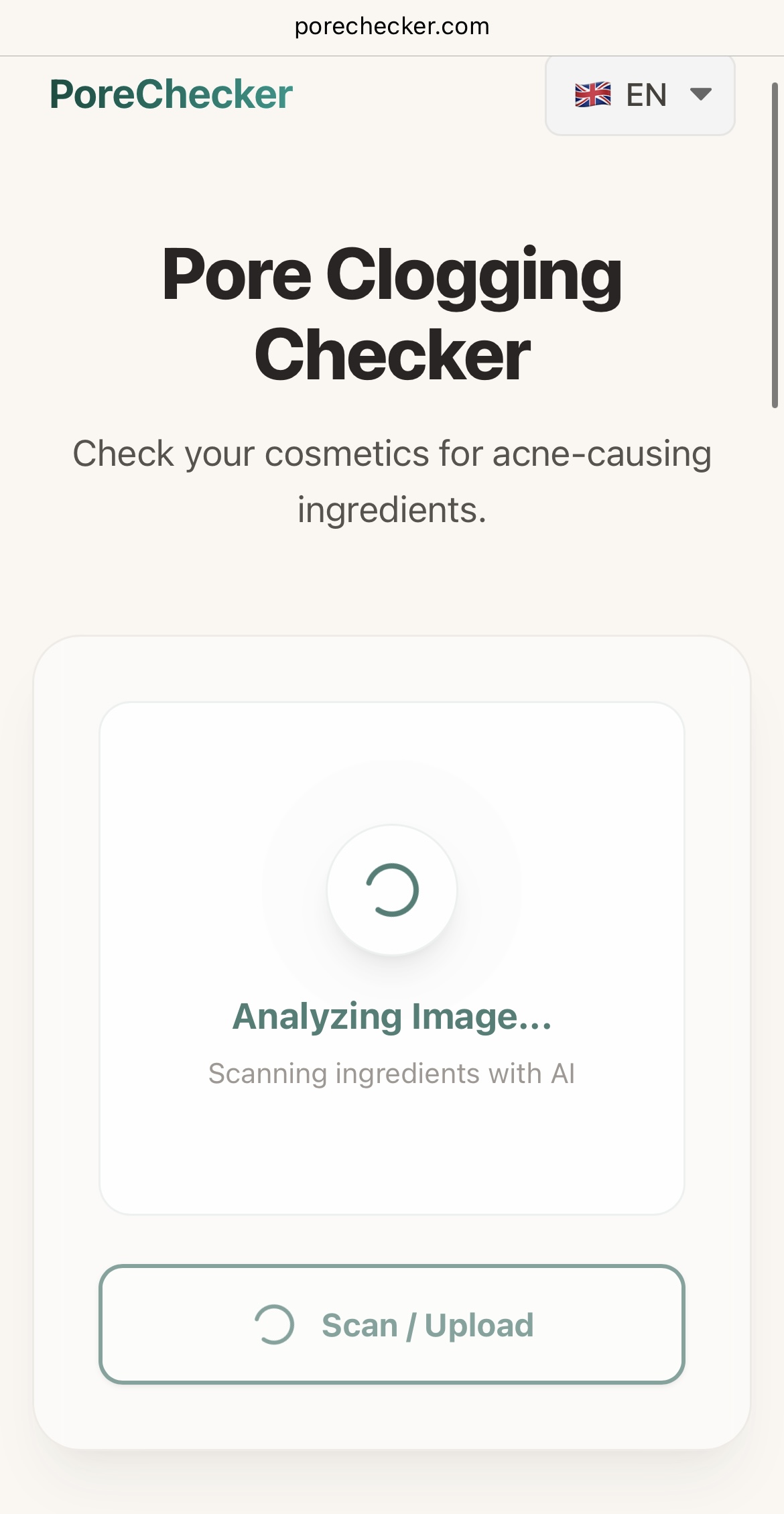
Step 2: Instant AI Ingredient Analysis
Our advanced AI scans the image, performs OCR (Optical Character Recognition), and matches every ingredient against our curated database of comedogenic substances.
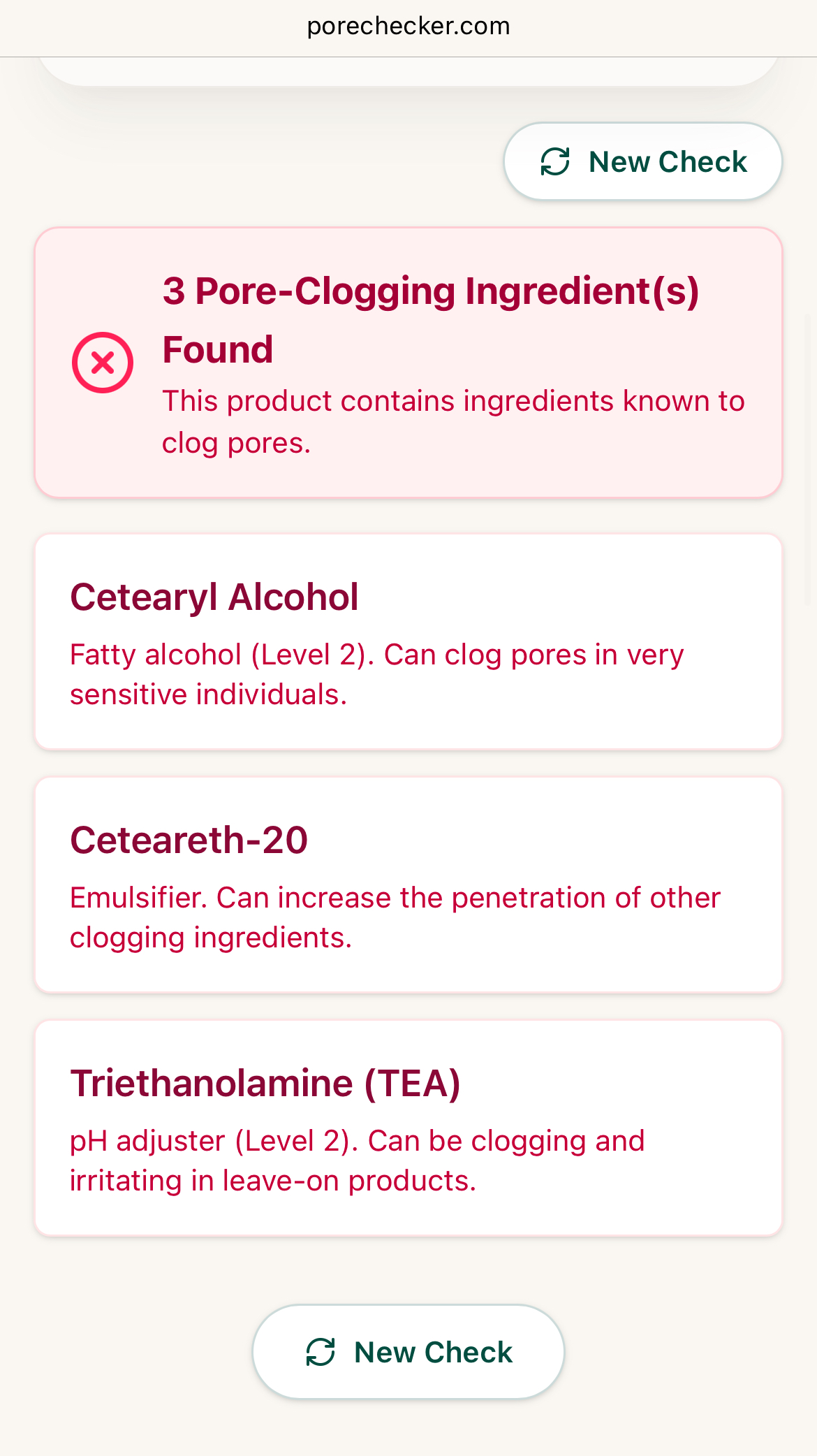
Step 3: Clear Results for Clearer Skin
You get an immediate breakdown. If any red-flag ingredients are found, we highlight them and explain why they might be problematic for your pores.
Does this product fit my skin's needs?
Check Your Products Now