Does Drinking Water Help Acne? The Science Behind Hydration and Your Skin
Is your water bottle the secret to clearer skin? We analyze the science behind hydration and acne to separate myths from reality.

We have all heard the advice: if you want to clear your complexion, just drink more water. It is a pervasive piece of wellness lore that suggests internal hydration is the master key to banishing breakouts. While staying hydrated is fundamental to your physiological health, skin biology is significantly more complex than a simple input-output model. To understand if your daily water intake is actually impacting your flare-ups, we need to look at the biology of the skin barrier and the actual triggers of acne.
Hydration is essential for optimal cellular function, but it is rarely the sole solution for inflammatory acne. Acne is a multifactorial condition involving hormonal fluctuations, excess sebum production, follicular hyperkeratinization, and the proliferation of C. acnes bacteria. While dehydration can make the skin appear dull and potentially compromise the acid mantle, it is rarely the direct driver of a breakout. Relying solely on water intake while neglecting a proper non-comedogenic skincare routine is a strategy that often misses the mark.
The Link Between Internal Hydration and Skin Physiology
When you consume water, your body prioritizes vital organs long before it allocates that moisture to the epidermis. By the time you feel thirsty, your body is already signaling a need for fluid, but your skin is often the last recipient in line. For individuals with acne-prone skin, the focus should remain on maintaining the skin barrier's integrity through topical applications. Topical hydration, specifically via humectants like hyaluronic acid and glycerin, is far more effective at keeping the stratum corneum healthy than excessive water consumption alone.
When Hydration Actually Impacts Acne
There is a nuanced way in which fluid intake matters: it prevents the over-consumption of dehydrating, high-glycemic beverages. If you are swapping soda, sugary juices, or excessive dairy-laden lattes for water, you are indirectly reducing the glycemic load on your body. High-glycemic diets are clinically linked to increased insulin spikes, which in turn stimulate oil production and inflammation. In this specific scenario, the choice to drink water is beneficial, not because of the water itself, but because of what it replaces in your diet.
Understanding Your Barrier
Over-cleansing or using harsh astringents in an attempt to "dry out" acne often leads to transepidermal water loss. When the skin is stripped of its lipids, it perceives a crisis and may overcompensate by producing even more oil, creating a cycle that is difficult to break. True acne management requires balancing internal wellness with a gentle, non-comedogenic approach that preserves the skin's natural moisture levels rather than stripping them away.
Don't Let Your Products Ruin Your Progress
While you are diligently focusing on your internal health and hydration, you might be accidentally undoing your hard work with the very products you apply to your face. Many skincare formulations contain hidden pore-clogging ingredients—such as certain fatty acids, esters, or botanical oils—that can trigger micro-comedones even if you are drinking your eight glasses of water a day. If your breakouts persist despite a healthy lifestyle, it is time to audit your bathroom cabinet. You should run your current product ingredient lists through a professional pore-clogging checker to ensure that your path to clear skin isn't being obstructed by the ingredients in your favorite moisturizer or serum.
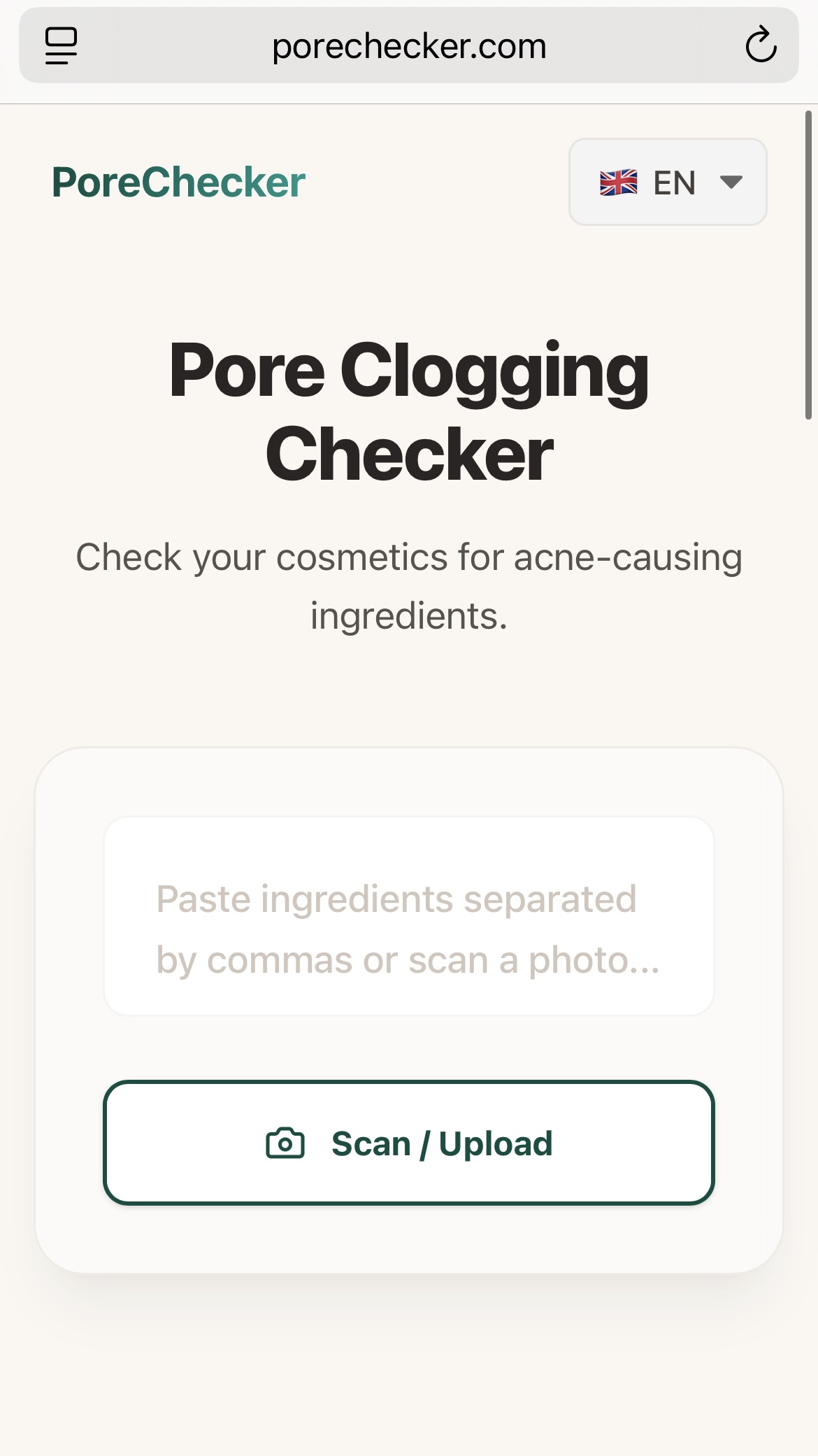
Step 1: Upload Your Product Image
Simply snap a photo of the ingredient list on the back of any bottle, jar, or box. No typing required.
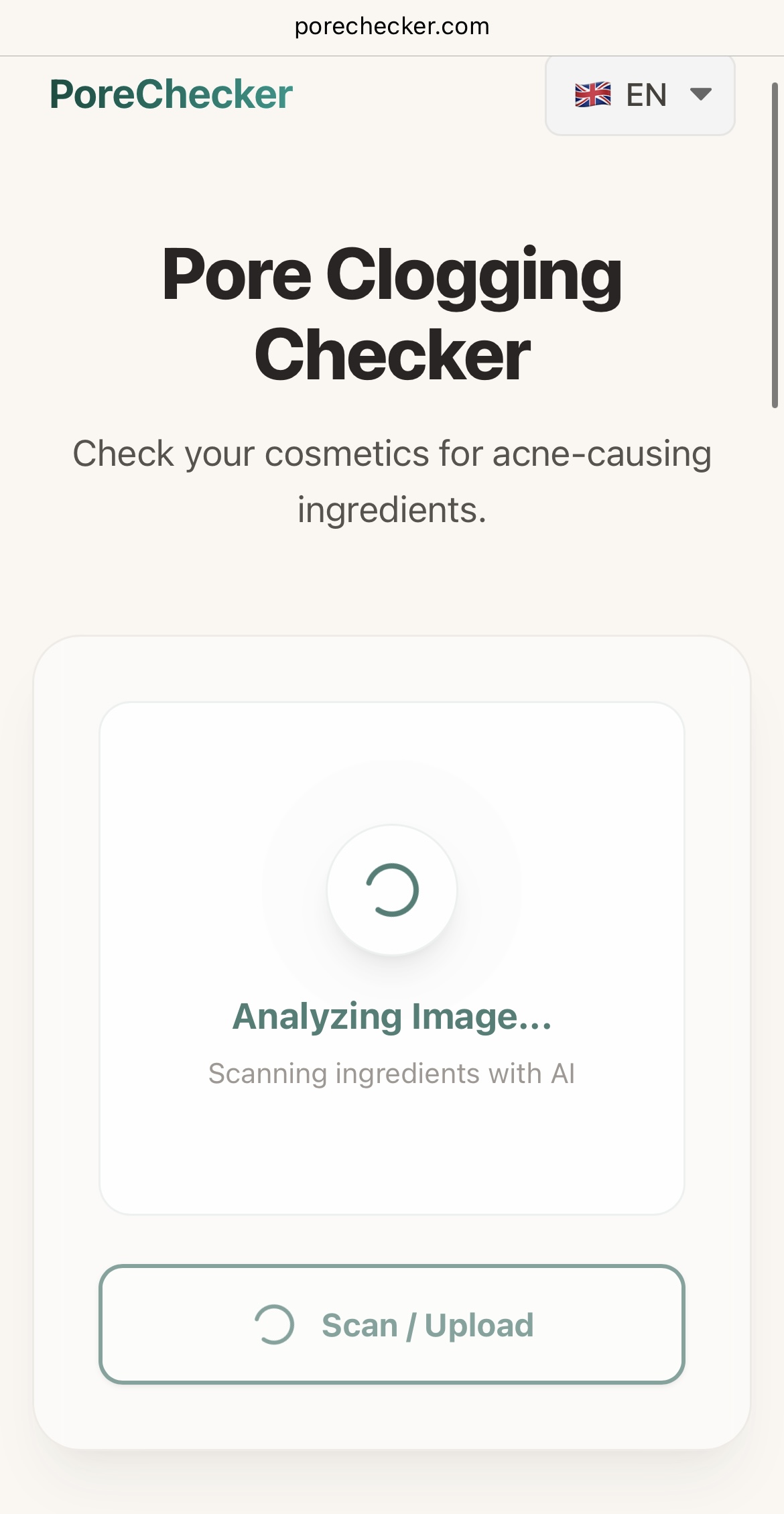
Step 2: Instant AI Ingredient Analysis
Our advanced AI scans the image, performs OCR (Optical Character Recognition), and matches every ingredient against our curated database of comedogenic substances.
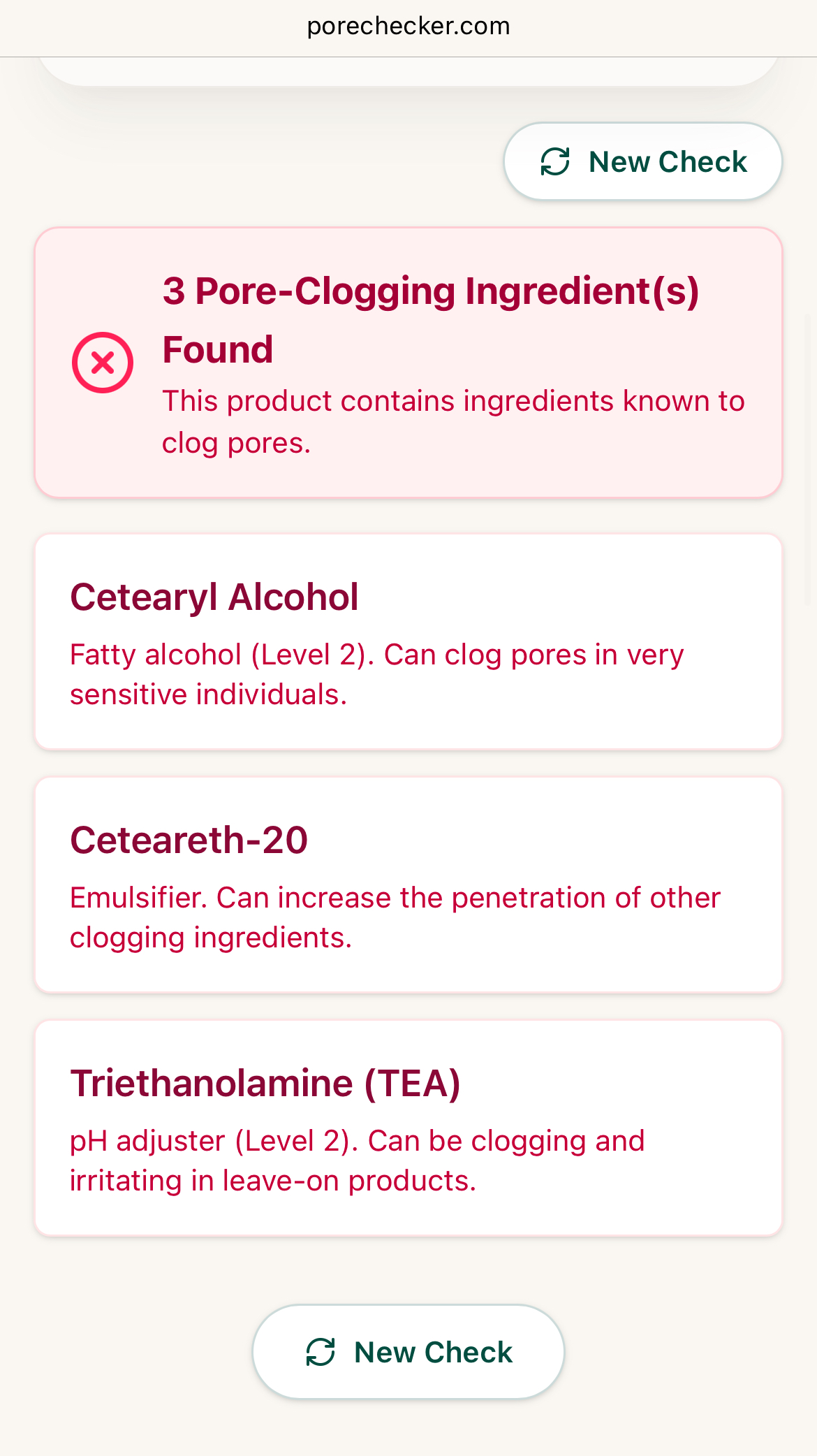
Step 3: Clear Results for Clearer Skin
You get an immediate breakdown. If any red-flag ingredients are found, we highlight them and explain why they might be problematic for your pores.
Does this product fit my skin's needs?
Check Your Products Now