Does Exfoliating Help With Acne? The Science of Clearer Pores
Learn if exfoliation is the right move for your acne-prone skin. Discover the science behind pore health and avoiding pore-cloggers.
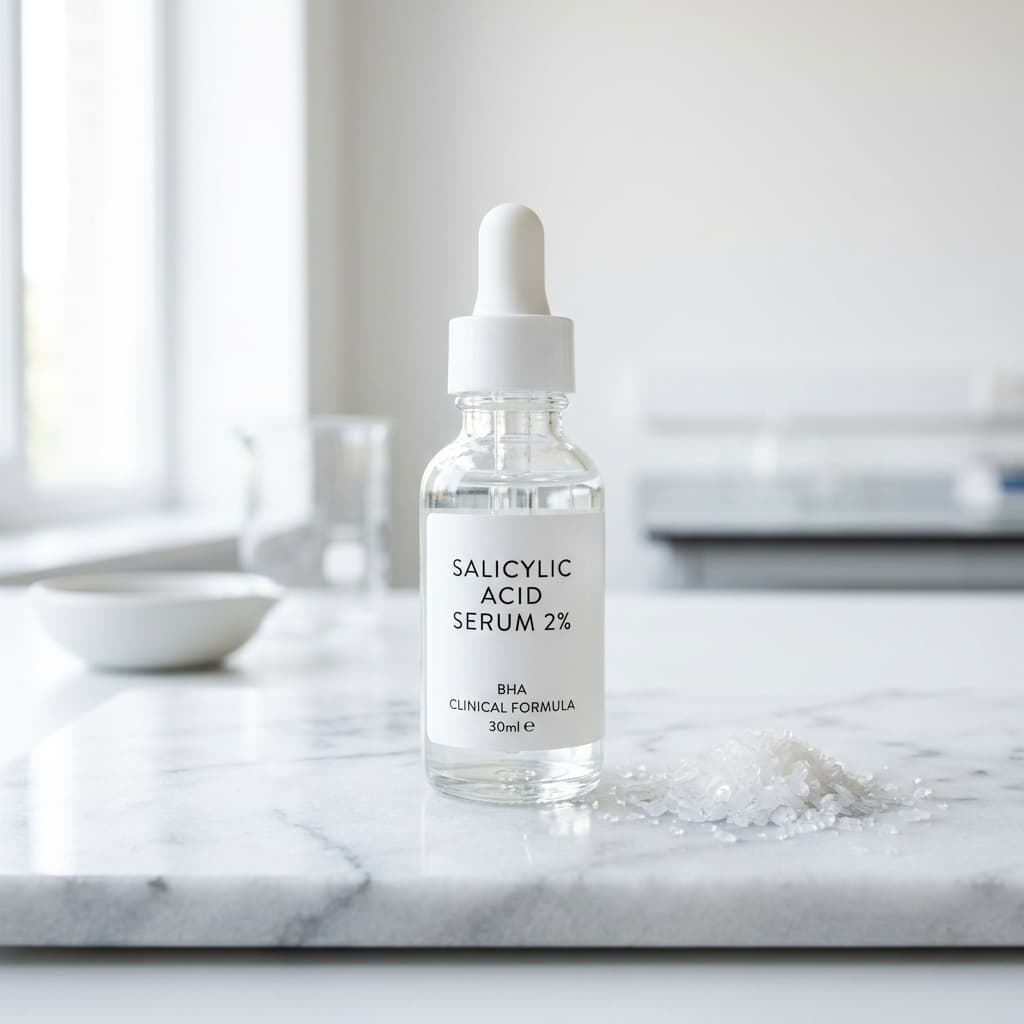
Acne is rarely a simple issue of poor hygiene; it is a complex physiological interaction between sebum production, cell turnover, and bacterial colonization. Many people struggling with persistent breakouts find themselves trapped in a cycle of harsh scrubbing, hoping that manual abrasion will clear the path to smooth skin. However, the question of whether exfoliating helps with acne requires a nuanced understanding of your skin's barrier function and the specific chemistry of your breakout triggers.
When done correctly, exfoliation serves as a vital tool to prevent the accumulation of dead skin cells that glue themselves to the lining of the follicle. By promoting regular shedding, we can prevent the initial stage of acne known as the microcomedone. The key is prioritizing non-comedogenic practices that respect your moisture barrier while effectively managing cellular debris.
The Chemistry of Effective Exfoliation
Not all exfoliation is created equal. Physical scrubs, often involving crushed nut shells or jagged beads, can cause micro-tears in the skin, leading to inflammation and compromised barrier health. When the skin barrier is damaged, it becomes more susceptible to the bacteria responsible for acne, such as C. acnes. Instead, dermatologists prioritize chemical exfoliants, specifically Beta Hydroxy Acids (BHAs) like salicylic acid, which are oil-soluble.
Why BHAs Lead the Way
Salicylic acid excels at penetrating deep into the lipid layers of the pore. Because it is lipophilic, it dissolves the sebum and cellular "gunk" that blocks the follicle. Unlike scrubs that only touch the surface, BHAs provide a deep clean that addresses the structural cause of congestion. For those asking does exfoliating help with acne, the answer is a resounding yes—provided you use the right chemical agent and avoid the abrasive damage of physical scrubs.
Frequency and Barrier Integrity
Over-exfoliation is a common pitfall. Many patients assume that if a little is good, more must be better. Constant chemical peeling can strip the skin of its natural protective lipids, leading to a state of reactive acne where the skin produces excess oil to compensate for the lost moisture. Start slow, perhaps twice a week, and monitor for signs of redness, stinging, or peeling. Healthy exfoliation should feel like a reset, not a burn.
Don't Let Your Products Ruin Your Progress
You might be faithfully exfoliating to clear your pores, only to find that your favorite moisturizer or sunscreen is actively working against you. Many skincare formulations contain hidden comedogenic ingredients that neutralize the benefits of your exfoliation routine by re-clogging the very pores you just cleared. It is essential to audit every product in your regimen, as even high-end serums can contain waxes or fatty acids that trigger breakouts. Before adding another step to your routine, take a moment to cross-reference your product labels to ensure your skincare strategy isn't sabotaged by the very items meant to protect you.
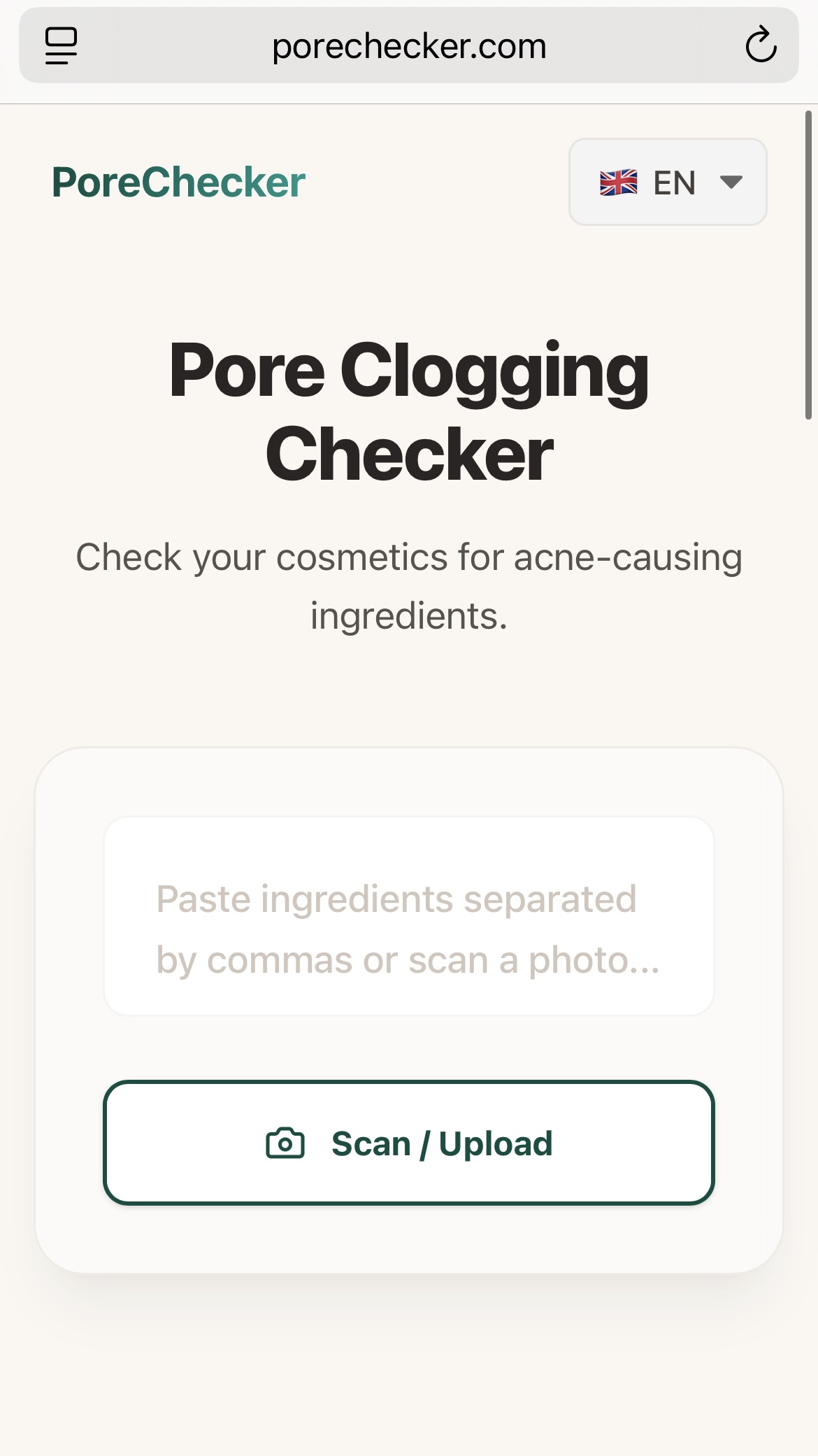
Step 1: Upload Your Product Image
Simply snap a photo of the ingredient list on the back of any bottle, jar, or box. No typing required.
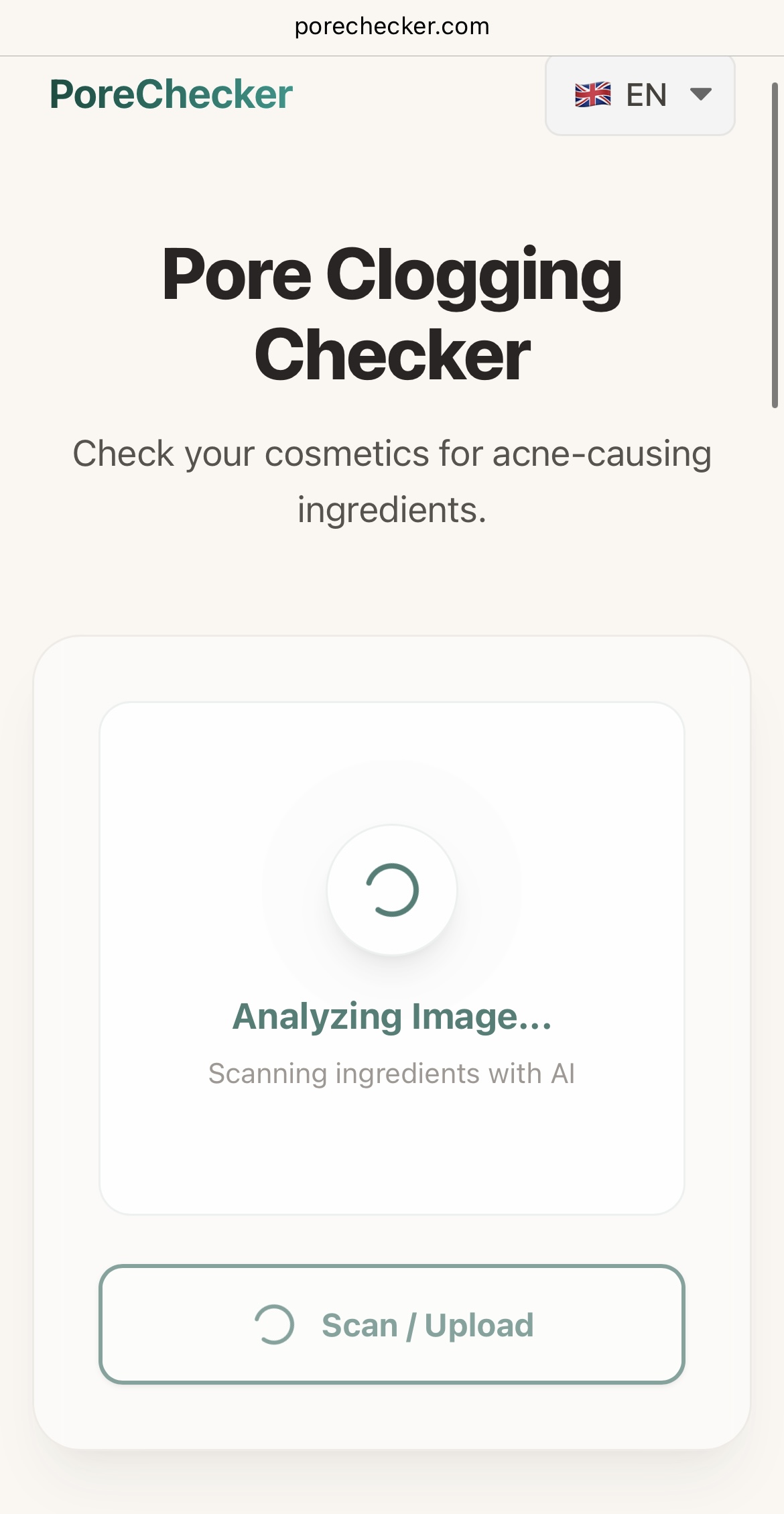
Step 2: Instant AI Ingredient Analysis
Our advanced AI scans the image, performs OCR (Optical Character Recognition), and matches every ingredient against our curated database of comedogenic substances.
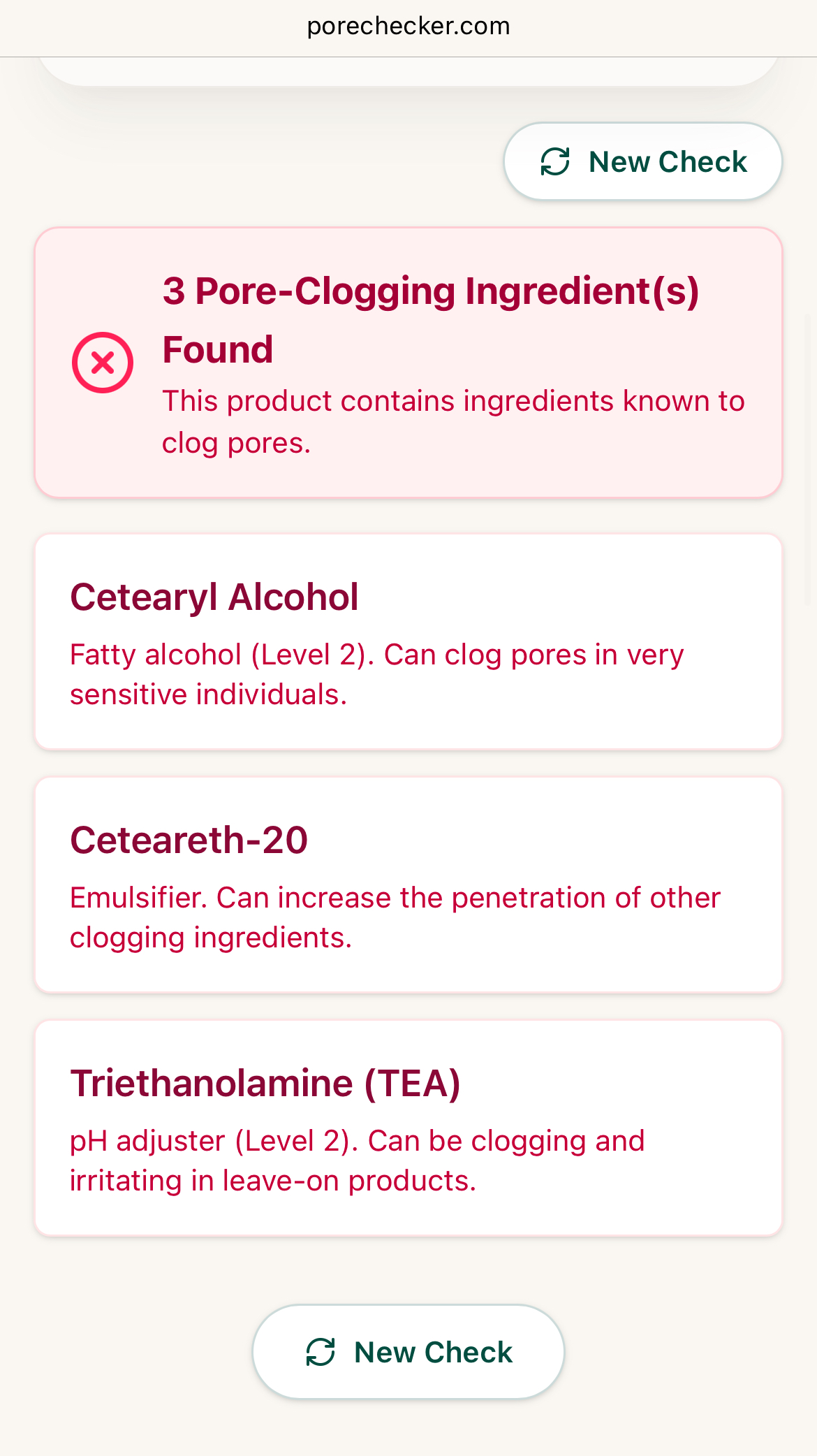
Step 3: Clear Results for Clearer Skin
You get an immediate breakdown. If any red-flag ingredients are found, we highlight them and explain why they might be problematic for your pores.
Does this product fit my skin's needs?
Check Your Products Now