Does Hyaluronic Acid Help Acne? The Science Behind Clearer Skin
Discover if hyaluronic acid helps acne. Get expert insights on its benefits, how it works, & whether it's right for your skincare routine.
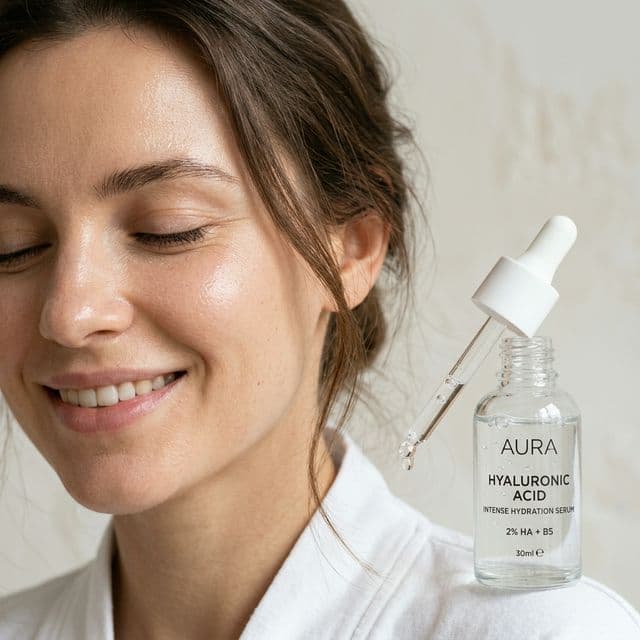
Acne. It's a frustrating battle many of us wage, characterized by inflammation, blemishes, and the constant search for solutions. The world of skincare is vast, and new ingredients and treatments emerge constantly. Among these, hyaluronic acid, a hydration hero, has gained considerable popularity. But does hyaluronic acid help acne? That’s the question we'll explore, separating fact from fiction to offer a clear understanding of its potential role in your skincare journey. The key to remember is non-comedogenic care: products that won't clog pores are vital.
Before diving in, it’s crucial to understand that treating acne effectively is multifaceted. It often requires a tailored approach combining lifestyle adjustments, appropriate products, and sometimes, professional treatments. While some ingredients directly target acne-causing bacteria or inflammation, others focus on creating an environment where the skin can heal and maintain its natural balance. Hyaluronic acid falls into the latter category: a powerful humectant that draws moisture to the skin.
This article will examine hyaluronic acid's benefits and potential drawbacks. We will discuss its relationship with acne-prone skin, how to incorporate it safely into your routine, and highlight the importance of understanding your skin's unique needs.
The Hydration Factor: How Hyaluronic Acid Works
Hyaluronic acid (HA) is a naturally occurring substance in our bodies, with high concentrations in the skin. Its primary function is to retain water, acting as a potent moisturizer. Think of it as a sponge, capable of holding up to 1,000 times its weight in water. This hydration plumps the skin, reducing the appearance of fine lines and wrinkles, and creating a smoother, more supple surface.
For acne-prone skin, hydration is crucial. Many acne treatments, such as benzoyl peroxide or retinoids, can be drying and irritating. By boosting hydration, hyaluronic acid can help counteract these effects, supporting the skin's barrier function and reducing the likelihood of further irritation, which can exacerbate acne.
The Benefits of Hydration for Acne-Prone Skin
Well-hydrated skin functions more effectively. A strong skin barrier is less susceptible to irritation and inflammation, both of which can contribute to acne breakouts. Here are some specific ways hydration can benefit acne-prone skin:
- Reduced Irritation: Hydrated skin is less likely to become inflamed from harsh treatments or environmental factors.
- Improved Healing: A moist environment supports the skin's natural healing processes, helping to repair blemishes more quickly.
- Balanced Oil Production: Although it seems counterintuitive, adequate hydration can help regulate oil production, potentially reducing excess sebum that contributes to acne.
Does Hyaluronic Acid Directly Treat Acne?
The answer isn't a simple yes or no. Hyaluronic acid doesn't directly kill acne-causing bacteria (like *Cutibacterium acnes*) or unclog pores in the same way that ingredients like salicylic acid or benzoyl peroxide do. However, its indirect benefits can significantly impact the overall health of acne-prone skin.
By providing essential hydration, hyaluronic acid creates a favorable environment for the skin to heal and maintain its barrier function. This can help prevent further breakouts and reduce the severity of existing ones. However, it's essential to understand that hyaluronic acid is most effective when used as part of a comprehensive skincare routine that targets the root causes of acne.
Hyaluronic Acid vs. Acne-Fighting Ingredients
Let's clarify the difference. Acne-fighting ingredients like benzoyl peroxide, salicylic acid, and retinoids directly address the causes of acne, such as bacterial overgrowth, excess sebum, and clogged pores. Hyaluronic acid, on the other hand, is a supportive ingredient. Think of it as a teammate, working to optimize the skin's environment so that these acne-fighting ingredients can work more effectively and with less irritation.
How to Incorporate Hyaluronic Acid Into Your Routine
Adding hyaluronic acid to your routine is relatively straightforward, but there are a few key considerations for optimal results, particularly when dealing with acne-prone skin. The type of product, application technique, and the ingredients you pair it with all play a role.
Look for hyaluronic acid serums, which are commonly available. The best time to apply it is on damp skin, immediately after cleansing. This helps the HA draw moisture into the skin. Follow with a moisturizer to seal in the hydration.
Layering and Pairing with Other Ingredients
Hyaluronic acid is generally compatible with most other skincare ingredients, making it a versatile addition to any routine. However, it's crucial to consider the order of application. Here's a suggested approach:
- Cleanse: Start with a gentle cleanser suitable for acne-prone skin.
- Treatments: Apply any acne treatments, like salicylic acid or retinoids, before the hyaluronic acid.
- Hyaluronic Acid: Apply the HA serum to damp skin.
- Moisturize: Follow with a non-comedogenic moisturizer to lock in the hydration.
- Sunscreen: Always finish with a broad-spectrum sunscreen during the day.
Avoiding Potential Pitfalls
Not all hyaluronic acid products are created equal. Some formulations may contain ingredients that can potentially clog pores. Always check the ingredient list. Look for products labeled "non-comedogenic" or "oil-free." Some ingredients to avoid include heavy oils and comedogenic fatty acids.
Don't Let Your Products Ruin Your Progress
While hyaluronic acid can be a valuable ally in your battle against acne, the effectiveness of any skincare product ultimately depends on the other ingredients it’s combined with. Even products specifically designed for acne-prone skin can sometimes contain hidden pore-cloggers that undermine your efforts. To ensure your products are truly working for you, and not against you, it’s critical to understand the ingredient lists.
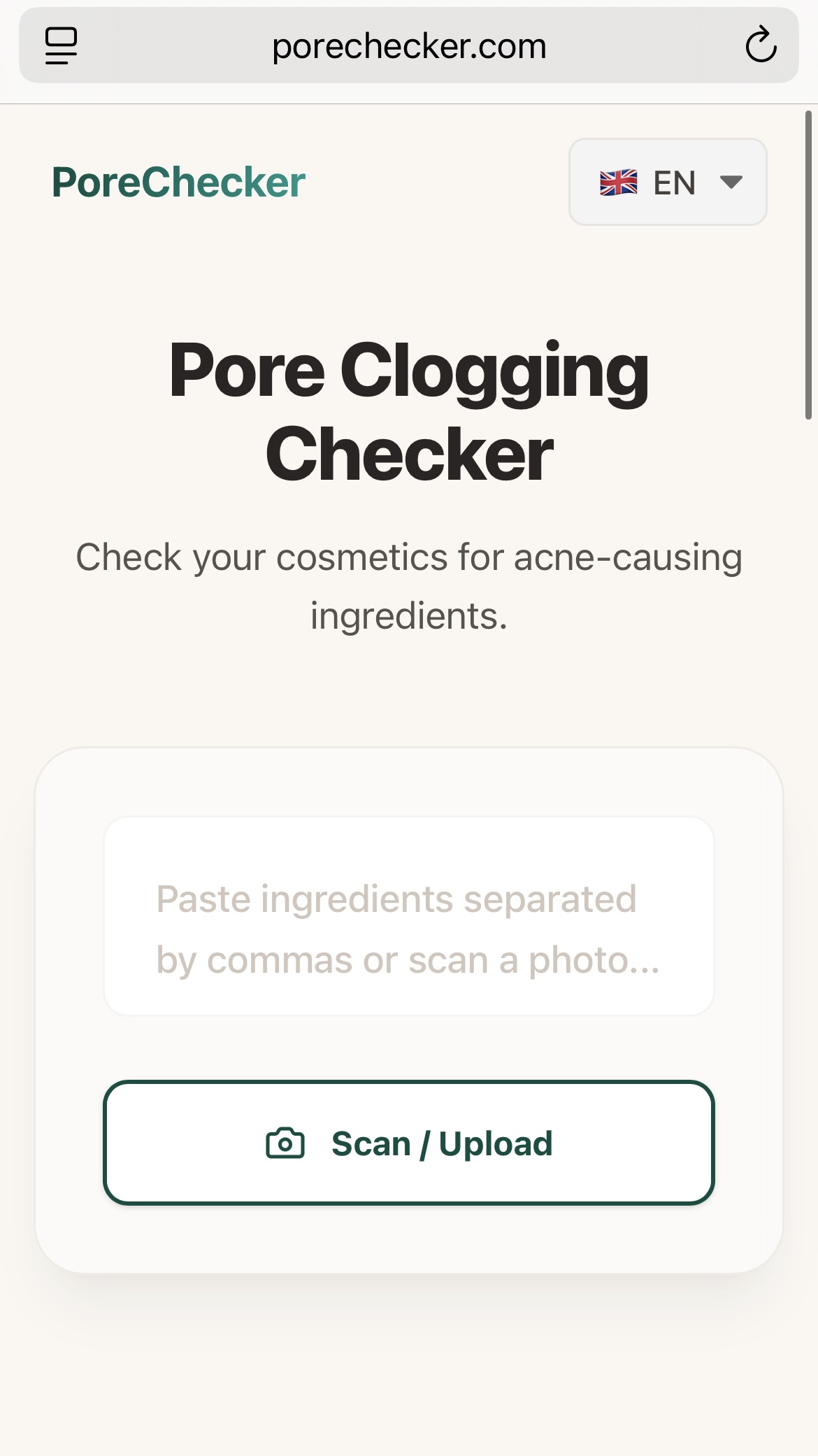
Step 1: Upload Your Product Image
Simply snap a photo of the ingredient list on the back of any bottle, jar, or box. No typing required.
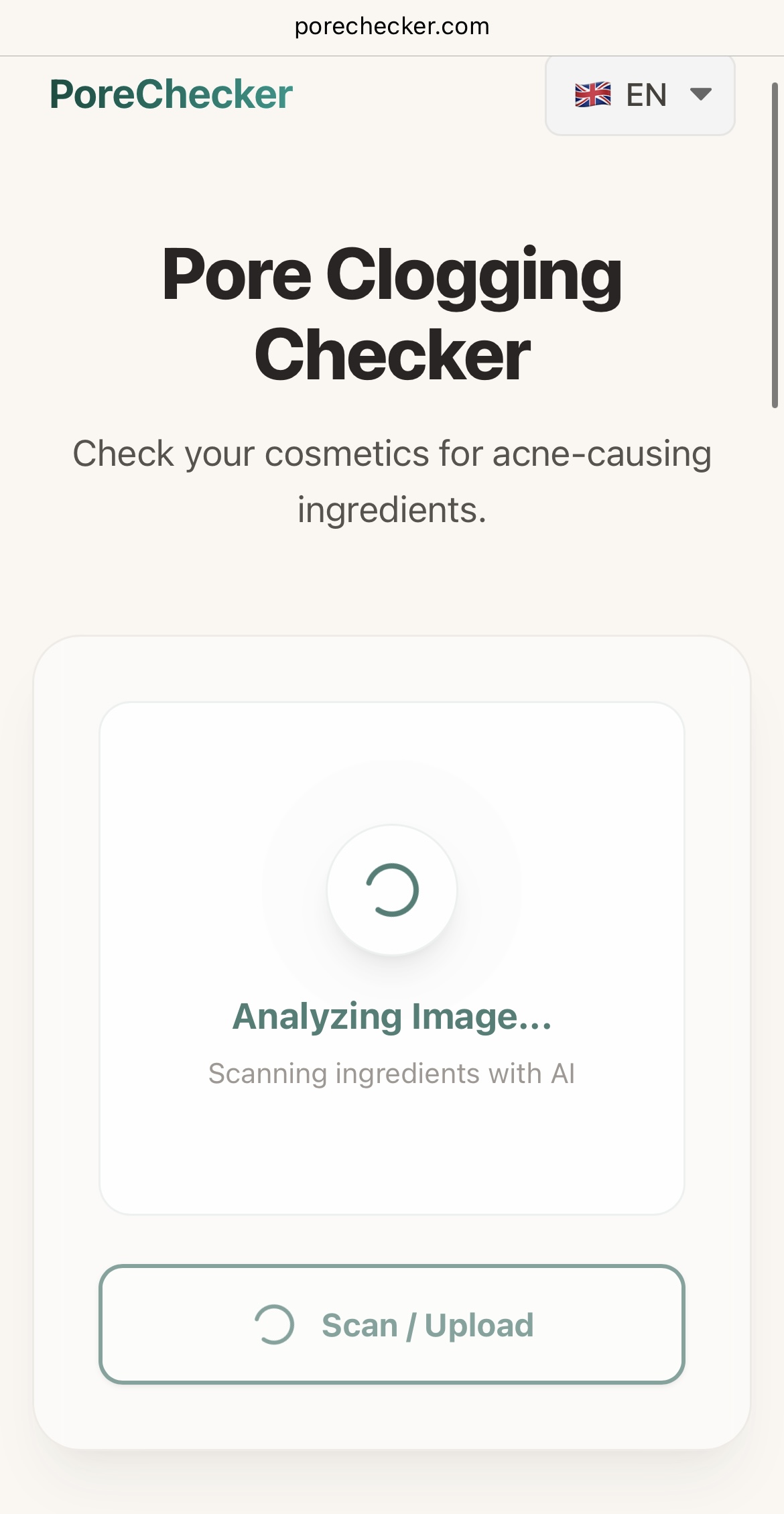
Step 2: Instant AI Ingredient Analysis
Our advanced AI scans the image, performs OCR (Optical Character Recognition), and matches every ingredient against our curated database of comedogenic substances.
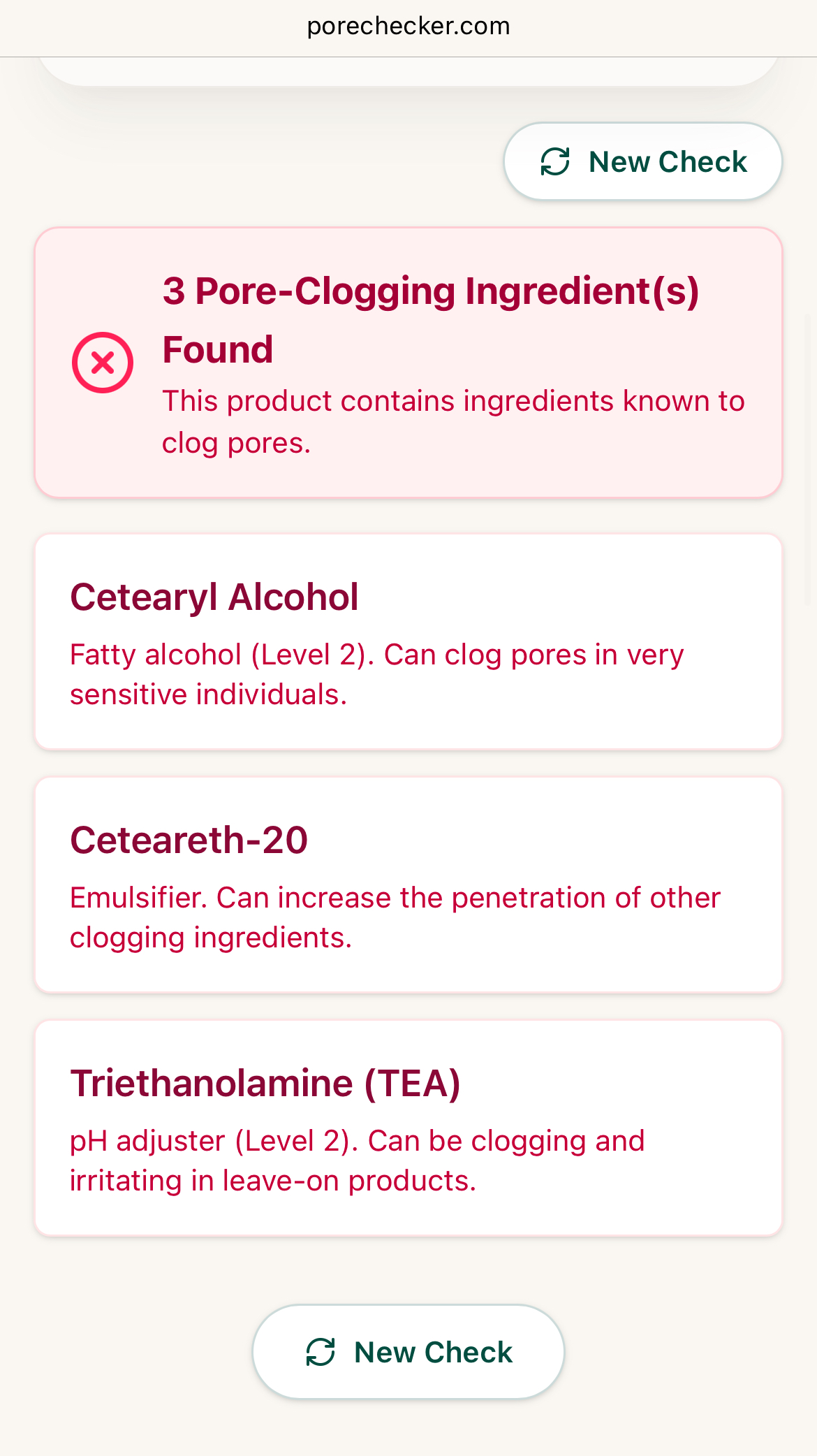
Step 3: Clear Results for Clearer Skin
You get an immediate breakdown. If any red-flag ingredients are found, we highlight them and explain why they might be problematic for your pores.
Does this product fit my skin's needs?
Check Your Products Now