Does Hydrocortisone Help Acne? The Dermatological Truth Behind the Redness
Thinking of using hydrocortisone for a breakout? Learn why this steroid might do more harm than good for your skin health.
When a painful, angry red bump appears on your skin, the impulse to reach for the nearest tube in the medicine cabinet is understandable. Often, that tube is hydrocortisone, a common topical corticosteroid used to treat inflammatory skin conditions like eczema or allergic reactions. It is natural to assume that because the steroid reduces inflammation, it might also soothe a breakout. However, using this medication on active lesions is a common mistake that often leads to worsening skin health rather than the relief you seek.
True acne management relies on supporting the skin barrier rather than suppressing its immune response with exogenous steroids. While hydrocortisone might temporarily decrease redness, it does not address the underlying pathology of acne: follicular hyperkeratinization, excess sebum production, or the presence of C. acnes bacteria. In fact, relying on steroids can disrupt the delicate balance of your microbiome and lead to complications that are much harder to treat than a simple pimple.
Why Steroids and Acne Don't Mix
The primary mechanism of hydrocortisone is to dampen the immune system’s inflammatory response. While this is helpful for contact dermatitis, it creates a problematic environment for acne-prone skin. By suppressing the local immune system within the follicle, you may inadvertently allow bacteria to proliferate unchecked. This can lead to the very thing you are trying to avoid: deeper, more persistent, and more inflamed cystic breakouts.
The Peril of Perioral Dermatitis
One of the most concerning risks of applying hydrocortisone to the face is the development of steroid-induced perioral dermatitis. If you apply a steroid to an area near the nose or mouth, the skin can become dependent on the medication. Once you stop the application, the skin may erupt in a cascade of tiny, itchy, red papules that mimic acne but require a completely different, clinical approach to resolve. This feedback loop is one of the most frustrating hurdles I see in my clinical practice.
Effective Alternatives for Inflammation
If you are dealing with significant redness, the solution is to target the inflammation using ingredients that respect the skin barrier. Ingredients like niacinamide, azelaic acid, and colloidal oatmeal are far superior for calming reactive skin. These options provide anti-inflammatory benefits without the risk of skin thinning or rebound breakouts associated with topical steroids. Furthermore, keeping your routine strictly non-comedogenic ensures that you are not adding fuel to the fire while your skin attempts to heal.
Don't Let Your Products Ruin Your Progress
It is common to focus on active treatments like benzoyl peroxide or salicylic acid, yet many people inadvertently undo their hard work by using moisturizers or serums that contain hidden pore-cloggers. Ingredients such as isopropyl palmitate, certain algae extracts, or heavy cocoa butter can silently trigger new congestion even while you are actively treating existing inflammation. Before you commit to a new product, it is vital to audit your entire routine for these sneaky, comedogenic culprits, as true skin clarity is built as much on what you avoid as it is on what you apply.
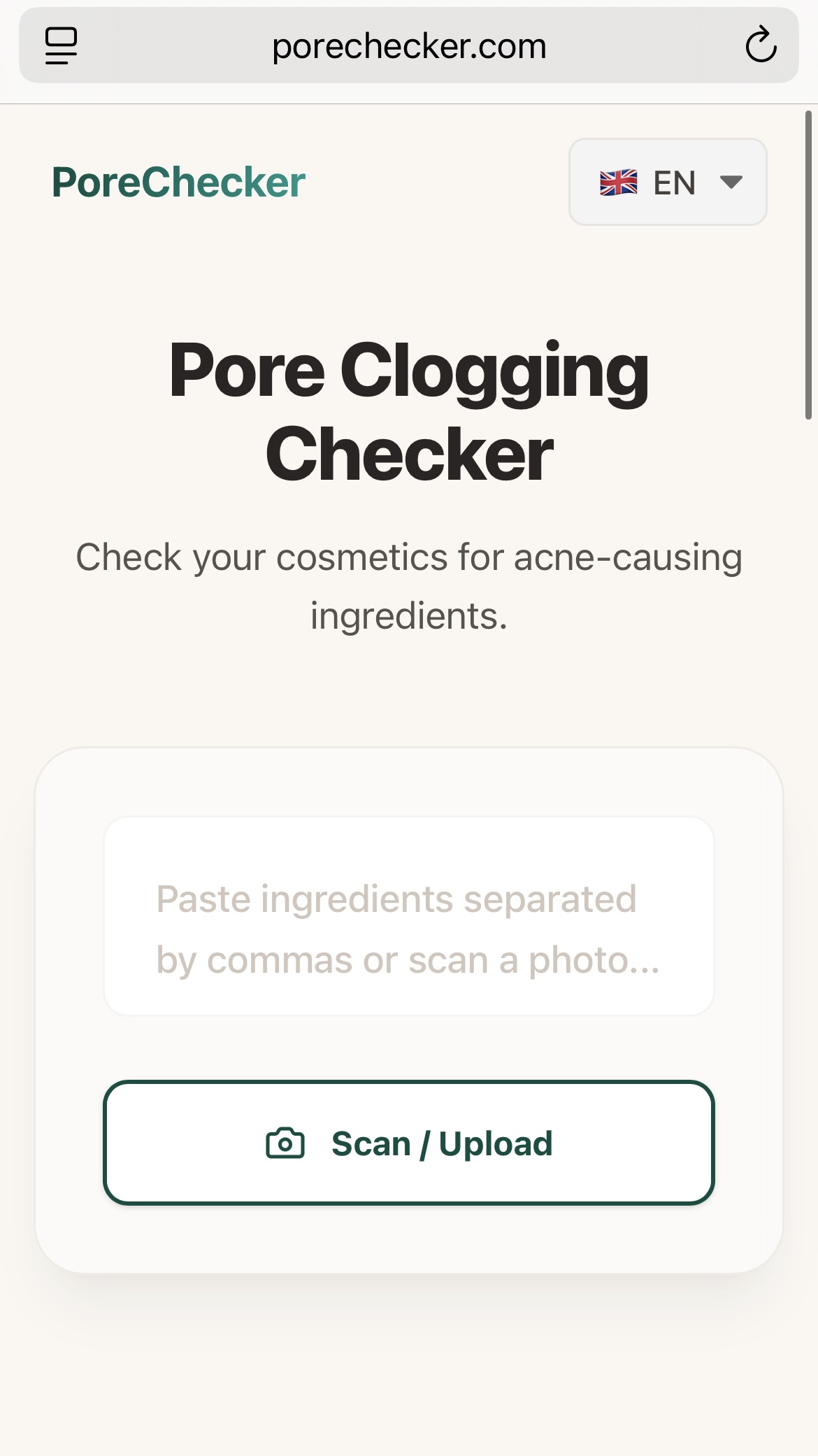
Step 1: Upload Your Product Image
Simply snap a photo of the ingredient list on the back of any bottle, jar, or box. No typing required.
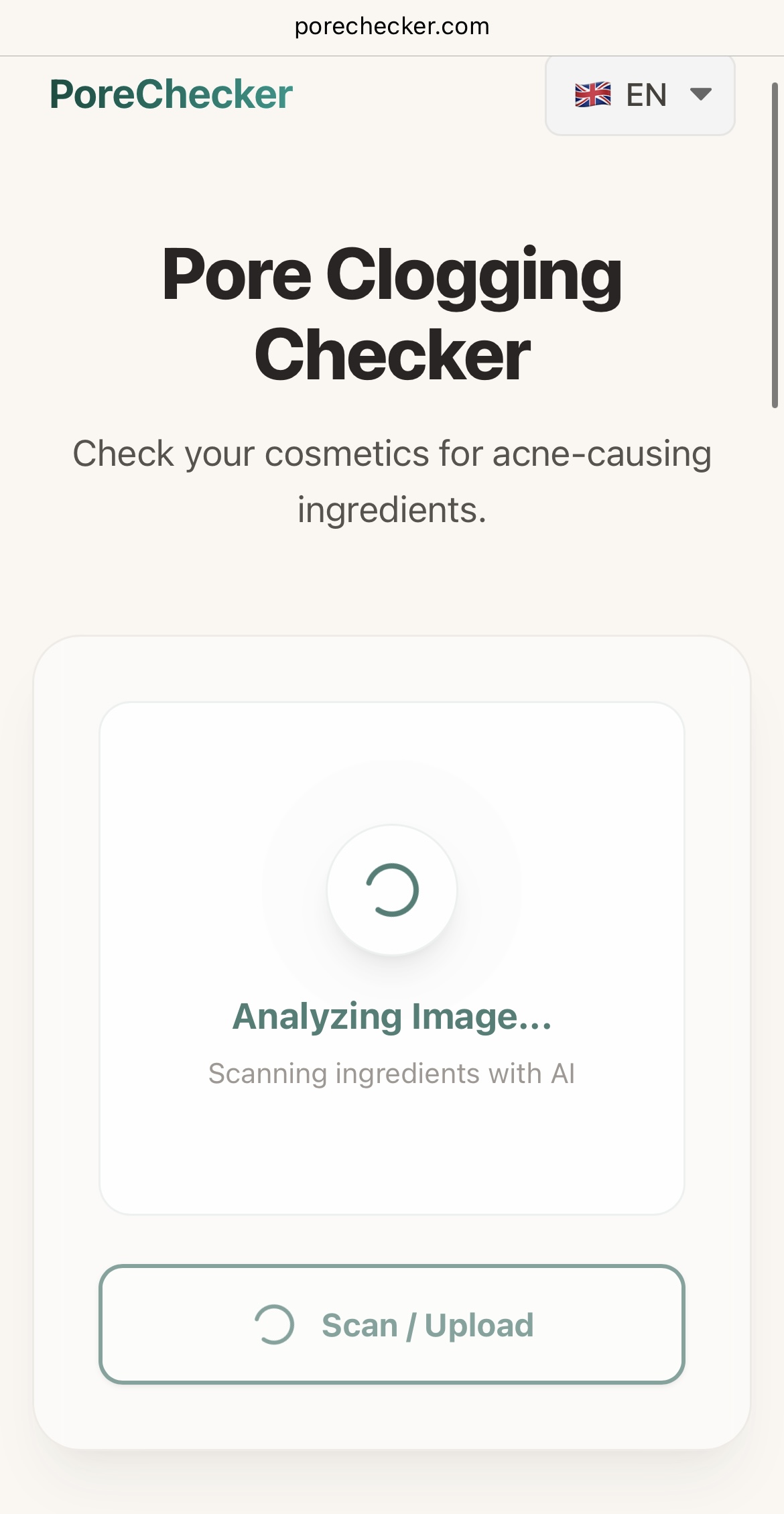
Step 2: Instant AI Ingredient Analysis
Our advanced AI scans the image, performs OCR (Optical Character Recognition), and matches every ingredient against our curated database of comedogenic substances.
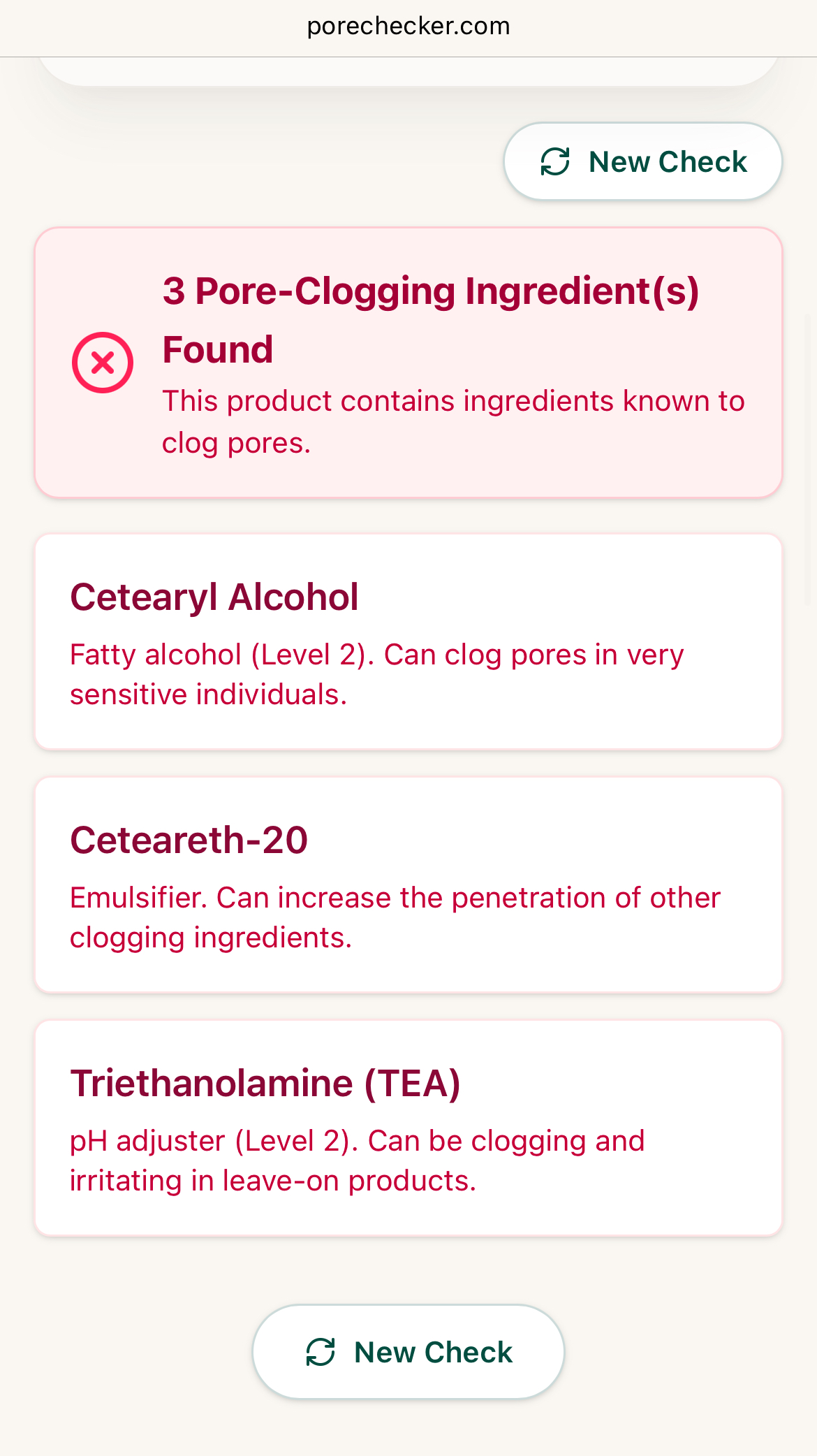
Step 3: Clear Results for Clearer Skin
You get an immediate breakdown. If any red-flag ingredients are found, we highlight them and explain why they might be problematic for your pores.
Does this product fit my skin's needs?
Check Your Products Now