Does Ice Help Acne? A Dermatologist's Honest Answer and Skincare Secrets
Discover if ice helps acne and get expert skincare advice! Learn effective acne treatments, how to care for your skin, & avoid pore-clogging products.
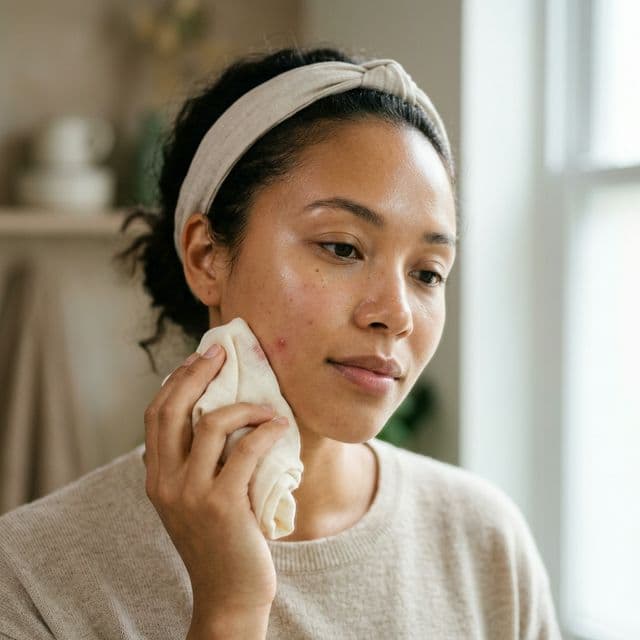
The quest for clear skin is often fraught with quick fixes and questionable advice. One popular remedy, whispered across online forums and beauty blogs, is the use of ice for acne. While the idea of a simple, readily available solution is appealing, it's crucial to approach skincare with a foundation of scientific understanding. As a dermatologist, I've seen firsthand the impact of both effective treatments and potentially harmful practices. This article will dissect the question: does ice help acne? We’ll explore the potential benefits and limitations of ice in the context of acne management, providing you with evidence-based guidance.
Acne is a complex condition, and its causes are multifactorial. Inflammation, excess sebum production, and the proliferation of bacteria all contribute to the formation of pimples, blackheads, and cysts. Effective skincare hinges on addressing these underlying issues with non-comedogenic products and treatments designed to target the root causes. Before you consider any new skincare strategy, make sure your current routine is focused on gentle cleansing, hydration, and sun protection with products that won't clog your pores.
The Science Behind Ice and Acne
Applying ice, also known as cryotherapy, can have several physiological effects on the skin. The primary benefit in the context of acne is its ability to reduce inflammation. Ice constricts blood vessels, which can temporarily decrease redness and swelling associated with inflamed pimples. This can provide a degree of relief and may make a prominent pimple appear less noticeable. Additionally, the cold sensation can help to numb the area, potentially alleviating pain or discomfort.
Potential Benefits of Ice
- Reduces inflammation and redness.
- May alleviate pain or discomfort.
- Can temporarily reduce the appearance of pimples.
Ice, Acne, and Reality: What to Know
While ice can offer temporary relief, it’s not a cure for acne. It doesn't address the underlying causes of breakouts, such as excess oil production, clogged pores, or bacterial overgrowth. Furthermore, improper use of ice can lead to skin irritation, including redness, dryness, and even frostbite if applied for too long or directly to the skin. To use ice safely, always wrap it in a clean cloth and never apply it for more than a few minutes at a time. It's a supportive measure, not a standalone solution.
Limitations and Risks
- Doesn't treat the root causes of acne.
- Can cause skin irritation or damage if used improperly.
- Effect is temporary and doesn't prevent future breakouts.
Beyond Ice: Holistic Acne Management
Effective acne management requires a comprehensive approach. This includes a consistent skincare routine tailored to your skin type and concerns. Look for products containing proven acne-fighting ingredients like salicylic acid, benzoyl peroxide, or retinoids. These ingredients work by exfoliating the skin, reducing inflammation, and killing acne-causing bacteria. Professional treatments, such as chemical peels or light therapy, can also be beneficial in more severe cases.
Key Elements of an Acne-Fighting Routine:
- Gentle cleansing: Twice daily with a non-comedogenic cleanser.
- Targeted treatments: Use products with acne-fighting ingredients.
- Moisturizing: Hydrate the skin with a lightweight, non-comedogenic moisturizer.
- Sun protection: Apply a broad-spectrum, non-comedogenic sunscreen daily.
Hidden Pore-Cloggers to Avoid
One of the most crucial, yet often overlooked, aspects of effective skincare is identifying and avoiding pore-clogging ingredients. Many seemingly innocent products contain substances that can contribute to breakouts. Certain oils, silicones, and waxes are known to clog pores, leading to the formation of comedones (blackheads and whiteheads). Even some "natural" ingredients, such as coconut oil or shea butter, can be problematic for acne-prone skin. Always opt for non-comedogenic products and be mindful of the ingredients list.
Common Pore-Clogging Culprits:
- Certain oils (e.g., coconut oil, cocoa butter).
- Thick emollients (e.g., mineral oil, petrolatum).
- Some silicones (e.g., dimethicone).
- Heavy waxes (e.g., beeswax).
Don't Let Your Products Ruin Your Progress
While ice can help with inflammation, it won't prevent new breakouts. Building a clear complexion requires a diligent focus on your product choices. Are your cleansers, moisturizers, and even makeup actually helping or hindering your progress? Many ingredients, unfortunately, can silently sabotage your efforts. To ensure your routine is truly acne-friendly, it’s vital to understand the ingredients in your products and how they interact with your skin. This is where tools that analyze product ingredients for comedogenic properties can become your best ally.
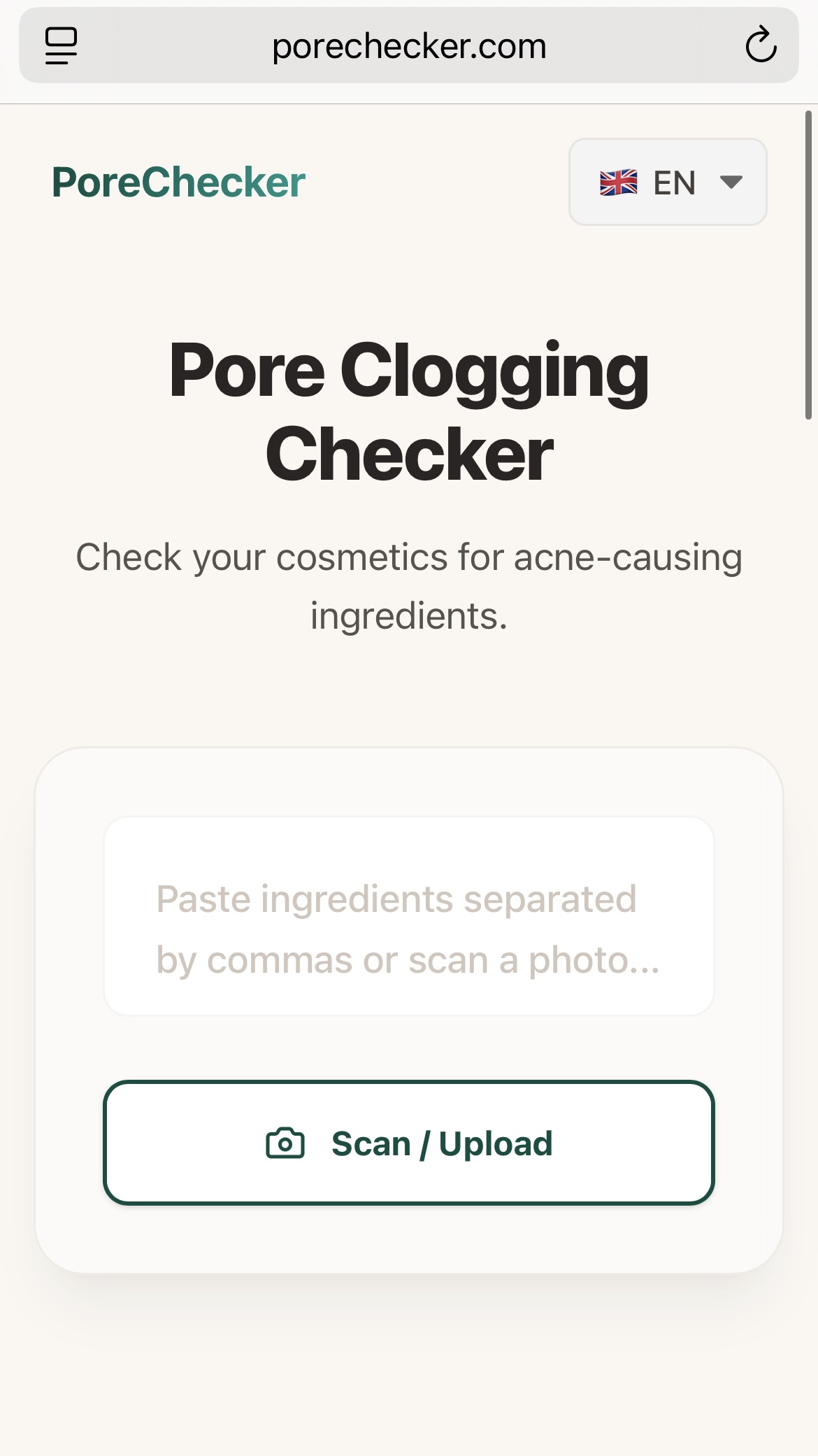
Step 1: Upload Your Product Image
Simply snap a photo of the ingredient list on the back of any bottle, jar, or box. No typing required.
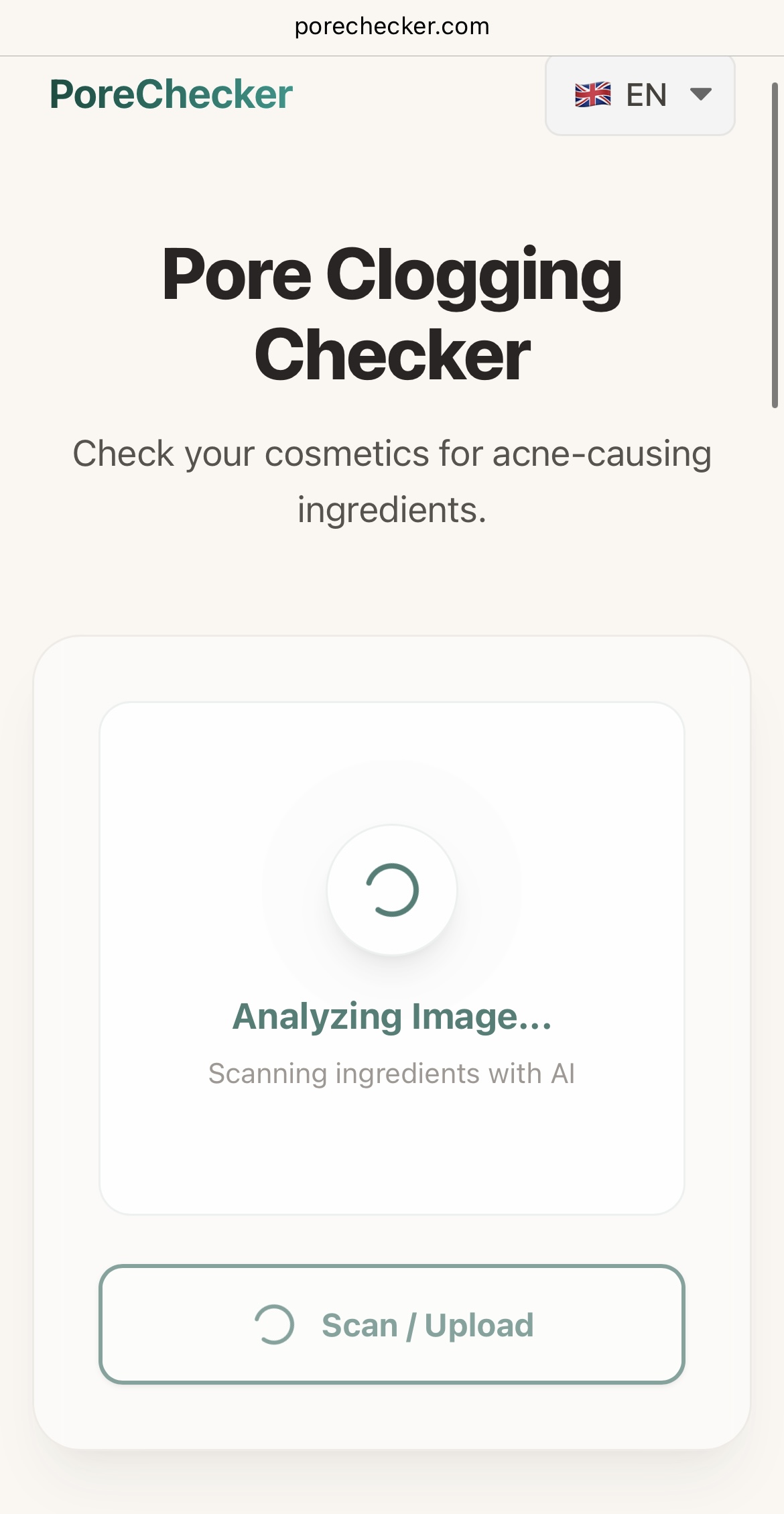
Step 2: Instant AI Ingredient Analysis
Our advanced AI scans the image, performs OCR (Optical Character Recognition), and matches every ingredient against our curated database of comedogenic substances.
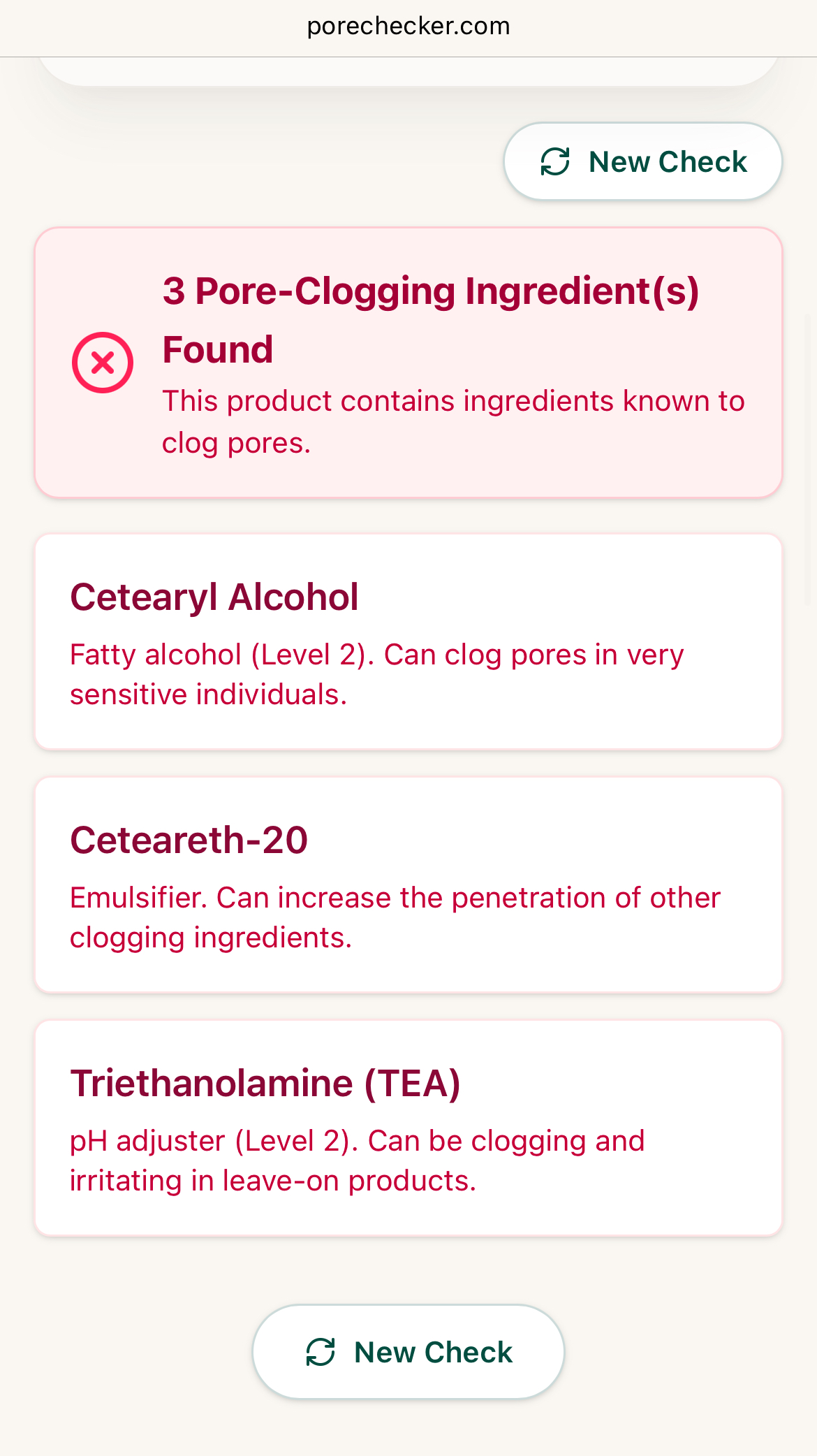
Step 3: Clear Results for Clearer Skin
You get an immediate breakdown. If any red-flag ingredients are found, we highlight them and explain why they might be problematic for your pores.
Does this product fit my skin's needs?
Check Your Products Now