Does Icing Your Face Help With Acne? The Dermatological Reality
Can cold therapy clear breakouts? We analyze if icing your face helps with acne and why ingredients matter more for clear skin.
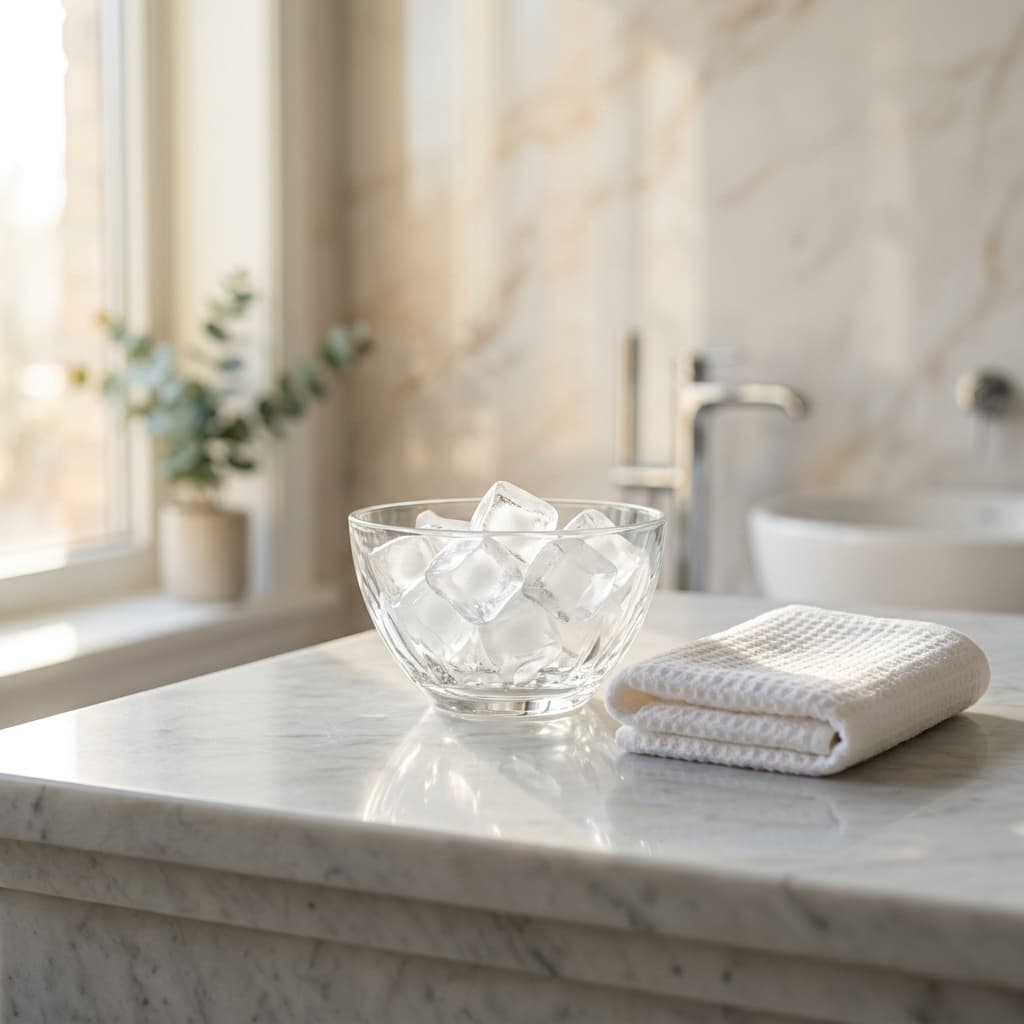
The practice of applying ice to the skin has circulated through social media platforms as a miracle cure for active breakouts. If you are struggling with persistent inflammation, the promise of a simple, cost-free solution is understandably appealing. However, when we look at the dermatological evidence, the reality of cold therapy is more nuanced than popular trends suggest.
While dermatologists often use cryotherapy to treat specific lesions, this is vastly different from holding an ice cube to your face at home. To manage acne effectively, we must shift our focus away from quick fixes and toward non-comedogenic care. True skin health relies on maintaining the integrity of your barrier and ensuring that every product you apply is formulated to support, rather than clog, your pores.
The Science Behind Cold Therapy
When you apply ice to an angry, red pimple, you are primarily inducing vasoconstriction. This narrowing of the blood vessels can temporarily reduce localized redness and bring down significant swelling. For someone dealing with a deep, cystic lesion, a brief application of a cold compress—wrapped in a clean cloth to prevent ice burn—can provide symptomatic relief by numbing the area and reducing the perception of inflammation.
Limitations and Risks
It is vital to distinguish between calming inflammation and treating the underlying cause of acne. Icing does not kill the bacteria (C. acnes) responsible for breakouts, nor does it address the follicular hyperkeratosis that leads to clogged pores. Furthermore, the skin on the face is delicate. Applying ice directly can cause micro-trauma or frostbite-like injuries if the skin is left exposed to freezing temperatures for too long. If you must use this method, always keep the ice moving and ensure it is insulated to protect your lipid barrier.
Why Prevention Outweighs Spot Treatment
Relying on temperature manipulation to manage acne is a reactive approach. Effective skin management requires a proactive strategy that centers on the products you use daily. Acne is often exacerbated by hidden pore-cloggers—ingredients that may seem innocuous on a label but can actively trigger the formation of microcomedones. If your current moisturizer, sunscreen, or serum contains heavy oils or comedogenic waxes, no amount of icing will prevent new breakouts from forming.
Don't Let Your Products Ruin Your Progress
Even with the most disciplined icing routine, your efforts will likely be undermined if your daily skincare regimen contains hidden triggers. Many formulations contain ingredients that are clinically proven to cause follicular impaction, effectively neutralizing the benefits of any soothing technique. True skin clarity is achieved when you eliminate the root cause of congestion by auditing your entire routine for comedogenic substances. Before introducing new products to your bathroom cabinet, it is essential to verify their ingredient lists against a reliable database to ensure your skin is not being compromised by the very tools you use to improve it.
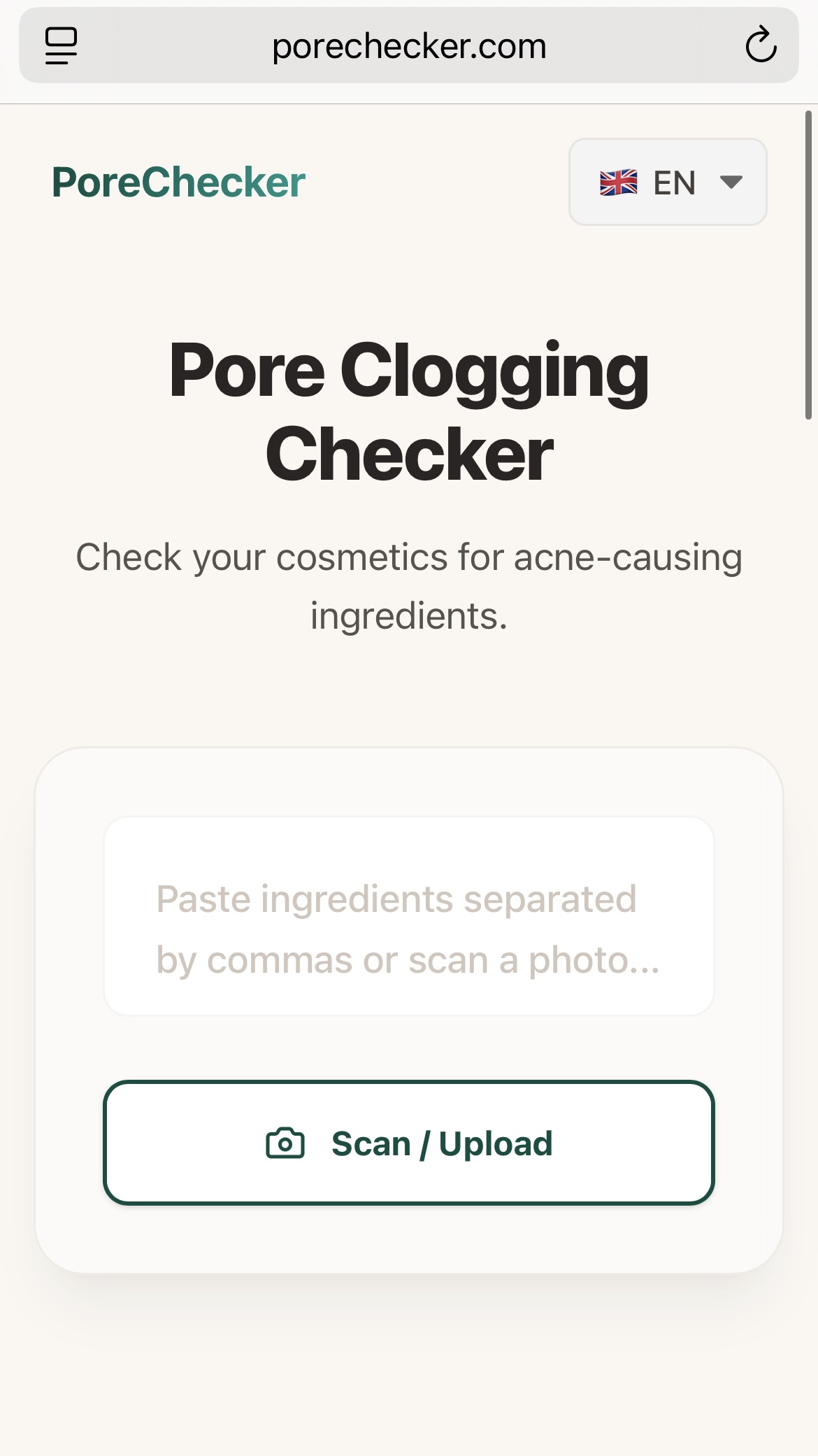
Step 1: Upload Your Product Image
Simply snap a photo of the ingredient list on the back of any bottle, jar, or box. No typing required.
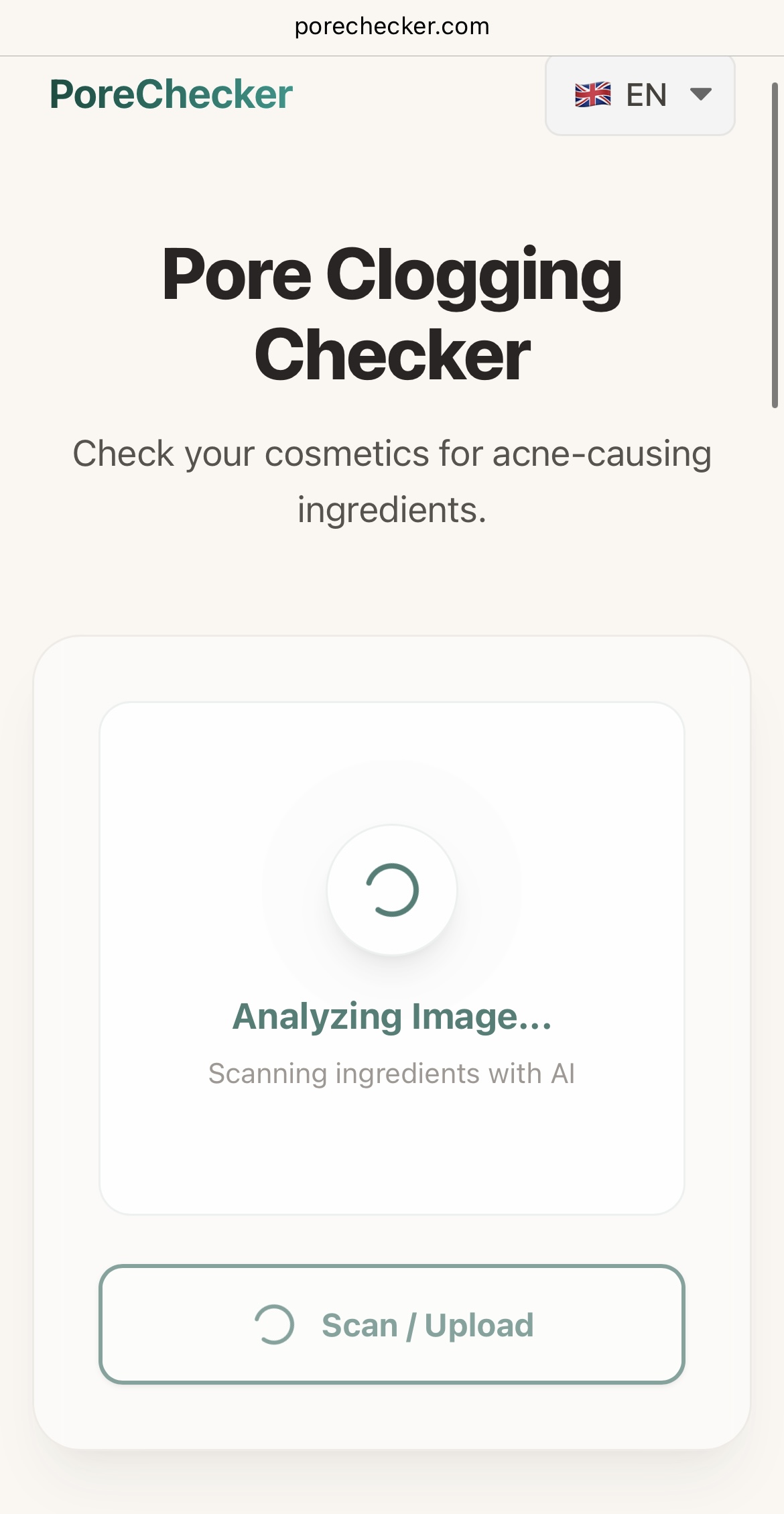
Step 2: Instant AI Ingredient Analysis
Our advanced AI scans the image, performs OCR (Optical Character Recognition), and matches every ingredient against our curated database of comedogenic substances.
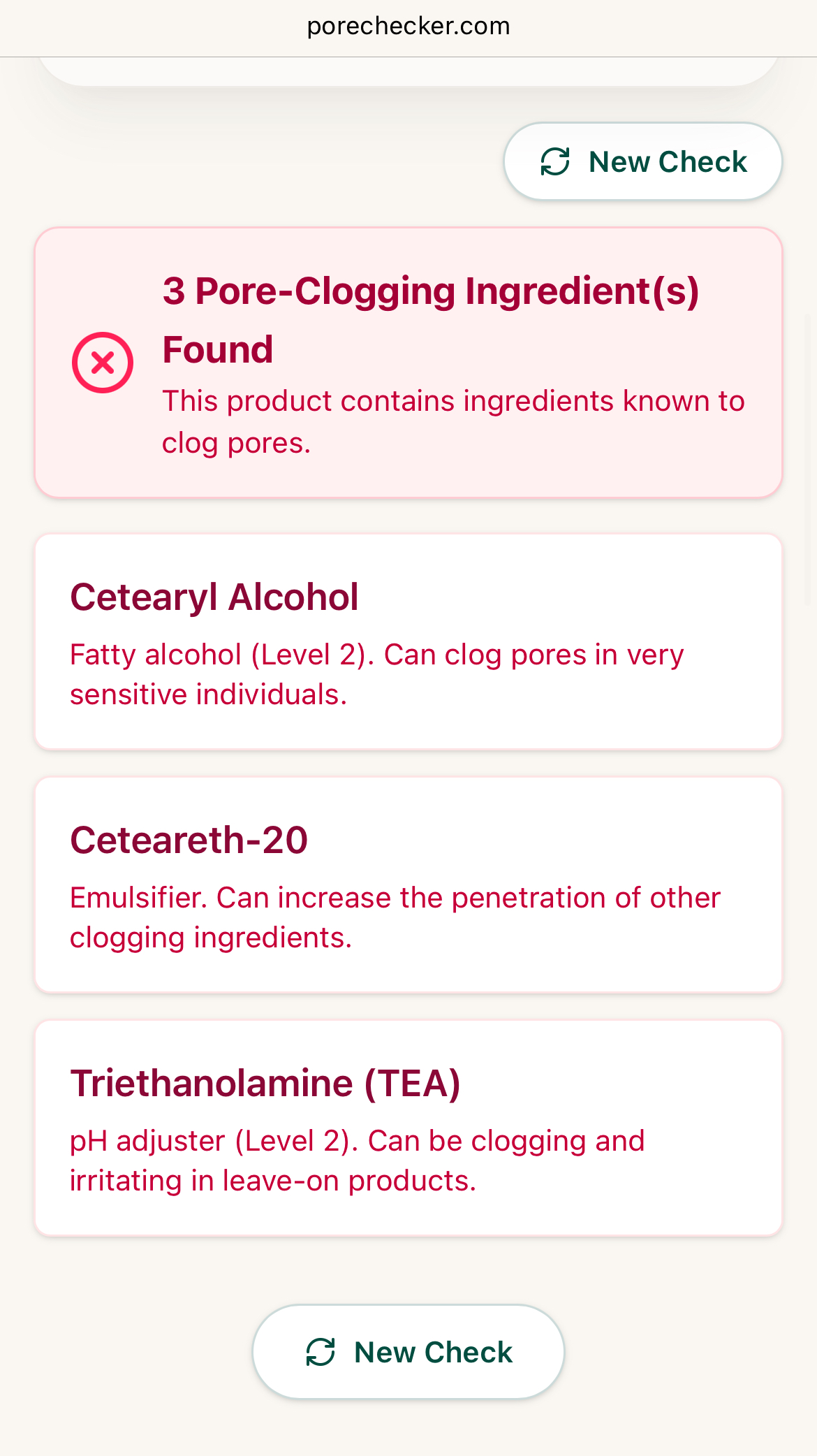
Step 3: Clear Results for Clearer Skin
You get an immediate breakdown. If any red-flag ingredients are found, we highlight them and explain why they might be problematic for your pores.
Does this product fit my skin's needs?
Check Your Products Now