Does Masterbaiting Give You Acne? Separating Myth from Skincare Science
Curious if masterbaiting causes acne? This expert-backed article separates fact from fiction, explores acne triggers, and offers non-comedogenic skincare advice.

The question of whether certain activities impact our skin health often surfaces, and the query "does masterbaiting give you acne" is one that frequently appears. As a dermatologist and skincare scientist, I'm here to provide a clear, science-based response. The development of acne is complex, influenced by a multitude of factors, and understanding these elements is crucial for effective treatment and prevention. Our skin's reaction is rarely straightforward, and it’s important to know the root causes.
Acne, at its core, is a result of clogged pores, inflammation, and bacterial overgrowth (primarily *Cutibacterium acnes*). These factors are influenced by genetics, hormones, diet, stress, and the products we use on our skin. Therefore, a comprehensive skincare approach prioritizes gentle, non-comedogenic products and lifestyle adjustments that support overall skin health. The path to clearer skin begins with a commitment to understanding these underlying processes.
This article will address the specific question of masturbation's influence on acne, while also providing broader insights into acne triggers and effective skincare practices to help you make informed choices for your skin's well-being. Let's delve into the specifics and establish a foundation of clarity.
The Truth About Masturbation and Acne
The direct answer to the question "does masterbaiting give you acne" is: No, it doesn't. There's no scientific evidence linking masturbation to acne. Acne is primarily triggered by internal factors, genetic predispositions, and the skincare products we apply. Focusing on non-comedogenic practices is a crucial step.
Understanding Acne Triggers
Acne is a multifaceted condition, stemming from a combination of factors. The primary cause is the overproduction of sebum (oil) by the sebaceous glands, leading to pore blockage. When combined with dead skin cells and bacteria, this blockage leads to inflammation and the formation of pimples. Additionally, hormonal fluctuations, especially during puberty, menstruation, and pregnancy, can exacerbate acne by increasing sebum production.
Stress and Acne
Stress can indirectly contribute to acne. When your body experiences stress, it releases hormones like cortisol, which can increase sebum production. This, in turn, makes it more likely for pores to clog. While masterbaiting itself isn't a direct trigger, the lifestyle around it, such as lack of sleep or unhealthy eating habits associated with it, could have an indirect impact on hormonal levels and skin health.
The Role of Skincare Products
One of the most significant factors in managing acne is the products you use. Many skincare products contain ingredients that can clog pores (comedogenic ingredients), worsening acne. Examples of these pore-cloggers include certain oils, like coconut oil, and heavy emollients. Always opt for non-comedogenic and hypoallergenic formulations to minimize this risk. The best routines are simple and tailored to your individual needs.
Diet and Acne
While the direct link between diet and acne is still being researched, some foods have been associated with increased inflammation and breakouts. High-glycemic foods, like sugary drinks and processed carbohydrates, and dairy products can potentially exacerbate acne for some individuals. A balanced diet rich in fruits, vegetables, and lean protein supports overall health, and may indirectly benefit your skin.
Non-Comedogenic Skincare: Your Daily Routine
A consistent and well-considered skincare routine is essential for managing acne. The key is to select products specifically formulated to be non-comedogenic, meaning they won't clog your pores. The goal is to gently cleanse, treat, and hydrate the skin without causing further irritation or blockage.
Cleansing
Use a gentle, pH-balanced cleanser twice daily. Avoid harsh soaps that can strip your skin of its natural oils, which can lead to increased sebum production as your skin tries to compensate. Look for cleansers that contain ingredients like salicylic acid or benzoyl peroxide for added benefits.
Treatment
Use acne treatments containing proven ingredients like benzoyl peroxide, salicylic acid, or retinoids. These help to exfoliate, reduce inflammation, and prevent new breakouts. Introduce these products gradually to avoid irritation and always follow the product directions.
Hydration
Even oily skin needs hydration. Use a lightweight, oil-free moisturizer to keep your skin balanced and prevent it from overproducing oil to compensate for dryness. Look for moisturizers containing hyaluronic acid or ceramides to support skin barrier function.
Sun Protection
Always apply a broad-spectrum, oil-free sunscreen with an SPF of 30 or higher during the day. Sunscreen protects your skin from harmful UV rays, which can worsen inflammation and lead to post-inflammatory hyperpigmentation. Choose a formula specifically designed for acne-prone skin.
Don't Let Your Products Ruin Your Progress
We've established that the direct link between masturbation and acne is essentially nonexistent. However, a significant aspect of clear skin relies on the products you use. While the activity itself isn't the problem, the potential for exposure to environmental factors or the usage of harsh products can have an impact. Many skincare products, marketed with promises of clear skin, actually contain ingredients that clog pores and worsen acne. This underscores the need for careful ingredient scrutiny. You can take the next step towards better skin by knowing which products are safe for you.
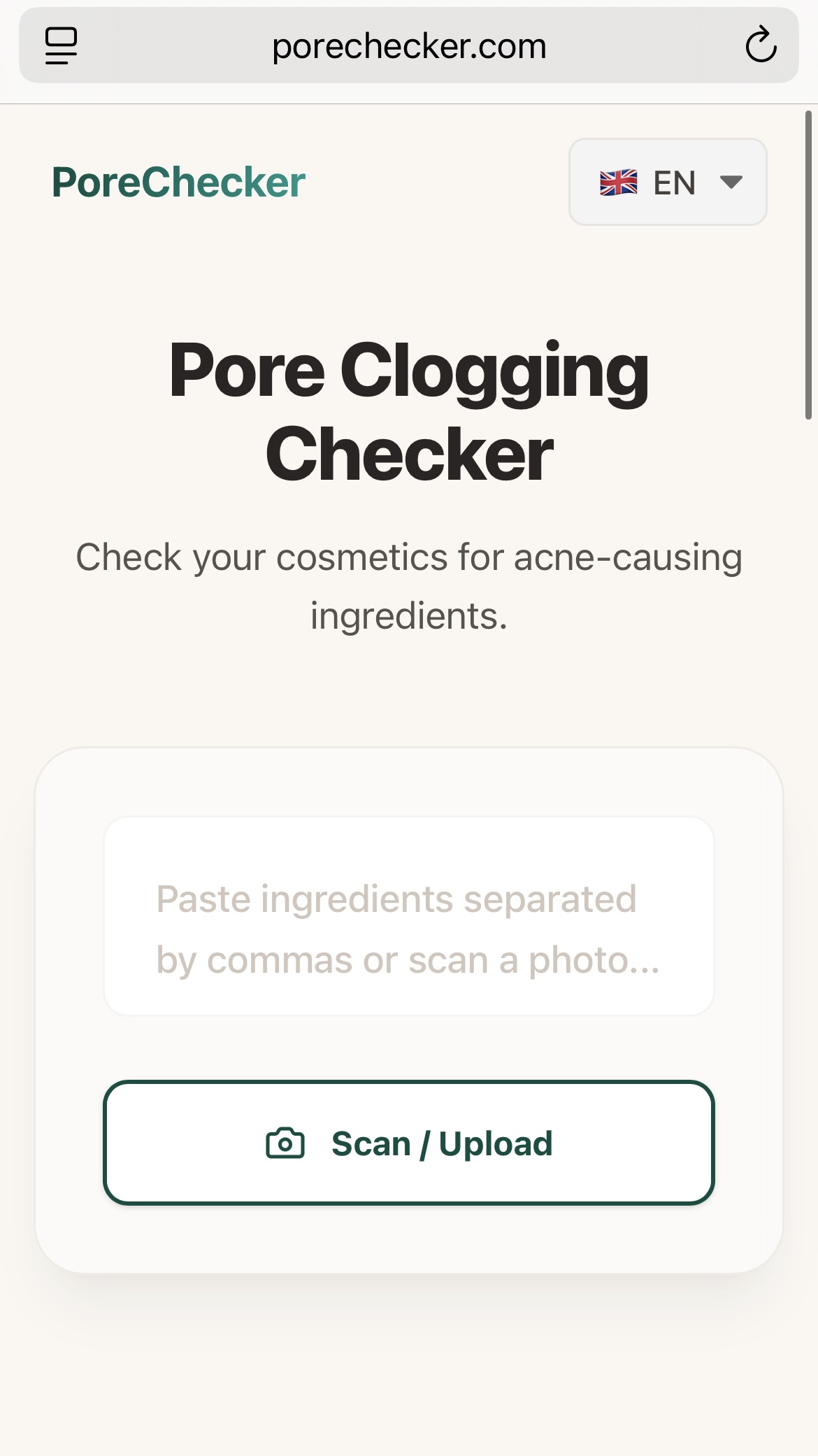
Step 1: Upload Your Product Image
Simply snap a photo of the ingredient list on the back of any bottle, jar, or box. No typing required.
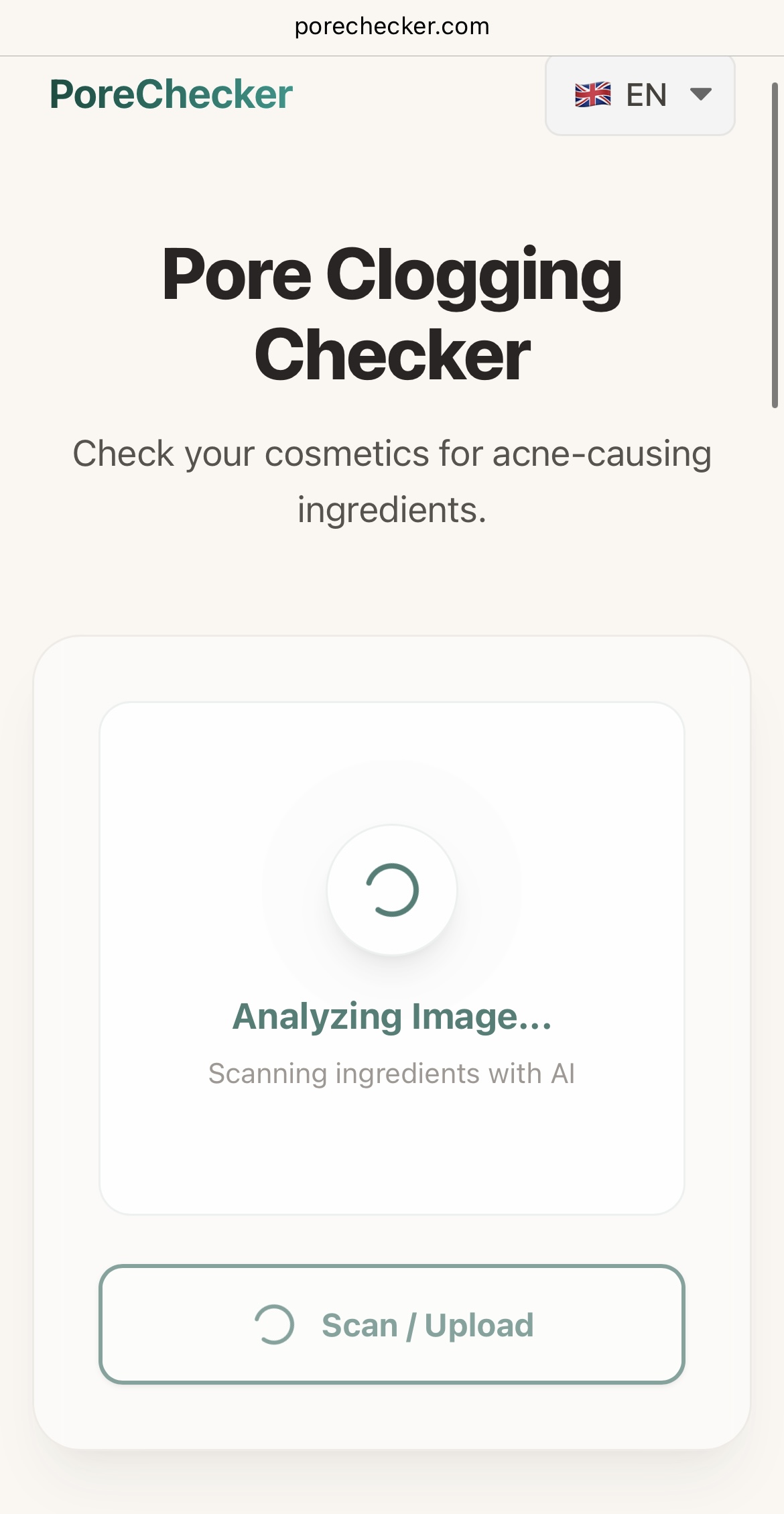
Step 2: Instant AI Ingredient Analysis
Our advanced AI scans the image, performs OCR (Optical Character Recognition), and matches every ingredient against our curated database of comedogenic substances.
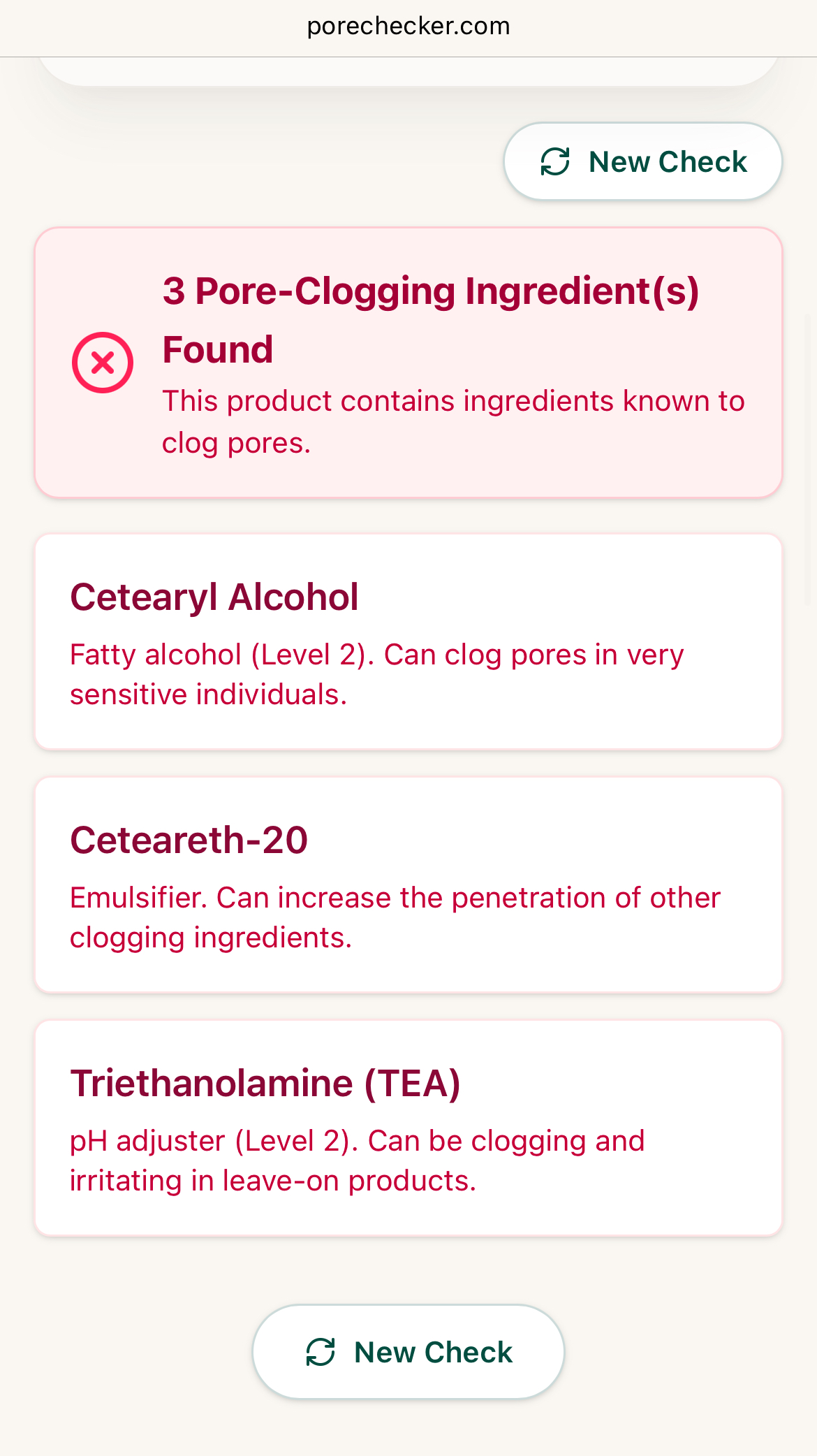
Step 3: Clear Results for Clearer Skin
You get an immediate breakdown. If any red-flag ingredients are found, we highlight them and explain why they might be problematic for your pores.
Does this product fit my skin's needs?
Check Your Products Now