Does Milk Cause Acne? Separating Fact From Fiction in Your Skincare Journey
Wondering if milk is breaking you out? Learn the science behind "does milk cause acne," explore hidden pore-cloggers, & get expert skincare advice.
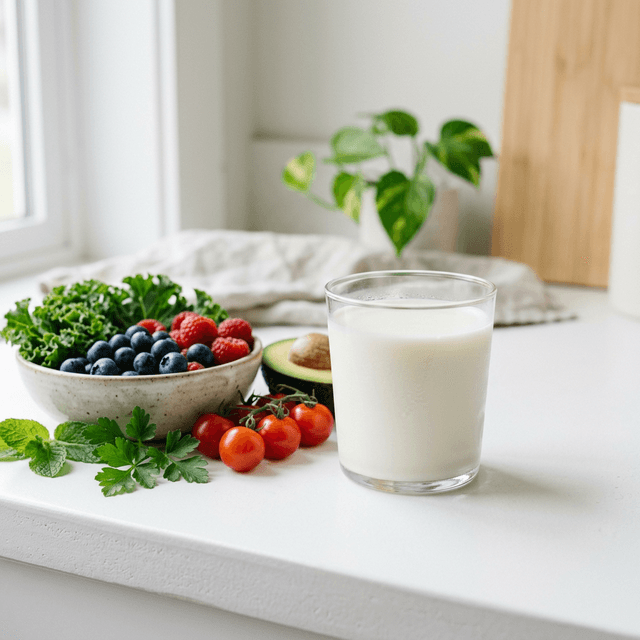
The question, "does milk cause acne?" is a common one, and for good reason. Many people struggling with breakouts find themselves meticulously analyzing their diets, searching for the culprit behind their skin's imperfections. While the relationship between diet and acne is complex, dairy, and specifically milk, often gets a bad rap. As a dermatologist, I've seen firsthand how dietary choices can impact skin health. Understanding the science, and separating fact from myth, is the first step towards achieving clearer skin.
The beauty of effective skincare lies not just in the products we apply, but in understanding how our bodies react to what we consume. This includes a careful consideration of non-comedogenic practices. That means using products and making dietary choices that won't clog pores. Focusing on non-comedogenic ingredients and practices is a vital element for anyone prone to acne and seeking a clear, healthy complexion. We will explore the role of milk and dairy while examining other contributors to acne.
The Dairy-Acne Connection: What the Science Says
The impact of dairy on acne is not a simple yes or no. The research is ongoing, but there's a growing body of evidence suggesting a link, particularly for certain individuals. One of the primary suspects is insulin-like growth factor 1 (IGF-1), a hormone found in milk. IGF-1 can promote the production of sebum, the skin's natural oil. Excess sebum, combined with other factors, can lead to clogged pores and, subsequently, acne.
Furthermore, milk contains hormones and growth factors naturally present in cows. These can potentially influence hormone levels in the human body, which in turn can stimulate oil production and inflammation, thus contributing to acne. This is especially true for skim milk, which, due to its processing, may have a higher concentration of these components compared to whole milk.
Understanding the Types of Milk
Not all milk is created equal. Cow's milk is the most commonly studied, but alternatives are also worth considering. Almond milk, soy milk, and oat milk are popular choices, but these options have their own considerations. Some are formulated with added sugars, which can indirectly contribute to inflammation and potentially worsen acne. Be mindful of added ingredients and their impact on your overall health and skin health.
Beyond Milk: Other Dietary Considerations
While we're exploring the question "does milk cause acne," let's also acknowledge the bigger picture of acne triggers. Diet is just one piece of the puzzle. High-glycemic foods (those that rapidly raise blood sugar) have been linked to acne in some studies. Processed foods, sugary drinks, and excessive consumption of refined carbohydrates can contribute to inflammation throughout the body, including the skin. A balanced diet rich in fruits, vegetables, and lean protein supports overall health and, in turn, can help promote clearer skin.
Hidden Pore-Cloggers: Beyond Your Diet
While dietary changes may help, a complete skincare routine requires examining all contributing factors. Beyond your plate, your skincare products can also be the source of breakouts. Many products contain ingredients that can clog pores, leading to the formation of comedones (blackheads and whiteheads) and inflamed acne. Be particularly cautious of heavy oils, certain emulsifiers, and fragrances.
Decoding Ingredient Lists
Understanding ingredient lists is crucial. Some common culprits to watch out for include mineral oil, certain forms of silicone, and some fatty alcohols, though not all alcohols are problematic. Each individual’s skin reacts differently, so keeping a journal of your reactions to products will help you personalize your skincare.
The Importance of Non-Comedogenic Products
The term "non-comedogenic" on a product label is very helpful, but it's not foolproof. The best practice is to test new products cautiously and introduce them one at a time. This allows you to monitor how your skin responds and identify potential irritants or pore-clogging ingredients. Patch testing is always a good idea when trying something new.
Don't Let Your Products Ruin Your Progress
Addressing "does milk cause acne" is just one part of the equation. Even if you modify your diet, your efforts can be undermined by the products you use. Many seemingly innocuous skincare items contain ingredients that can lead to clogged pores and breakouts. Ensuring your products are non-comedogenic and suitable for your skin type is essential for seeing real improvement. That means getting familiar with ingredients and seeking help to understand what is safe for your skin.
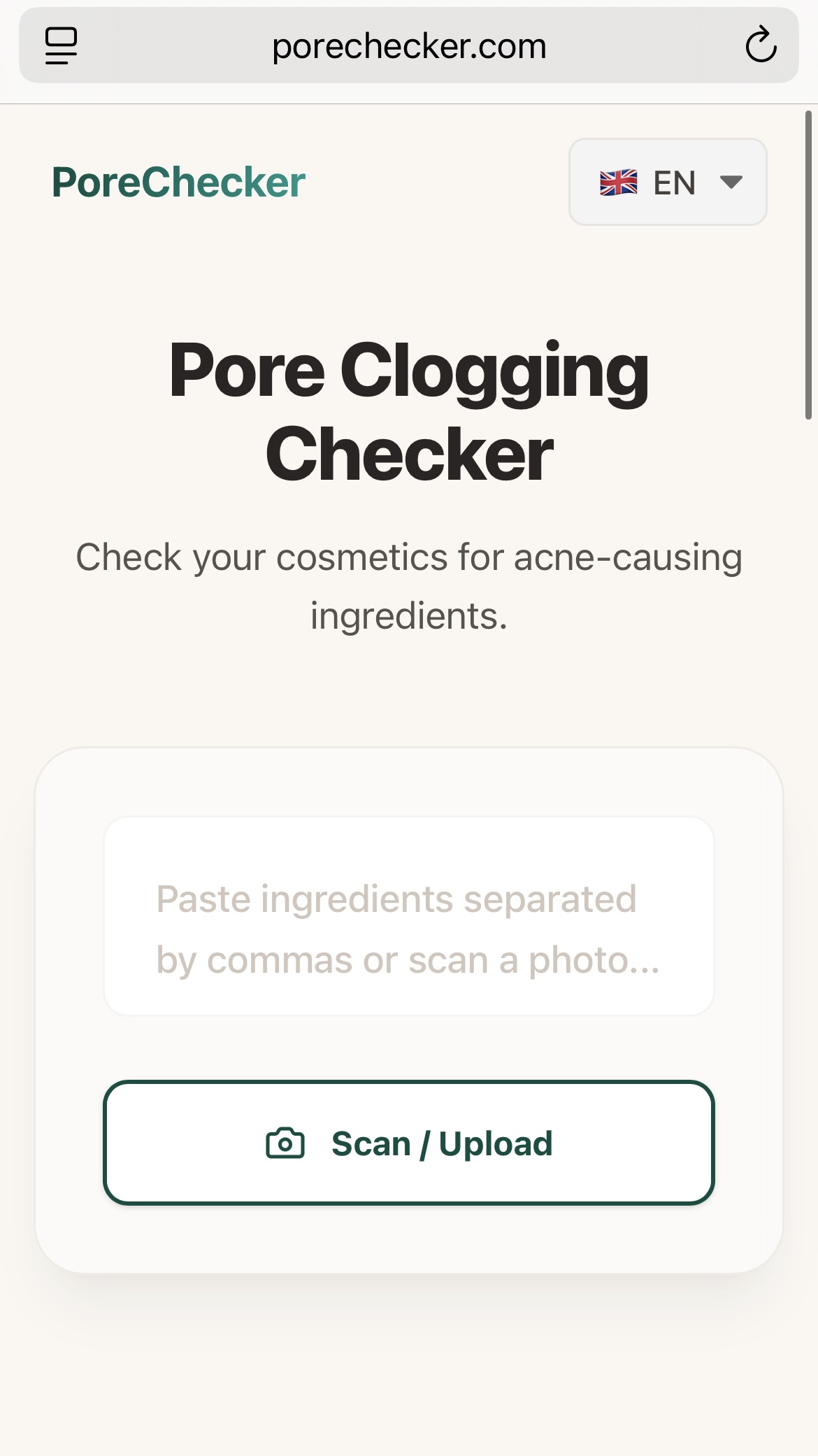
Step 1: Upload Your Product Image
Simply snap a photo of the ingredient list on the back of any bottle, jar, or box. No typing required.
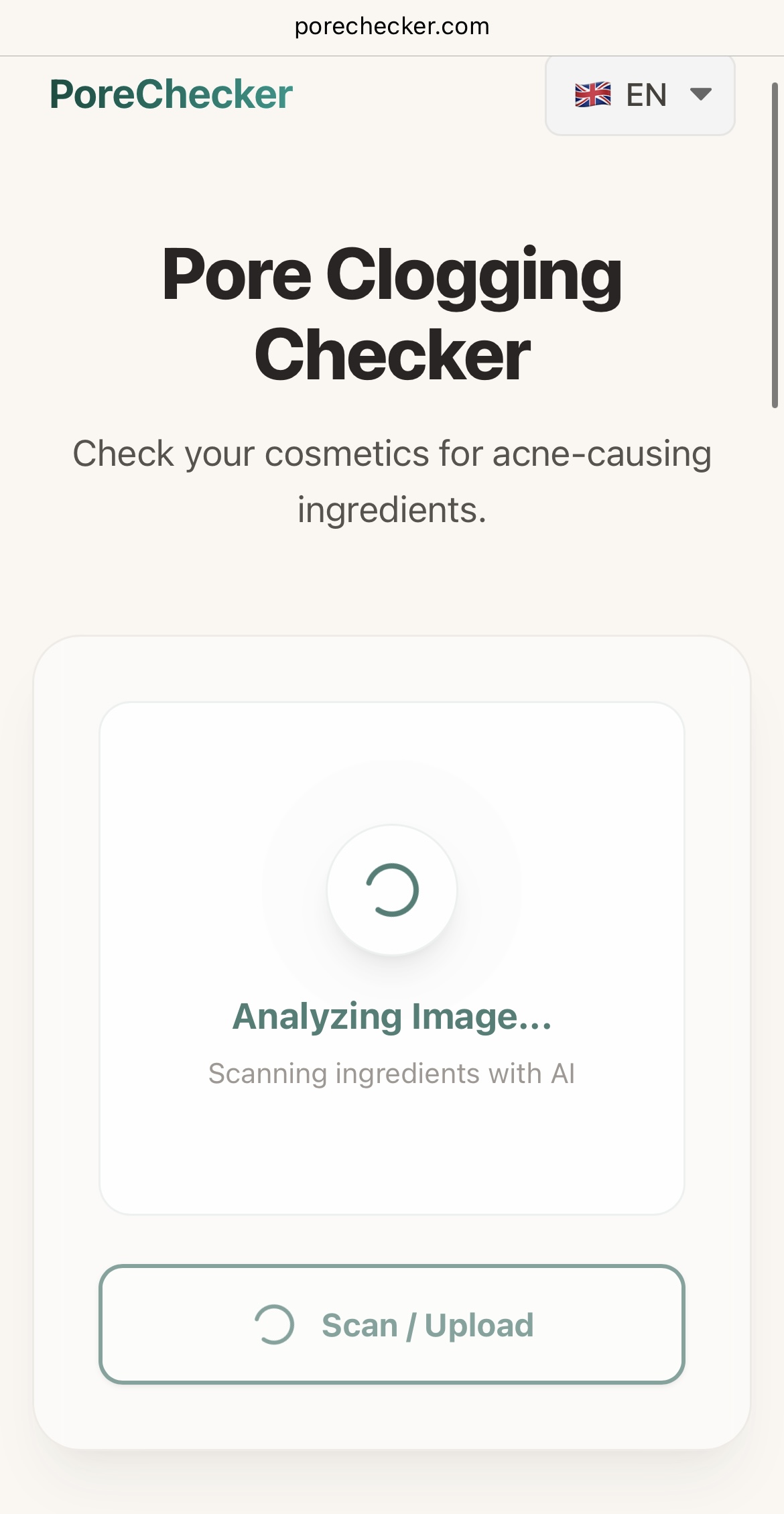
Step 2: Instant AI Ingredient Analysis
Our advanced AI scans the image, performs OCR (Optical Character Recognition), and matches every ingredient against our curated database of comedogenic substances.
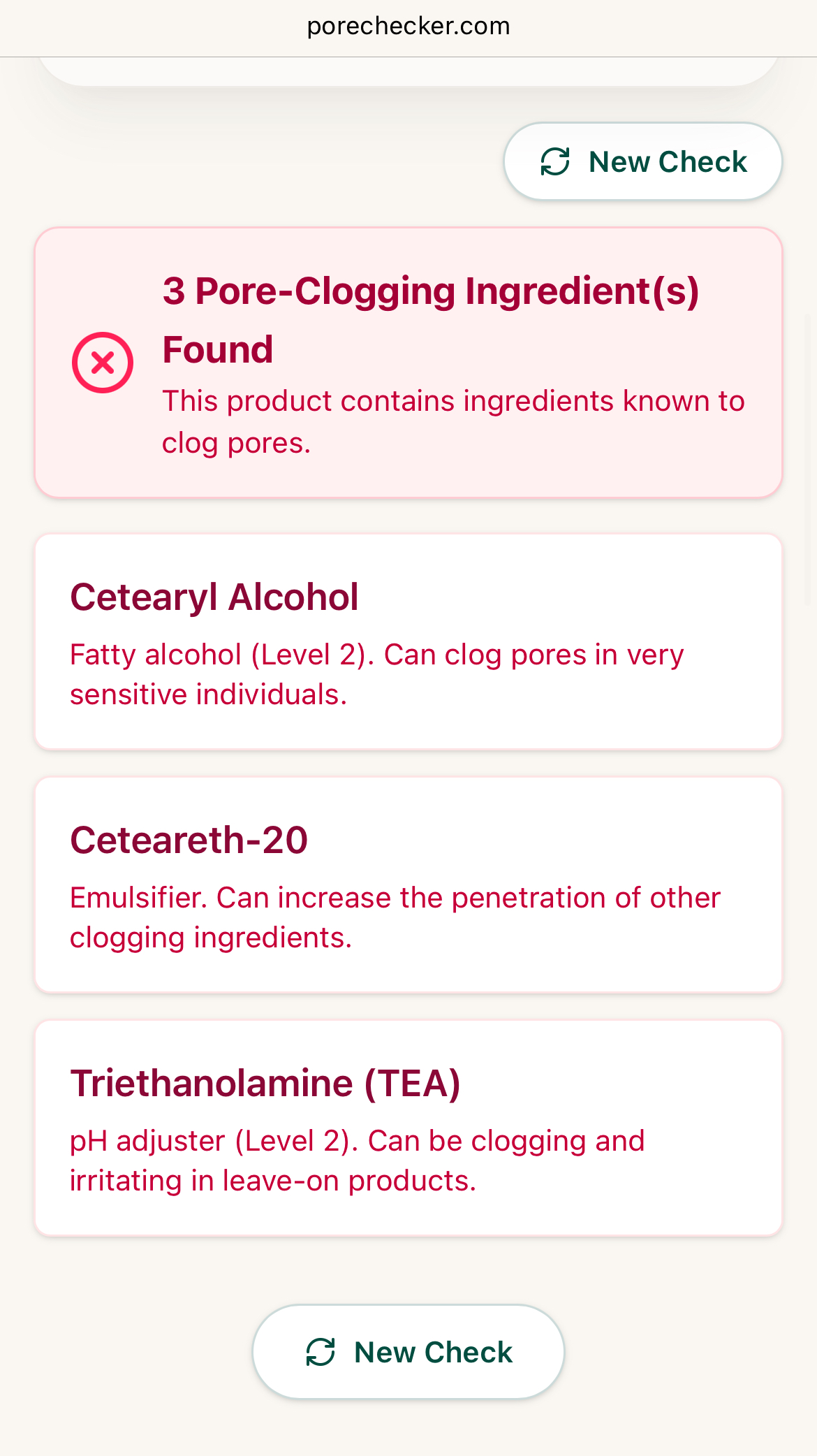
Step 3: Clear Results for Clearer Skin
You get an immediate breakdown. If any red-flag ingredients are found, we highlight them and explain why they might be problematic for your pores.
Does this product fit my skin's needs?
Check Your Products Now