Does Moisturizer Cause Acne? How to Hydrate Without Breaking Out
Struggling with breakouts? Learn if your moisturizer is the culprit and how to select non-comedogenic formulas for healthy, clear skin.
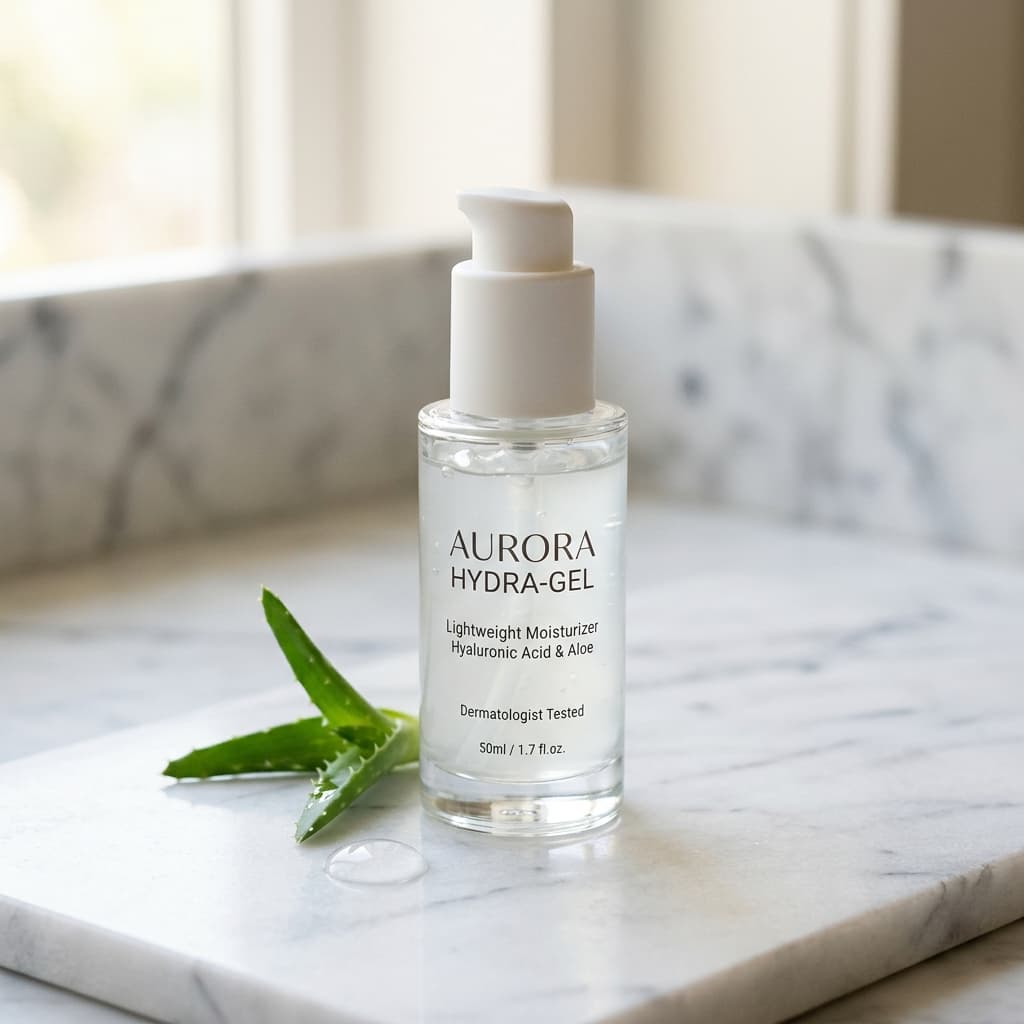
For those navigating the persistent cycle of breakouts, the advice to "keep your skin hydrated" often feels like a trap. It is a common frustration: you invest in a moisturizer hoping to soothe inflammation, only to wake up the next morning with new congestion. This leads many to wonder: does moisturizer cause acne? The short answer is that while hydration is essential for a healthy skin barrier, the wrong formulation can indeed trigger follicular occlusion.
Acne is a complex condition driven by genetics, hormones, and environmental factors, but topical application plays a significant role. When a moisturizer contains ingredients that are inherently comedogenic, it creates an occlusive film that traps sebum and dead skin cells within the follicle. If you have been avoiding moisturizer entirely to stay "clear," you may actually be inadvertently causing your skin to overproduce oil in a desperate attempt to hydrate itself, leading to further breakouts.
The Science of Comedogenicity
Not all emollients are created equal. Comedogenicity refers to the likelihood of an ingredient to clog pores. In dermatology, we look at the molecular size and fatty acid composition of oils and waxes. Ingredients like isopropyl myristate, lanolin, and certain algae extracts have a high affinity for binding to keratinocytes, essentially "gluing" them together inside the pore lining. Once this plug forms, it creates the perfect anaerobic environment for C. acnes bacteria to thrive, resulting in papules and pustules.
Hidden Pore-Cloggers to Watch For
Many products marketed as "lightweight" or "gentle" still hide ingredients that can be problematic for acne-prone individuals. Coconut oil, for instance, is highly praised in the wellness industry for its antimicrobial properties, yet it ranks very high on the comedogenic scale. Similarly, heavy botanical butters like cocoa butter can create a barrier so dense that it prevents the natural shedding of the skin’s surface, leading to micro-comedones long before you see a visible pimple.
Finding a Balanced Approach
The goal is to maintain the integrity of your skin barrier without providing the fuel for breakouts. Look for labels that explicitly state "non-comedogenic" or "oil-free," but do not rely on these terms alone, as they are often unregulated. Instead, prioritize water-based gels or lotions formulated with humectants like glycerin or hyaluronic acid. These ingredients draw moisture into the skin without adding heavy, pore-clogging waxes or lipids that disrupt your follicular health.
Don't Let Your Products Ruin Your Progress
It is a devastating reality that a well-intentioned skincare routine can sometimes be the very thing hindering your path to clear skin. Because ingredient lists are often difficult to decipher, it is easy to accidentally incorporate a product that looks clean on the label but contains hidden irritants that trigger inflammation over time. To ensure your progress isn't stalled by a single moisturizer or serum, you must scrutinize every ingredient against a clinical database of pore-clogging agents, allowing you to build a routine that supports your skin's health rather than working against it.
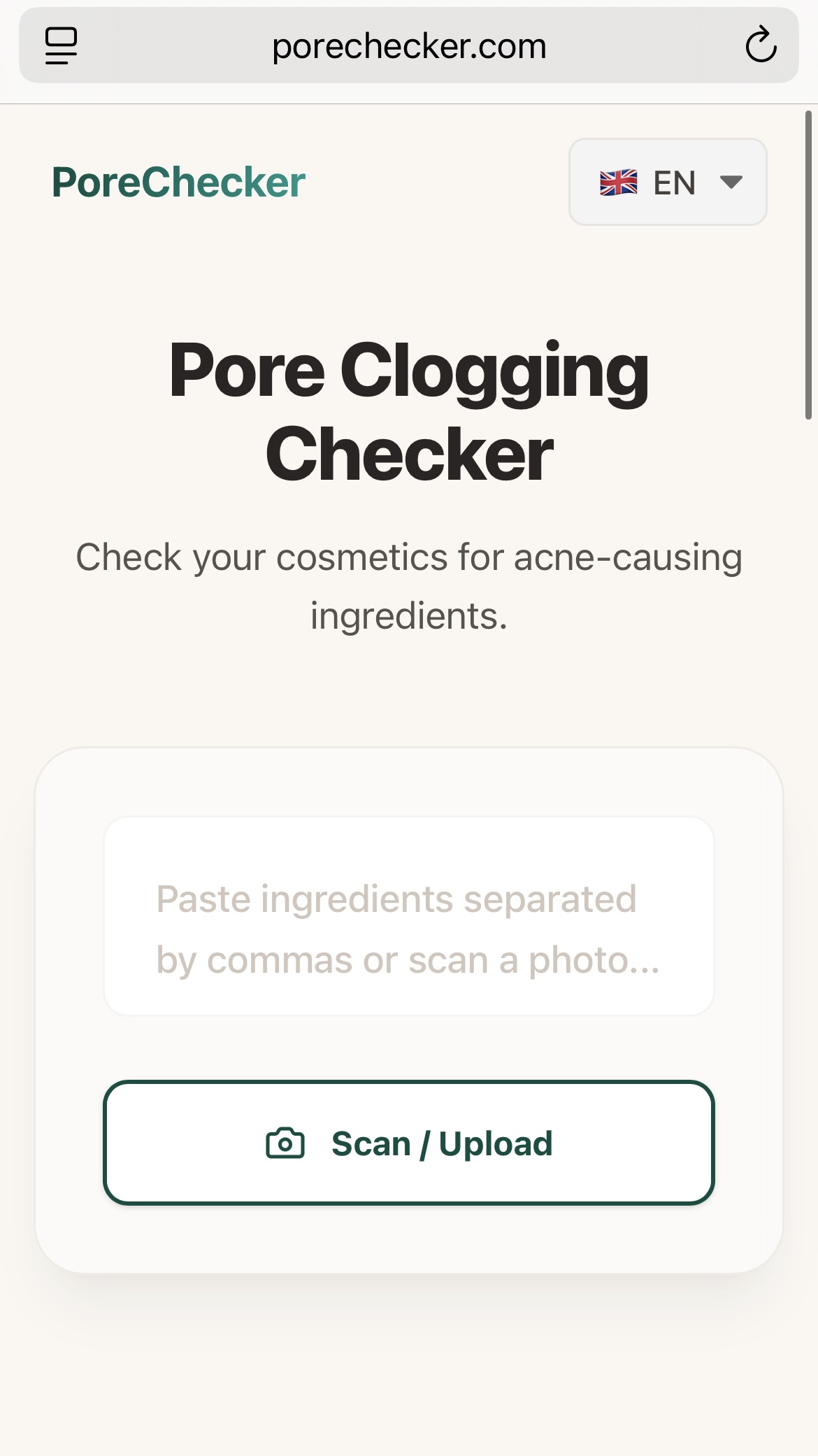
Step 1: Upload Your Product Image
Simply snap a photo of the ingredient list on the back of any bottle, jar, or box. No typing required.
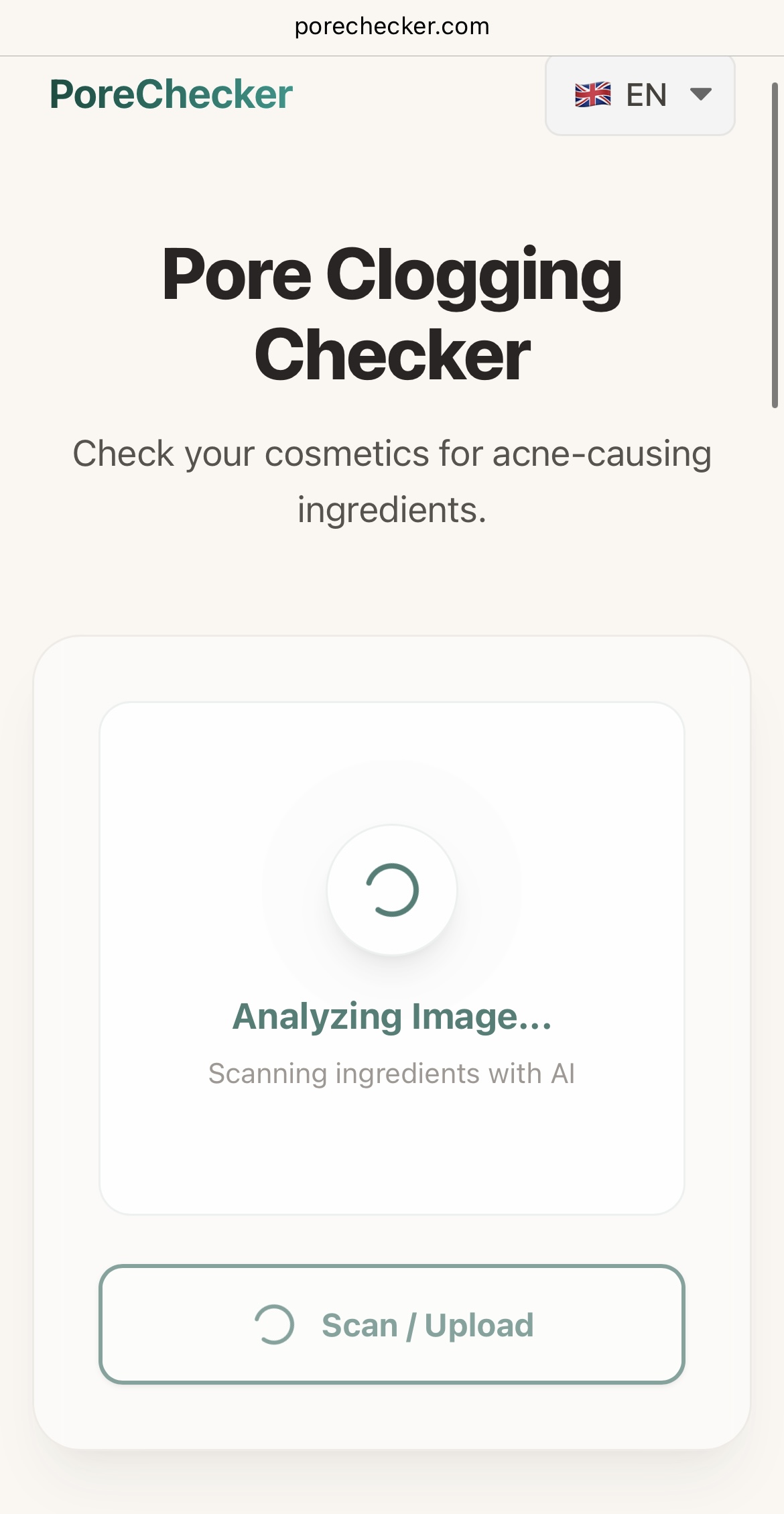
Step 2: Instant AI Ingredient Analysis
Our advanced AI scans the image, performs OCR (Optical Character Recognition), and matches every ingredient against our curated database of comedogenic substances.
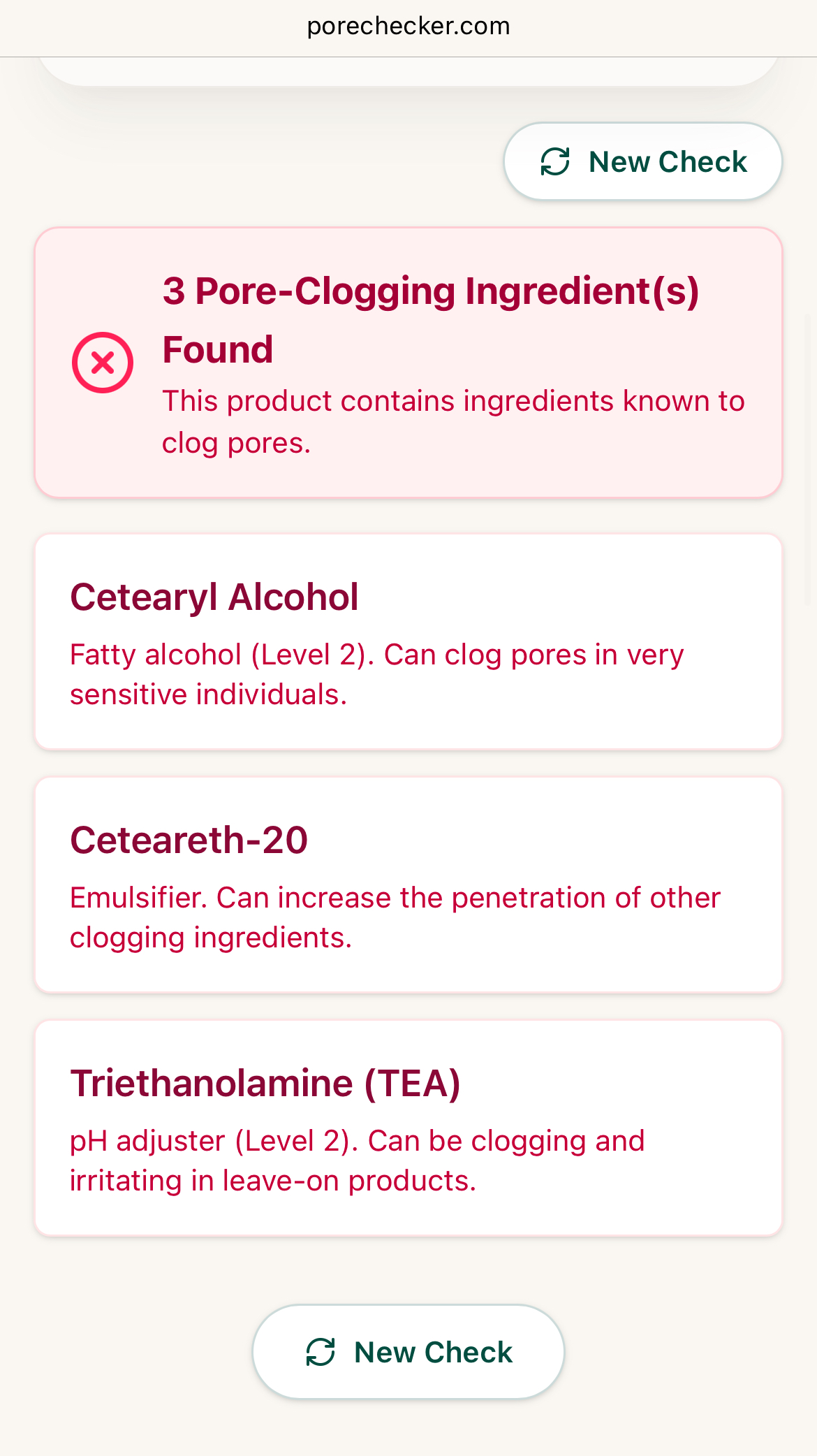
Step 3: Clear Results for Clearer Skin
You get an immediate breakdown. If any red-flag ingredients are found, we highlight them and explain why they might be problematic for your pores.
Does this product fit my skin's needs?
Check Your Products Now