Does Niacinamide Help With Acne? A Dermatologist's Honest Answer
Discover if niacinamide helps with acne. Expert skincare advice & insights. Learn how this ingredient can transform your skin and avoid pore-clogging products.

The quest for clear skin is a journey many of us embark on, often fraught with frustration and misinformation. When acne becomes a persistent problem, the deluge of advice can be overwhelming. Among the countless ingredients touted as solutions, niacinamide consistently rises to the surface. But does this widely celebrated compound truly hold the key to banishing blemishes, or is it just another skincare fad?
As a dermatologist, I've dedicated my career to understanding the intricacies of the skin and providing effective, science-backed solutions. I emphasize non-comedogenic care, a cornerstone of successful acne treatment. This means focusing on products that won't clog your pores, as that's where many of the initial problems with acne start. Let's delve into the science behind niacinamide and how it might fit into your skincare routine.
Understanding Niacinamide and Its Benefits
Niacinamide, a form of vitamin B3, is a water-soluble vitamin that offers a range of benefits for the skin. It's known for its anti-inflammatory properties, making it beneficial for those struggling with acne. It can help to reduce redness, swelling, and the appearance of inflammatory lesions. Beyond its anti-inflammatory effects, niacinamide also helps regulate sebum production, which can be a key factor in acne development. Too much oil clogs pores, and this vitamin helps maintain a healthy balance.
The Science Behind the Claims
Numerous studies support the efficacy of niacinamide in treating acne. Research suggests that it can be as effective as some topical acne medications, such as clindamycin, in reducing inflammatory acne lesions. Furthermore, niacinamide helps to strengthen the skin barrier, which can improve overall skin health and resilience. It does this by increasing the production of ceramides, which are essential lipids that help to maintain the skin's protective barrier.
How to Incorporate Niacinamide Into Your Routine
When introducing niacinamide into your skincare routine, it's best to start slowly. Begin with a low concentration (around 2-5%) to assess your skin's tolerance. Apply the product after cleansing and before heavier moisturizers. You can find niacinamide in various forms, including serums, toners, and moisturizers. Look for products that are formulated with other beneficial ingredients, such as hyaluronic acid or antioxidants, to maximize the benefits.
Potential Downsides and Considerations
While niacinamide is generally well-tolerated, some individuals may experience side effects. These can include mild redness, itching, or irritation, particularly when starting a new product or using a high concentration. If you experience these symptoms, reduce the frequency of application or try a lower concentration. Additionally, be mindful of combining niacinamide with other active ingredients, like vitamin C (L-ascorbic acid). It's best to alternate the application times to avoid any potential interactions. Using niacinamide in the morning and vitamin C in the evening can be a good strategy.
Navigating the World of Skincare Products
The effectiveness of niacinamide is heavily influenced by the quality of the product and the overall formulation. It's essential to choose products from reputable brands that prioritize quality ingredients. Be aware of potential irritants in your products. Many seemingly innocuous ingredients, like certain types of oils, silicones, and even some preservatives, can contribute to pore-clogging and hinder your progress. You need to read ingredient lists to know what you're really applying to your skin.
Don't Let Your Products Ruin Your Progress
Now that you have a better understanding of niacinamide and its role in acne treatment, it's crucial to consider the other products in your routine. Even the most effective ingredients, like niacinamide, can be undermined by products containing pore-clogging culprits. Regularly assessing the ingredients in your cleanser, moisturizer, and even makeup is key to making sure you're not inadvertently sabotaging your skin. To help streamline this process and ensure your product choices align with your goals for clear, healthy skin, consider using a tool that analyzes product formulations.
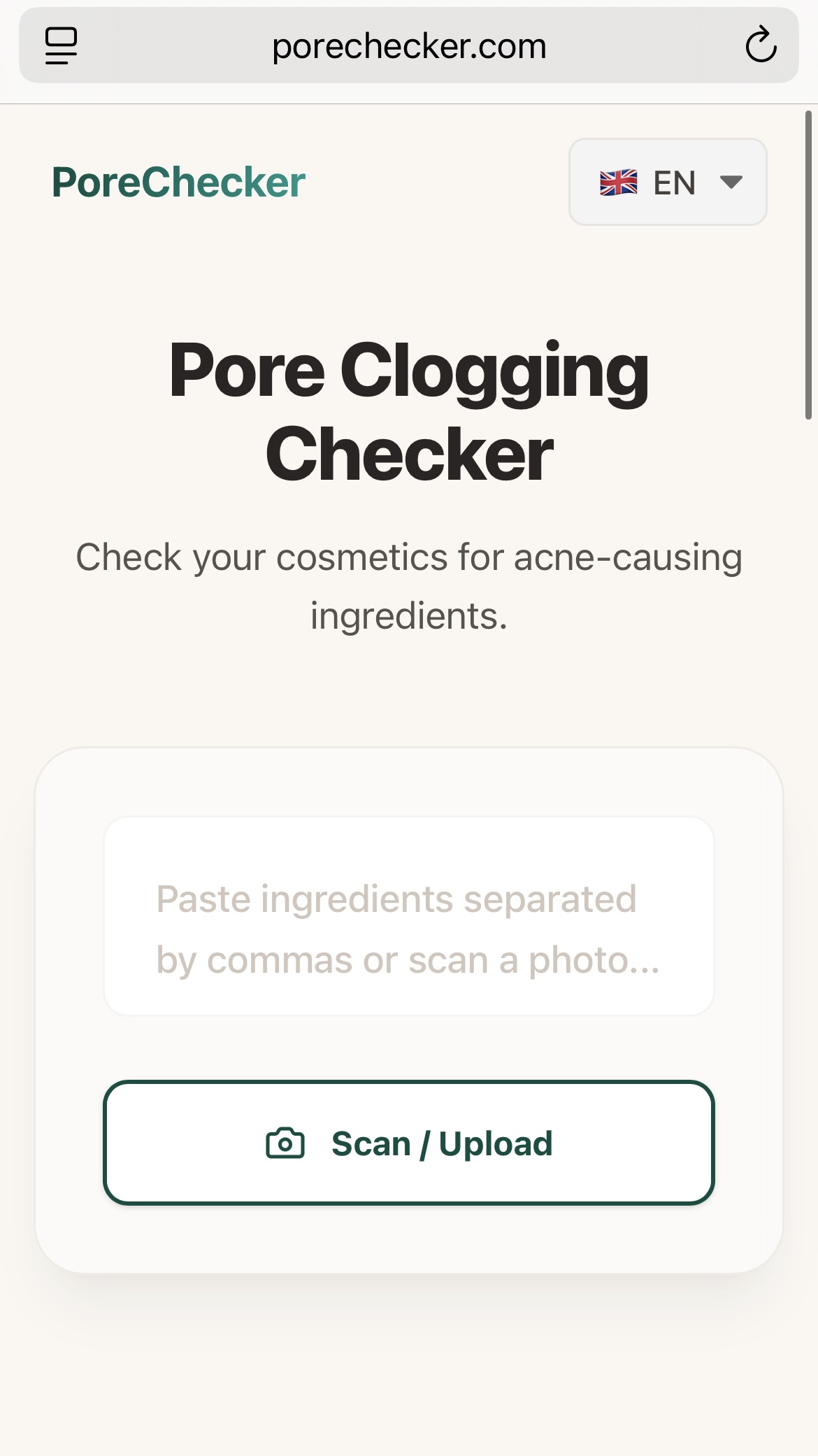
Step 1: Upload Your Product Image
Simply snap a photo of the ingredient list on the back of any bottle, jar, or box. No typing required.
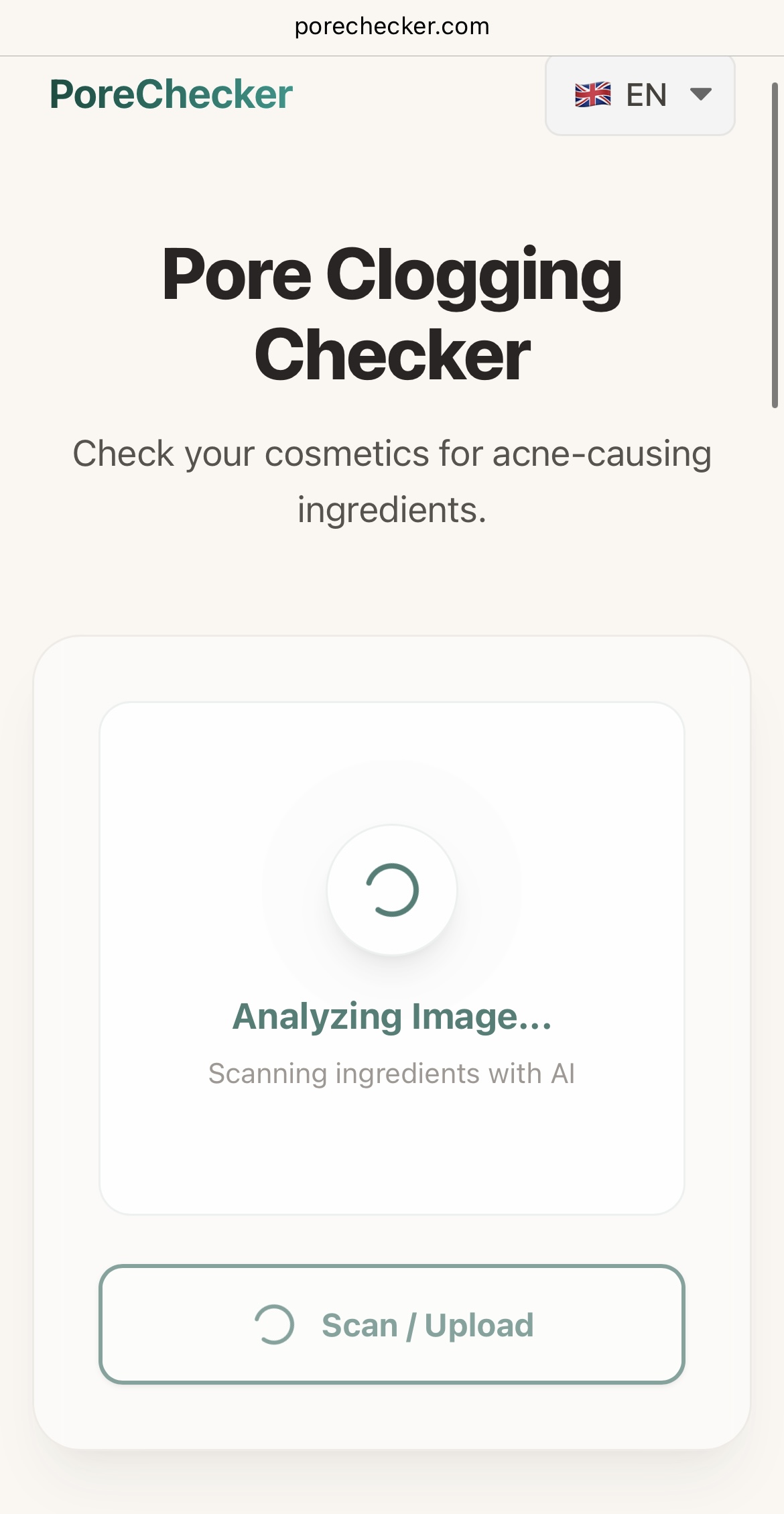
Step 2: Instant AI Ingredient Analysis
Our advanced AI scans the image, performs OCR (Optical Character Recognition), and matches every ingredient against our curated database of comedogenic substances.
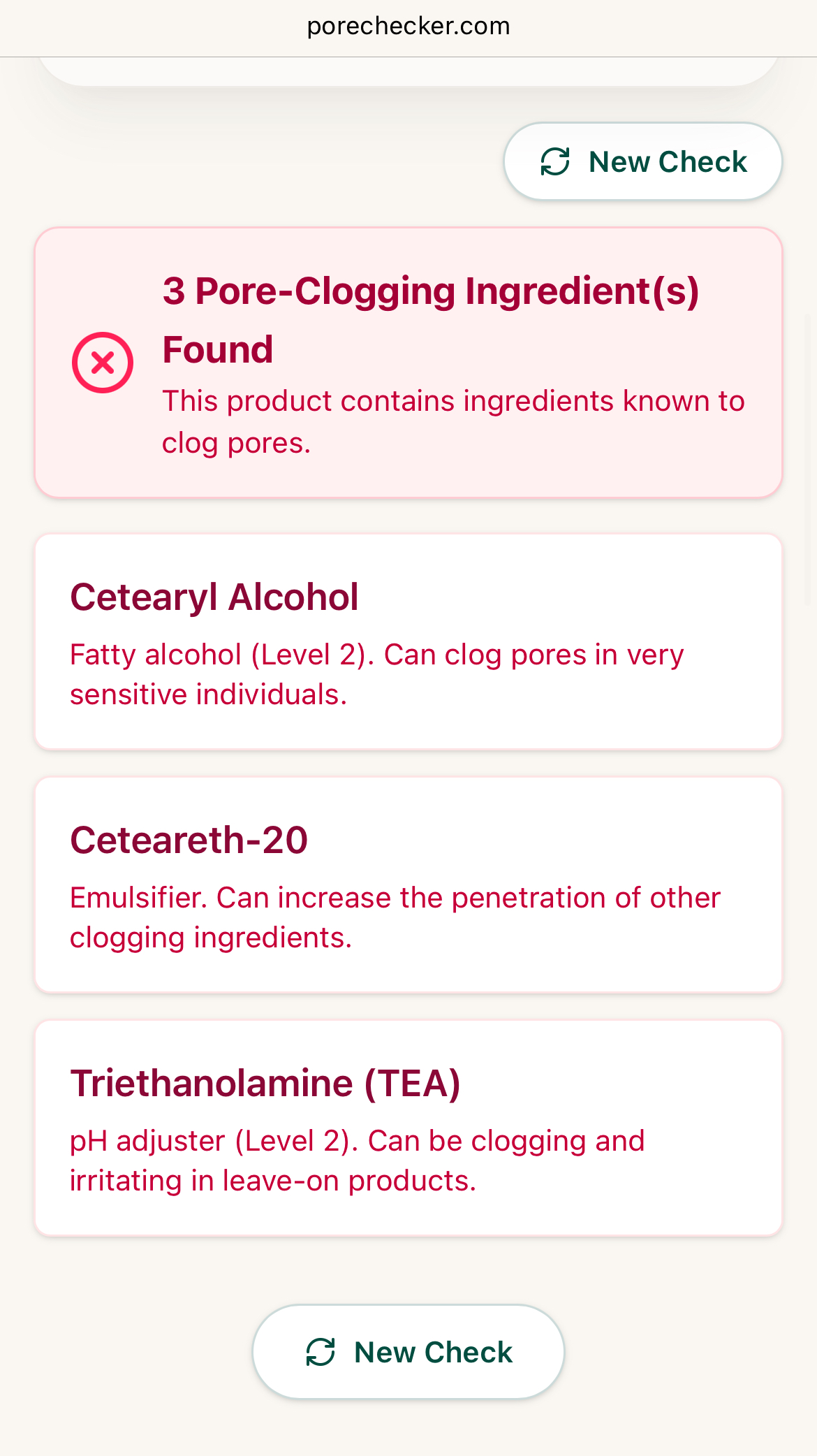
Step 3: Clear Results for Clearer Skin
You get an immediate breakdown. If any red-flag ingredients are found, we highlight them and explain why they might be problematic for your pores.
Does this product fit my skin's needs?
Check Your Products Now