Does Progesterone Cause Acne? Understanding Your Hormonal Skin Cycle
Frustrated by breakouts before your period? Learn how progesterone affects your skin and how to manage hormonal acne effectively.
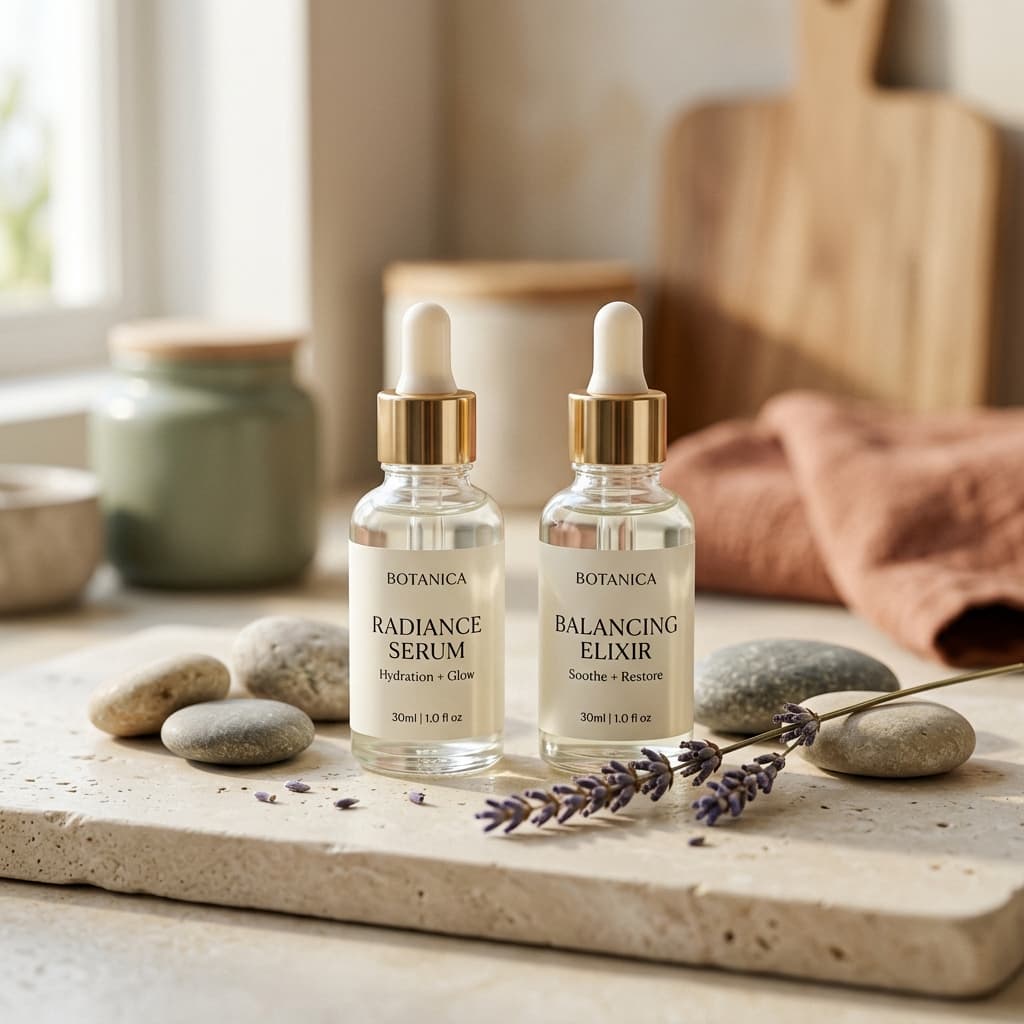
The relationship between your menstrual cycle and your complexion is often a source of frustration, characterized by those predictable, deep-seated breakouts that arrive just as you feel you’ve finally gained control. Many individuals find themselves questioning, does progesterone cause acne? The answer is nuanced, as progesterone does not act alone, but rather works within a complex hormonal symphony that influences sebum production and skin sensitivity.
During the luteal phase—the time between ovulation and the start of your period—progesterone levels rise significantly. While this hormone isn't inherently "acnegenic" in the way an androgen might be, it can cause the skin to swell slightly, which compresses the pores. When this swelling is combined with a shift in the androgen-to-estrogen ratio, your oil glands can become more reactive, setting the stage for congestion and inflammation. Navigating this cycle requires a commitment to non-comedogenic care that supports the skin barrier rather than stripping it.
The Hormonal Mechanism Behind the Breakout
To understand why your skin shifts, we must look at the impact on your sebaceous glands. Progesterone can increase the production of sebum and, in some cases, increase the skin’s sensitivity to circulating androgens. These androgens are the primary drivers of sebum secretion. When your skin is already primed for inflammation due to progesterone-induced pore compression, even a minor increase in oil production can lead to a blocked follicle.
Recognizing the Luteal Pattern
Hormonal acne typically follows a specific geography on the face, usually clustering around the jawline, chin, and neck. Unlike the occasional surface whitehead, these lesions are often cystic, tender, and slow to heal. Identifying this pattern is the first step in effective management. Because these breakouts are internally driven, topical treatments alone are often insufficient; they require a balanced approach that pairs gentle, anti-inflammatory skincare with lifestyle consistency.
Managing Skin During Progesterone Spikes
During the week leading up to your cycle, your primary goal should be barrier maintenance and inflammation reduction. Avoid aggressive physical scrubs or high-concentration acids that may compromise the skin’s protective layer, as this can exacerbate the inflammatory response. Instead, integrate ingredients that soothe the skin and regulate the follicular environment, such as niacinamide or azelaic acid, which are generally well-tolerated even by reactive hormonal skin.
Don't Let Your Products Ruin Your Progress
Even when your hormones are behaving, the topical products you apply can trigger secondary breakouts that mimic hormonal acne. Many common moisturizers, sunscreens, and even "calming" serums contain hidden pore-clogging ingredients that exacerbate the congestion caused by progesterone. If your skin is already sensitized by your monthly cycle, layering these ingredients onto your face is essentially pouring fuel on a fire. Identifying these sneaky culprits is an essential part of your skincare strategy, as using a dedicated ingredient analysis tool can help you screen your current regimen to ensure you aren't unknowingly contributing to your own breakouts while trying to clear them.
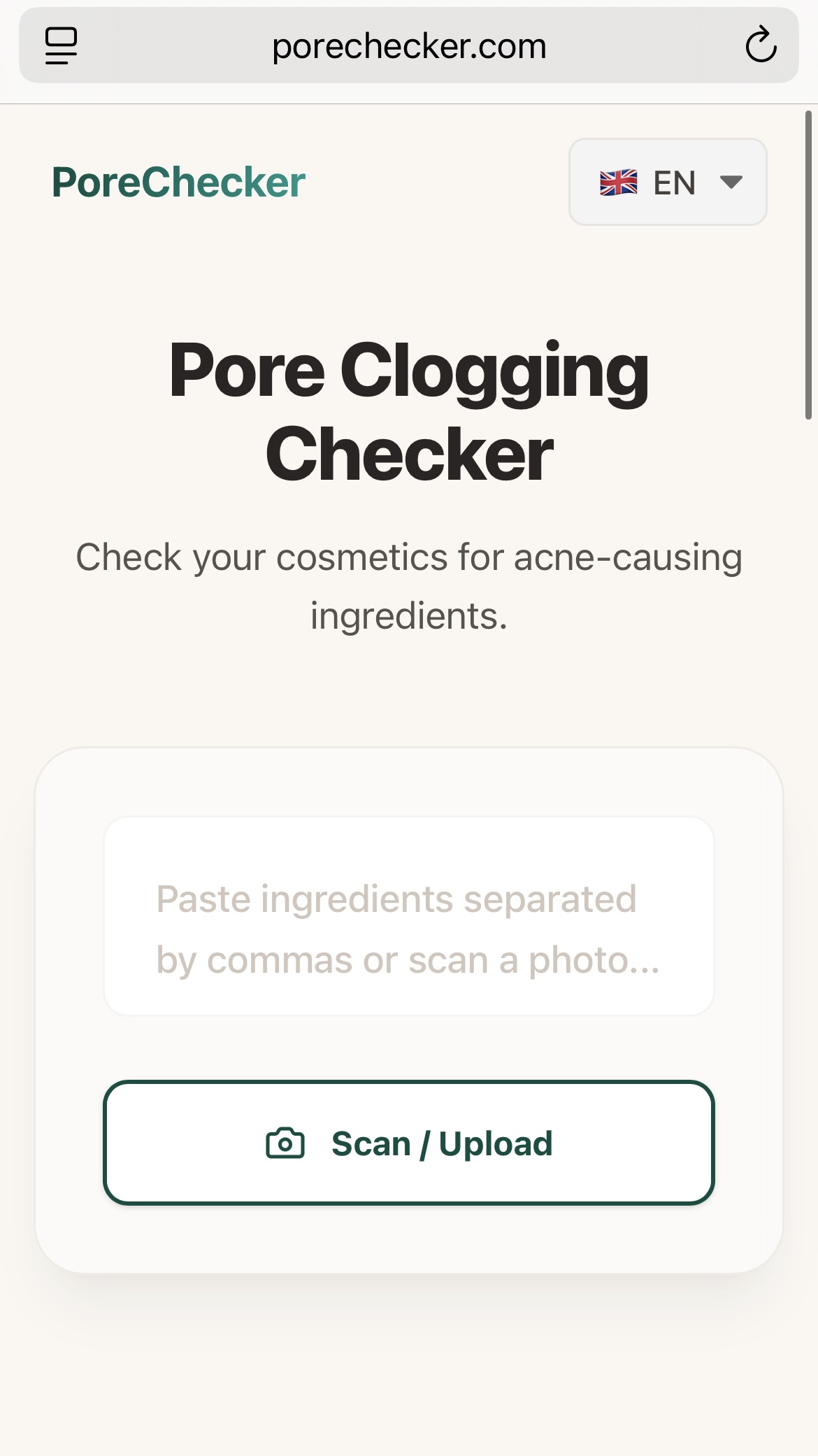
Step 1: Upload Your Product Image
Simply snap a photo of the ingredient list on the back of any bottle, jar, or box. No typing required.
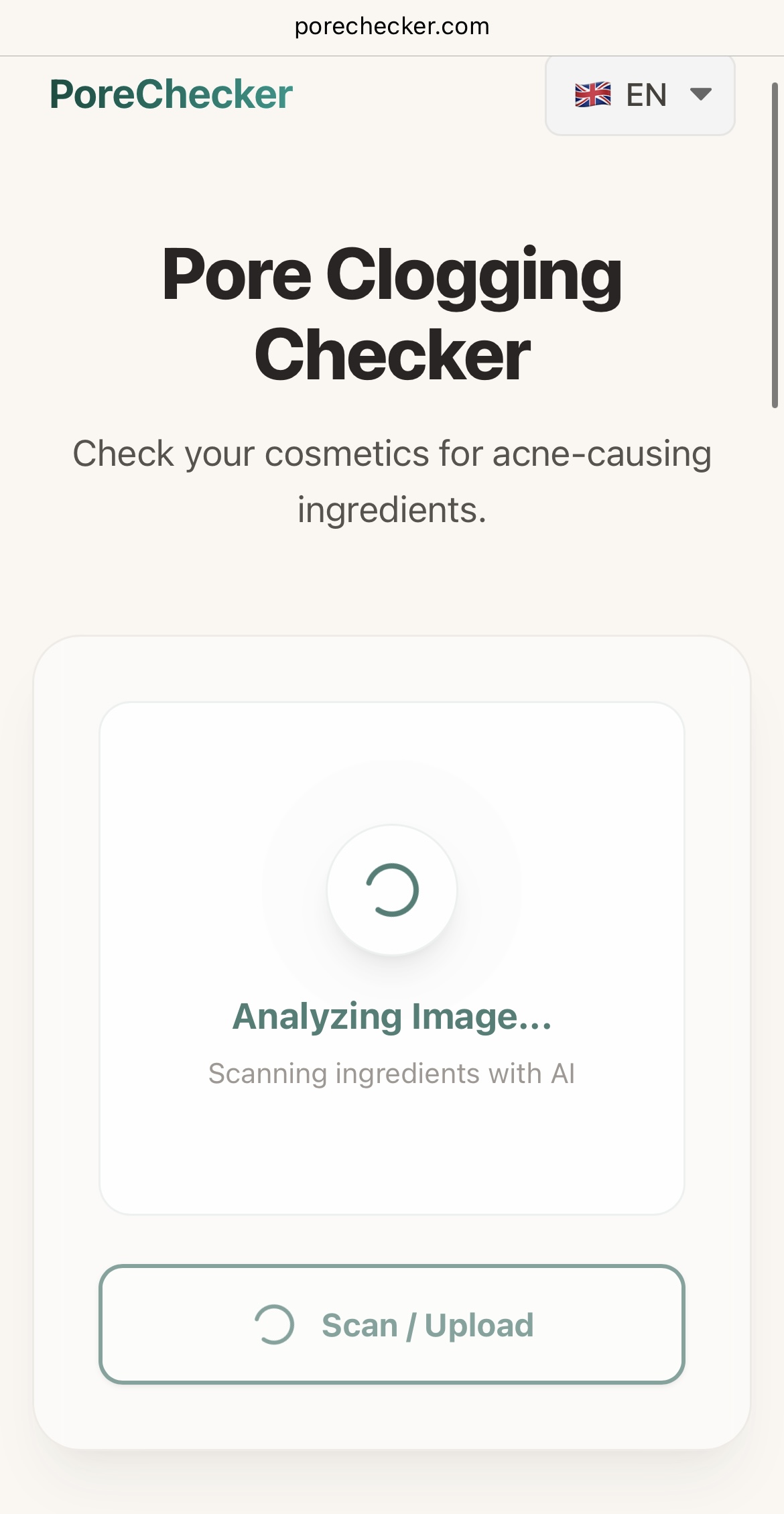
Step 2: Instant AI Ingredient Analysis
Our advanced AI scans the image, performs OCR (Optical Character Recognition), and matches every ingredient against our curated database of comedogenic substances.
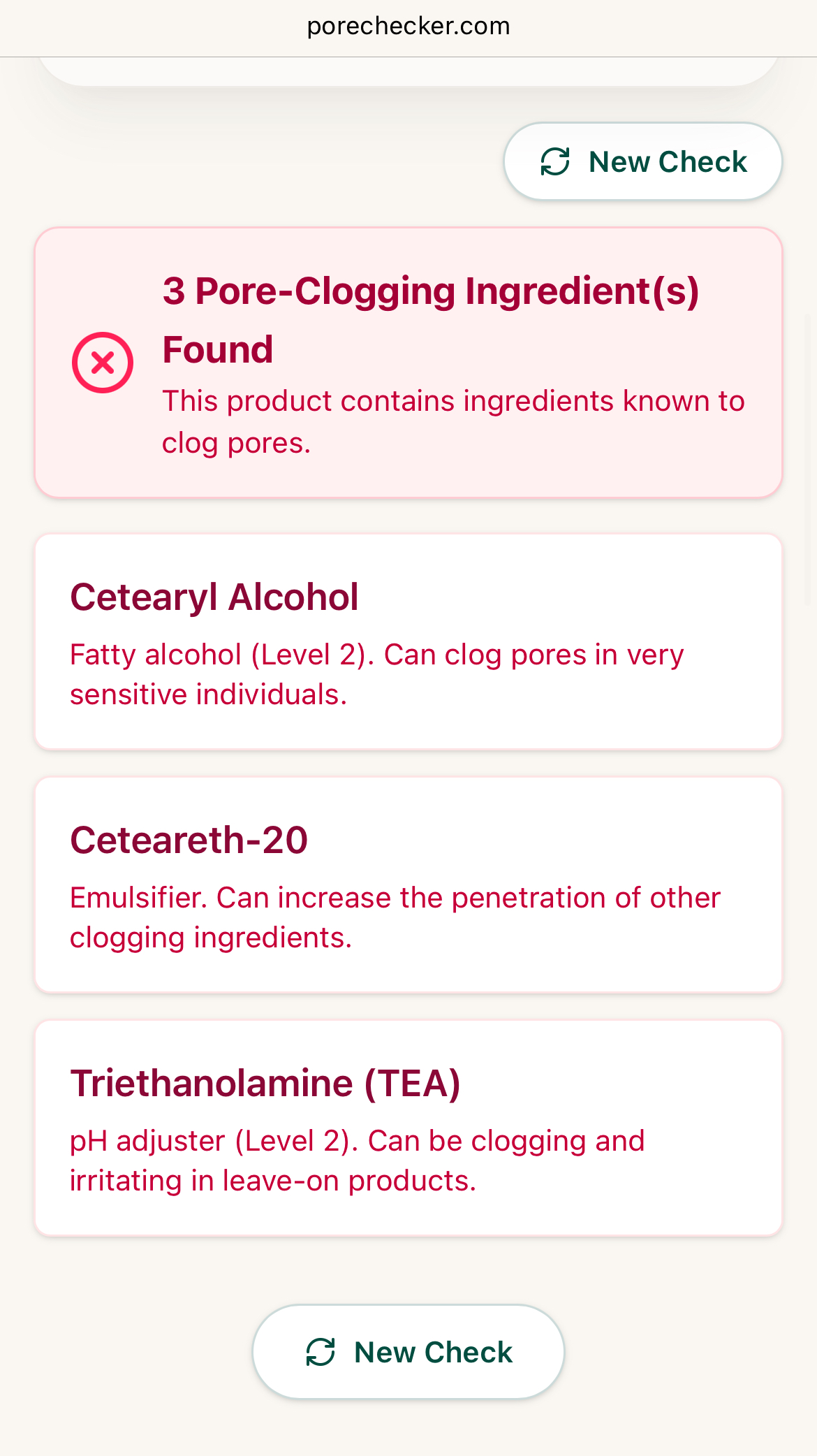
Step 3: Clear Results for Clearer Skin
You get an immediate breakdown. If any red-flag ingredients are found, we highlight them and explain why they might be problematic for your pores.
Does this product fit my skin's needs?
Check Your Products Now