Does Red Light Help With Acne? The Science Behind Phototherapy
Does red light help with acne? Explore the science behind LED therapy and how to treat breakouts without clogging your pores.
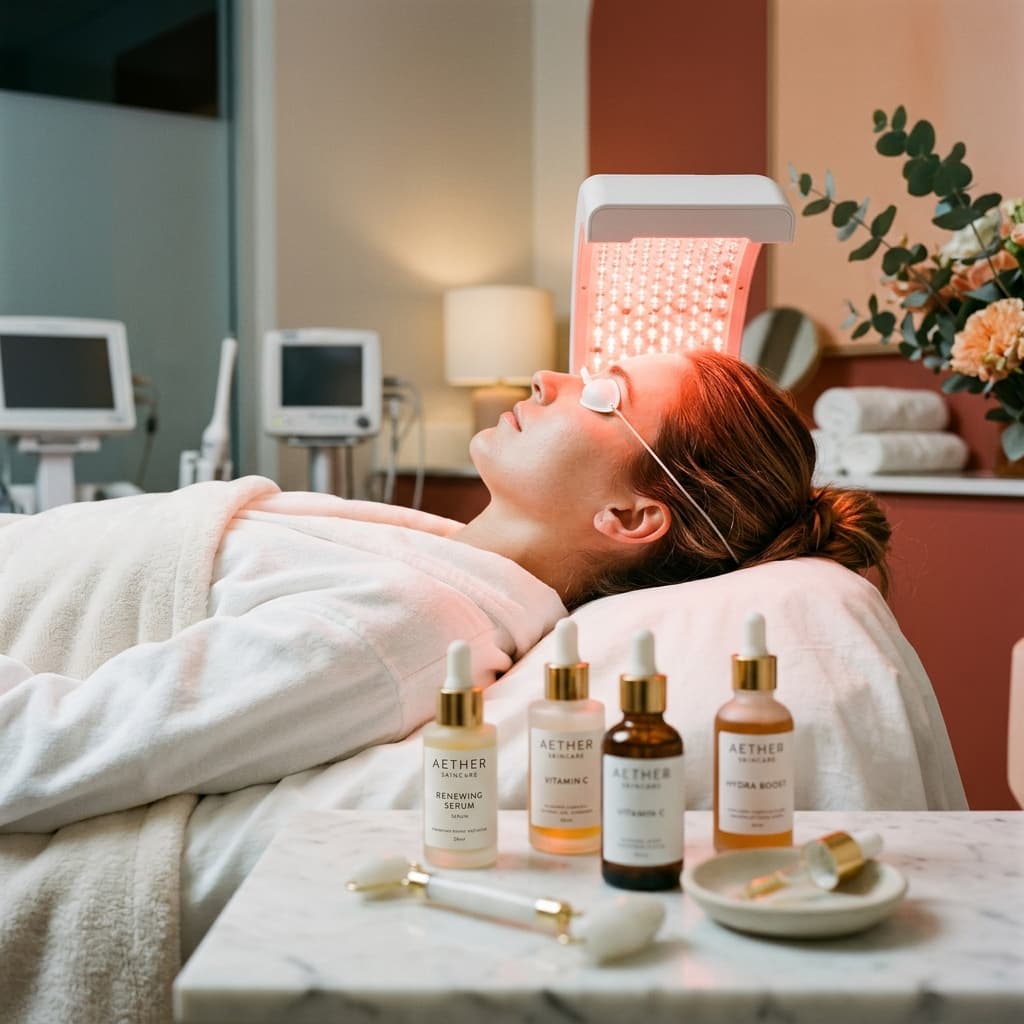
Acne is a complex inflammatory condition, often involving a trifecta of excess sebum, hyperkeratinization, and the proliferation of Cutibacterium acnes. While traditional topical treatments like retinoids and benzoyl peroxide remain the gold standard, many patients seek adjunctive therapies to manage inflammation and accelerate healing. This is where low-level light therapy (LLLT) gains traction in clinical and home-care settings.
The question of "does red light help with acne" requires a nuanced understanding of how specific wavelengths interact with cellular pathways. While blue light is frequently cited for its antibacterial properties, red light functions primarily through anti-inflammatory mechanisms. It penetrates deeper into the dermis than blue light, modulating cytokine production and reducing the redness and swelling associated with active, painful lesions.
The Mechanism of Red Light Therapy
Red light typically operates at wavelengths between 630 and 700 nanometers. In the context of acne, its primary function is not to kill bacteria directly, but to foster an environment where the skin can heal itself more efficiently. By stimulating the mitochondria within fibroblasts and other skin cells, red light therapy boosts adenosine triphosphate (ATP) production. This energy surge promotes cellular repair and dampens the inflammatory signaling that keeps acne spots inflamed and visible for extended periods.
Synergy: Red vs. Blue Light
Most clinical studies suggest that the most effective approach is a combination of blue and red light. The blue light works to target the C. acnes bacteria at the surface level, while the red light follows up to soothe the inflammatory response. Utilizing red light in isolation can still be beneficial for those struggling with post-inflammatory erythema—the red or purple marks left behind after a breakout has cleared—as it encourages healthy blood flow and tissue recovery.
Managing Expectations and Consistent Care
Phototherapy is not a overnight miracle. Consistency is the most critical factor in achieving results. Most medical-grade home devices require daily or near-daily application for several weeks before significant changes in skin texture and lesion count are observed. Furthermore, while light therapy addresses the symptoms of inflammation, it does not stop the underlying production of sebum or the hormonal fluctuations that trigger breakouts. It must be integrated into a broader, non-comedogenic skincare regimen to be truly effective.
Don't Let Your Products Ruin Your Progress
Investing in high-end light therapy devices becomes counterproductive if you are unknowingly introducing pore-clogging ingredients into your daily routine. Many moisturizers and sunscreens contain hidden comedogenic agents—such as certain fatty acids or thick emollients—that can trigger new breakouts even while you are working to heal existing ones with light therapy. To maximize the benefits of your phototherapy sessions, it is essential to audit your entire vanity. Ensuring every product that touches your face is non-comedogenic will prevent the cycle of congestion from undermining the anti-inflammatory progress you are working so hard to achieve.
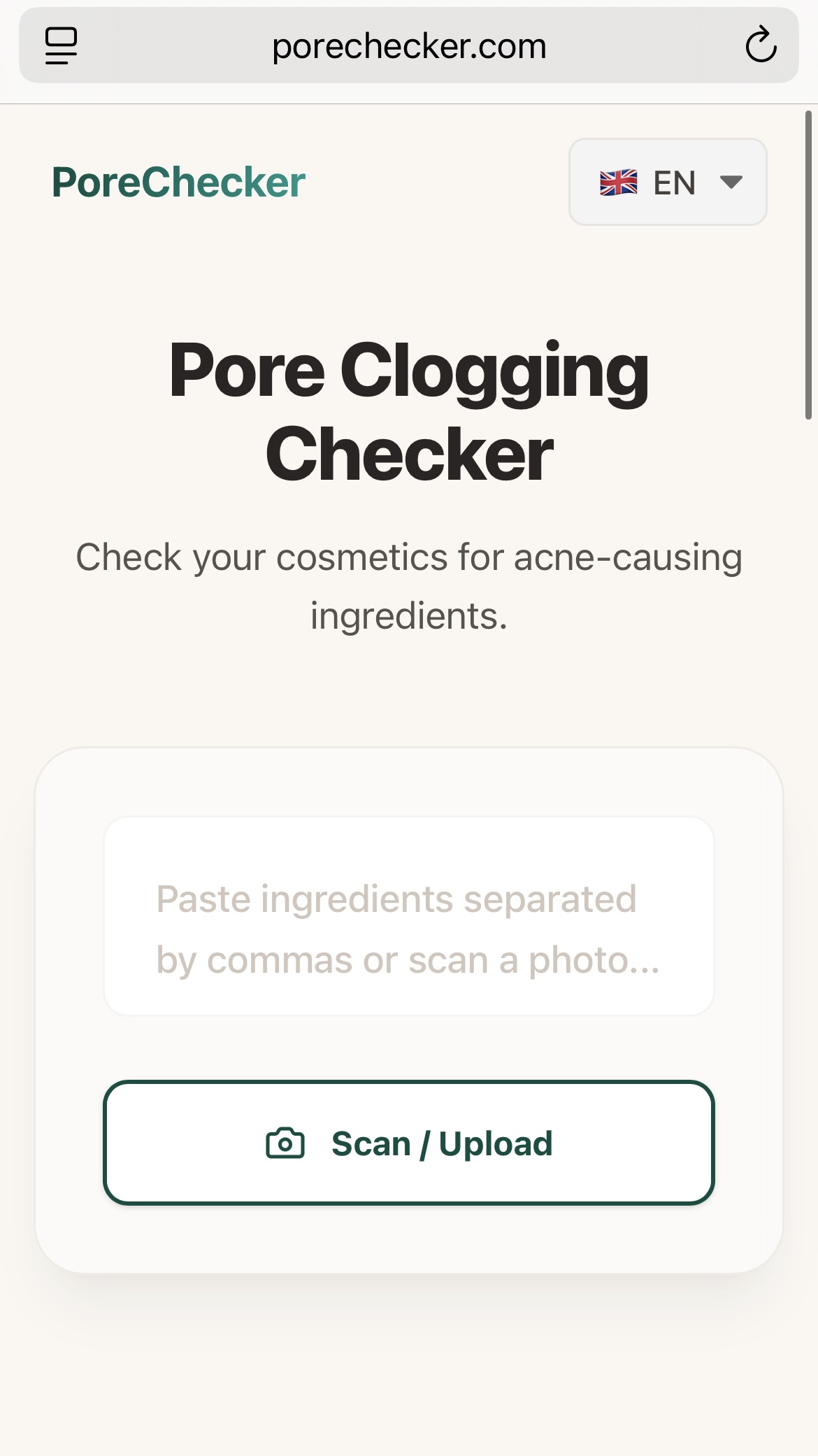
Step 1: Upload Your Product Image
Simply snap a photo of the ingredient list on the back of any bottle, jar, or box. No typing required.
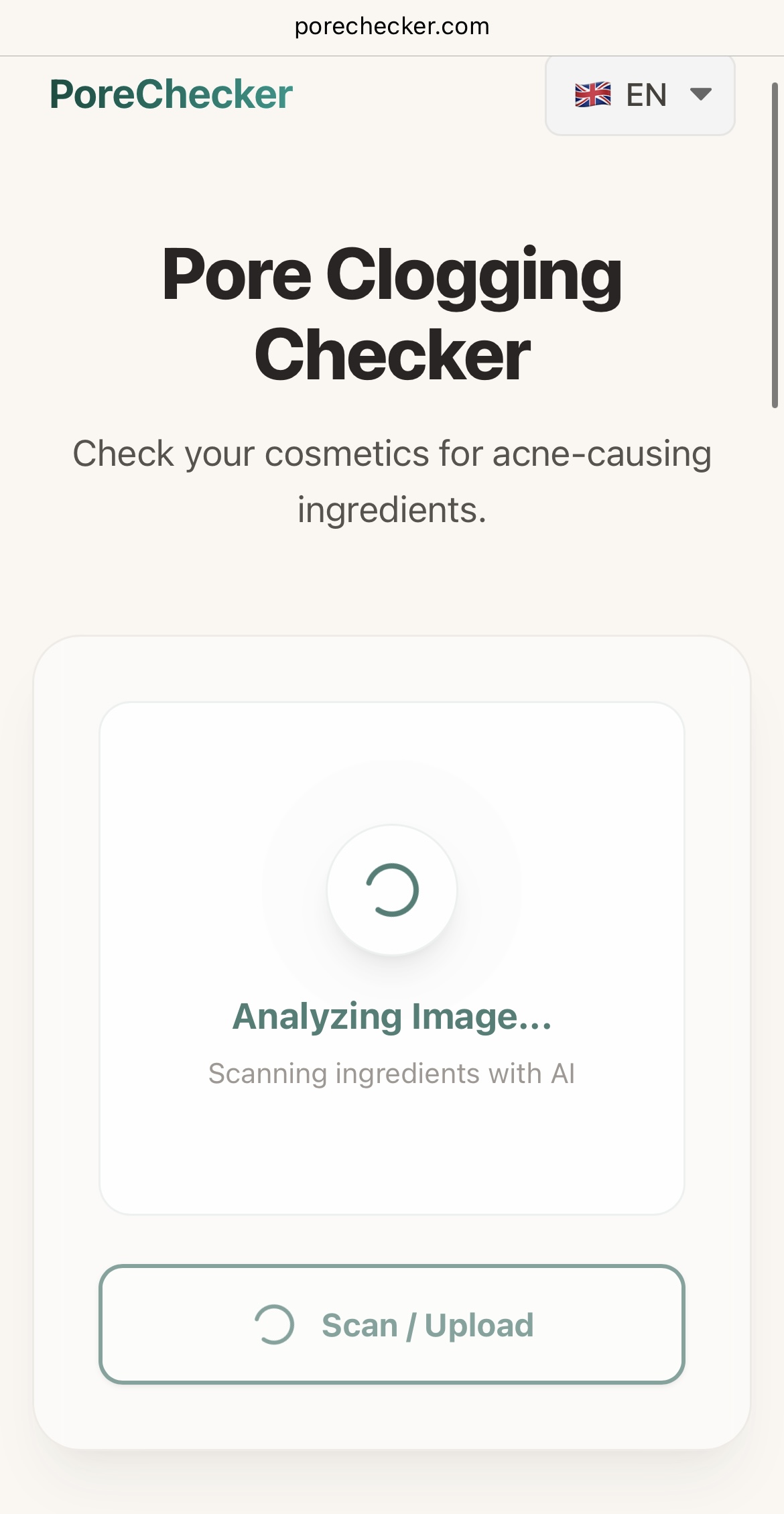
Step 2: Instant AI Ingredient Analysis
Our advanced AI scans the image, performs OCR (Optical Character Recognition), and matches every ingredient against our curated database of comedogenic substances.
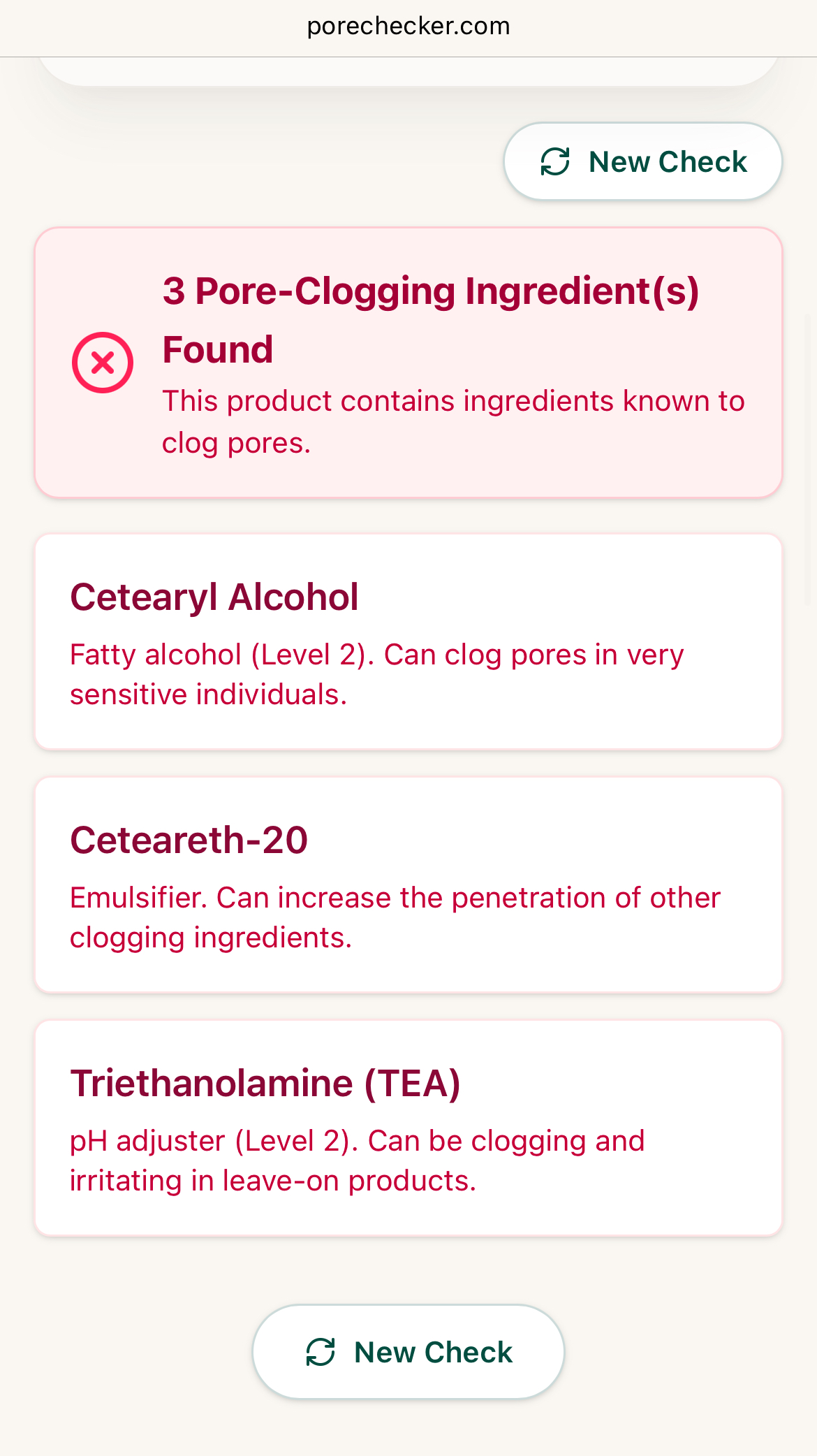
Step 3: Clear Results for Clearer Skin
You get an immediate breakdown. If any red-flag ingredients are found, we highlight them and explain why they might be problematic for your pores.
Does this product fit my skin's needs?
Check Your Products Now