Does Stress Cause Acne? Unpacking the Link and Finding Relief
Discover how stress impacts your skin and triggers acne. Learn actionable steps to manage stress and find clearer skin. Plus, understand the role of non-comedogenic skincare.

The question "does stress cause acne" is one I hear frequently in my practice. The short answer? Yes, there's a strong connection. As a dermatologist, I've seen firsthand how stress can wreak havoc on the skin, contributing to breakouts and exacerbating existing conditions. The body's stress response triggers a cascade of hormonal and inflammatory changes that directly impact the skin's health. This is why managing stress is such a critical component of any effective skincare routine.
However, it's crucial to remember that while stress is a significant factor, it's often not the *sole* cause. Many other elements play a role, including genetics, diet, and skincare choices. A holistic approach that addresses all these areas is vital for achieving and maintaining clear, healthy skin. Focus on non-comedogenic skincare products, which are specifically designed to avoid clogging pores, and can significantly minimize the risk of breakouts regardless of your stress levels.
This article will delve into the science behind the stress-acne connection, explore the mechanisms at play, and offer practical, evidence-based strategies to mitigate the effects of stress on your skin. We'll also cover ways to integrate stress-reducing practices into your daily life and make informed skincare choices that support your journey to clearer skin.
The Stress-Acne Connection: A Deep Dive
When you experience stress, your body releases hormones like cortisol. This "stress hormone" doesn't just impact your mood; it also stimulates the sebaceous glands, which produce sebum – the skin's natural oil. Excess sebum can mix with dead skin cells and clog pores, leading to the formation of comedones (blackheads and whiteheads) and, ultimately, acne. This is further complicated by the fact that stress also weakens the skin's natural barrier, making it more susceptible to inflammation and bacterial infection, particularly the *Cutibacterium acnes* bacteria that contribute to acne.
The Science Behind the Breakout
The physiological processes triggered by stress are complex. Cortisol, mentioned earlier, is a key player. But stress also impacts other hormones, such as androgens (like testosterone), which can further increase sebum production. Additionally, chronic stress can weaken the immune system, making it harder for your body to fight off the inflammation and bacteria associated with acne. The skin's microbiome, its community of bacteria and other microorganisms, can also be disrupted by stress, leading to imbalances that contribute to breakouts.
Beyond Hormones: Inflammation and the Skin Barrier
Stress doesn’t just impact hormones; it also fuels inflammation. This can manifest in the skin as redness, swelling, and increased sensitivity. The skin barrier, the outermost layer that protects against environmental aggressors and maintains hydration, also suffers. When the barrier is compromised, it becomes easier for irritants and bacteria to penetrate, worsening acne and other skin conditions. This is why maintaining a strong, healthy skin barrier is crucial, especially during periods of stress.
Strategies for Stress Management and Clearer Skin
Managing stress is a multifaceted approach, but the benefits for your skin are undeniable. Here's a breakdown of effective strategies:
Mindfulness and Meditation
Practicing mindfulness and meditation can help reduce the physical and emotional effects of stress. Regular sessions can lower cortisol levels and promote a sense of calm. Even a few minutes of daily meditation can make a difference. Consider guided meditations or mindfulness apps to get started. Deep breathing exercises are a simple, accessible way to calm the nervous system in the moment.
Exercise and Physical Activity
Exercise is a proven stress reliever. Physical activity releases endorphins, which have mood-boosting effects, and can also help regulate hormones. Aim for at least 30 minutes of moderate-intensity exercise most days of the week. This doesn’t necessarily mean intense workouts; a brisk walk, yoga, or dancing can be equally beneficial.
Prioritize Sleep and Rest
Lack of sleep can exacerbate stress and worsen acne. Aim for 7-9 hours of quality sleep per night. Establish a regular sleep schedule, create a relaxing bedtime routine, and make sure your bedroom is conducive to sleep. Avoid screen time before bed, as the blue light can interfere with sleep.
Healthy Diet and Nutrition
A balanced diet supports overall health and helps manage stress. Focus on whole, unprocessed foods, including plenty of fruits, vegetables, and lean protein. Limit your intake of processed foods, sugary drinks, and excessive amounts of caffeine, which can increase anxiety. Consider incorporating stress-reducing foods like those rich in omega-3 fatty acids.
Effective Skincare Routine
Choose gentle, non-comedogenic skincare products that won't clog pores. Look for ingredients like salicylic acid and benzoyl peroxide to treat acne, but start slowly and gradually increase the frequency to avoid irritation. Regularly cleanse your skin and consider incorporating a light moisturizer to maintain hydration. Avoid harsh scrubs and over-exfoliation, as these can disrupt the skin barrier and worsen acne.
Don't Let Your Products Ruin Your Progress
Even with the best stress management techniques, your skincare routine can sabotage your efforts if you're using the wrong products. Many cleansers, moisturizers, and even makeup items contain ingredients that can clog pores, leading to breakouts and inflammation. Identifying these pore-clogging offenders can be tricky, as the ingredient lists are often long and complex. To ensure you're using truly non-comedogenic products and maximizing your skin's health, checking the ingredients is a crucial step.
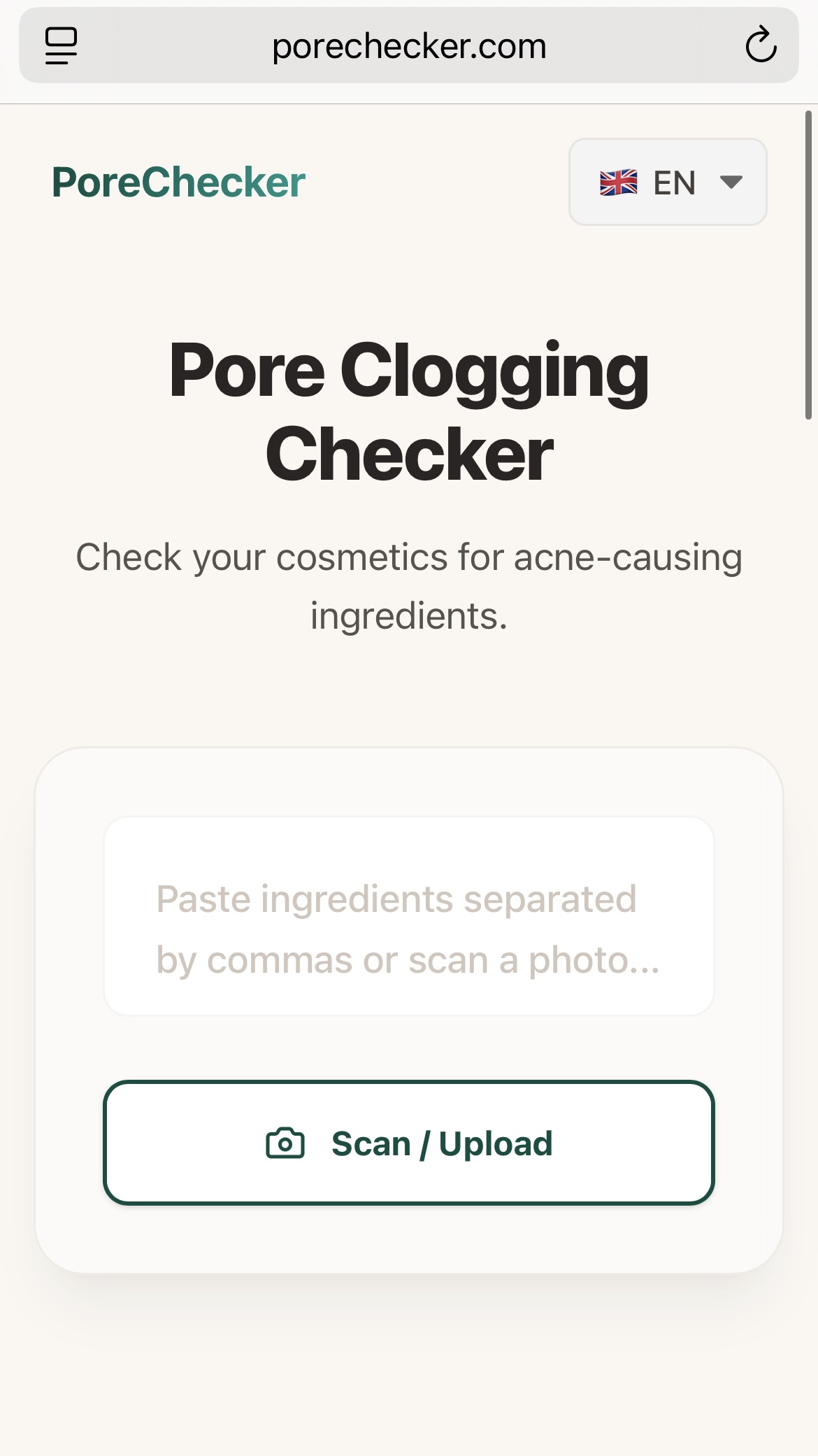
Step 1: Upload Your Product Image
Simply snap a photo of the ingredient list on the back of any bottle, jar, or box. No typing required.
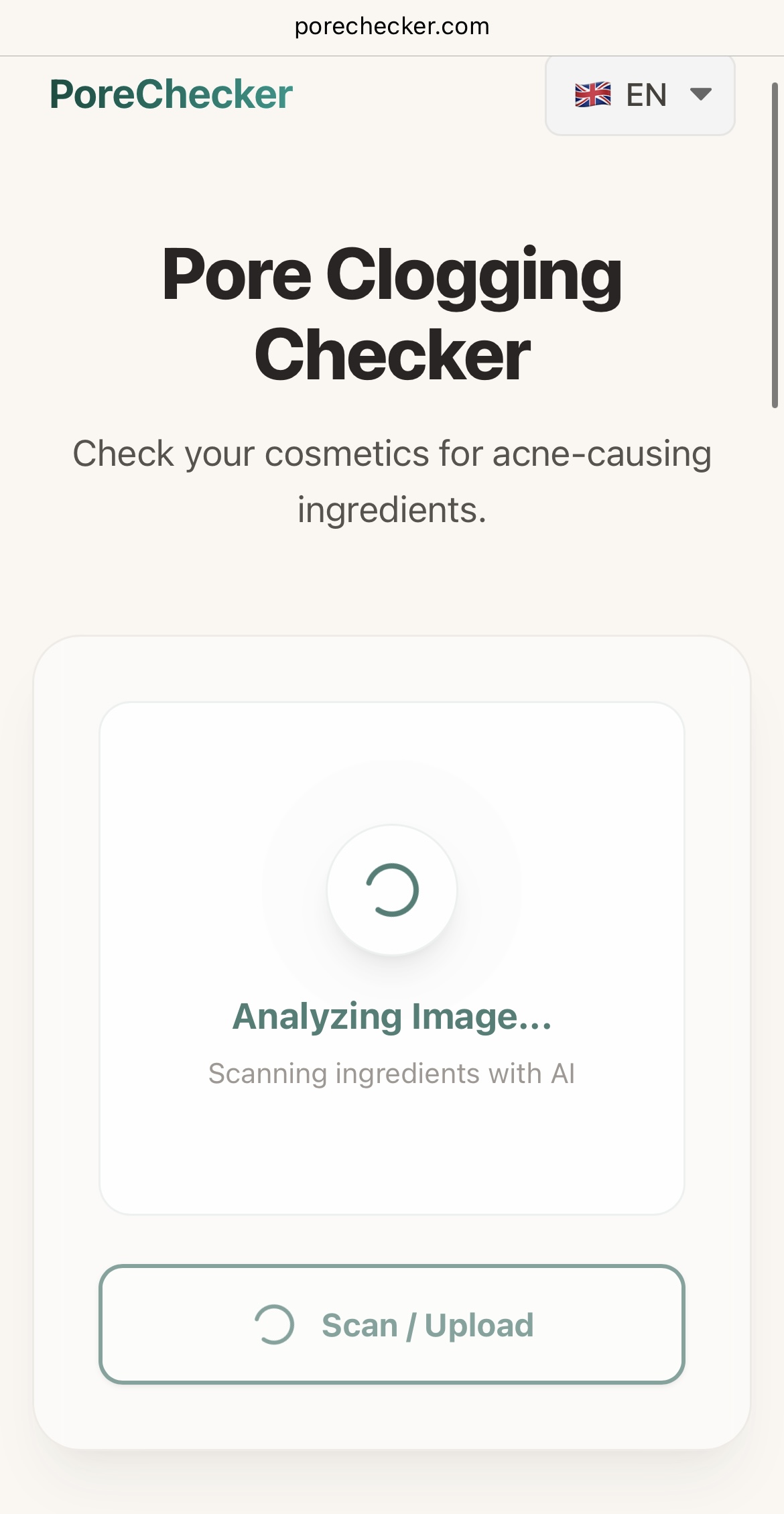
Step 2: Instant AI Ingredient Analysis
Our advanced AI scans the image, performs OCR (Optical Character Recognition), and matches every ingredient against our curated database of comedogenic substances.
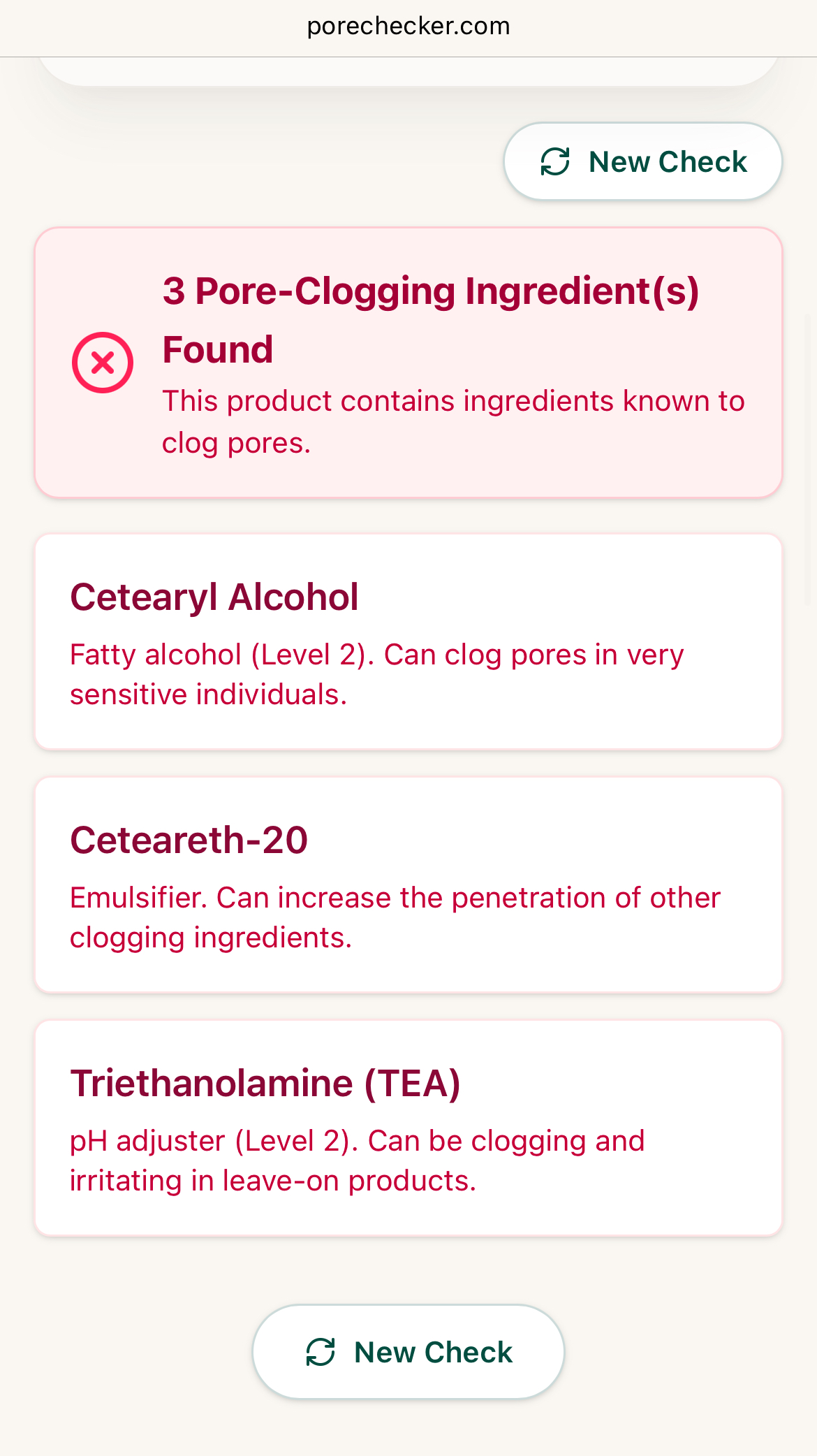
Step 3: Clear Results for Clearer Skin
You get an immediate breakdown. If any red-flag ingredients are found, we highlight them and explain why they might be problematic for your pores.
Does this product fit my skin's needs?
Check Your Products Now