Does Sugar Cause Acne? Unmasking the Truth Behind Your Breakouts
Discover the link between sugar & acne. Expert dermatologist explores how sugar impacts your skin & if it's causing breakouts. Get clear skin advice!
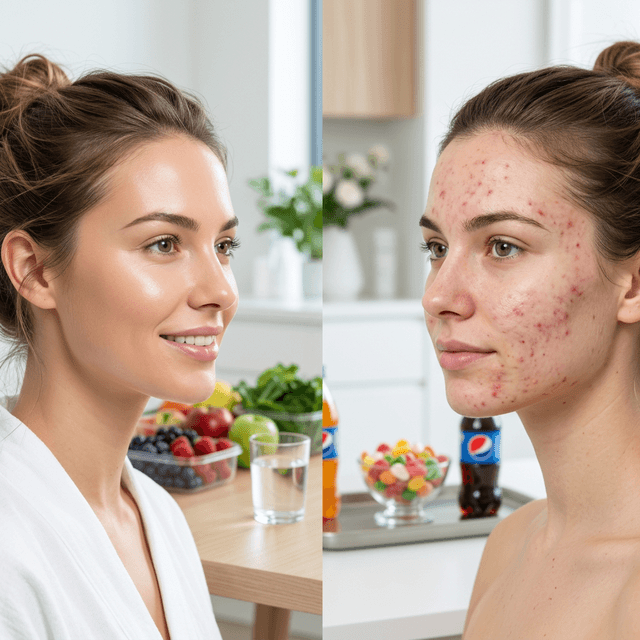
As a dermatologist, I'm often asked about the root causes of acne. While genetics, hormones, and skincare routines play significant roles, diet is another critical factor. Today, we'll dive deep into a common query: Does sugar cause acne? Understanding this relationship is key to achieving and maintaining clear, healthy skin. We'll explore the science behind it and offer actionable advice you can integrate into your life.
Before we begin, it's crucial to remember that achieving clear skin isn't just about eliminating potential triggers. It's equally important to adopt a skincare routine that supports your skin's health. This includes using non-comedogenic products – those specifically formulated not to clog pores – and consistently caring for your skin barrier. Your skincare products are only as effective as the ingredients they contain, so choose wisely.
The Sugar-Acne Connection: A Scientific Overview
The relationship between sugar and acne is complex and involves several biological processes. When you consume sugary foods and drinks, your blood sugar levels spike rapidly. This triggers your body to release insulin, a hormone that helps regulate blood glucose. However, high levels of insulin can lead to a cascade of events that contribute to acne development.
Insulin and Insulin-Like Growth Factor 1 (IGF-1)
Elevated insulin levels can increase the production of Insulin-like Growth Factor 1 (IGF-1). IGF-1 stimulates the sebaceous glands in your skin, leading to increased sebum (oil) production. Excess sebum clogs pores, creating the perfect environment for acne-causing bacteria, *Cutibacterium acnes*, to thrive. This, in turn, can result in inflammation and the formation of pimples, blackheads, and whiteheads.
Glycation and Inflammation
Furthermore, high sugar intake can lead to glycation, a process where sugar molecules attach to proteins, damaging them. This can trigger inflammation throughout the body, including the skin. Inflammation is a major contributor to acne, as it worsens the severity of breakouts and slows down the healing process. Diets high in refined carbohydrates, which quickly convert to glucose, are particularly problematic.
Dietary Strategies to Minimize Acne
While completely eliminating sugar from your diet might be impractical for most, making informed dietary choices can significantly impact your skin's clarity. Focusing on a balanced diet rich in whole foods is key. Here's what you can do:
Prioritize Low-Glycemic Index (GI) Foods
Choose foods with a low GI. These foods release glucose slowly into the bloodstream, preventing those dramatic spikes in blood sugar and subsequent insulin responses. Examples include non-starchy vegetables (like leafy greens, broccoli, and peppers), lean proteins, and healthy fats like avocados and nuts.
Limit Added Sugars
Be mindful of added sugars in processed foods, sugary drinks, and desserts. Read food labels carefully and be aware of hidden sugars like high-fructose corn syrup. Swap sugary beverages for water, herbal teas, or naturally flavored drinks.
Increase Fiber Intake
Fiber helps regulate blood sugar levels. Aim to include fiber-rich foods like whole grains, fruits, and vegetables in your diet. Fiber also helps with overall gut health, which can positively impact your skin.
Beyond Diet: Holistic Skincare Practices
While dietary changes are crucial, they are most effective when combined with a consistent skincare routine. Here are some essential practices:
Gentle Cleansing
Cleanse your face twice daily with a gentle, non-comedogenic cleanser to remove impurities, excess oil, and makeup without stripping your skin of its natural moisture. Avoid harsh scrubs and abrasive cleansers that can irritate and inflame the skin.
Targeted Treatments
Incorporate effective treatments like topical retinoids or benzoyl peroxide (after consulting with your dermatologist) to unclog pores and reduce acne-causing bacteria. Look for products that are formulated for your specific skin type and address your acne concerns.
Hydration and Sun Protection
Keep your skin well-hydrated with a non-comedogenic moisturizer. Protect your skin from sun damage by using a broad-spectrum sunscreen with an SPF of 30 or higher. Remember that sun damage can worsen acne scars and hyperpigmentation.
Don't Let Your Products Ruin Your Progress
As you adjust your diet and revamp your skincare routine, it's easy to overlook a critical piece of the puzzle: your skincare products. Even with a healthy diet and effective treatments, using products that contain pore-clogging ingredients can sabotage your efforts. Many seemingly innocuous ingredients can contribute to breakouts, so it’s essential to be vigilant about what you apply to your skin. To ensure you're using truly non-comedogenic products, I recommend checking every product's ingredient list thoroughly.
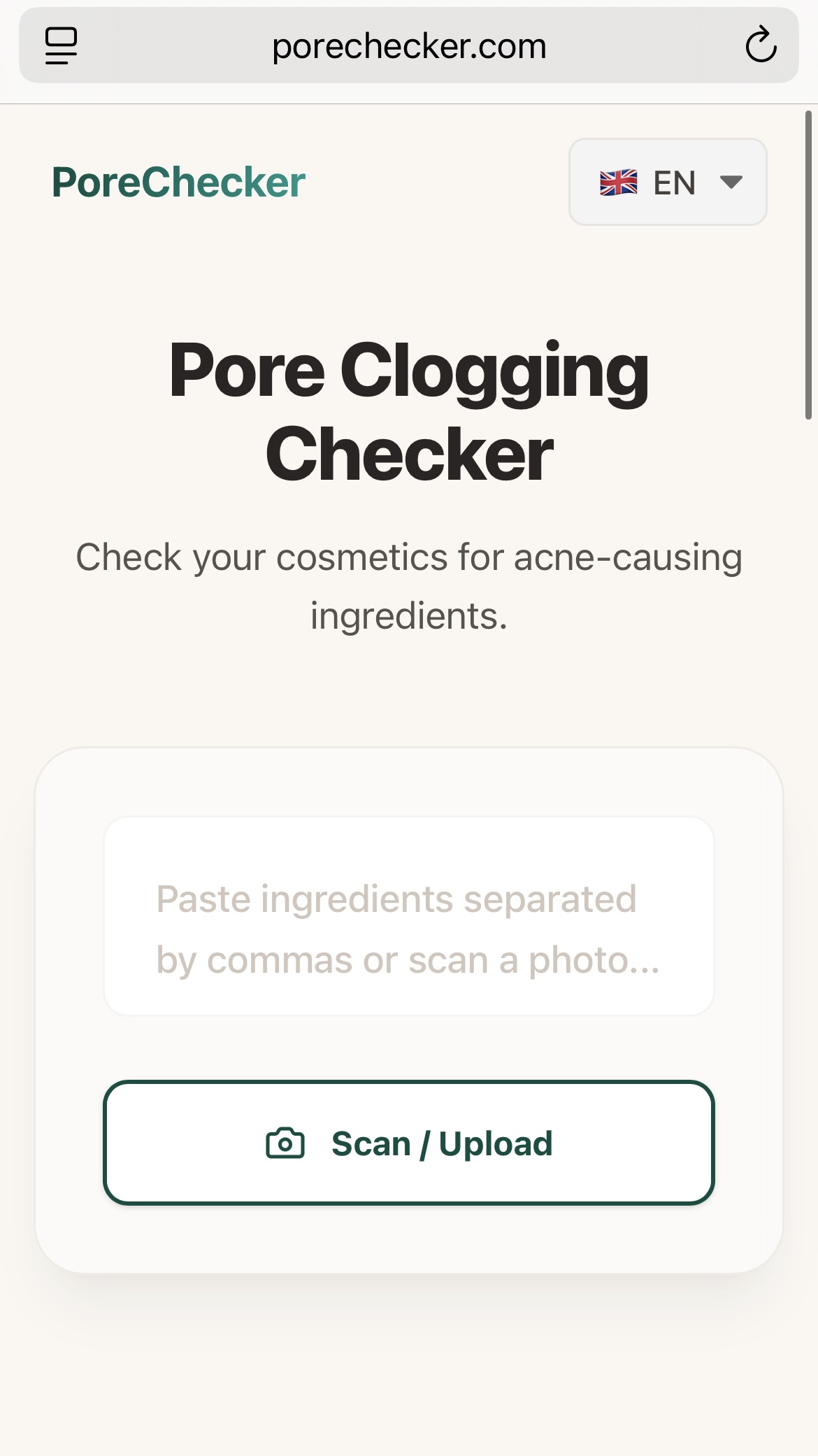
Step 1: Upload Your Product Image
Simply snap a photo of the ingredient list on the back of any bottle, jar, or box. No typing required.
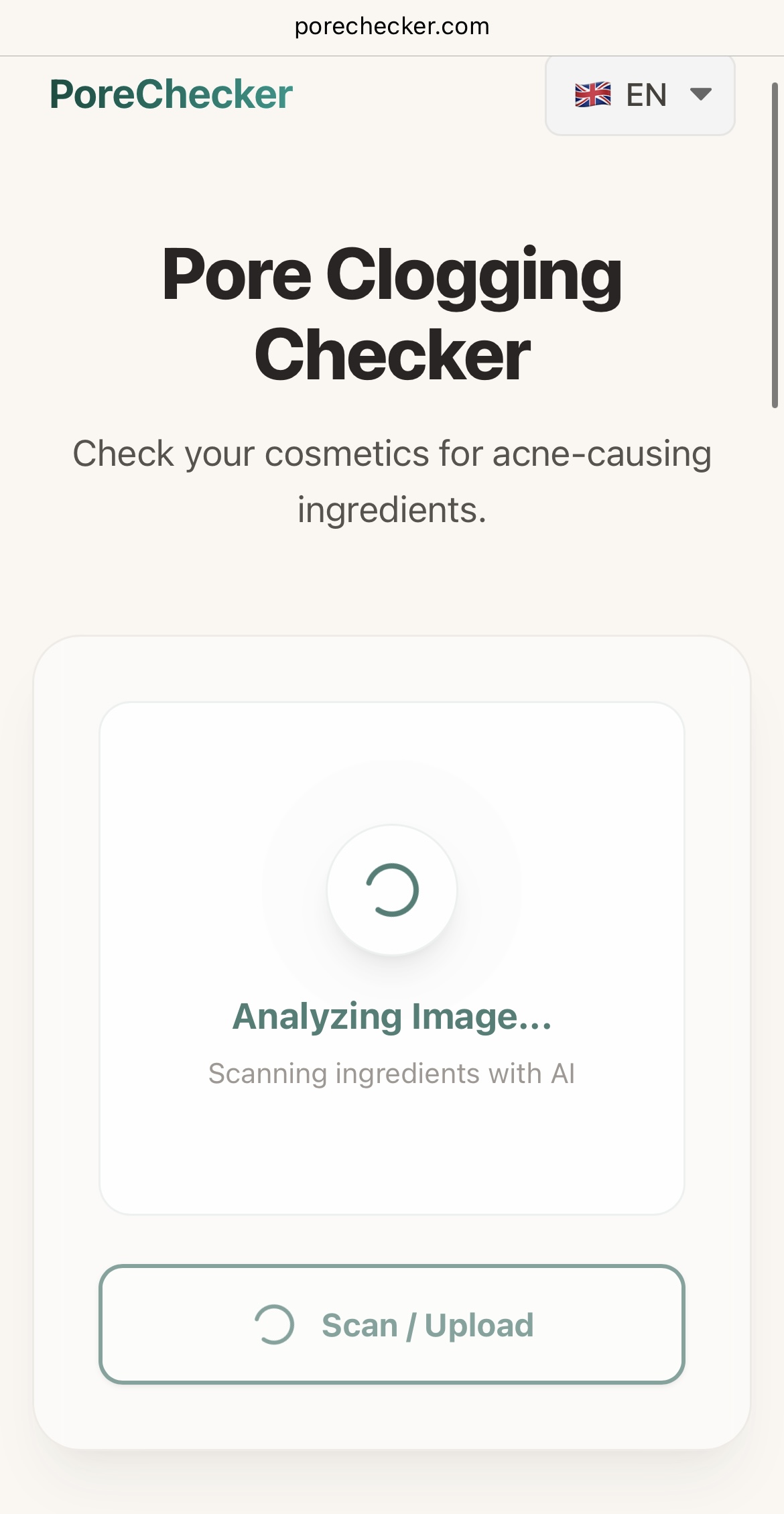
Step 2: Instant AI Ingredient Analysis
Our advanced AI scans the image, performs OCR (Optical Character Recognition), and matches every ingredient against our curated database of comedogenic substances.
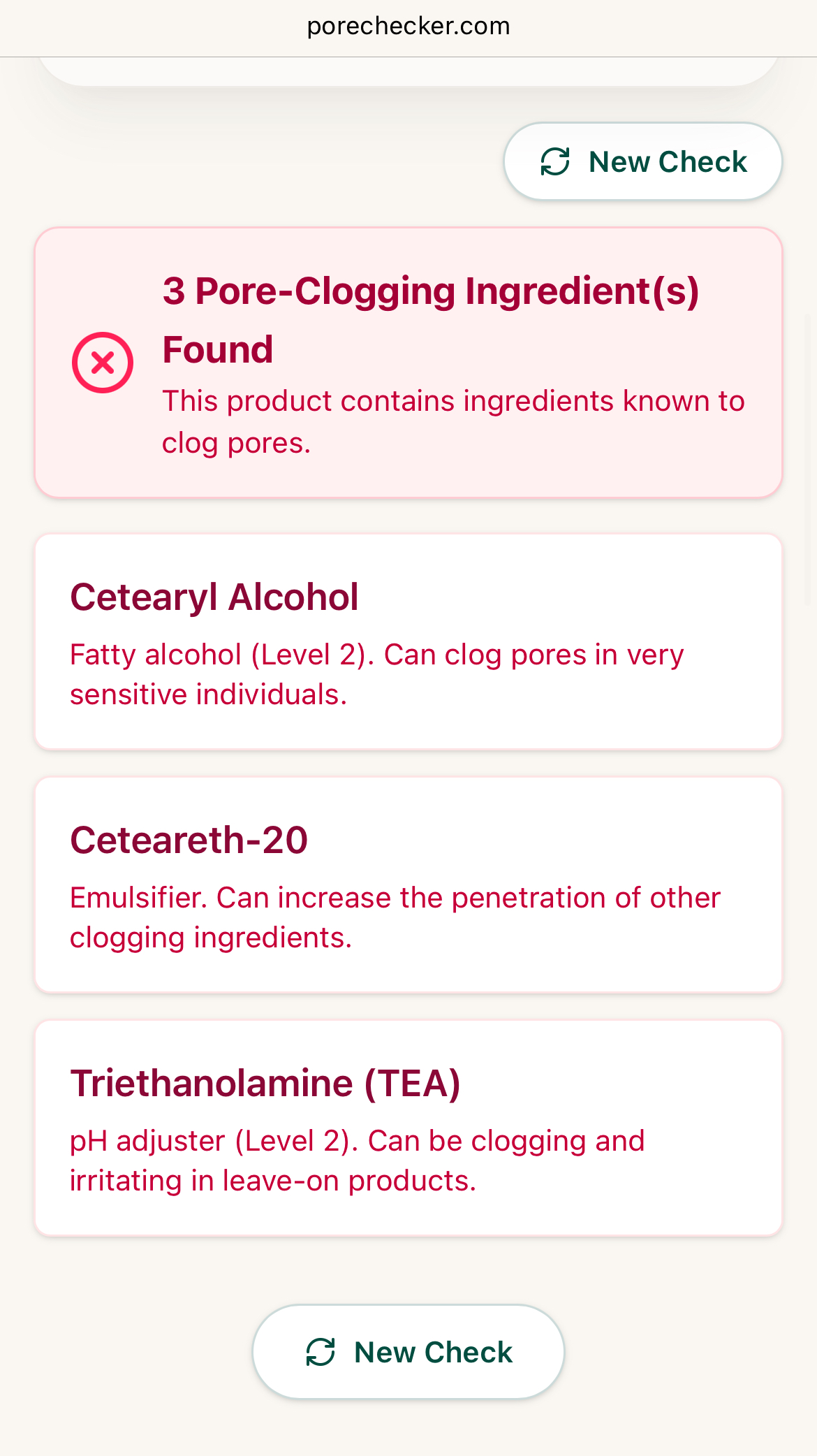
Step 3: Clear Results for Clearer Skin
You get an immediate breakdown. If any red-flag ingredients are found, we highlight them and explain why they might be problematic for your pores.
Does this product fit my skin's needs?
Check Your Products Now