Does Sun Help Acne or Just Hide the Damage?
Does sun help acne? Discover why UV rays provide only a temporary illusion of clearer skin and how they actually damage your pores.
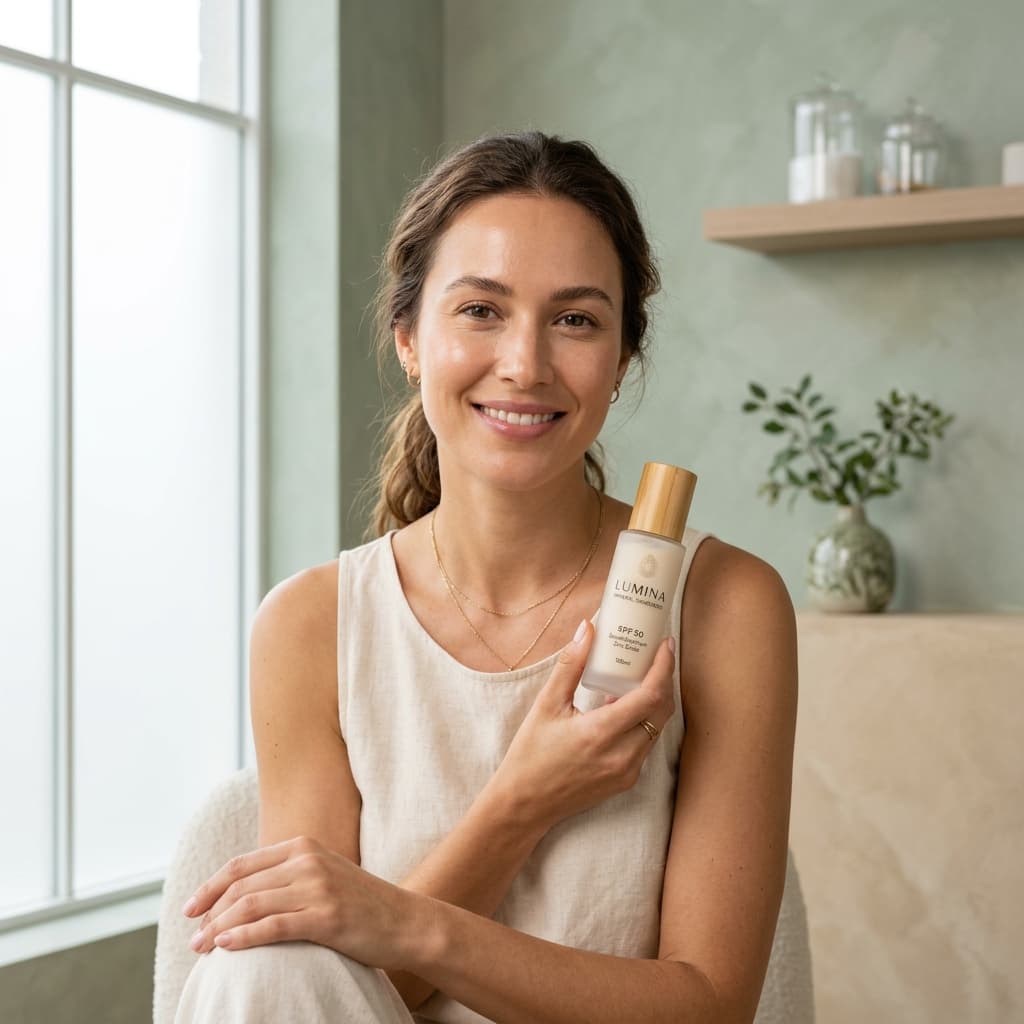
The idea that a day at the beach is a natural cure for breakouts is one of the most pervasive myths in dermatology. Patients frequently report that their skin looks clearer after sun exposure, leading many to believe that ultraviolet radiation acts as a healing agent for inflammatory lesions. While it is true that the sun can temporarily dry out surface oils and create an even-toned tan that masks the redness of active pimples, this is a deceptive physiological response rather than a therapeutic benefit.
In reality, the sun does not address the underlying causes of acne, such as follicular hyperkeratinization or bacterial proliferation. Instead, it triggers a chain reaction that often leaves the skin in a worse state than before. As a skincare scientist, my priority is helping you achieve long-term clarity through consistent, non-comedogenic care, rather than relying on damaging environmental factors that compromise your skin barrier.
The Illusion of Clarity
When skin is exposed to UV light, it begins to thicken as a defense mechanism, a process known as hyperkeratosis. Initially, this thickening can make the skin feel drier and may seem to suppress the appearance of surface oil. However, this thickened stratum corneum actually traps sebum and dead skin cells deeper within the pore. Once the initial drying effect wears off, the skin often compensates by producing an even greater excess of oil, creating the perfect environment for C. acnes bacteria to flourish.
Why UV Exposure Stalls Healing
Post-Inflammatory Hyperpigmentation
Acne is an inflammatory condition. When you expose inflamed tissue to UV rays, you stimulate melanocytes—the cells responsible for pigment. This turns temporary pink or red acne marks into dark, stubborn brown spots known as post-inflammatory hyperpigmentation. These marks are significantly more difficult to treat than the initial breakout, often persisting for months or even years.
Damaging the Skin Barrier
A healthy skin barrier is your best defense against acne-causing bacteria. UV radiation induces oxidative stress, which depletes the skin’s supply of antioxidants and damages the lipid matrix that holds skin cells together. When the barrier is compromised, it becomes increasingly reactive and sensitive, making it difficult to tolerate the active ingredients, such as retinoids or salicylic acid, that are actually necessary to manage your acne effectively.
Don't Let Your Products Ruin Your Progress
While the sun can exacerbate your condition, the irony is that many people inadvertently sustain their breakouts through the very products they use to "heal" them. Many moisturizers and sunscreens contain hidden pore-cloggers—ingredients that may feel light on the skin but quietly obstruct the follicle, undoing the work of your treatment routine. Just as you must avoid the false promise of UV rays, it is equally vital to scrutinize the ingredient lists of every topical you apply. Ensuring your entire regimen is strictly non-comedogenic is the final piece of the puzzle to achieving lasting, clear skin.
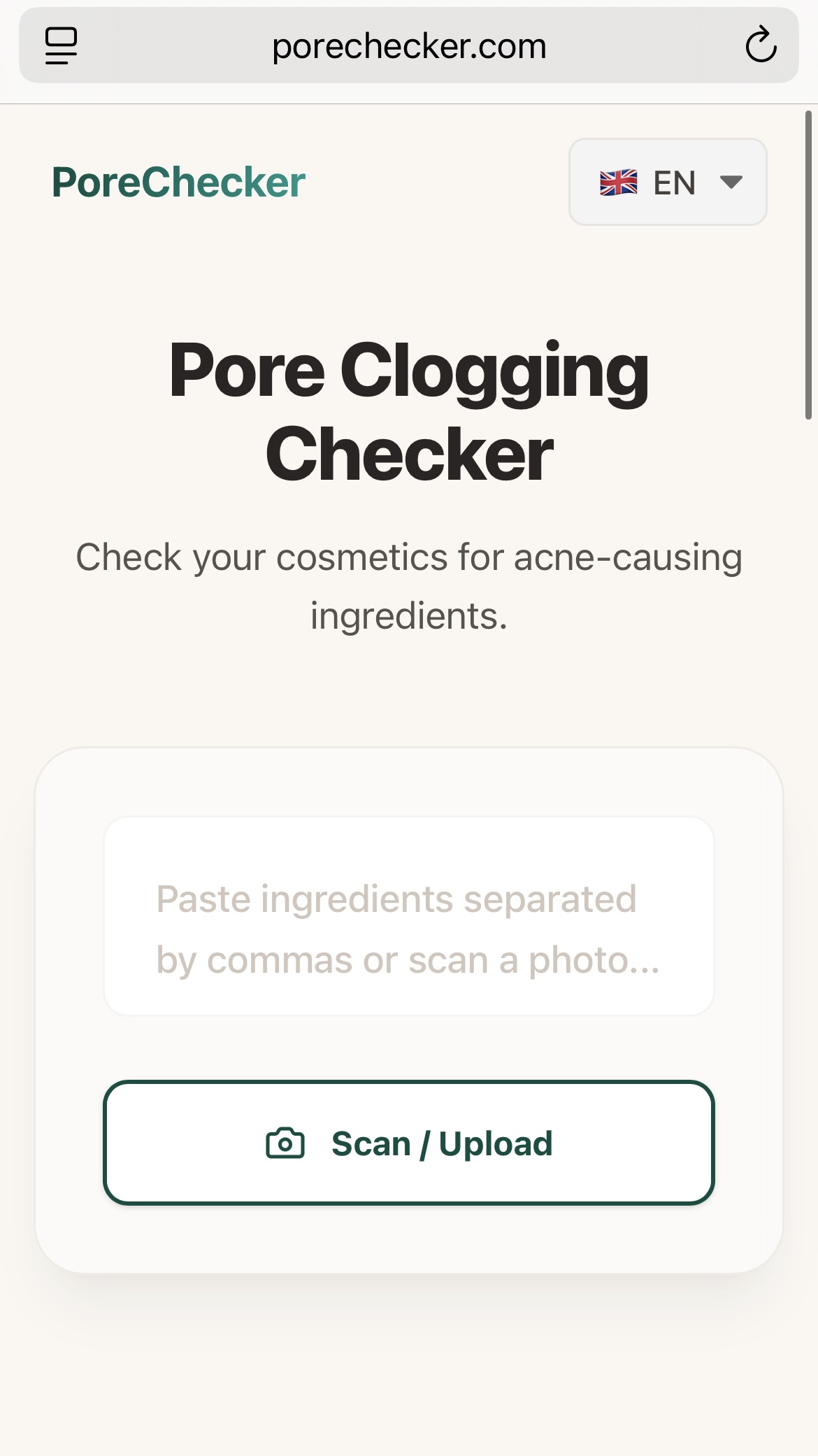
Step 1: Upload Your Product Image
Simply snap a photo of the ingredient list on the back of any bottle, jar, or box. No typing required.
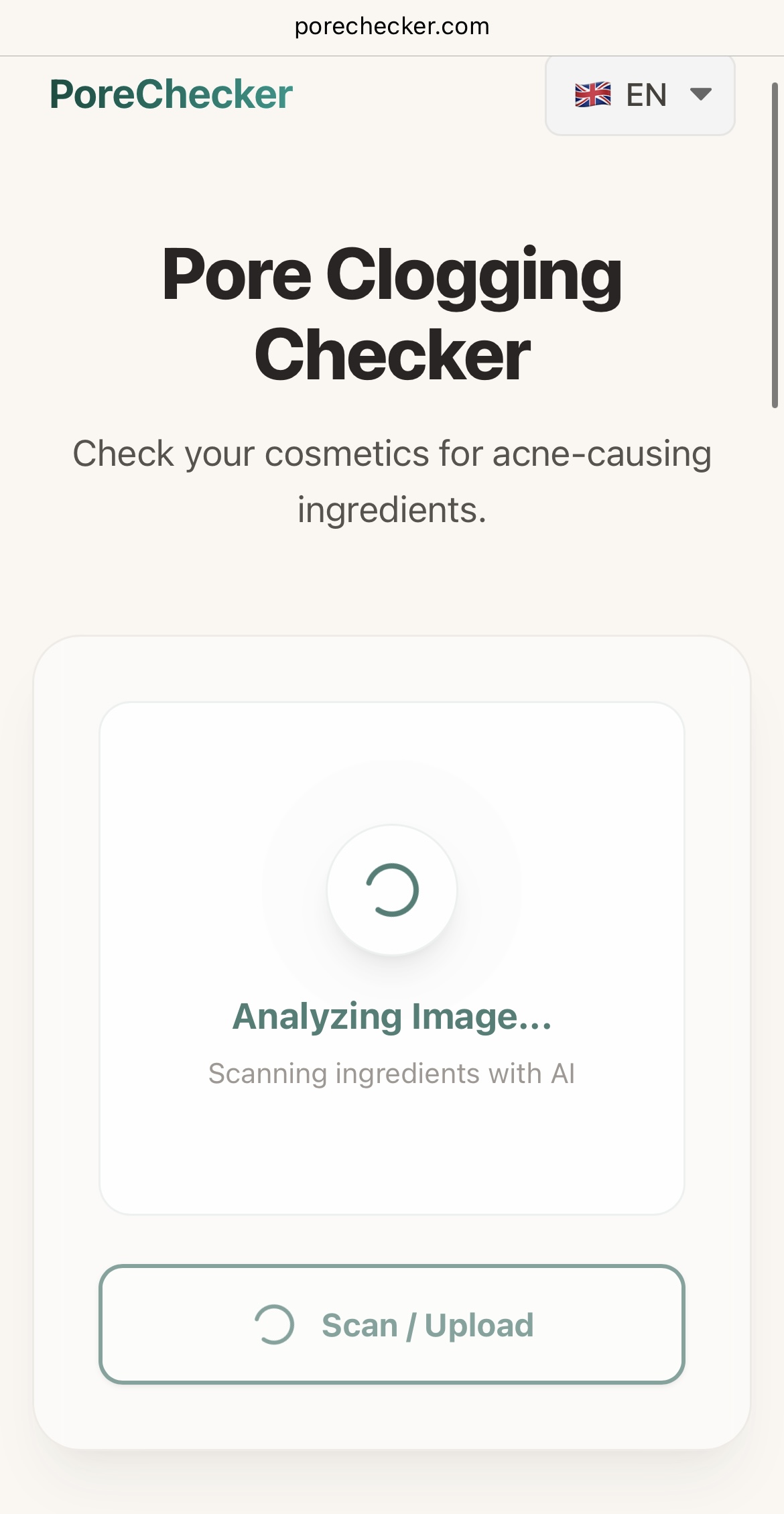
Step 2: Instant AI Ingredient Analysis
Our advanced AI scans the image, performs OCR (Optical Character Recognition), and matches every ingredient against our curated database of comedogenic substances.
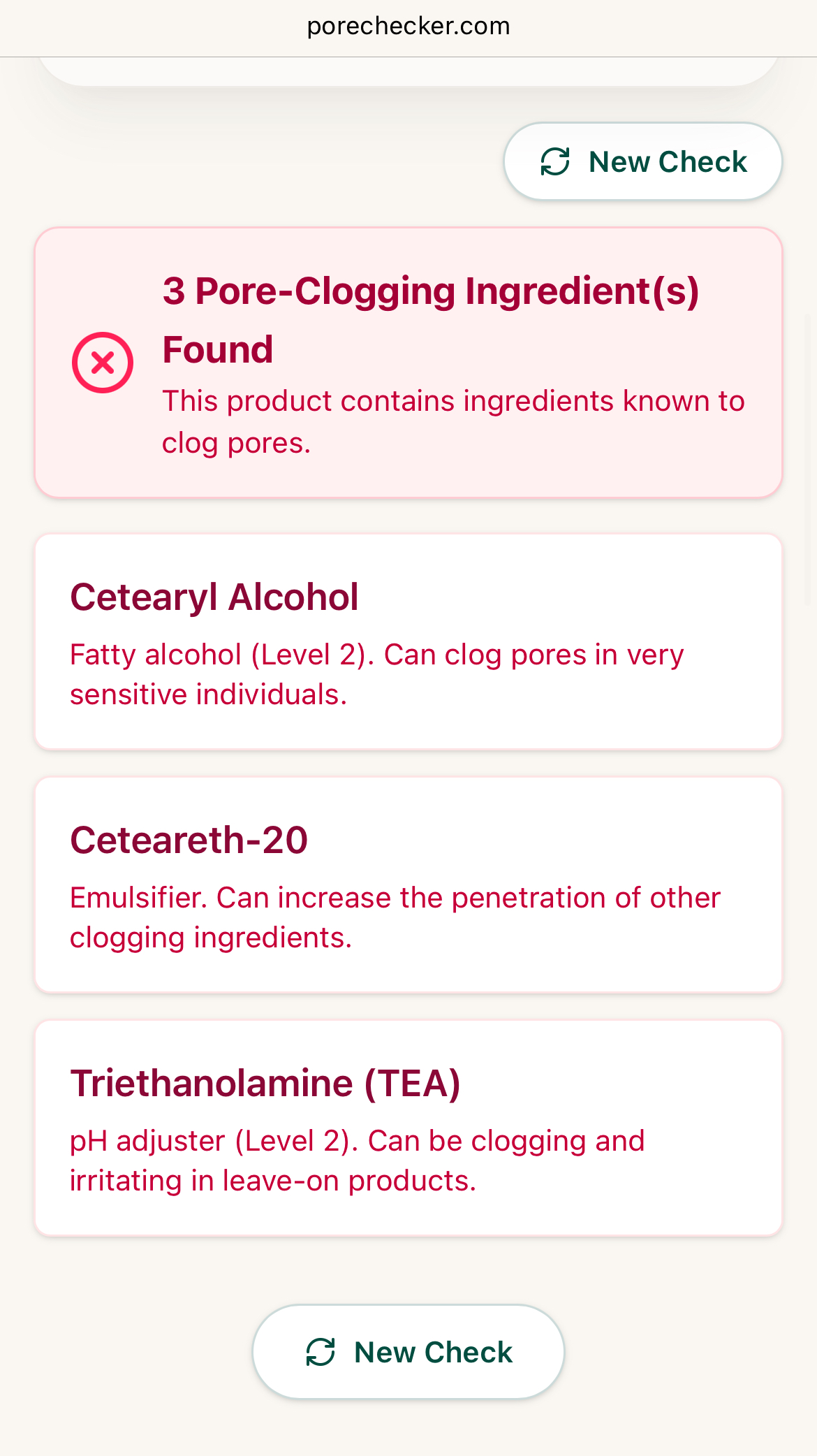
Step 3: Clear Results for Clearer Skin
You get an immediate breakdown. If any red-flag ingredients are found, we highlight them and explain why they might be problematic for your pores.
Does this product fit my skin's needs?
Check Your Products Now