Does Tretinoin Help With Acne? Understanding the Gold Standard
It is the most prescribed topical treatment by dermatologists, but does tretinoin help with acne for everyone? Learn how it works and what to expect during the "purge."
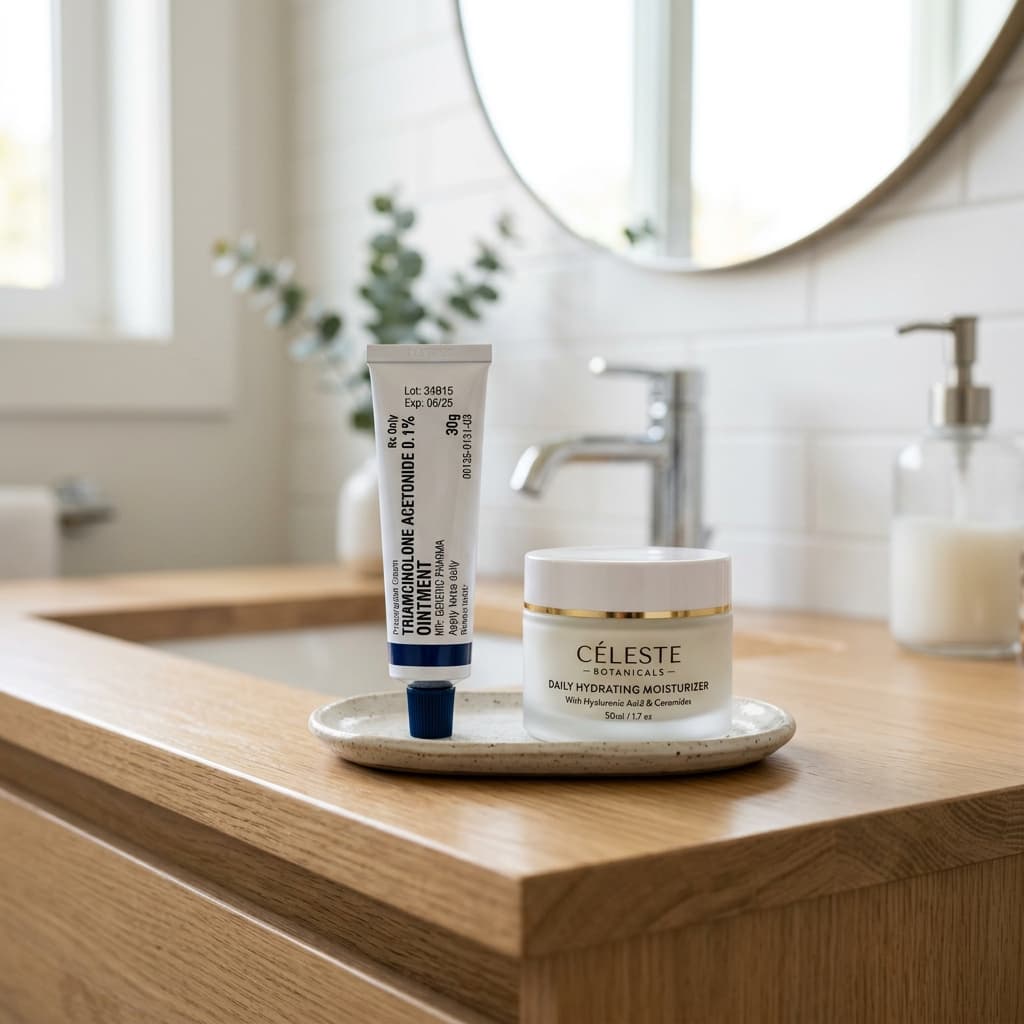
If you've exhausted over-the-counter washes and serums without success, your dermatologist's next step is likely a small tube of prescription cream. Often sold under the brand name Retin-A, this powerful topical is legendary in skincare circles. But "does tretinoin help with acne" reliably, and is it worth the notoriously difficult adjustment period? As a potent Vitamin A derivative, Tretinoin doesn't just treat existing pimples; it fundamentally changes the way your skin behaves.
How Tretinoin Works
To understand why it's so effective, you have to understand how acne forms: dead skin cells get trapped in a pore, mix with oil, and create a blockage. Tretinoin works by dramatically increasing your cell turnover rate. It forces your skin to shed dead cells faster and produce new, healthy cells more rapidly. This hyper-exfoliation prevents dead cells from sticking together inside the pore, effectively stopping acne before it can even form.
The Good: Long-Term Benefits
When asking if tretinoin helps with acne, the answer is a resounding yes for most people, but the benefits don't stop there. Because it builds new collagen and speeds up cell renewal, it is also the gold standard for:
- Fading Acne Scars: It rapidly diminishes post-inflammatory hyperpigmentation (dark marks).
- Improving Texture: It smooths out rough skin and makes pores appear smaller.
- Anti-Aging: It is the only FDA-approved topical treatment proven to reduce fine lines and wrinkles.
The Bad: The "Tretinoin Purge"
The biggest hurdle is the first 4 to 6 weeks. Because Tretinoin pushes everything to the surface rapidly, all the micro-comedones (invisible clogs) that were forming deep in your skin will surface at once. This causes a temporary, sometimes severe, worsening of acne known as "the purge." Furthermore, the rapid cell turnover causes extreme dryness, peeling, and redness (retinization).
How to Survive the Adjustment
- Start Slow: Use it only 2 nights a week to start, gradually increasing frequency over months.
- The Sandwich Method: Apply a layer of moisturizer, let it dry, apply a pea-sized amount of Tretinoin, and then apply another layer of moisturizer. This buffers the irritation.
- Sunscreen is Mandatory: Your fresh, new skin cells are incredibly vulnerable to UV damage.
Summary
Does tretinoin help with acne? It is arguably the most effective topical treatment in existence. However, it is a long game. It requires patience to get through the initial purge and peeling, and a strict commitment to hydration and sun protection. If you can stick it out past the first two months, the clear, glowing skin on the other side is usually worth the effort.
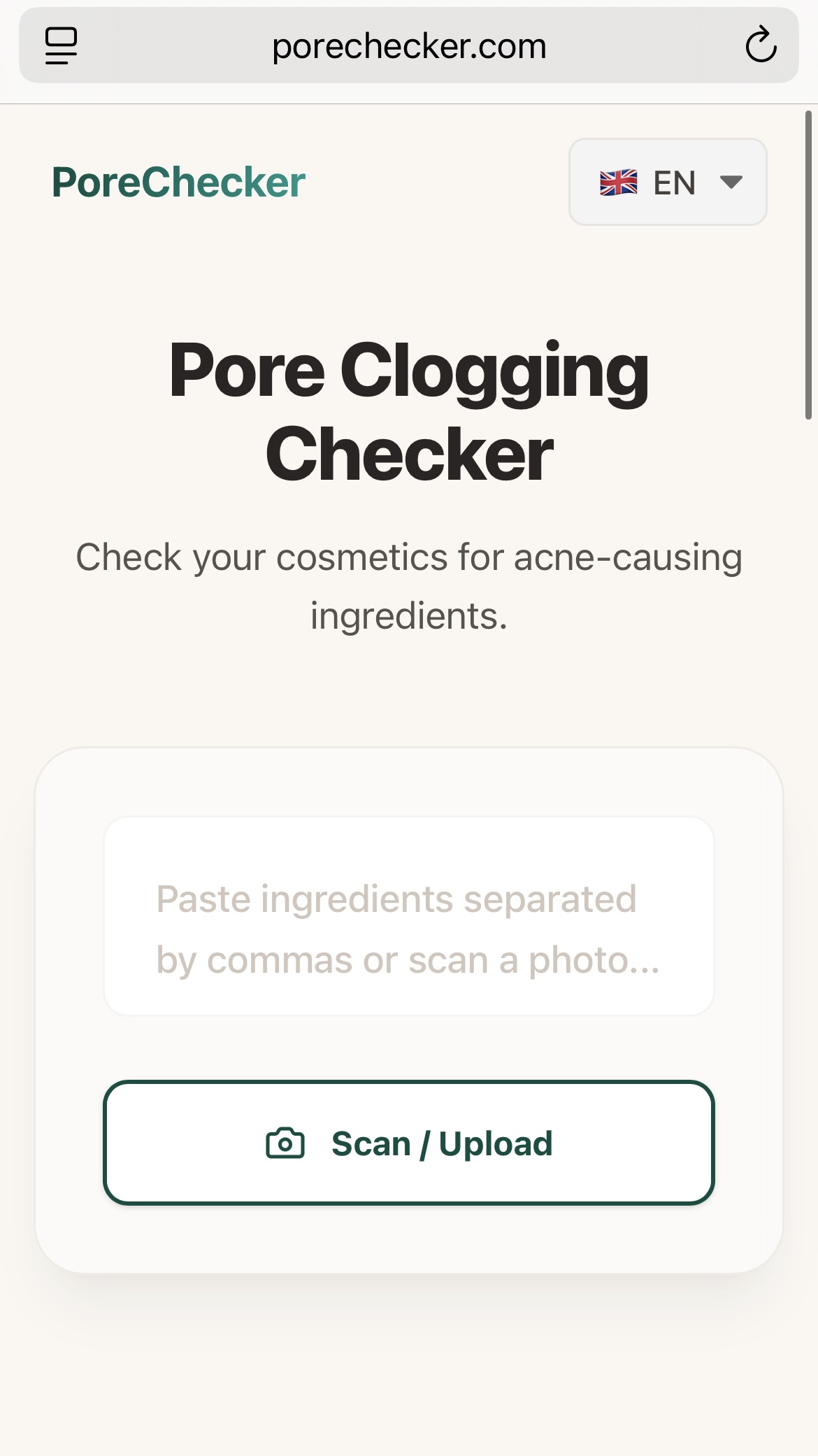
Step 1: Upload Your Product Image
Simply snap a photo of the ingredient list on the back of any bottle, jar, or box. No typing required.
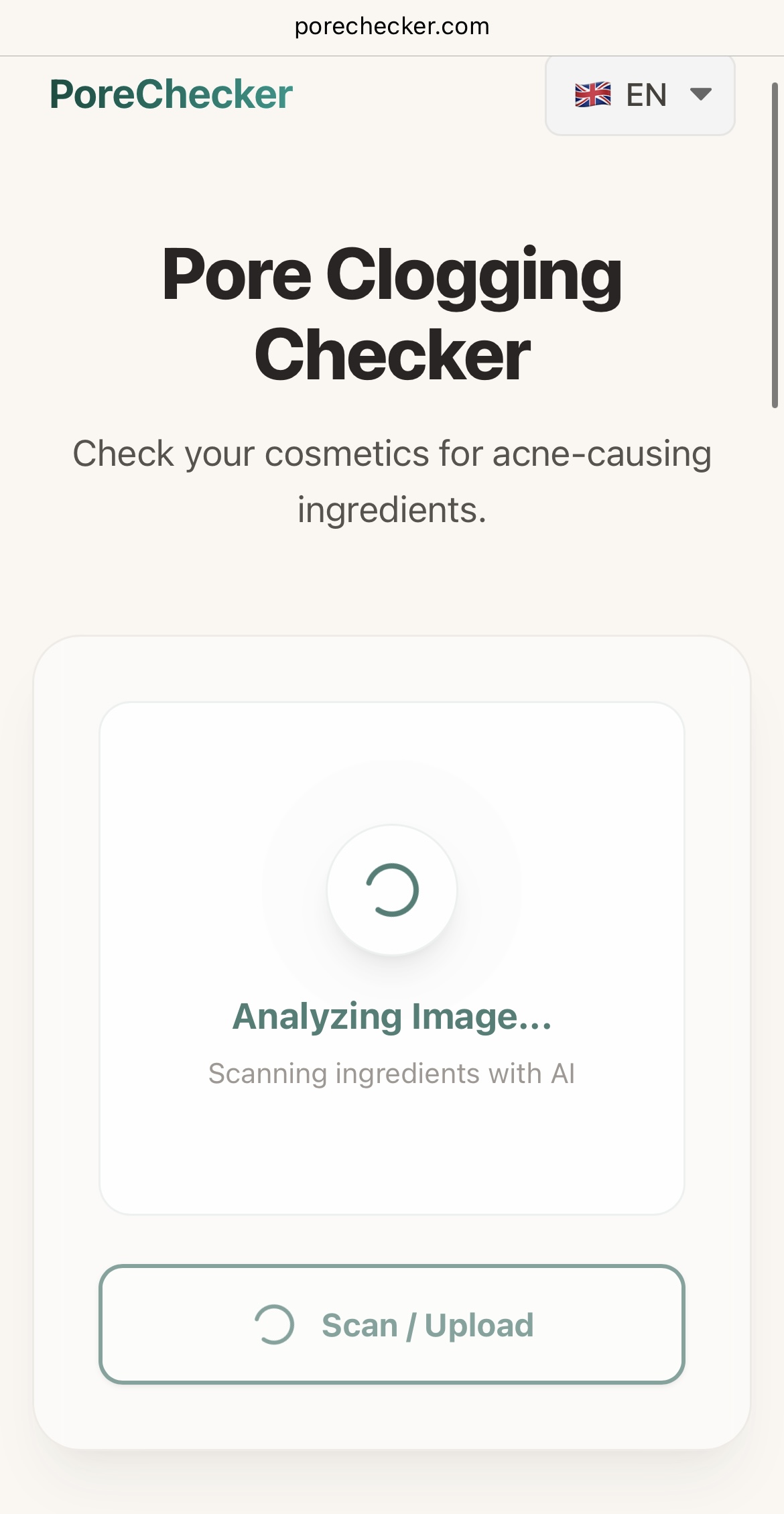
Step 2: Instant AI Ingredient Analysis
Our advanced AI scans the image, performs OCR (Optical Character Recognition), and matches every ingredient against our curated database of comedogenic substances.
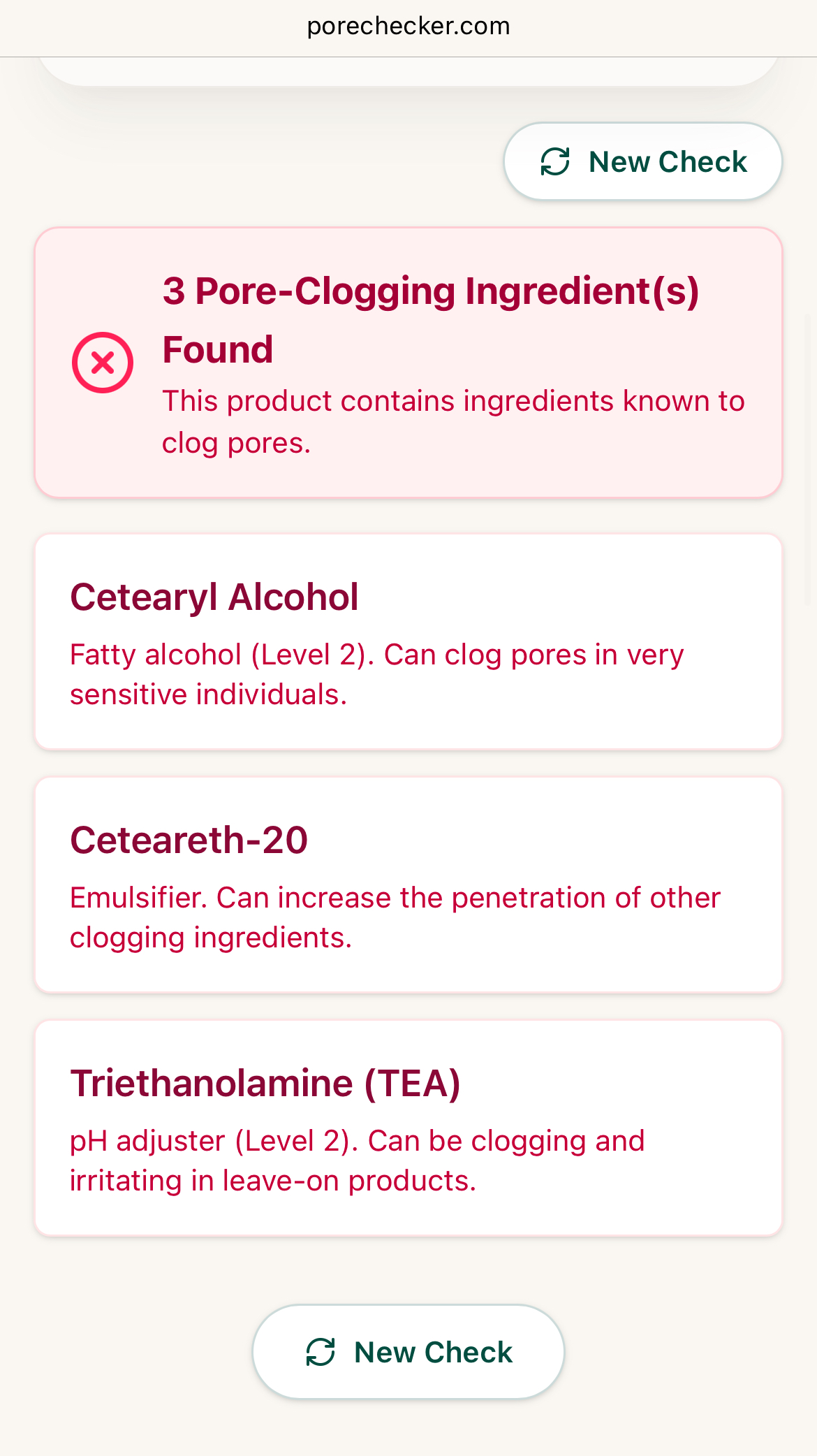
Step 3: Clear Results for Clearer Skin
You get an immediate breakdown. If any red-flag ingredients are found, we highlight them and explain why they might be problematic for your pores.
Does this product fit my skin's needs?
Check Your Products Now