Does Vaseline Clog Pores? Decoding the Truth About Occlusives and Your Skin
Uncover the truth: Does Vaseline clog pores? A dermatologist's view on occlusives, comedogenicity, and how to safeguard your skin. Find out now.

The question of whether or not a common product "clogs pores" is a frequent concern in skincare. Understanding how products interact with our skin, and what makes a product "comedogenic" (pore-clogging), is crucial for maintaining clear, healthy skin. Today, we're diving deep into the widely used product, Vaseline, and addressing the critical question: does Vaseline clog pores?
We'll explore the science behind occlusive ingredients, examine the potential for comedogenicity, and offer clear, actionable advice to help you make informed decisions about your skincare routine. The goal is simple: empowering you with the knowledge to achieve and maintain your best skin, without the frustration of unexpected breakouts or clogged pores. Remember, building a non-comedogenic skincare regimen is all about choosing the right products.
Understanding Occlusives and Their Role
Vaseline, or petrolatum, is an occlusive emollient. This means its primary function is to create a barrier on the skin's surface. This barrier effectively prevents transepidermal water loss (TEWL), locking in moisture and keeping the skin hydrated. This property makes petrolatum incredibly effective for soothing dry, chapped skin and protecting it from environmental aggressors. But, because of this occlusive nature, concerns often arise about its potential to trap debris and cause breakouts.
The Science Behind Petrolatum
Petrolatum, the active ingredient in Vaseline, is a refined byproduct of petroleum. Its molecular structure is relatively large, which means it doesn't readily penetrate the skin. Instead, it sits on the surface, forming a protective layer. This characteristic is both its strength and, potentially, its weakness when it comes to pore health. The refinement process ensures that petrolatum is highly purified, removing many of the impurities that could cause skin irritation or pore blockage. However, individual reactions can still vary.
Does Vaseline Clog Pores? The Comedogenicity Factor
The comedogenicity of a product refers to its likelihood of causing comedones (blackheads and whiteheads). Ingredients are often assigned a comedogenic rating from 0 to 5, where 0 is non-comedogenic and 5 is highly comedogenic. Vaseline, or petrolatum, is generally considered to be non-comedogenic, usually rated as a 0. This means it is highly unlikely to clog pores for most people. However, individual skin sensitivities differ, and what works for one person might not work for another. Factors such as skin type, environmental conditions, and the presence of other ingredients in a product can also influence its effect on pore health.
Hidden Pore-Cloggers to Watch Out For
While petrolatum itself may not be the primary culprit for pore congestion, it’s important to be aware of other ingredients that can contribute to breakouts. Many skincare products contain ingredients that can lead to clogged pores, even if the primary product itself is not comedogenic. Pay close attention to ingredients like certain oils (coconut oil, for example), some fatty acids, and even thickeners. These hidden ingredients may be found in seemingly innocuous products.
Decoding Product Labels
Reading ingredient labels is a critical skill for anyone aiming for clear skin. Look beyond the marketing claims and familiarize yourself with common comedogenic ingredients. Some examples to look out for include: mineral oil, which is sometimes confused with petrolatum, but can be less refined; certain forms of alcohol, which can dry out the skin and lead to increased oil production, potentially exacerbating pore issues; and specific synthetic fragrances, which can sometimes irritate the skin and indirectly contribute to breakouts.
The Impact of Formulation
The overall formulation of a product plays a significant role in its potential to clog pores. Even non-comedogenic ingredients can cause issues if they're combined with other ingredients that are pore-clogging, or if the formulation is too heavy for your skin type. For example, a rich cream formulated with several occlusive ingredients might be beneficial for extremely dry skin, but could lead to breakouts for someone with naturally oily skin. It is always wise to do a spot test before fully integrating a product into your routine.
Don't Let Your Products Ruin Your Progress
Navigating the world of skincare can feel complex, with a vast array of products, ingredients, and claims. While the good news is that Vaseline, on its own, is unlikely to be a major pore-clogging offender, the broader picture demands careful consideration. Beyond petrolatum, numerous other ingredients lurking in your skincare products could be contributing to those frustrating breakouts. Fortunately, with a few key tools and strategies, you can take control of your skincare routine and protect your skin's clarity.
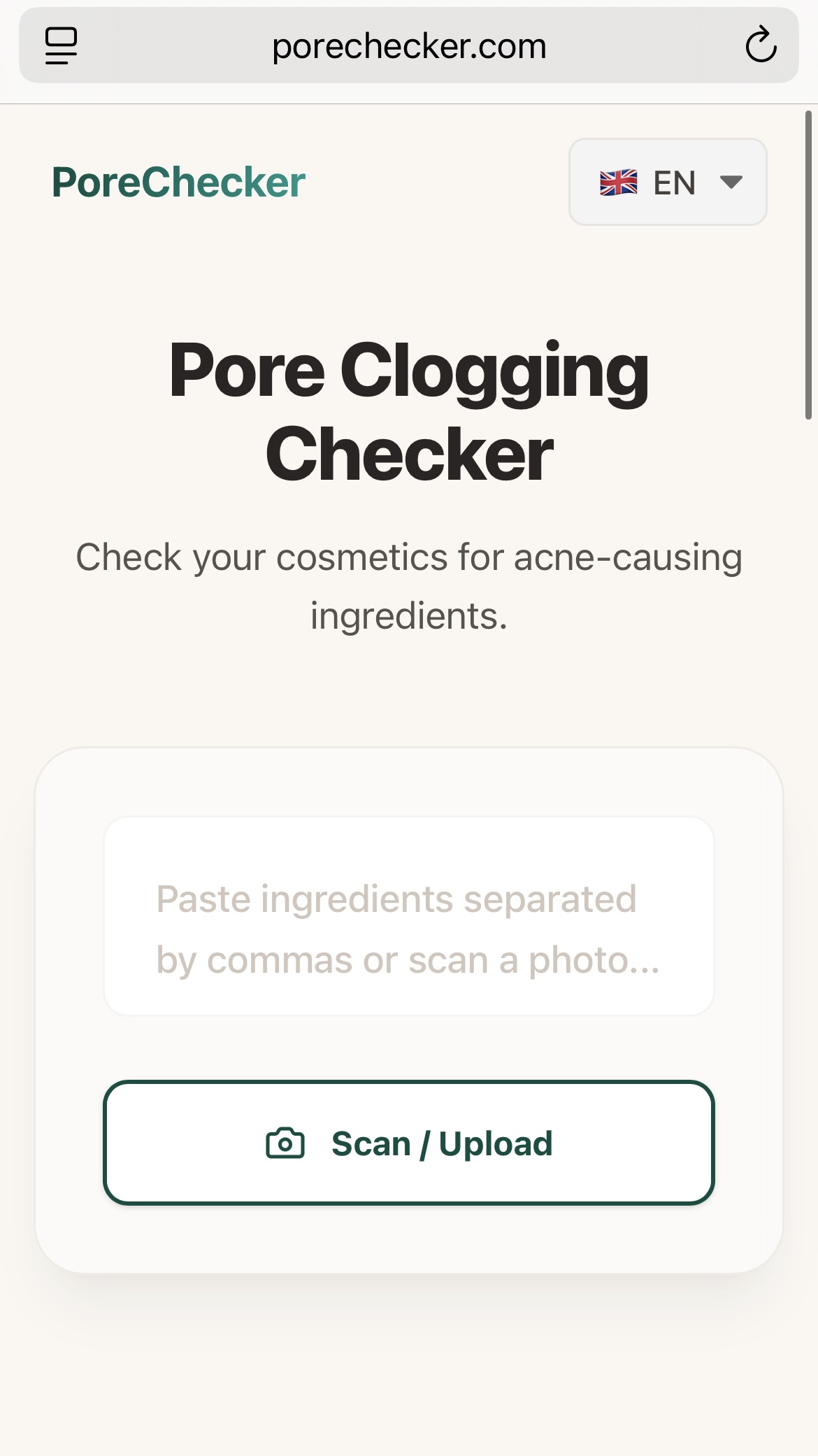
Step 1: Upload Your Product Image
Simply snap a photo of the ingredient list on the back of any bottle, jar, or box. No typing required.
Step 2: Instant AI Ingredient Analysis
Our advanced AI scans the image, performs OCR (Optical Character Recognition), and matches every ingredient against our curated database of comedogenic substances.

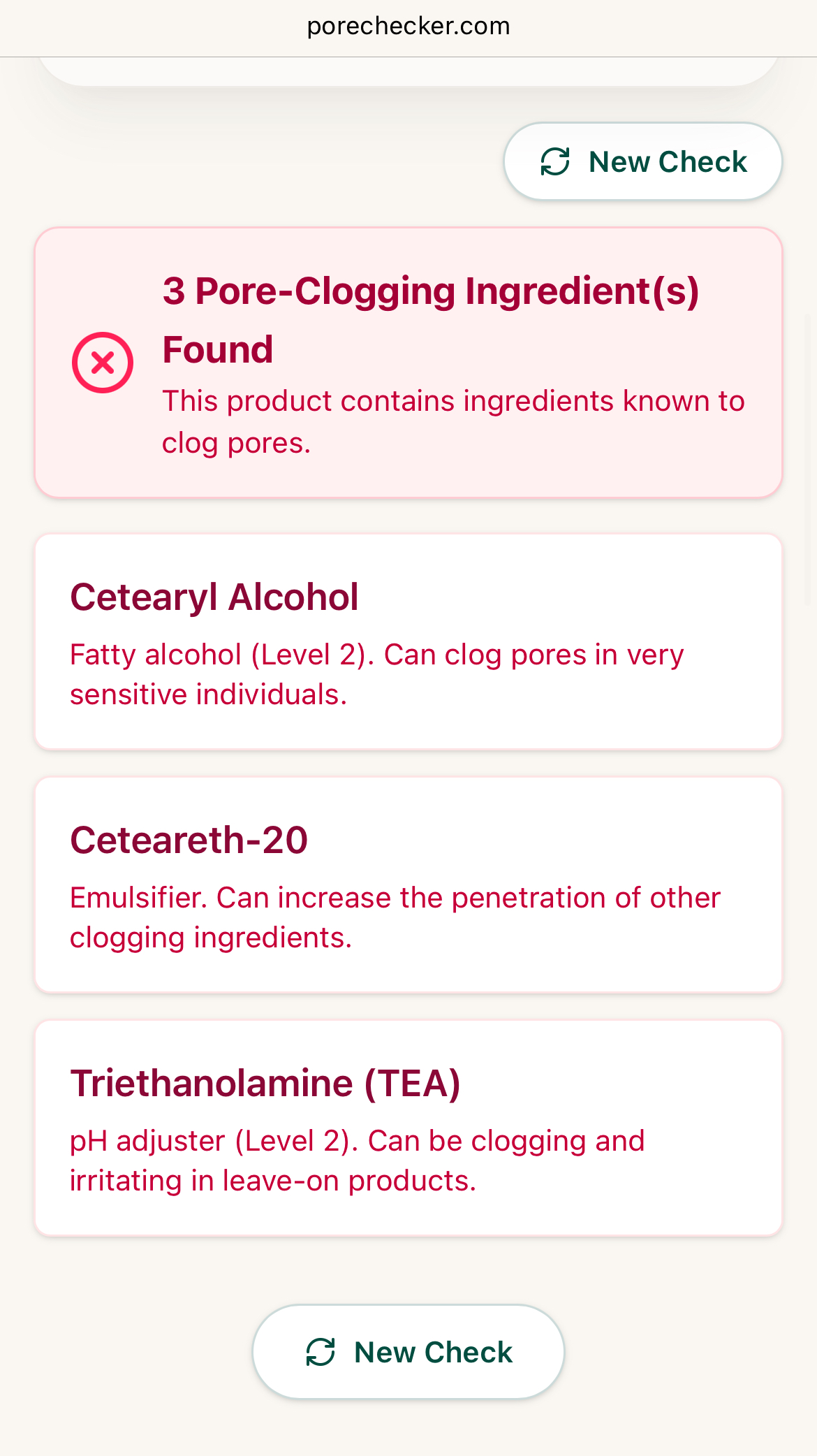
Step 3: Clear Results for Clearer Skin
You get an immediate breakdown. If any red-flag ingredients are found, we highlight them and explain why they might be problematic for your pores.
Does this product fit my skin's needs?
Check Your Products Now