Does Vitamin C Help Acne? Unveiling the Science and Boosting Your Routine
Discover if vitamin C helps acne. Learn the science-backed benefits, how to use it, & what to watch out for. Get clear skin insights here!
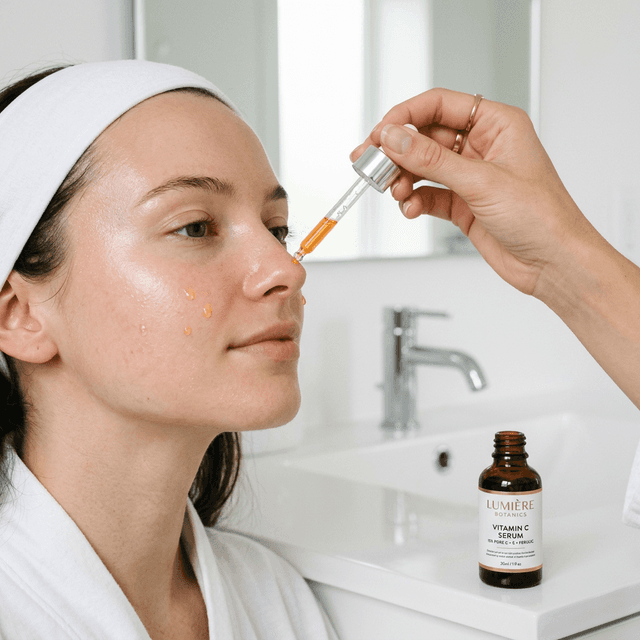
Acne can be a frustrating condition, impacting not only the skin's appearance but also self-esteem. As a dermatologist, I'm often asked about the best ways to combat breakouts, and one ingredient that frequently comes up is vitamin C. But does vitamin C help acne? The answer, as with most skincare questions, is nuanced. We'll explore the scientific evidence, how to incorporate it safely, and address common misconceptions to help you achieve clearer, healthier skin. A key aspect of effective acne care is ensuring your skincare routine is non-comedogenic – meaning it won't clog pores.
The beauty of vitamin C lies in its versatility. It's a potent antioxidant, meaning it helps protect the skin from damage caused by free radicals. These unstable molecules can contribute to inflammation and accelerate skin aging, indirectly impacting acne by exacerbating existing issues. Furthermore, vitamin C plays a vital role in collagen synthesis, promoting skin repair and reducing the appearance of acne scars. When used correctly, vitamin C can be a valuable addition to your anti-acne arsenal, but it's important to understand the specifics.
Before we dive deeper, remember that proper skincare starts with a healthy skin barrier. That means gentle cleansing, moisturizing, and sun protection – all vital elements for creating an environment where any active ingredient, including vitamin C, can work its best. We'll delve into the specifics of how to incorporate vitamin C effectively, but it's crucial to address the foundational elements of skincare first.
The Science Behind Vitamin C and Acne
Antioxidant Power: Fighting Free Radicals
Acne is often linked to inflammation, and free radicals can worsen this. Vitamin C, a powerful antioxidant, neutralizes these unstable molecules, reducing oxidative stress and inflammation. This action can help to calm irritated skin and potentially reduce the severity of acne breakouts. While vitamin C doesn’t directly kill acne-causing bacteria (like some other ingredients, e.g., benzoyl peroxide), its antioxidant properties create a less hospitable environment for inflammation to thrive.
Collagen Boost: Healing and Scar Reduction
Vitamin C is essential for collagen production. Collagen is a protein that provides structure and firmness to the skin. By promoting collagen synthesis, vitamin C can help with the healing process of acne lesions and potentially reduce the appearance of acne scars, including both hyperpigmentation and atrophic scars (those that leave indentations). A healthier collagen matrix results in smoother, more resilient skin.
Types of Vitamin C and Formulation Considerations
Not all vitamin C products are created equal. The most effective form of vitamin C for skincare is L-ascorbic acid, but it can be unstable. Look for formulations that are properly stabilized and packaged in opaque, airtight containers. Other vitamin C derivatives, such as sodium ascorbyl phosphate (SAP) and magnesium ascorbyl phosphate, are generally more stable but may be less potent. Also, consider the concentration; generally, concentrations between 10-20% are effective, but begin with a lower concentration, especially if you have sensitive skin.
How to Incorporate Vitamin C Into Your Routine
Application and Timing
Vitamin C is best applied in the morning after cleansing and before your moisturizer and sunscreen. This allows it to work throughout the day, protecting your skin from environmental aggressors. Always allow your vitamin C serum to fully absorb before applying the next product. Layering is important, but allow enough time for each product to be fully absorbed, so the actives do not interfere with each other.
Pairing Vitamin C with Other Ingredients
Vitamin C often works well with other skincare ingredients, but be mindful of potential interactions. It can be combined with vitamin E and ferulic acid, which can enhance its antioxidant effects. When used with other actives such as retinoids, use vitamin C in the morning and the retinoid at night. Avoid using vitamin C and benzoyl peroxide at the same time, as benzoyl peroxide can oxidize vitamin C, rendering it ineffective. Start slowly and observe how your skin reacts when introducing new products.
Common Mistakes to Avoid
Avoid expired products or those stored improperly. Heat, light, and air can degrade vitamin C, making it less effective. Always patch-test new products before applying them to your entire face to check for potential irritation or adverse reactions. Be patient; it may take several weeks or even months to see noticeable results. And remember, consistency is key! If you discontinue use, you will likely return to your original skin condition.
Don't Let Your Products Ruin Your Progress
While vitamin C can be a powerful ally in the fight against acne, its effectiveness can be undermined by other products in your routine. Many skincare products contain ingredients that can clog pores, leading to new breakouts and negating the benefits of your vitamin C serum. Understanding the ingredients in your cleanser, moisturizer, and even sunscreen is crucial. Hidden pore-cloggers like certain oils, silicones, and thick emollients are common culprits, potentially making your acne worse. That's why it is really important to know what you are putting on your skin.
Step 1: Upload Your Product Image
Simply snap a photo of the ingredient list on the back of any bottle, jar, or box. No typing required.

Step 2: Instant AI Ingredient Analysis
Our advanced AI scans the image, performs OCR (Optical Character Recognition), and matches every ingredient against our curated database of comedogenic substances.

Step 3: Clear Results for Clearer Skin
You get an immediate breakdown. If any red-flag ingredients are found, we highlight them and explain why they might be problematic for your pores.
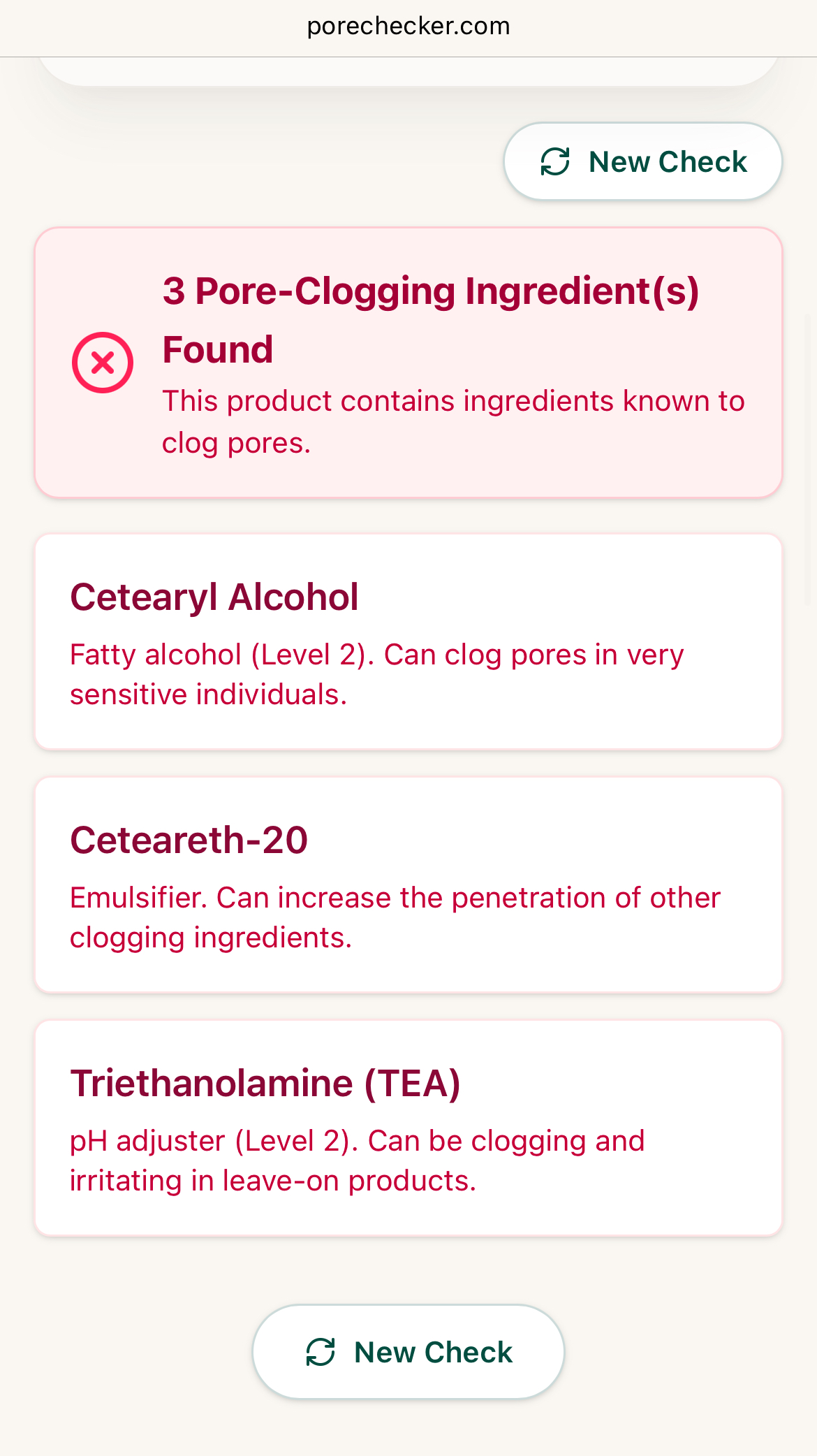
Does this product fit my skin's needs?
Check Your Products Now