Does Whey Protein Cause Acne? A Dermatologist's Deep Dive
Wondering if whey protein causes acne? A dermatologist explores the link between whey protein and breakouts. Learn how to care for your skin!

The pursuit of a healthy physique often goes hand-in-hand with a focus on nutrition, and whey protein has become a staple for many looking to build muscle and improve recovery. But for some, this seemingly beneficial supplement triggers an unwelcome side effect: acne. As a dermatologist, I frequently address concerns about the connection between diet and skin health. While individual experiences vary, understanding the potential impact of whey protein on your skin is crucial for developing an effective skincare routine that supports your fitness goals without compromising your complexion.
This article will explore the scientific evidence linking whey protein and acne, along with practical strategies to manage breakouts and promote clear skin. We'll delve into the underlying mechanisms, dispel common myths, and highlight the importance of a holistic approach to skincare, emphasizing non-comedogenic practices. Remember, achieving your fitness goals shouldn’t come at the expense of your skin's health.
We'll examine whey protein and its impact on your skin, providing insights into potential acne triggers and empowering you with actionable steps to maintain a healthy and clear complexion.
The Whey Protein & Acne Connection: What the Science Says
The relationship between whey protein and acne isn't always straightforward, and research is ongoing. However, several factors suggest a potential link. Whey protein, derived from milk, is a complete protein, meaning it contains all nine essential amino acids. It's quickly digested, leading to a rapid spike in insulin levels.
Insulin and IGF-1: The Hormonal Culprits
This insulin surge can stimulate the production of insulin-like growth factor 1 (IGF-1). High levels of IGF-1 have been implicated in acne development. IGF-1 increases sebum production (the oily substance that can clog pores), promotes inflammation, and accelerates the shedding of skin cells, leading to increased pore blockage. This creates the perfect environment for acne-causing bacteria to thrive.
Dairy, Hormones, and Acne: Unraveling the Complexity
Whey protein, being a dairy derivative, naturally contains hormones like androgens (e.g., testosterone). These androgens can also contribute to increased sebum production and acne development. Furthermore, some whey protein products contain added ingredients like sugars and artificial sweeteners, which may also indirectly contribute to inflammation and acne flare-ups in some individuals.
Taking Control: Strategies for Managing Whey Protein Acne
If you suspect whey protein might be contributing to your breakouts, don't despair! Several strategies can help you manage your skin and potentially minimize the impact of whey protein on your complexion.
Dietary Adjustments and Alternatives
Consider reducing your whey protein intake to see if it makes a difference. You might also experiment with alternative protein sources, such as plant-based proteins (pea protein, soy protein, brown rice protein), which may be less likely to trigger breakouts. Gradually introduce changes and carefully observe how your skin reacts to each adjustment.
Prioritizing a Targeted Skincare Routine
A consistent and well-formulated skincare routine is crucial. Focus on non-comedogenic products (those that won't clog pores). Include a gentle cleanser, a lightweight moisturizer, and, if appropriate for your skin type, a spot treatment containing benzoyl peroxide or salicylic acid. Regular exfoliation, using a chemical exfoliant like an AHA or BHA, can help remove dead skin cells and prevent pore blockages.
Lifestyle Factors: Beyond the Supplement
Lifestyle plays a significant role in skin health. Get adequate sleep, manage stress levels (stress can worsen acne), and drink plenty of water to stay hydrated. Avoid touching your face throughout the day, as this can transfer bacteria and grime to your skin. Also, be sure to clean your phone screen frequently, as it can harbor bacteria.
Don't Let Your Products Ruin Your Progress
While you manage your whey protein intake, remember that external products can also trigger breakouts. Many skincare and cosmetic products contain ingredients that can clog pores, leading to the formation of comedones and acne. Consider the ingredients in everything that touches your skin, and avoid those that could be contributing to pore blockages. The best way to achieve clear skin is to ensure you are consistently using non-comedogenic products.
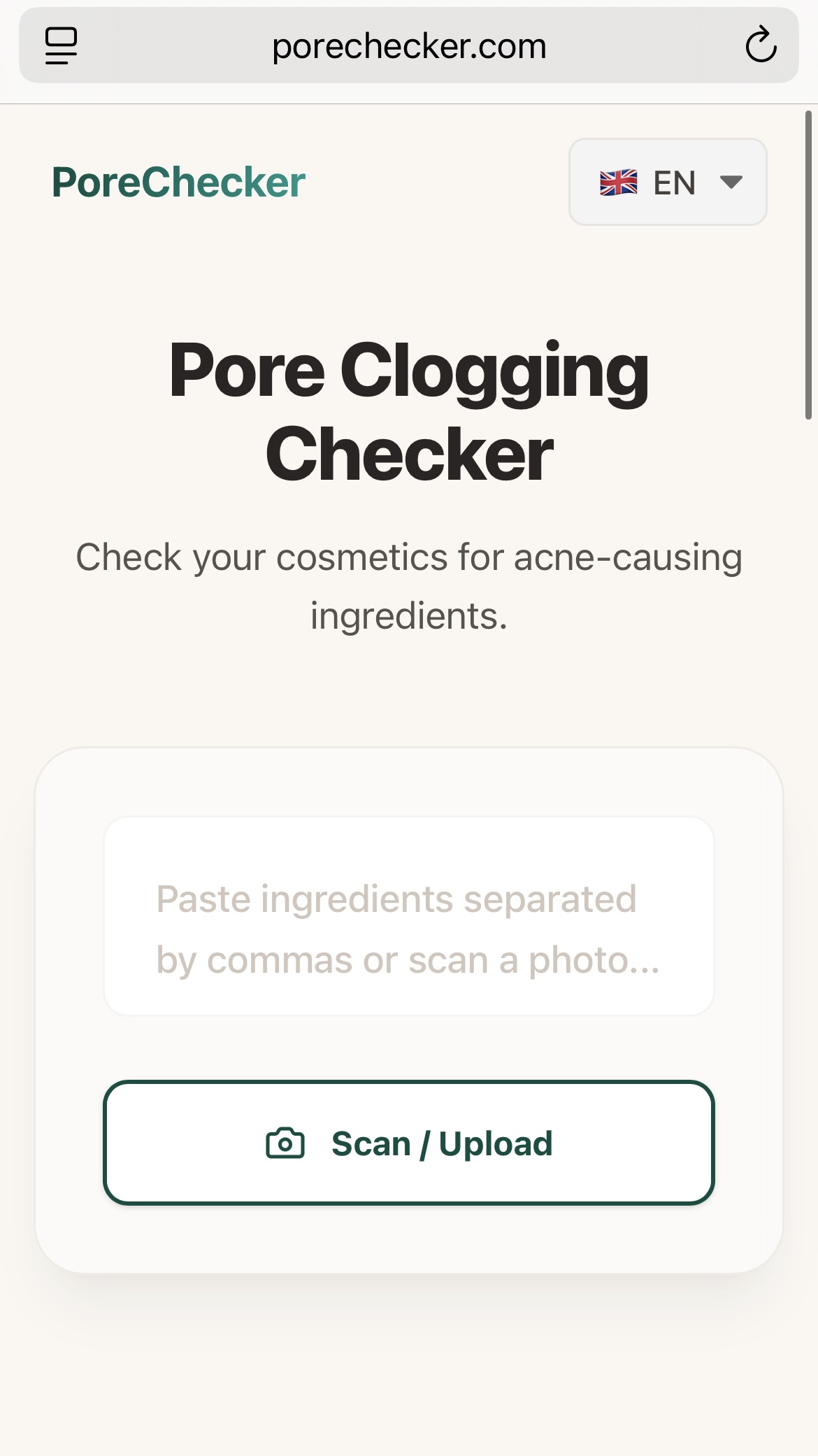
Step 1: Upload Your Product Image
Simply snap a photo of the ingredient list on the back of any bottle, jar, or box. No typing required.
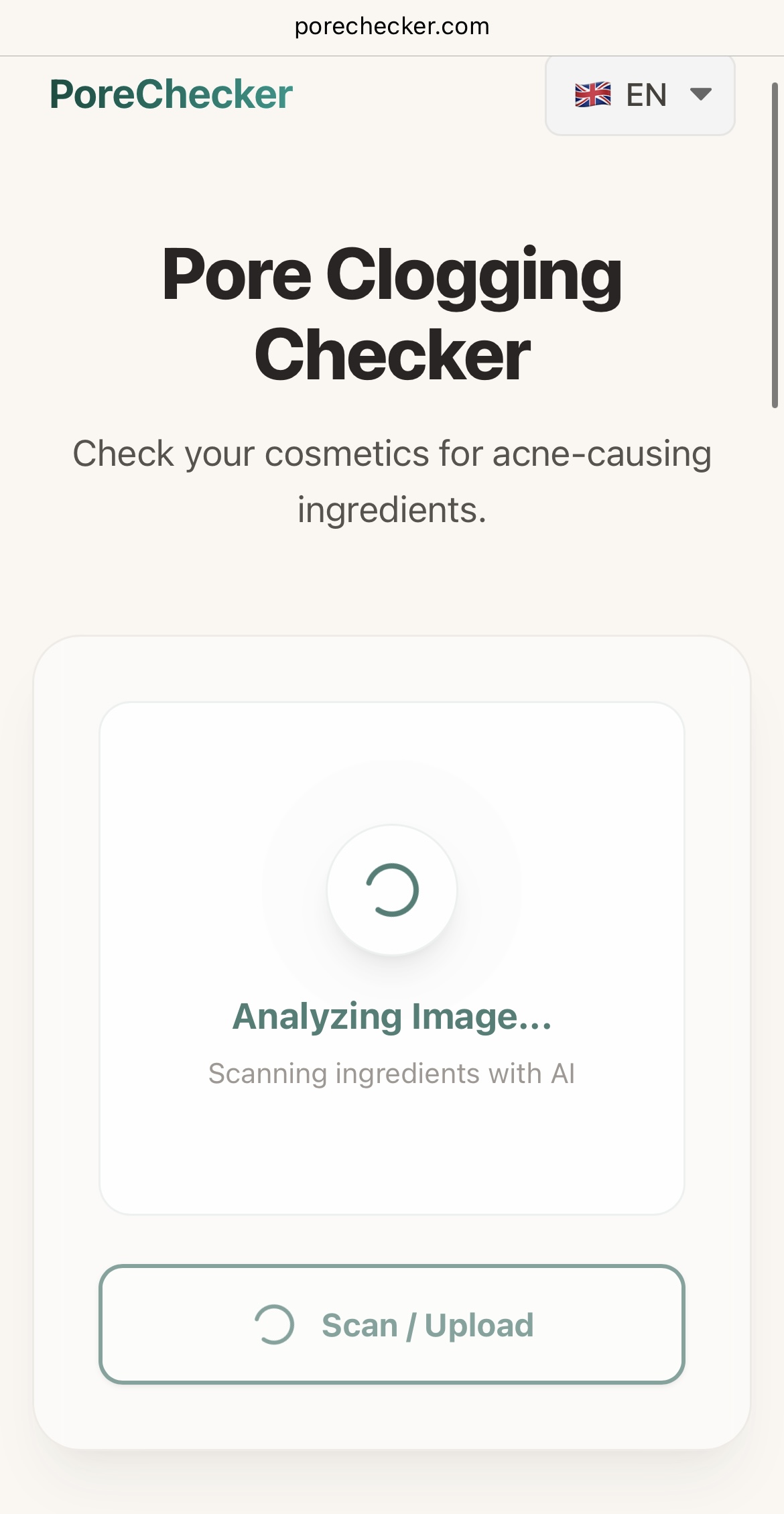
Step 2: Instant AI Ingredient Analysis
Our advanced AI scans the image, performs OCR (Optical Character Recognition), and matches every ingredient against our curated database of comedogenic substances.
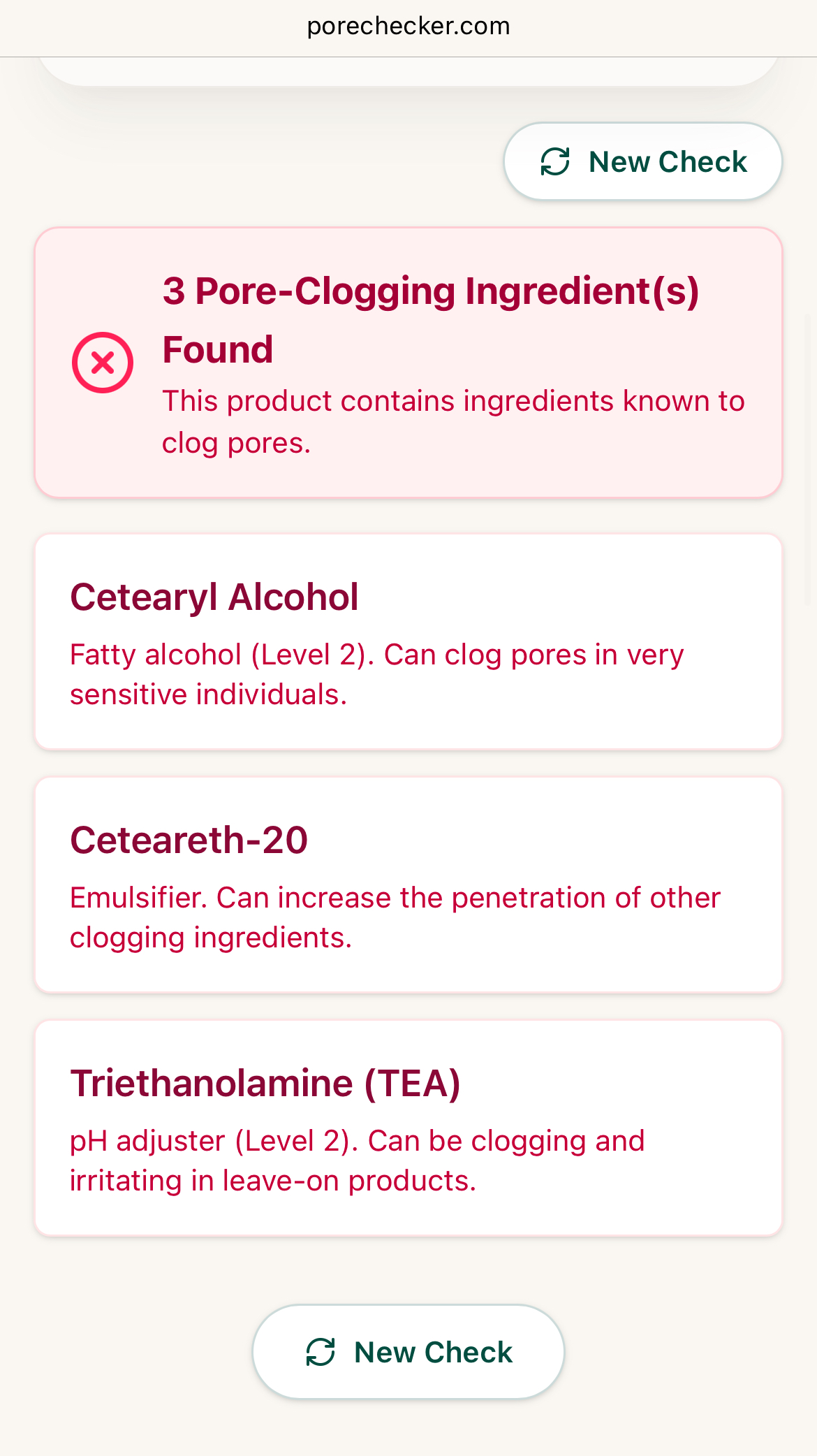
Step 3: Clear Results for Clearer Skin
You get an immediate breakdown. If any red-flag ingredients are found, we highlight them and explain why they might be problematic for your pores.
Does this product fit my skin's needs?
Check Your Products Now