How Do Acne Patches Work and Are They Right for Your Breakouts?
Discover how do acne patches work to flatten blemishes. Learn the science behind hydrocolloid bandages and clear skin maintenance.

The sight of a sudden blemish is a universal frustration, but the impulse to pick at it is perhaps the most damaging habit in any skincare routine. When you introduce inflammation-inducing bacteria into an already compromised pore, you exacerbate the issue, often leading to longer healing times and post-inflammatory hyperpigmentation. Understanding how do acne patches work is essential for anyone looking to treat their skin with clinical precision rather than reactive force.
At their core, these patches represent a shift toward protective, non-comedogenic care. By creating a physical barrier between your skin and external irritants, they provide a sterile environment that allows the skin's natural repair mechanisms to function without interference. When you stop touching and picking, you allow the follicular wall to heal, which is the cornerstone of effective acne management.
The Mechanics of Hydrocolloid Technology
Most effective acne patches rely on hydrocolloid technology, a material originally developed for clinical wound care. When applied to a "juicy" or whitehead-stage blemish, the patch absorbs the exudate—the fluid containing pus, bacteria, and dead skin cells—contained within the follicle. As the hydrocolloid material hydrates, it turns from a dry film into a soft gel, creating a moist, pressurized environment that accelerates the healing process and reduces the risk of scarring.
Beyond Absorption: Occlusion and Protection
While absorption is the primary function, the occlusive nature of the patch is equally vital. By sealing the area, the patch prevents moisture loss and keeps airborne bacteria at bay. This is particularly important for individuals with sensitive skin, as the patch serves as a protective shield against friction from pillows, hair, or hands. If you are prone to breakouts, this barrier method is significantly more effective than traditional drying treatments that can compromise the skin barrier and lead to excessive flaking.
Addressing the Root Cause
While a patch can successfully manage the symptoms of a visible lesion, it is not a cure-all for chronic congestion. Many recurring breakouts are fueled by hidden pore-cloggers—ingredients often found in your daily moisturizer, sunscreen, or foundation that mimic the skin’s natural oils and trigger follicular plugging. You might be using the most advanced spot treatment available, but if your daily routine contains hidden acne-triggers, you are essentially fighting a losing battle against your own vanity bag.
Don't Let Your Products Ruin Your Progress
The efficacy of your targeted treatments relies entirely on the integrity of your overall routine. Using a highly effective hydrocolloid patch to clear a blemish is a logical step, but if the products you apply to the rest of your face are secretly clogging your pores, you will likely see the same breakouts return in neighboring follicles. To truly get ahead of acne, it is imperative to audit your skincare and makeup lineup to ensure every single product is truly non-comedogenic. Taking the time to cross-reference your current favorites against a database of known pore-clogging ingredients is the most proactive step you can take to stop the cycle of recurring congestion before it starts.
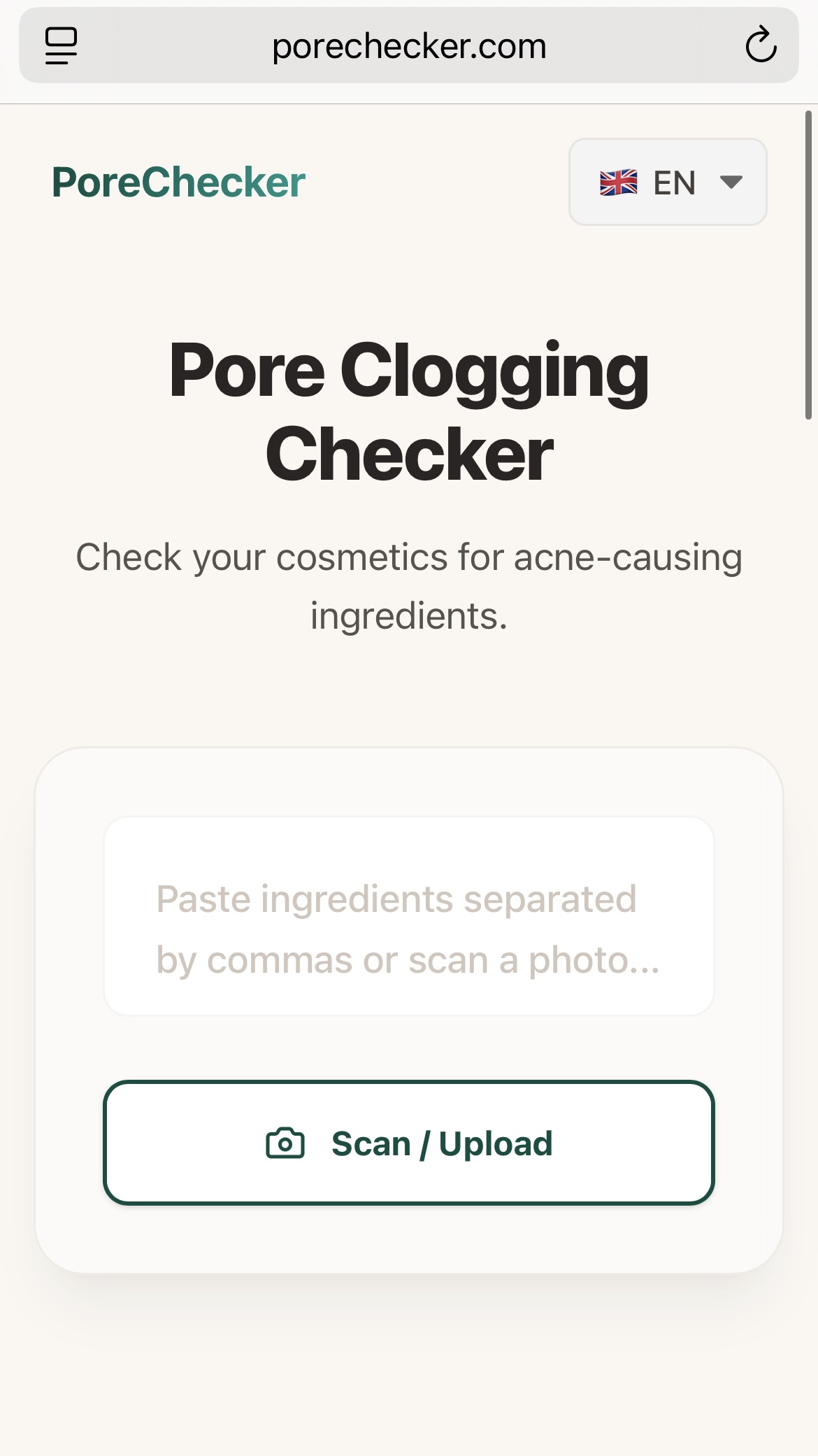
Step 1: Upload Your Product Image
Simply snap a photo of the ingredient list on the back of any bottle, jar, or box. No typing required.
Step 2: Instant AI Ingredient Analysis
Our advanced AI scans the image, performs OCR (Optical Character Recognition), and matches every ingredient against our curated database of comedogenic substances.

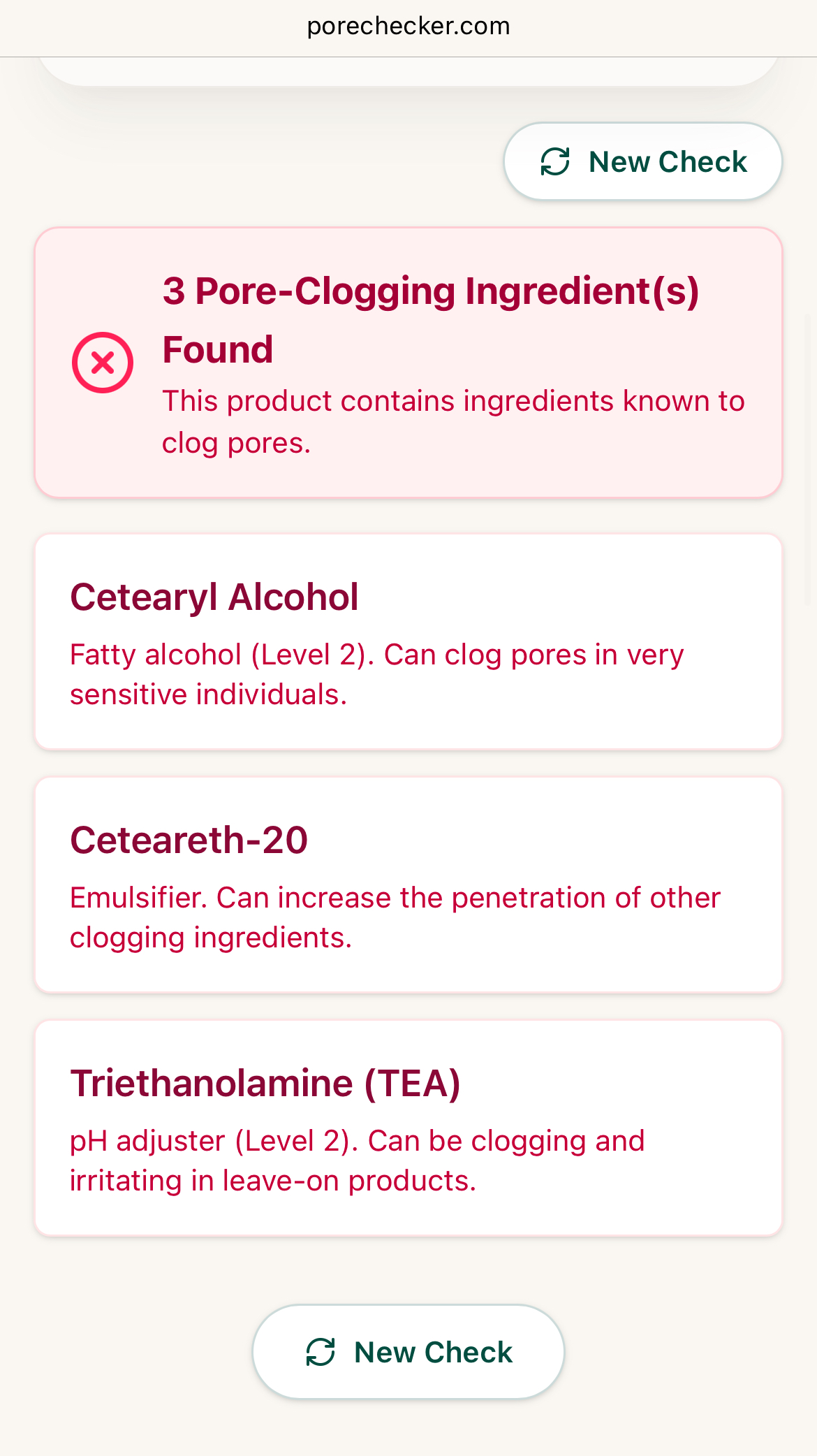
Step 3: Clear Results for Clearer Skin
You get an immediate breakdown. If any red-flag ingredients are found, we highlight them and explain why they might be problematic for your pores.
Does this product fit my skin's needs?
Check Your Products Now