How Long Does Acne Last? Understanding Your Skin's Timeline
Unravel the mysteries of acne! Learn how long acne lasts, the factors influencing it, and effective skincare strategies. Plus, discover hidden pore-cloggers.
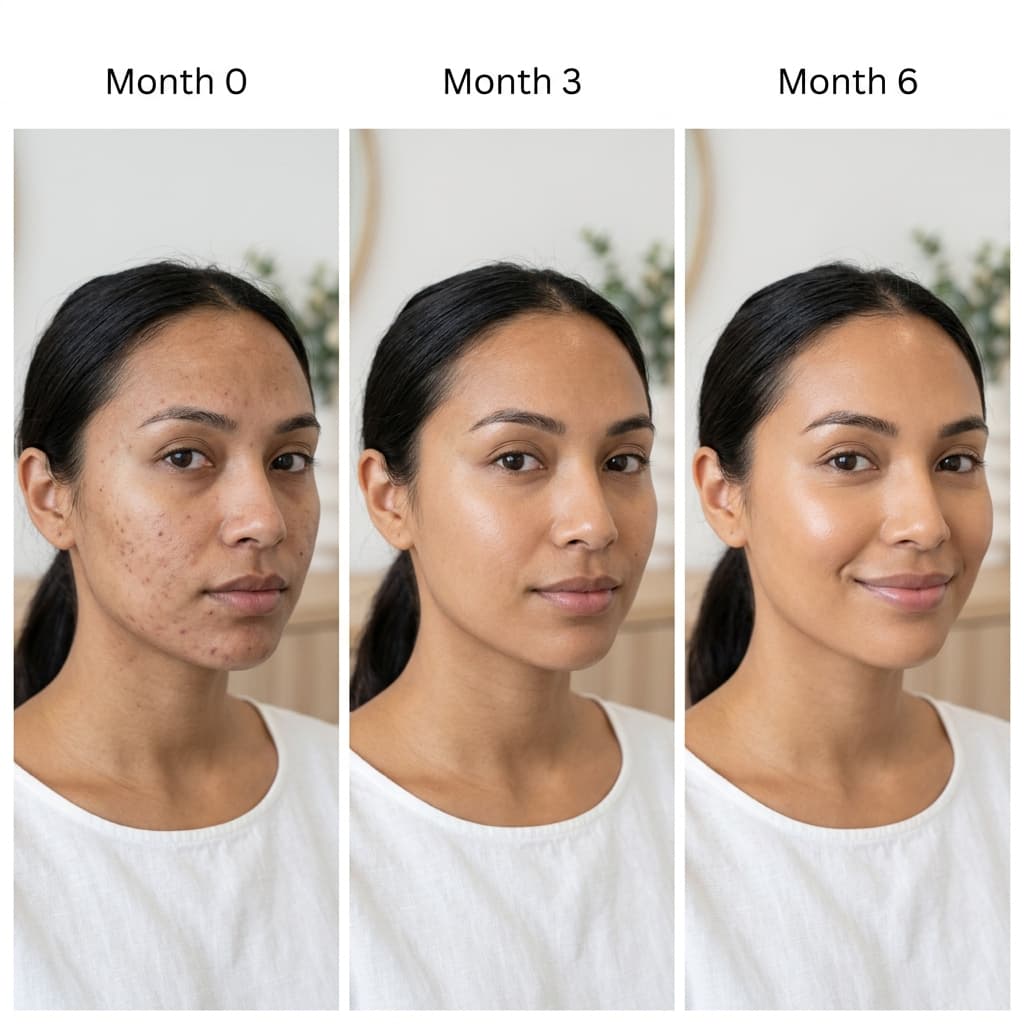
Acne, that unwelcome guest, often overstays its welcome, leaving you wondering when it will finally depart. The duration of acne varies greatly from person to person, and several elements influence its life cycle. It's crucial to understand that acne isn't a singular entity, but a spectrum of conditions. The type of acne, the underlying causes, and the treatments employed all play significant roles in determining its longevity. Remember, adopting a non-comedogenic skincare routine is fundamental. This means choosing products specifically formulated not to clog pores – a cornerstone of effective acne management.
This article will examine the typical lifecycles of various acne types, explore the factors that impact their duration, and offer insights into effective treatment strategies. We'll delve into preventative measures and lifestyle adjustments you can implement to accelerate your skin's healing process. Knowledge is power, and understanding the "how long does acne last" question is the first step toward clearer, healthier skin. Let's begin!
The Lifespan of Different Acne Types
Acne presents itself in several forms, each with its characteristic duration. Understanding these differences is essential for setting realistic expectations and choosing appropriate treatments.
Blackheads and Whiteheads (Non-Inflammatory Acne)
These mild forms of acne can persist for several weeks or even months if left untreated. Blackheads, open comedones, and whiteheads, closed comedones, are caused by a buildup of oil, dead skin cells, and bacteria within the pore. Gentle exfoliation, using products containing ingredients like salicylic acid or benzoyl peroxide, can help dislodge these blockages and shorten their lifespan. Consistent use of non-comedogenic products is paramount to prevent their recurrence.
Papules and Pustules (Inflammatory Acne)
These are the classic pimples – red, inflamed bumps (papules) and those filled with pus (pustules). Their duration varies from a few days to a couple of weeks. Proper treatment, often involving topical or oral medications prescribed by a dermatologist, is crucial to reduce inflammation and prevent scarring. Avoiding picking or squeezing these blemishes is critical, as it can worsen inflammation and prolong their lifespan.
Nodules and Cysts (Severe Inflammatory Acne)
These are the deepest and most severe forms of acne, characterized by large, painful, and inflamed lumps under the skin. Nodules and cysts can last for weeks or even months, and they have a higher risk of causing permanent scarring. Treatment typically involves prescription-strength medications, such as oral antibiotics or isotretinoin (Accutane), under the supervision of a dermatologist. Patience and consistent adherence to the treatment plan are vital for achieving results.
Factors Influencing Acne Duration
Several factors can influence how long your acne persists.
Severity of Acne
As we've seen, the more severe the acne, the longer it tends to last. Mild acne might resolve within a few weeks with proper care, while severe acne can require months of treatment.
Treatment Approach
The effectiveness of your treatment plan directly impacts the duration of your acne. Using appropriate products, adhering to your dermatologist's recommendations, and being consistent with your routine are all crucial for success. Inadequate or inconsistent treatment can prolong the acne lifecycle.
Underlying Causes
Addressing the underlying causes of acne, such as hormonal imbalances, genetics, or lifestyle factors, is essential for long-term control. Failing to address these underlying causes can lead to recurring breakouts and prolonged acne.
Skincare Habits
Your skincare habits play a significant role. Gentle cleansing, regular exfoliation (as appropriate for your skin type), and avoiding harsh or irritating products are vital. Picking or squeezing pimples can worsen inflammation and prolong the healing process.
Don't Let Your Products Ruin Your Progress
The journey to clear skin is often a marathon, not a sprint, and many setbacks are caused by seemingly innocent factors. One of the most common pitfalls involves the products we use. Even seemingly "gentle" or "natural" formulations can contain ingredients that clog pores, leading to new breakouts and extending the time it takes for your skin to heal. It’s so important to be aware of what you're putting on your skin. That's why carefully checking the ingredient lists of all your skincare products for pore-clogging offenders is a crucial step.
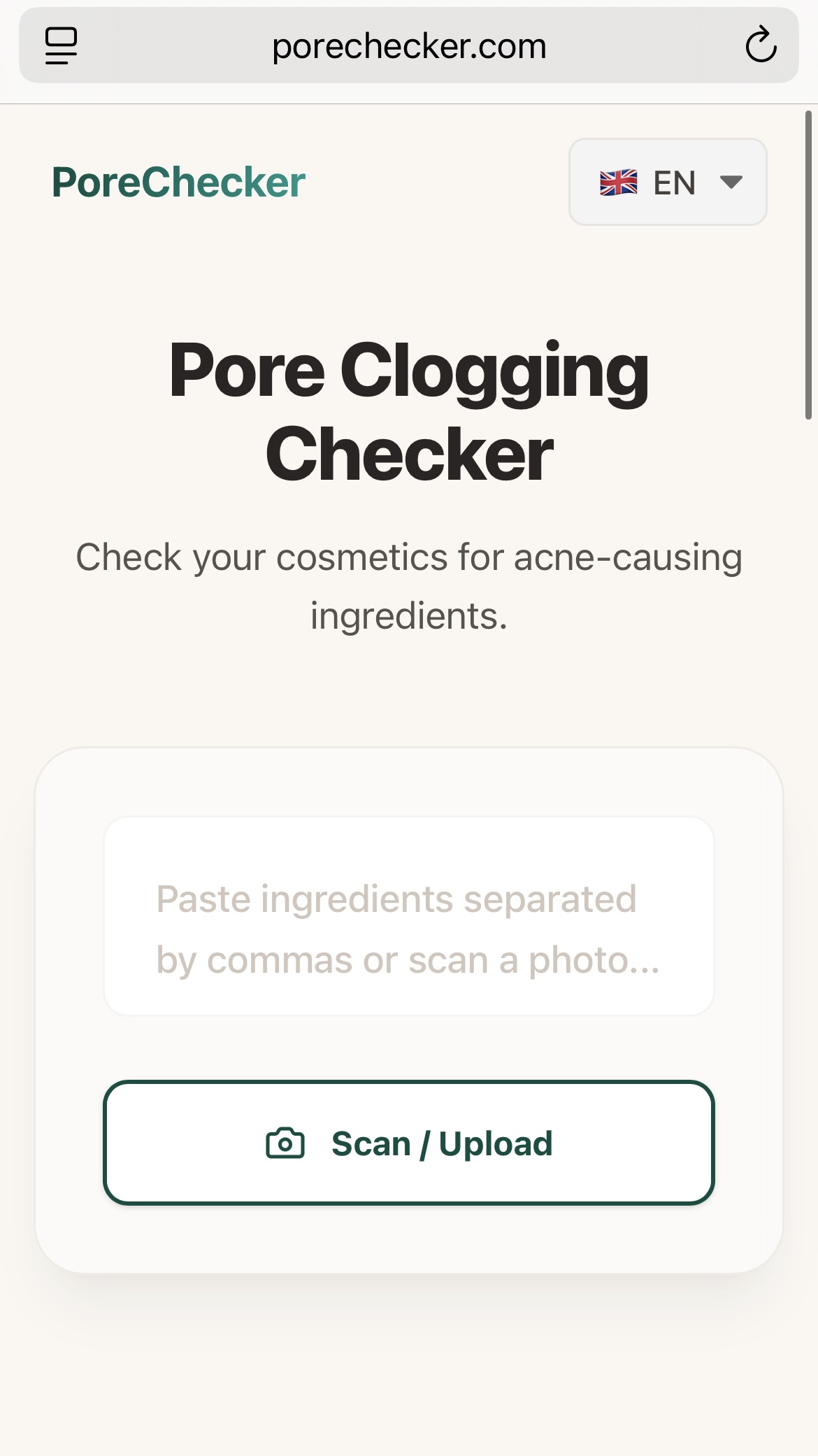
Step 1: Upload Your Product Image
Simply snap a photo of the ingredient list on the back of any bottle, jar, or box. No typing required.
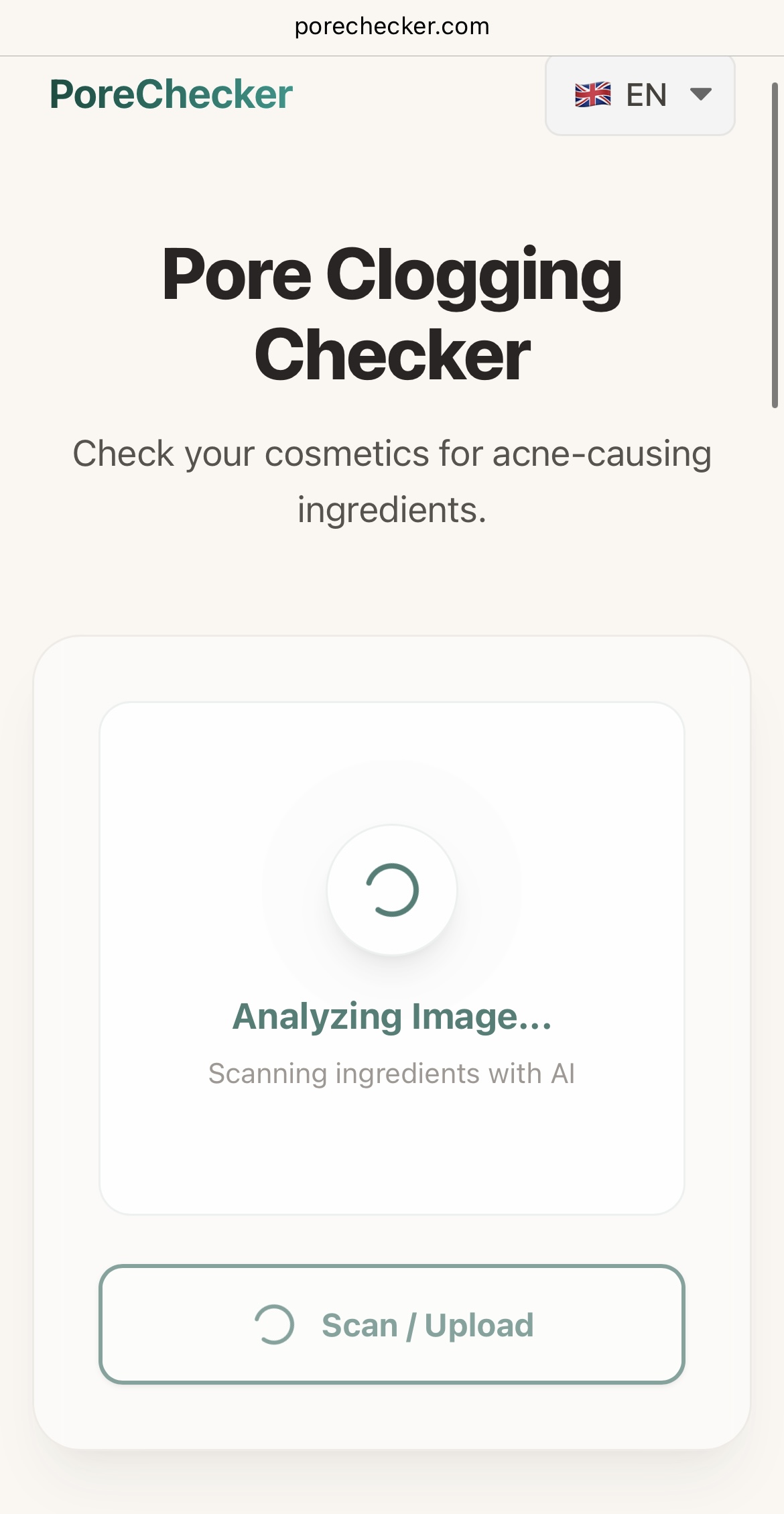
Step 2: Instant AI Ingredient Analysis
Our advanced AI scans the image, performs OCR (Optical Character Recognition), and matches every ingredient against our curated database of comedogenic substances.
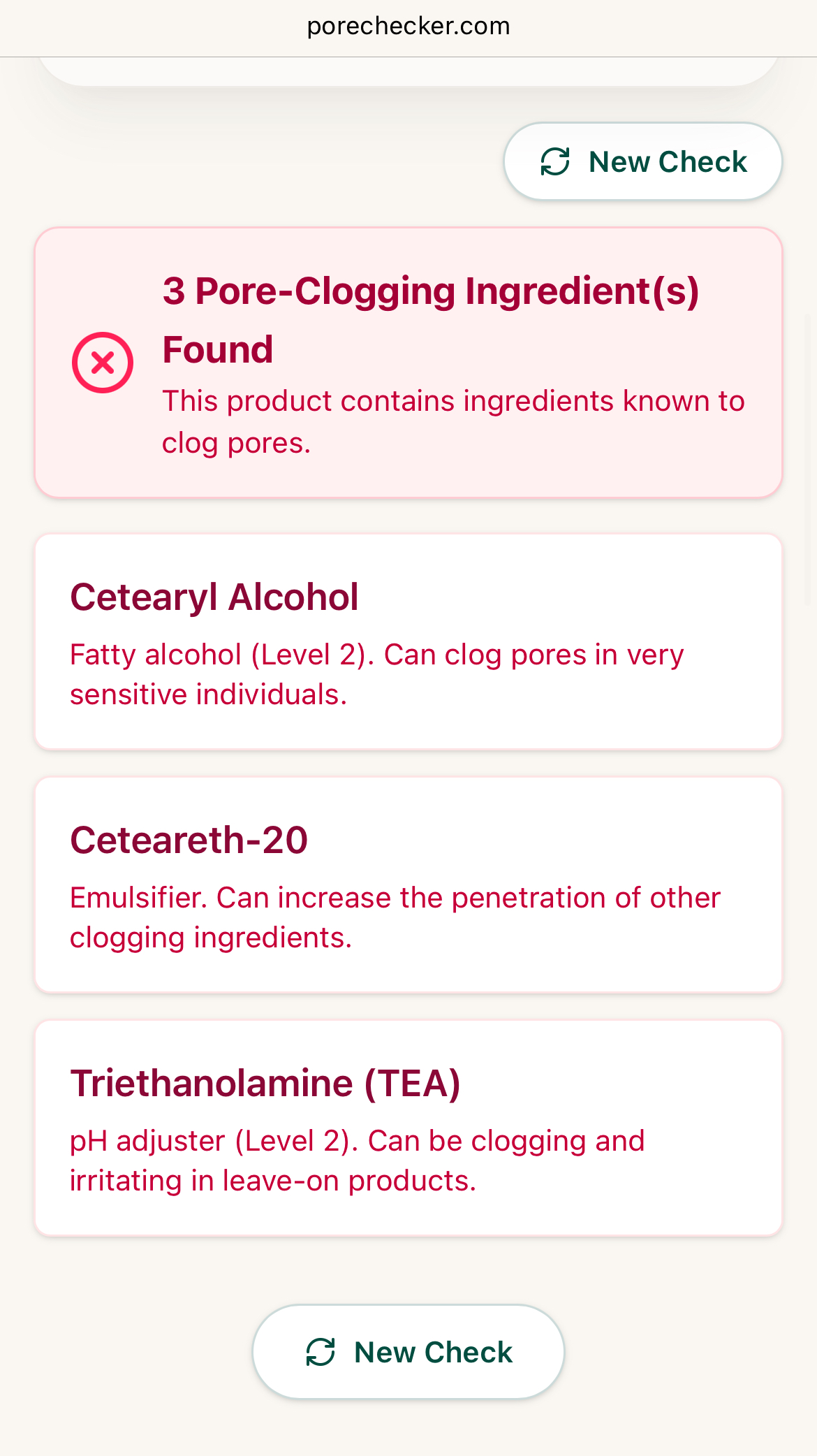
Step 3: Clear Results for Clearer Skin
You get an immediate breakdown. If any red-flag ingredients are found, we highlight them and explain why they might be problematic for your pores.
Does this product fit my skin's needs?
Check Your Products Now