How Long Does It Take for Acne to Go Away and How Can You Speed Up Healing?
Frustrated by breakouts? Learn exactly how long it takes for acne to clear and how non-comedogenic care determines your results.
The desire for immediate skin clarity is understandable, but acne is a biological process that follows the natural cycle of your skin cells. When a breakout appears, you are seeing the result of inflammation that began weeks prior deep within the pore. To understand how long it takes for acne to go away, we must first look at the skin’s turnover rate, which typically operates on a 28 to 40-day cycle depending on age and individual genetics.
Most active breakouts require at least four to six weeks of consistent treatment to show visible improvement. Attempting to force the skin to clear faster through aggressive scrubbing or harsh chemical peels often backfires, damaging the moisture barrier and triggering further inflammation. A successful regimen prioritizes non-comedogenic products—formulations scientifically proven to avoid clogging pores—while respecting the delicate balance of your skin’s microbiome.
The Timeline of a Blemish
A single pimple begins as a micro-comedone, an invisible blockage within the follicle. By the time it manifests as a papule or pustule, it has already been developing for several weeks. When you start an effective topical treatment, such as a retinoid or benzoyl peroxide, you are essentially treating the underlying congestion while simultaneously addressing the active inflammation on the surface.
Patience as a Skincare Ingredient
It is common to experience a temporary phase of increased activity during the first two weeks of a new routine, a phenomenon often referred to as purging. This is not a sign that your treatment is failing; rather, it indicates that the product is accelerating the skin cell turnover process. If you remain consistent, you will typically see a significant reduction in acne severity by the end of the first month. Complete resolution of deep-seated congestion may take up to three months of diligent, non-comedogenic care.
Factors Influencing Recovery
While the biological cycle remains constant, external variables significantly influence how quickly your skin regains its clarity. Hormonal fluctuations can create a recurring cycle of breakouts that seem to defy standard treatment timelines, requiring a more nuanced approach from a dermatologist. Furthermore, the way you treat the skin after a breakout fades—specifically your use of SPF and antioxidants—determines how quickly post-inflammatory hyperpigmentation (PIH) resolves, which is often what makes acne feel like it "stays" longer than it actually does.
Don't Let Your Products Ruin Your Progress
Even the most effective medical-grade treatments can be sabotaged if your daily moisturizers, sunscreens, or makeup contain hidden pore-cloggers. Many common ingredients, while seemingly harmless or even "natural," possess high comedogenic ratings that quietly maintain the cycle of congestion you are trying so hard to break. If you have been treating your acne for weeks without seeing the expected progress, it is highly likely that one of your staple products is working against your goals. Before you decide your treatment isn't working, take the time to audit your product ingredient lists to ensure you aren't inadvertently feeding the very condition you are trying to resolve.
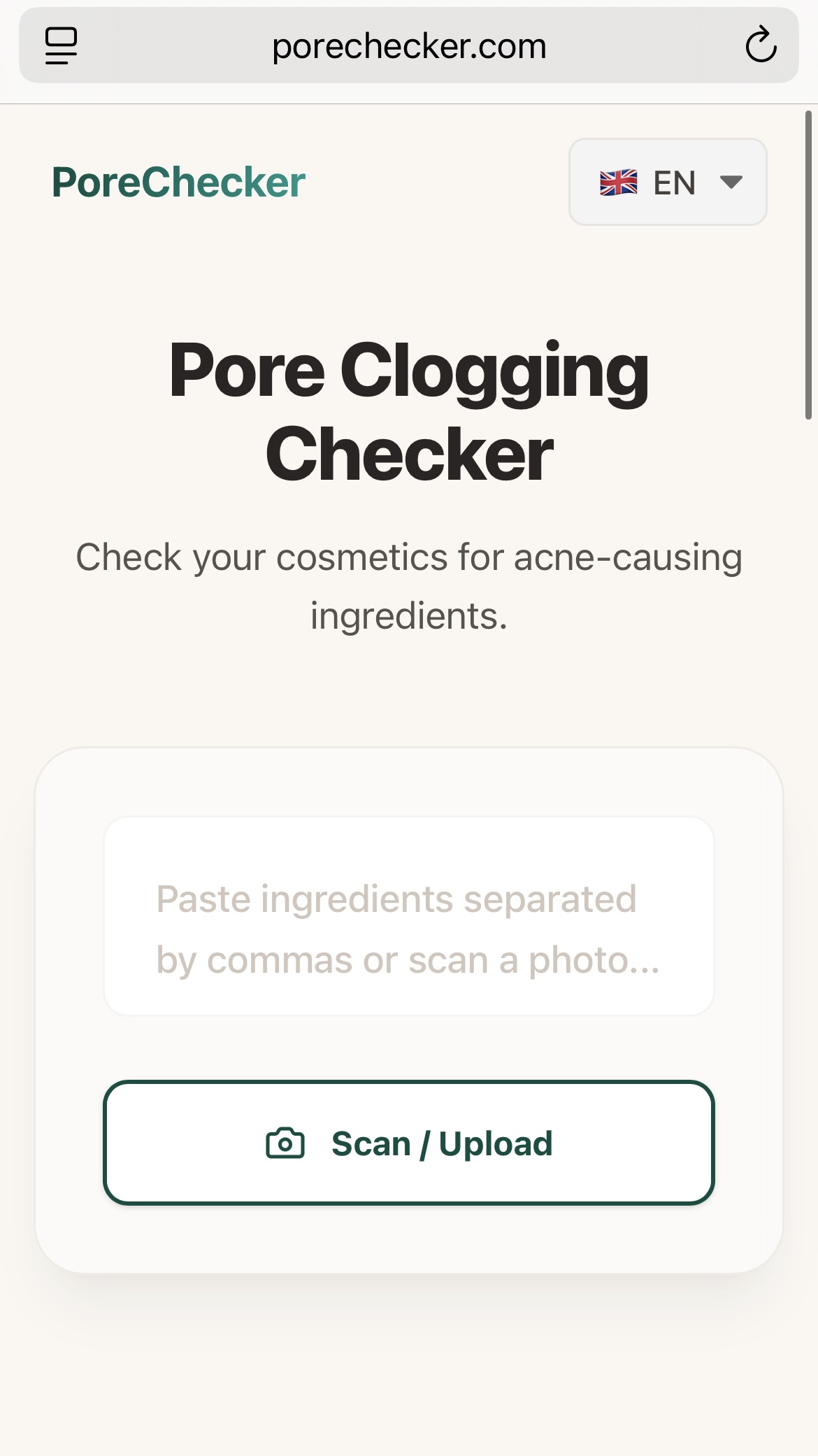
Step 1: Upload Your Product Image
Simply snap a photo of the ingredient list on the back of any bottle, jar, or box. No typing required.
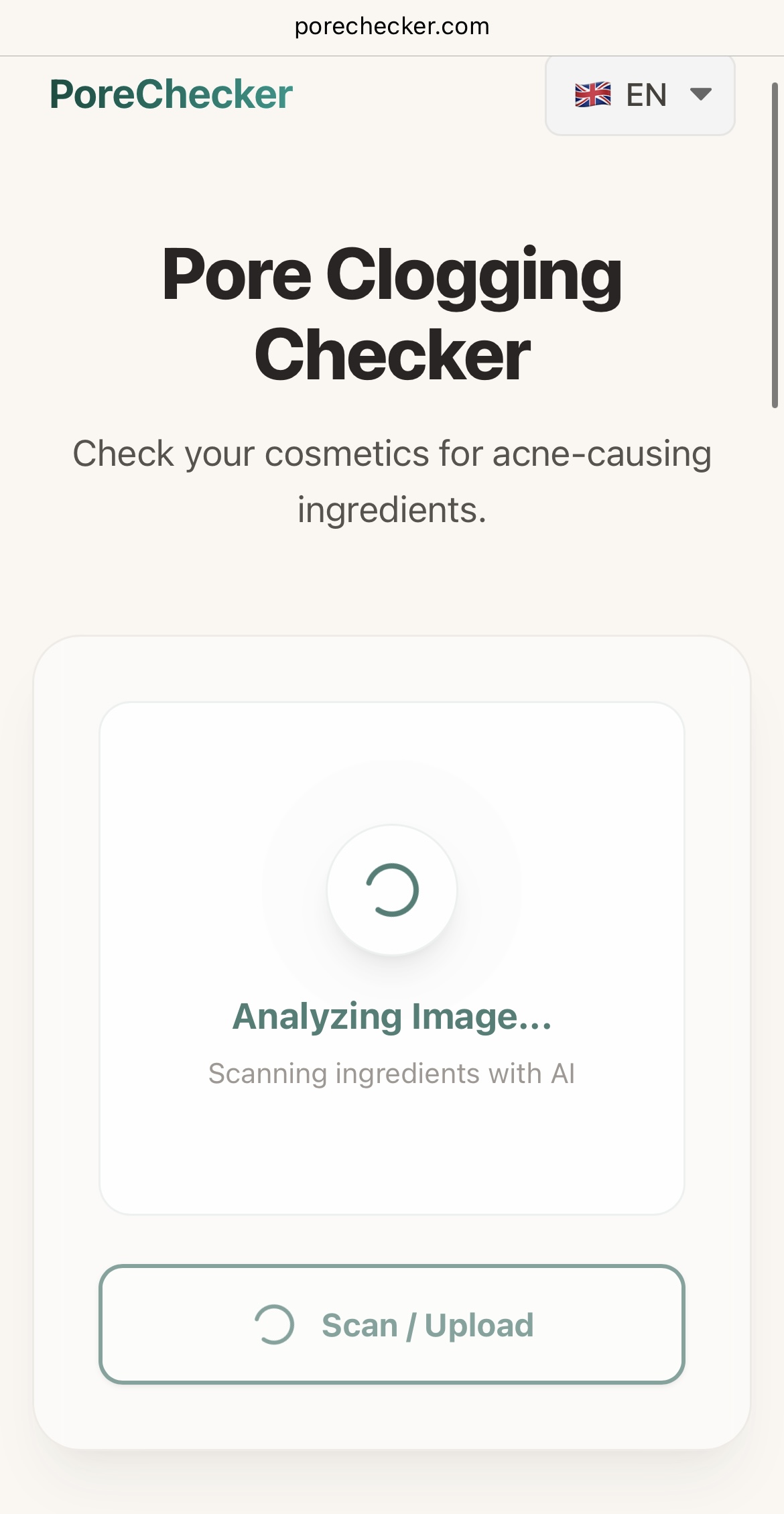
Step 2: Instant AI Ingredient Analysis
Our advanced AI scans the image, performs OCR (Optical Character Recognition), and matches every ingredient against our curated database of comedogenic substances.
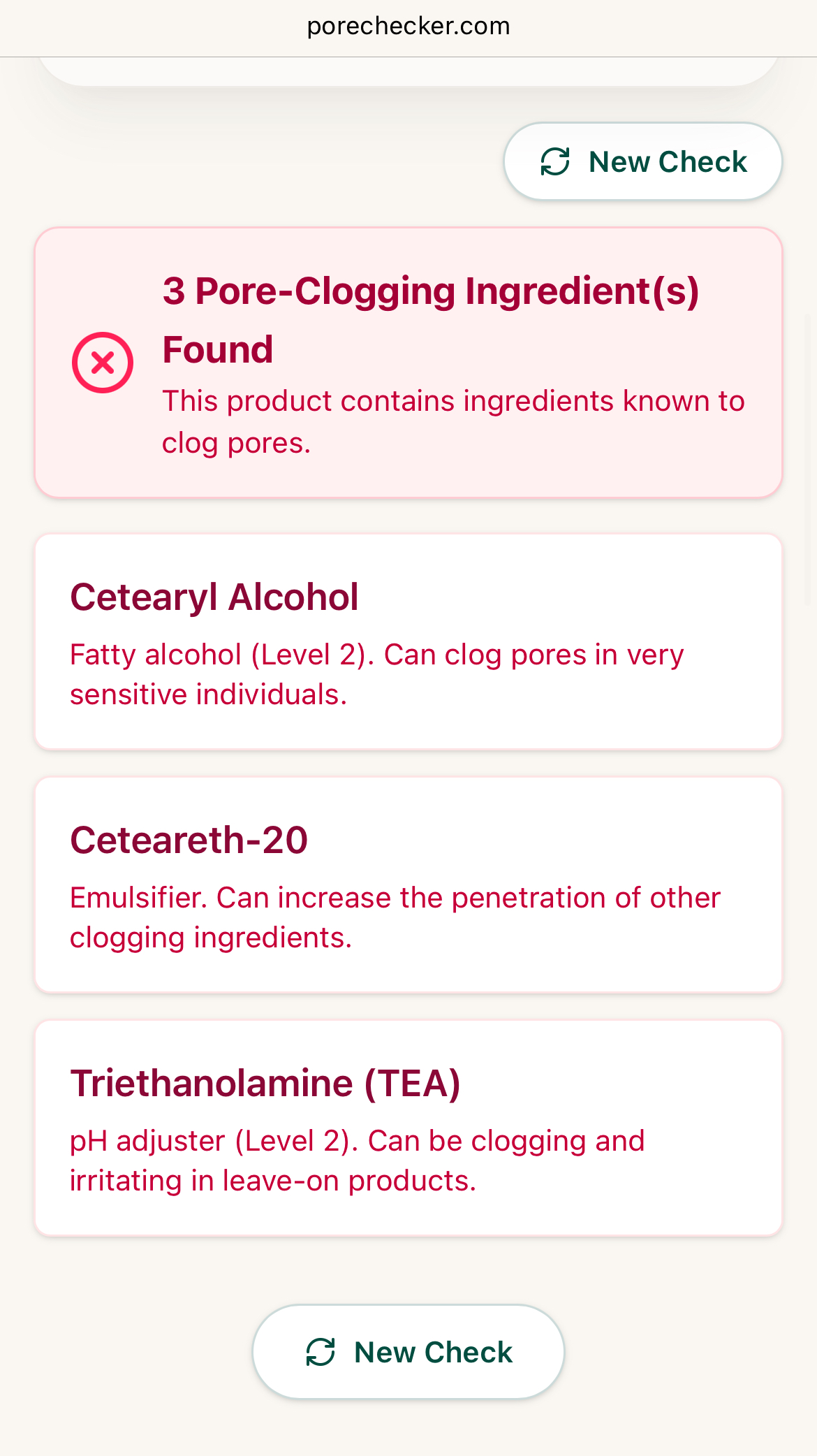
Step 3: Clear Results for Clearer Skin
You get an immediate breakdown. If any red-flag ingredients are found, we highlight them and explain why they might be problematic for your pores.
Does this product fit my skin's needs?
Check Your Products Now