How Long for Doxycycline to Work for Acne: What to Expect During Treatment
Frustrated with breakouts? Learn how long for doxycycline to work for acne and why your current skincare routine might be stalling results.
When you begin a course of doxycycline, the anticipation of clearer skin often feels like a long wait. As an oral antibiotic commonly prescribed for inflammatory acne, doxycycline works by reducing the population of Cutibacterium acnes—the bacteria responsible for triggering red, painful papules and pustules—and curbing systemic inflammation. However, skin cells turn over on a biological clock, and chemical shifts in the microbiome take time to translate into visible surface changes.
Understanding the timeline of your treatment is essential for managing expectations. While it is natural to want immediate relief, dermatological efficacy is a marathon, not a sprint. Adopting a gentle, non-comedogenic skincare routine during this phase is equally important; you want to support your skin’s barrier while the medication works beneath the surface to calm the underlying inflammatory process.
The Typical Timeline for Results
Most patients typically ask how long for doxycycline to work for acne, and the clinical consensus points toward a gradual trajectory. You likely will not see significant changes within the first week or two. In many cases, the initial phase involves a subtle stabilization of new breakouts rather than the total disappearance of existing ones.
Weeks 2 to 4
By the end of the first month, you may notice a decrease in the intensity and size of new inflammatory lesions. The redness associated with active acne often begins to fade as the antibiotic lowers the inflammatory load on the skin. It is important to continue your daily medication regimen exactly as prescribed, even if progress feels slow, as consistency is the primary driver of success.
Significant clinical improvement is most frequently observed between the six and eight-week marks. At this stage, the reduction in systemic inflammation allows the skin to heal more effectively. If you reach the two-month mark without any noticeable difference, it is time to consult your dermatologist to evaluate whether the dosage or the treatment approach needs adjustment. Why Patience and Consistency Matter
The efficacy of doxycycline is frequently undermined by environmental and topical factors. Since antibiotics address the bacterial and inflammatory components of acne, they do not inherently clear out existing follicular impactions. If your daily cleanser, moisturizer, or sunscreen contains hidden comedogenic ingredients, you are effectively adding "fuel" to the fire that the medication is trying to extinguish. This creates a cycle where the medication struggles to keep up with the constant irritation caused by your skincare products.
Don't Let Your Products Ruin Your Progress
Even the most potent prescription can be neutralized if your daily skincare routine introduces pore-clogging ingredients. Many seemingly "gentle" or "dermatologist-recommended" products contain heavy emollients, oils, or waxes that cause micro-comedones to form, potentially triggering breakouts that occur in tandem with your healing process. Because doxycycline treats inflammation, it cannot prevent the physical blockage of pores caused by external products. Regularly auditing your ingredient lists against professional grade, non-comedogenic standards is the best way to ensure that your medication has the clear path it needs to perform its job effectively, allowing your skin the best possible chance to reach lasting clarity.
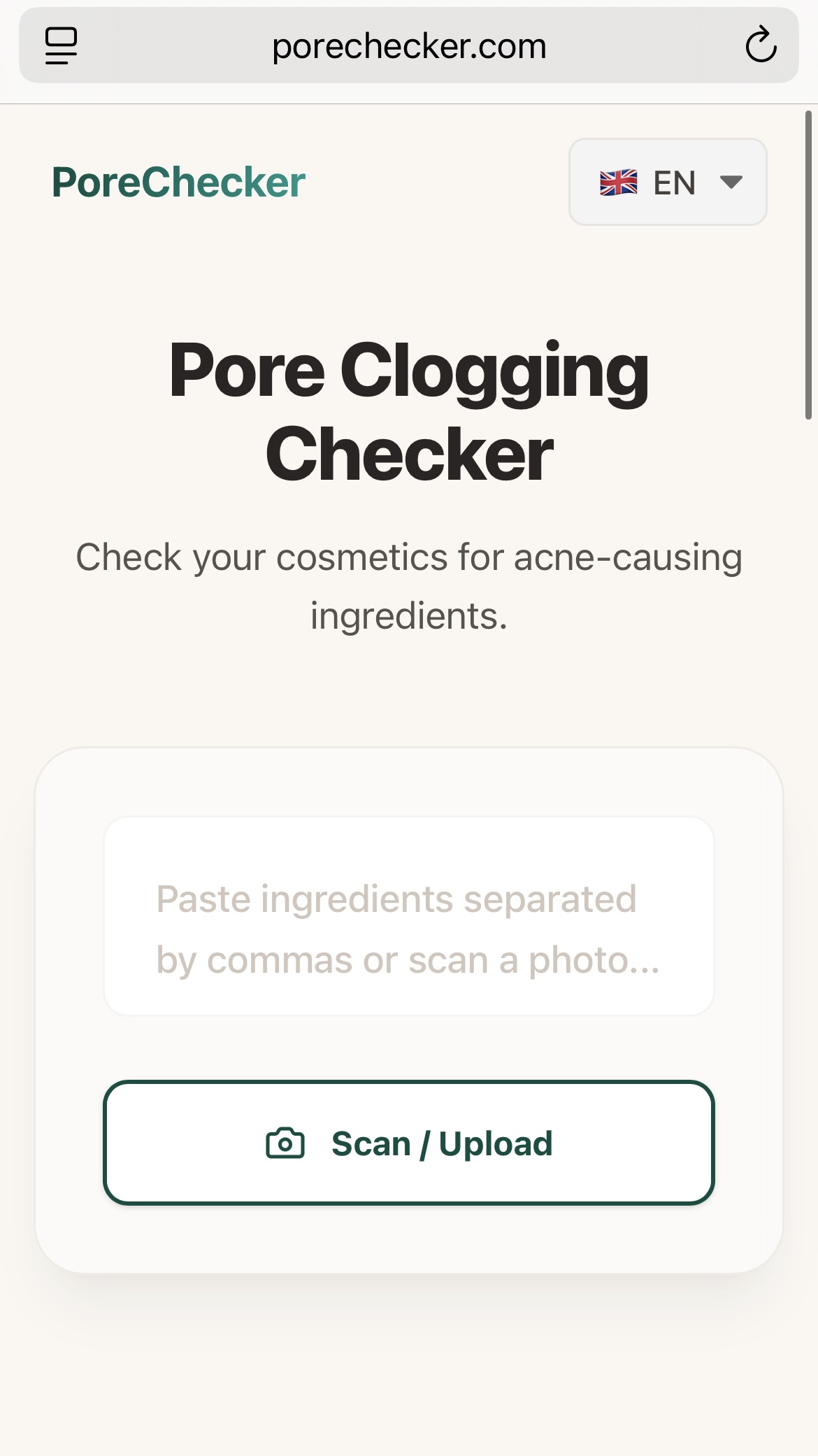
Step 1: Upload Your Product Image
Simply snap a photo of the ingredient list on the back of any bottle, jar, or box. No typing required.
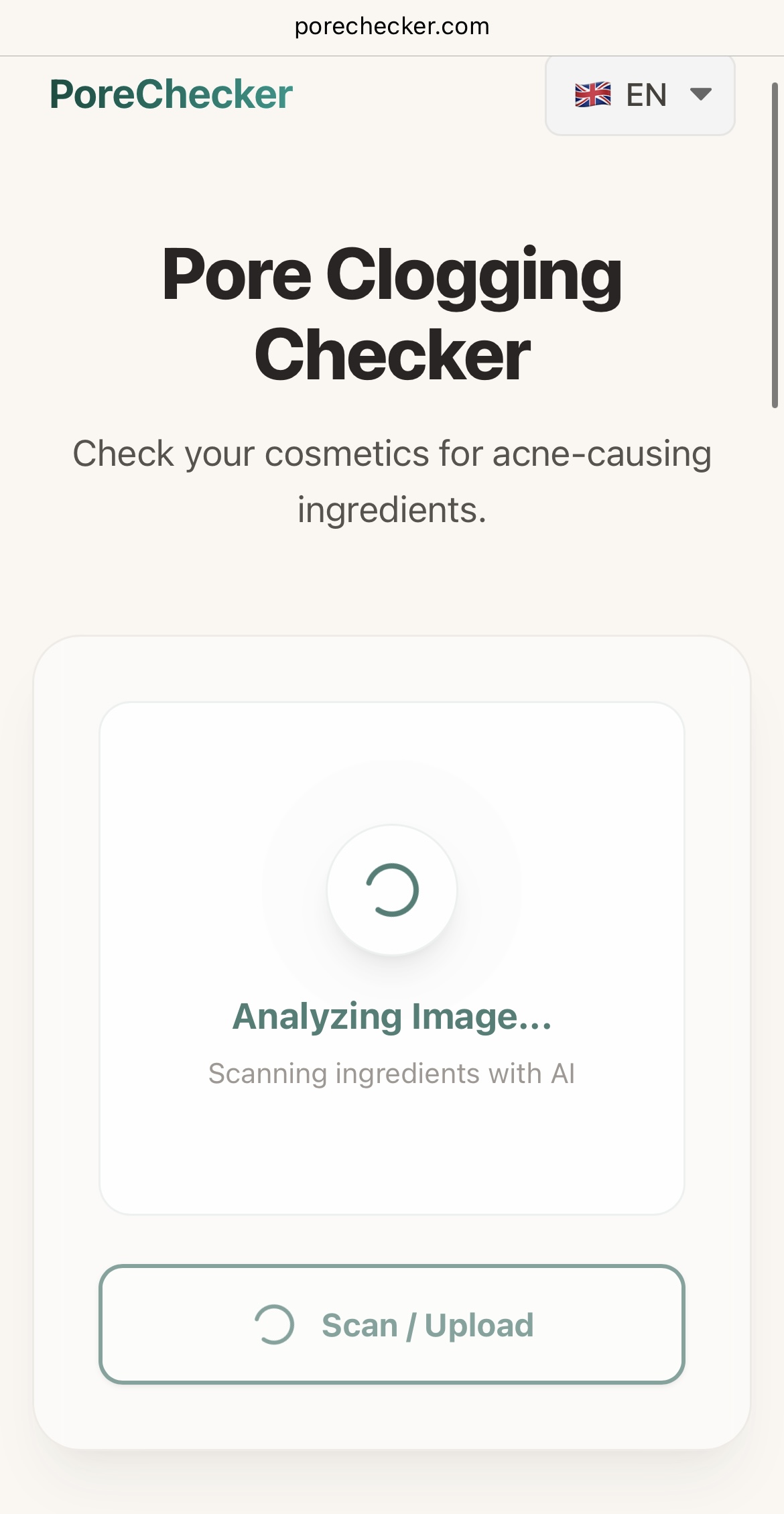
Step 2: Instant AI Ingredient Analysis
Our advanced AI scans the image, performs OCR (Optical Character Recognition), and matches every ingredient against our curated database of comedogenic substances.
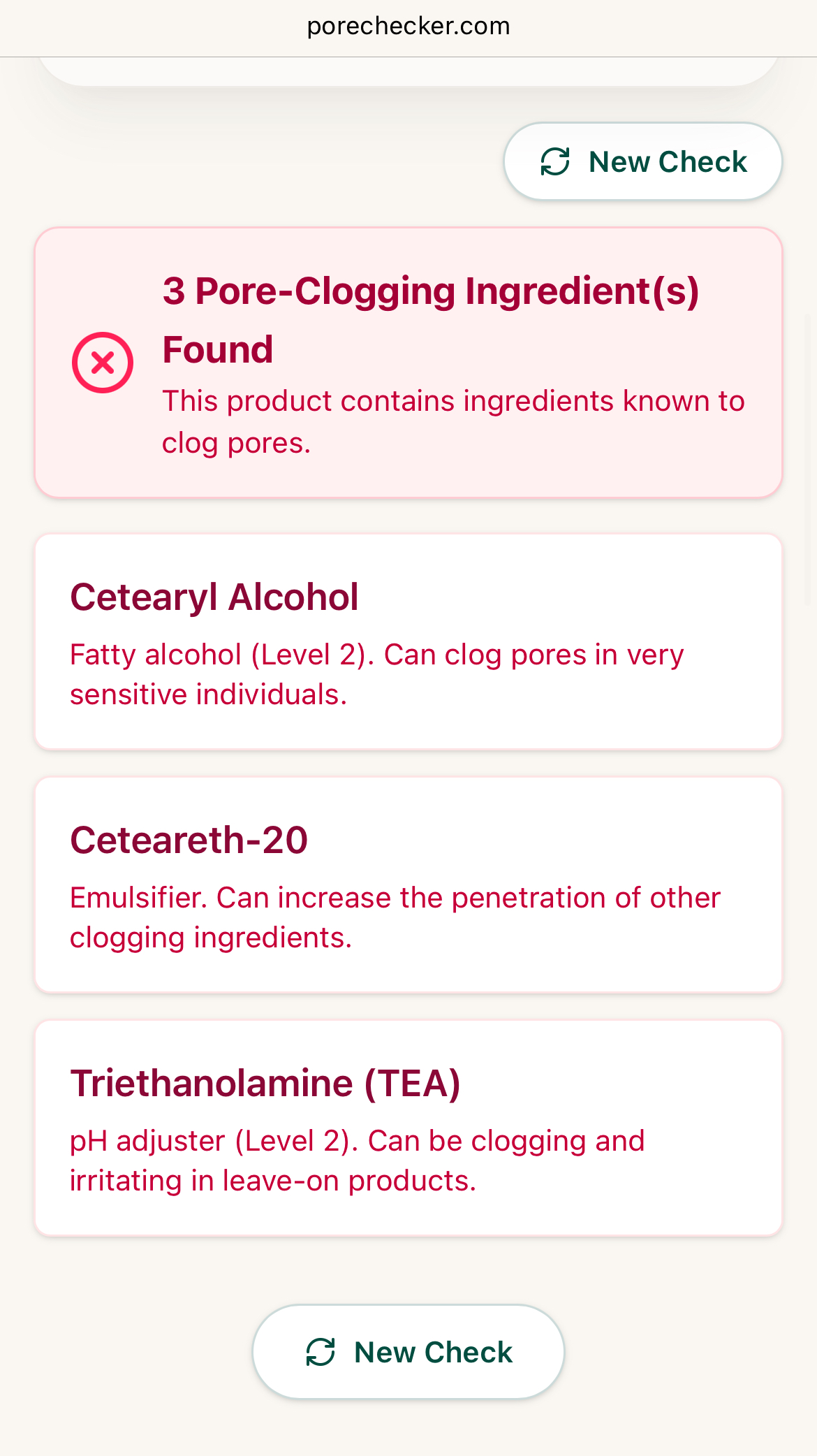
Step 3: Clear Results for Clearer Skin
You get an immediate breakdown. If any red-flag ingredients are found, we highlight them and explain why they might be problematic for your pores.
Does this product fit my skin's needs?
Check Your Products Now