How Long for Spironolactone to Work for Acne: What to Expect During Your Treatment
Starting spironolactone for hormonal acne? Learn how long it takes to see results and how your skincare routine affects progress.
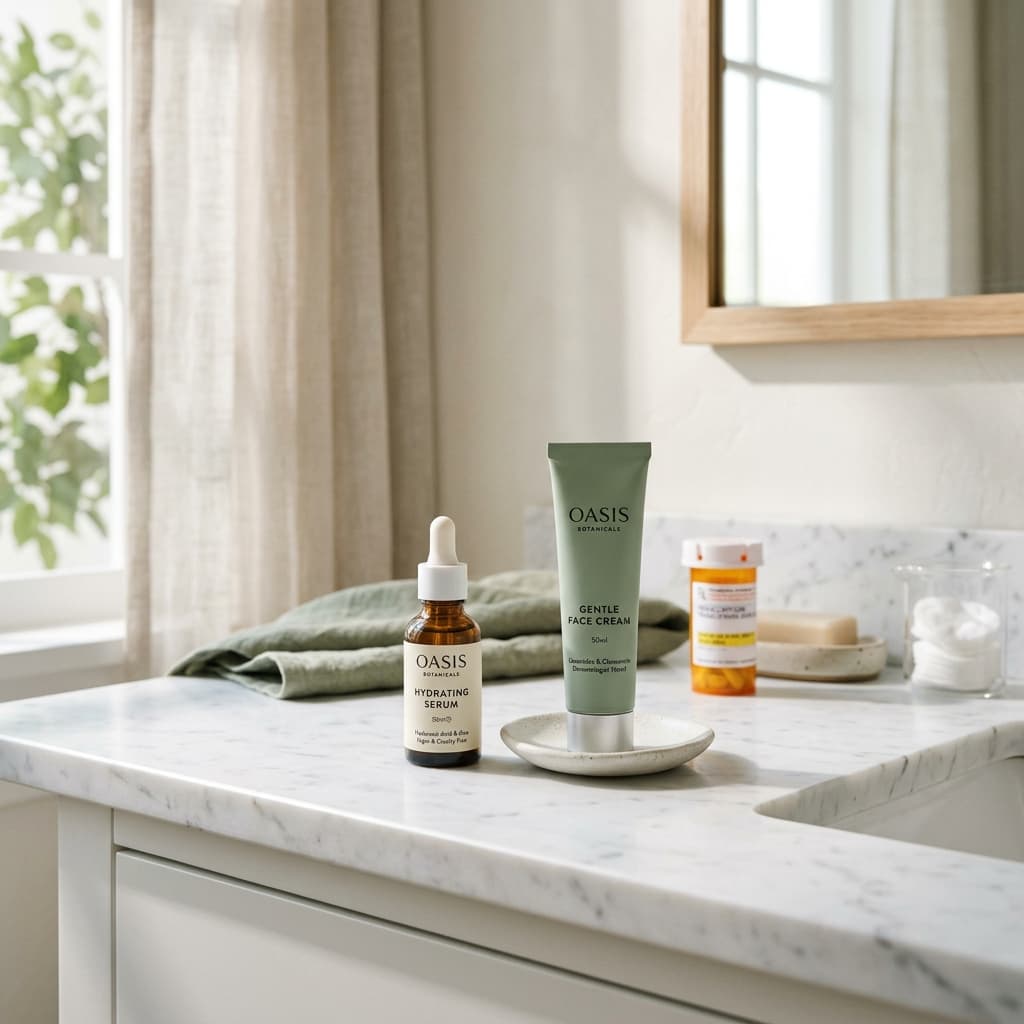
Hormonal acne often feels like an uphill battle, especially when it centers around the jawline, chin, and neck. If you have been prescribed spironolactone, you are likely looking for relief from the persistent, deep-seated cysts that seem immune to topical treatments. As a dermatologist, I often hear patients express frustration during the first few weeks of treatment; it is a medication that requires patience and a clear understanding of its biological mechanism.
Spironolactone works by binding to androgen receptors and blocking the hormones that stimulate excess oil production. Because it addresses the hormonal root cause rather than just surface-level bacteria, the results are rarely instantaneous. Building a consistent routine while using this medication is vital, but equally important is ensuring that the products you apply to your skin aren't working against your prescription by clogging your pores.
The Typical Timeline for Visible Improvement
Most patients ask, "how long for spironolactone to work for acne," and the honest medical answer is that you need to commit to the process for at least three months. In the first four to six weeks, it is not uncommon to see very little change. In some cases, you might even experience a temporary flare-up as your skin chemistry adjusts to the hormonal shift.
The Three-Month Milestone
By the three-month mark, the majority of patients start to notice a significant reduction in the frequency and severity of their breakouts. The androgen-blocking effects take time to reflect on the skin's surface because they must first stabilize the sebum production within the sebaceous glands. Once the oil output is normalized, the environment for acne-causing bacteria becomes far less hospitable.
The Long-Term Outlook
If you reach the six-month mark and do not see the improvement you expected, do not lose heart. Some patients require a dosage adjustment from their healthcare provider to reach a therapeutic level that effectively manages their specific hormonal profile. Consistency with daily dosing is the single most important factor in long-term success.
Don't Let Your Products Ruin Your Progress
While spironolactone manages your internal hormonal triggers, your external habits remain a critical piece of the puzzle. Even with an effective prescription, using skincare products that contain hidden pore-cloggers can create a cycle of congestion that masks the benefits of your medication. Many seemingly "gentle" moisturizers or sunscreens contain ingredients that, while non-irritating, are comedogenic and can cause micro-comedones to form under the skin. It is essential to audit your current vanity and verify every product ingredient against a trusted source to ensure that your topical routine is supporting, rather than sabotaging, the healing progress you are working so hard to achieve.
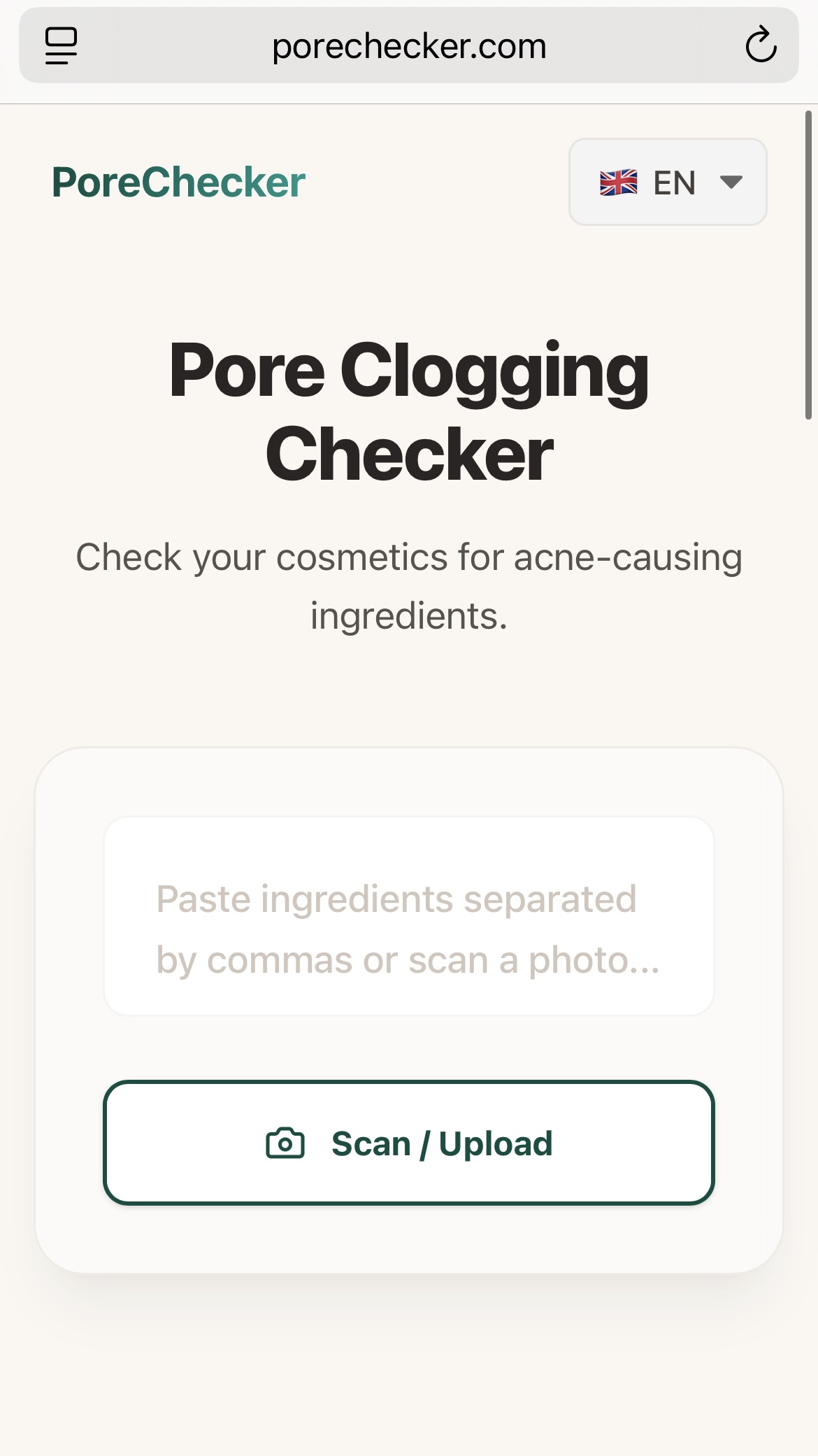
Step 1: Upload Your Product Image
Simply snap a photo of the ingredient list on the back of any bottle, jar, or box. No typing required.
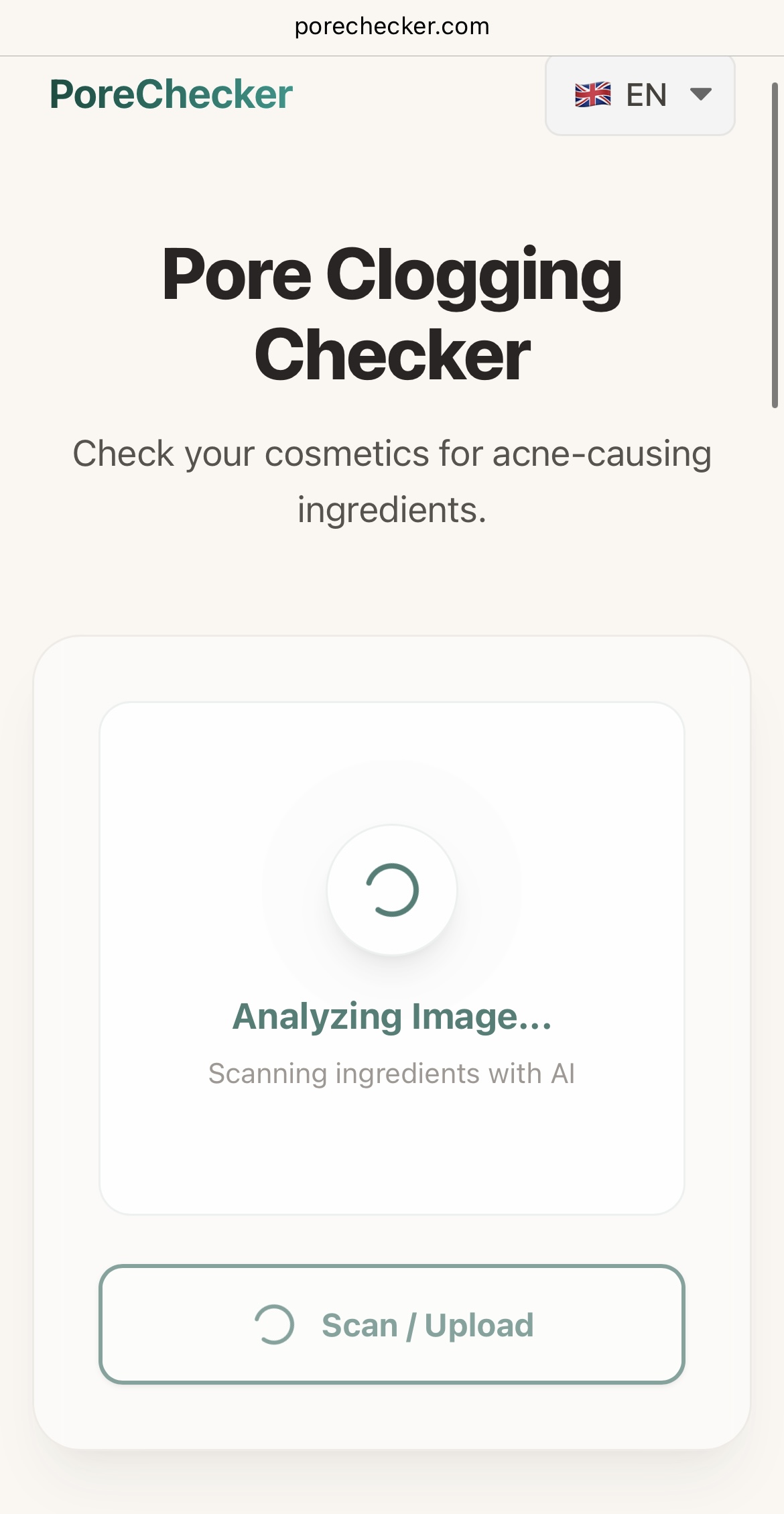
Step 2: Instant AI Ingredient Analysis
Our advanced AI scans the image, performs OCR (Optical Character Recognition), and matches every ingredient against our curated database of comedogenic substances.
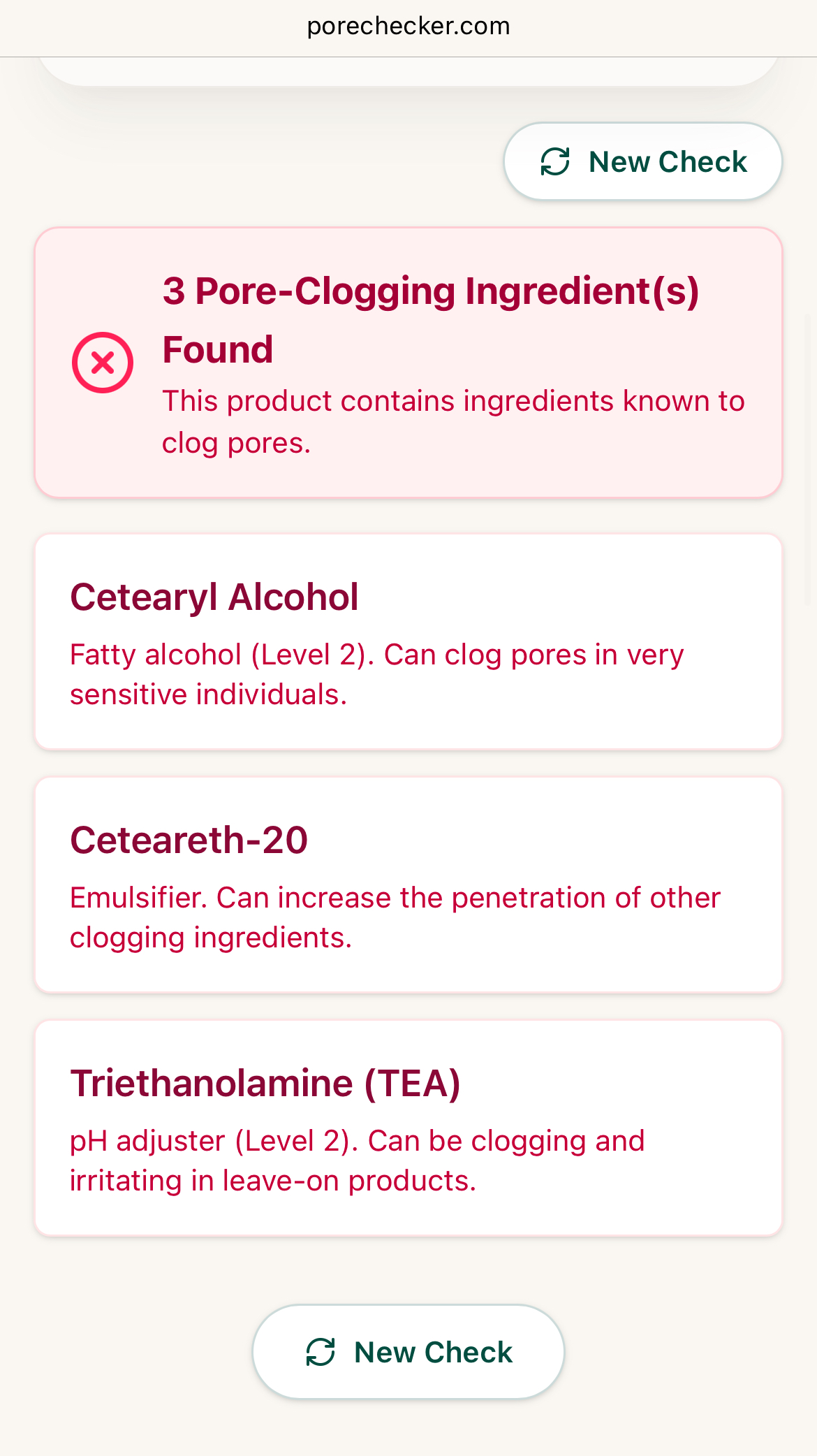
Step 3: Clear Results for Clearer Skin
You get an immediate breakdown. If any red-flag ingredients are found, we highlight them and explain why they might be problematic for your pores.
Does this product fit my skin's needs?
Check Your Products Now