How Much Moisturizer Should I Use To Maintain A Clear, Balanced Complexion?
Applying too much cream can cause breakouts. Learn how much moisturizer should I use to keep your skin hydrated without clogging pores.
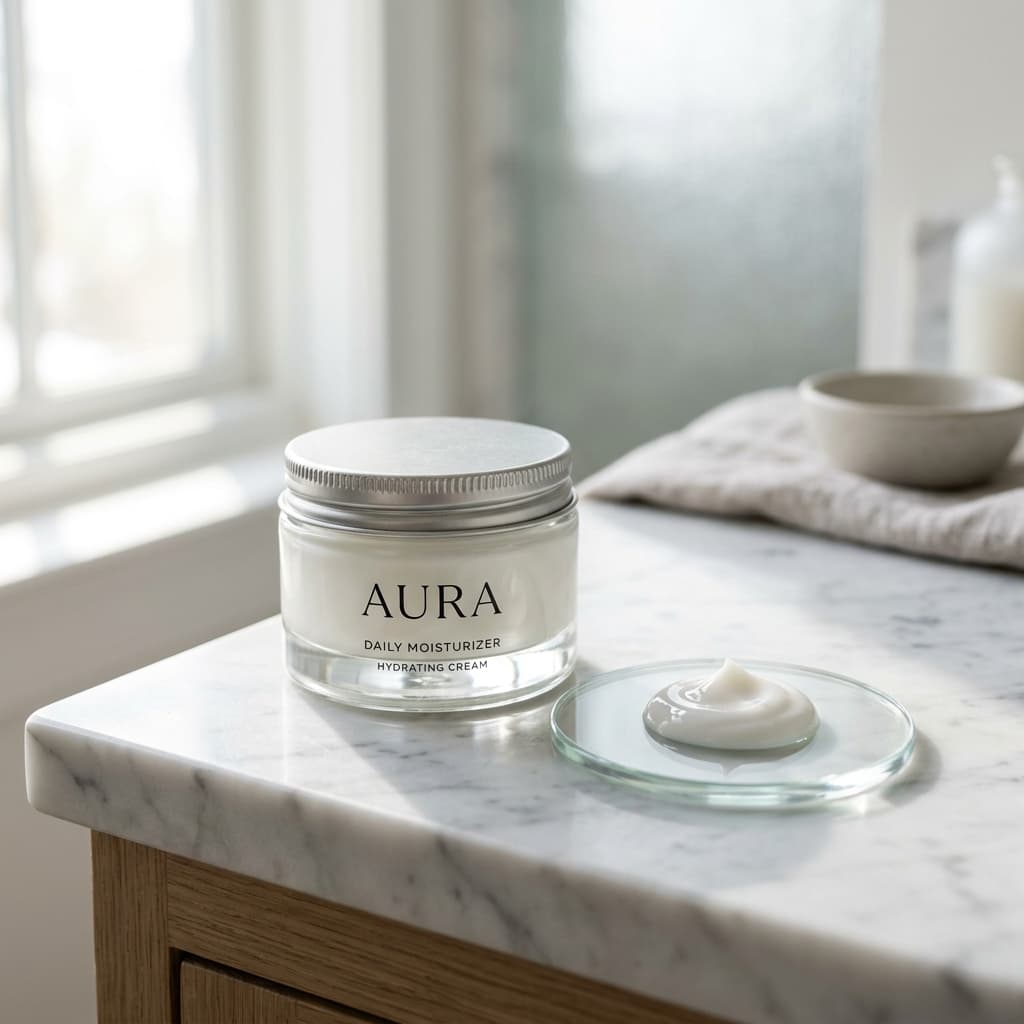
Achieving the perfect balance of hydration is a hallmark of healthy, resilient skin. When we apply too little, the skin barrier becomes compromised, leading to trans-epidermal water loss and chronic dryness. However, over-application is a common pitfall that often goes unaddressed in beauty routines. Many people believe that a thicker layer of product yields superior results, but the reality is that your skin can only absorb a finite amount of emollients and humectants before the excess sits on the surface, potentially trapping debris and bacteria.
The goal is to cultivate an environment that supports your natural lipid barrier without overwhelming your pores. Using the correct quantity is not just about product economy; it is about respecting the physiological needs of your skin. By optimizing your application, you reduce the risk of inflammation and congestion, ensuring that your non-comedogenic products can perform exactly as the scientists intended.
The Nickel-Sized Rule for Optimal Hydration
In clinical practice, the most effective baseline for facial moisturizing is approximately the size of a nickel. This amount is generally sufficient to cover the face and neck, ensuring an even distribution of active ingredients. For those with drier skin types, you may find that a slightly larger amount—closer to the size of a quarter—is necessary during the winter months or in arid climates, provided the product formulation is lightweight and breathable.
When applying, distribute small dots across your forehead, cheeks, nose, and chin before gently massaging the product into the skin. This prevents the tendency to over-apply in one concentrated area. If your skin still feels tight or parched after your product has fully absorbed, it is often better to layer a hydrating serum underneath your moisturizer rather than piling on more cream, which can create a heavy, occlusive layer that invites unwanted breakouts.
Understanding Your Skin’s Absorption Capacity
Your skin has a limited absorption threshold. Any product remaining on the surface of the skin after sixty seconds of gentle massage is likely excess. This residual layer can act as a magnet for environmental pollutants and dead skin cells, effectively creating a barrier that clogs pores. If you consistently find yourself with a greasy residue, you are likely using too much product or selecting a formulation that is too heavy for your specific skin type.
Don't Let Your Products Ruin Your Progress
While mastering the amount of product you apply is a vital step toward clarity, even the most precise application cannot compensate for ingredients that are inherently pore-clogging. Many popular moisturizers contain hidden culprits—such as specific oils or fatty acids—that trigger comedones regardless of how thin a layer you apply. It is essential to review your ingredient list with a critical eye, ensuring that every product touching your face is truly non-comedogenic. Taking the time to audit your skincare formulations is the final, necessary bridge between simply applying product and genuinely protecting your skin's health from the inside out.
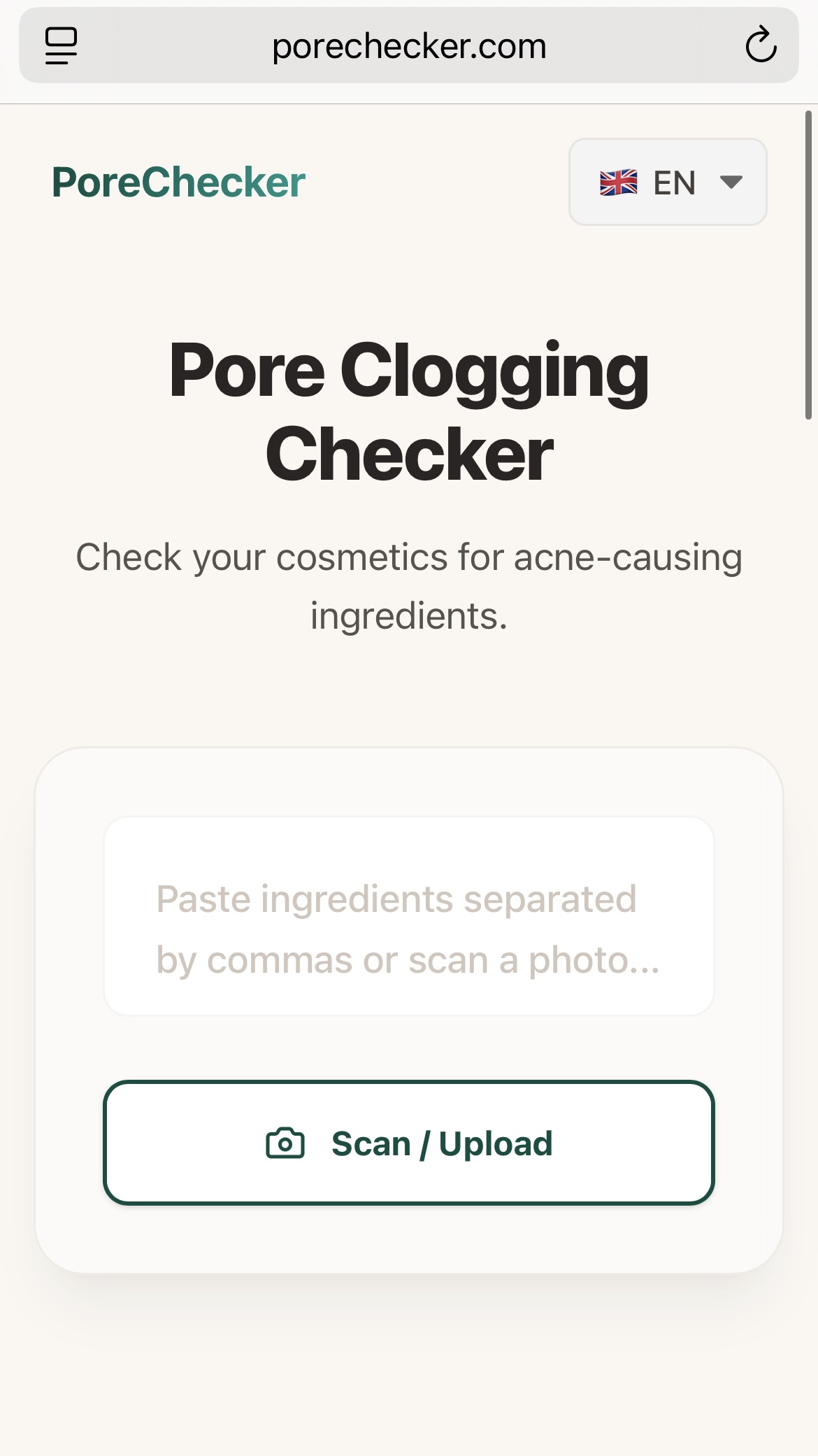
Step 1: Upload Your Product Image
Simply snap a photo of the ingredient list on the back of any bottle, jar, or box. No typing required.
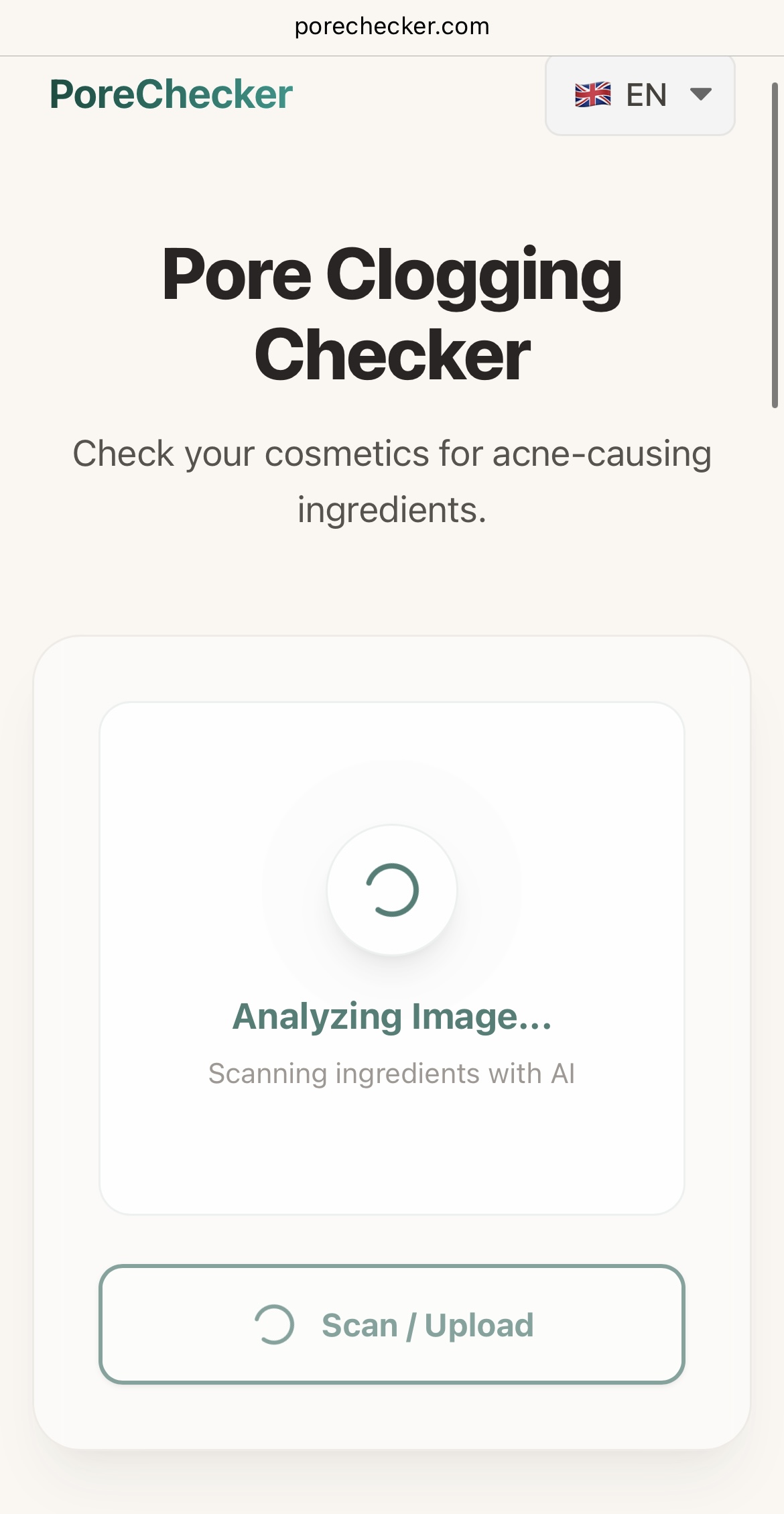
Step 2: Instant AI Ingredient Analysis
Our advanced AI scans the image, performs OCR (Optical Character Recognition), and matches every ingredient against our curated database of comedogenic substances.
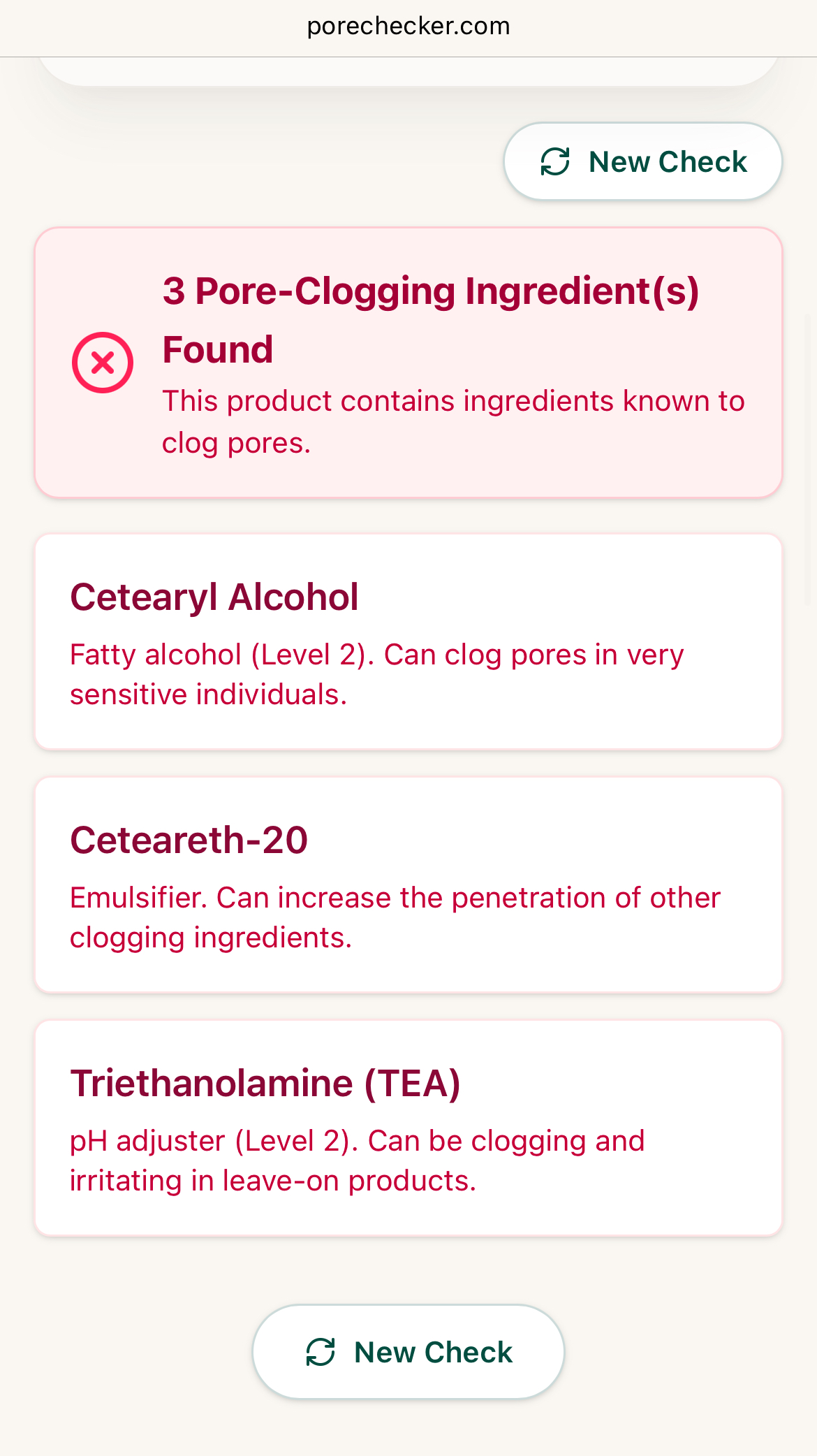
Step 3: Clear Results for Clearer Skin
You get an immediate breakdown. If any red-flag ingredients are found, we highlight them and explain why they might be problematic for your pores.
Does this product fit my skin's needs?
Check Your Products Now