How to Apply Retinol Serum Without Compromising Your Skin Barrier
Learn the science-backed method for how to apply retinol serum correctly to minimize irritation and maximize your anti-aging results.
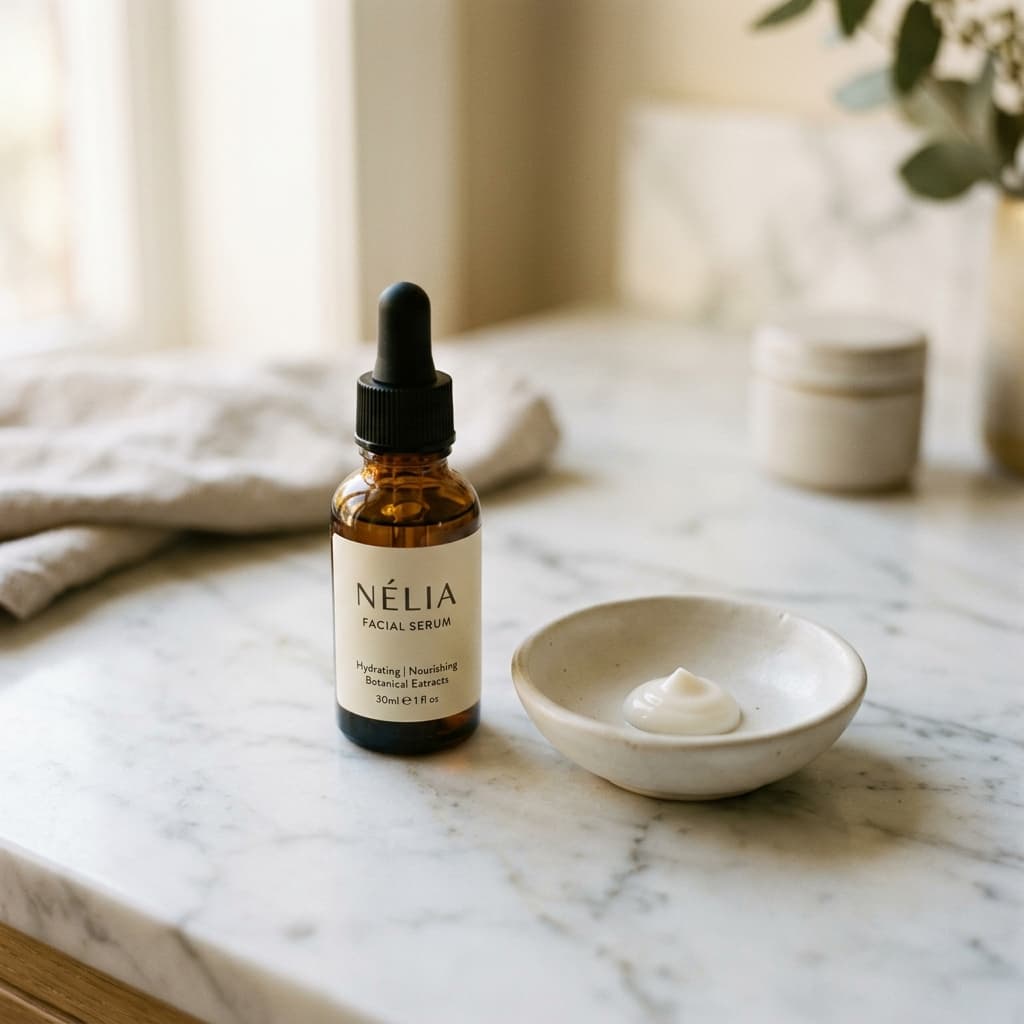
Retinol remains the gold standard in dermatological care for its ability to accelerate cellular turnover and refine skin texture. However, the efficacy of this vitamin A derivative is entirely dependent on your application technique. When introduced improperly, retinol can trigger unwanted inflammation, peeling, and a compromised moisture barrier, leading many to abandon a potentially transformative addition to their routine.
Achieving long-term clinical results requires a strategic, slow-burn approach. Prioritizing skin health means treating your moisture barrier with as much care as you treat your aging concerns. By adopting a non-comedogenic, science-first mindset, you can achieve a luminous, rejuvenated complexion without the common pitfalls of over-exfoliation or systemic irritation.
The Science of Proper Application
The golden rule for retinol application is the "pea-sized amount" directive. Because retinol works by binding to retinoid receptors in the skin, you do not need to saturate the face to achieve results. Applying too much product does not accelerate the benefits; it simply increases the likelihood of localized irritation and dry, flaky patches.
Mastering the Sandwich Method
If your skin is particularly sensitive, the sandwich method is your safest protocol. Start by applying a lightweight, non-comedogenic moisturizer to clean, dry skin. Once absorbed, apply your pea-sized amount of retinol, followed by a final layer of barrier-repairing cream. This buffer system helps mitigate the initial intensity of the retinoid while still allowing it to penetrate the epidermis effectively.
Frequency and Consistency
Retinization—the process by which your skin adjusts to increased cellular turnover—is not a race. Start by applying your serum only two to three nights per week. Monitor how your skin responds over the following forty-eight hours. If no significant redness occurs, you may gradually increase frequency, but always prioritize the integrity of your moisture barrier over the speed of your results.
Don't Let Your Products Ruin Your Progress
While you are carefully managing your retinol application to avoid irritation, it is equally important to examine the rest of your routine for hidden sabotage. Even if your retinol serum is high-quality, layering it over a moisturizer or sunscreen that contains pore-clogging ingredients can lead to congestion and breakouts, effectively undoing the clarity you are working so hard to achieve. Before finalizing your regimen, ensure that every product touching your skin is truly compatible with your unique chemistry by verifying your ingredient lists for potentially pore-clogging substances that could be quietly undermining your skin health.
Step 1: Upload Your Product Image
Simply snap a photo of the ingredient list on the back of any bottle, jar, or box. No typing required.
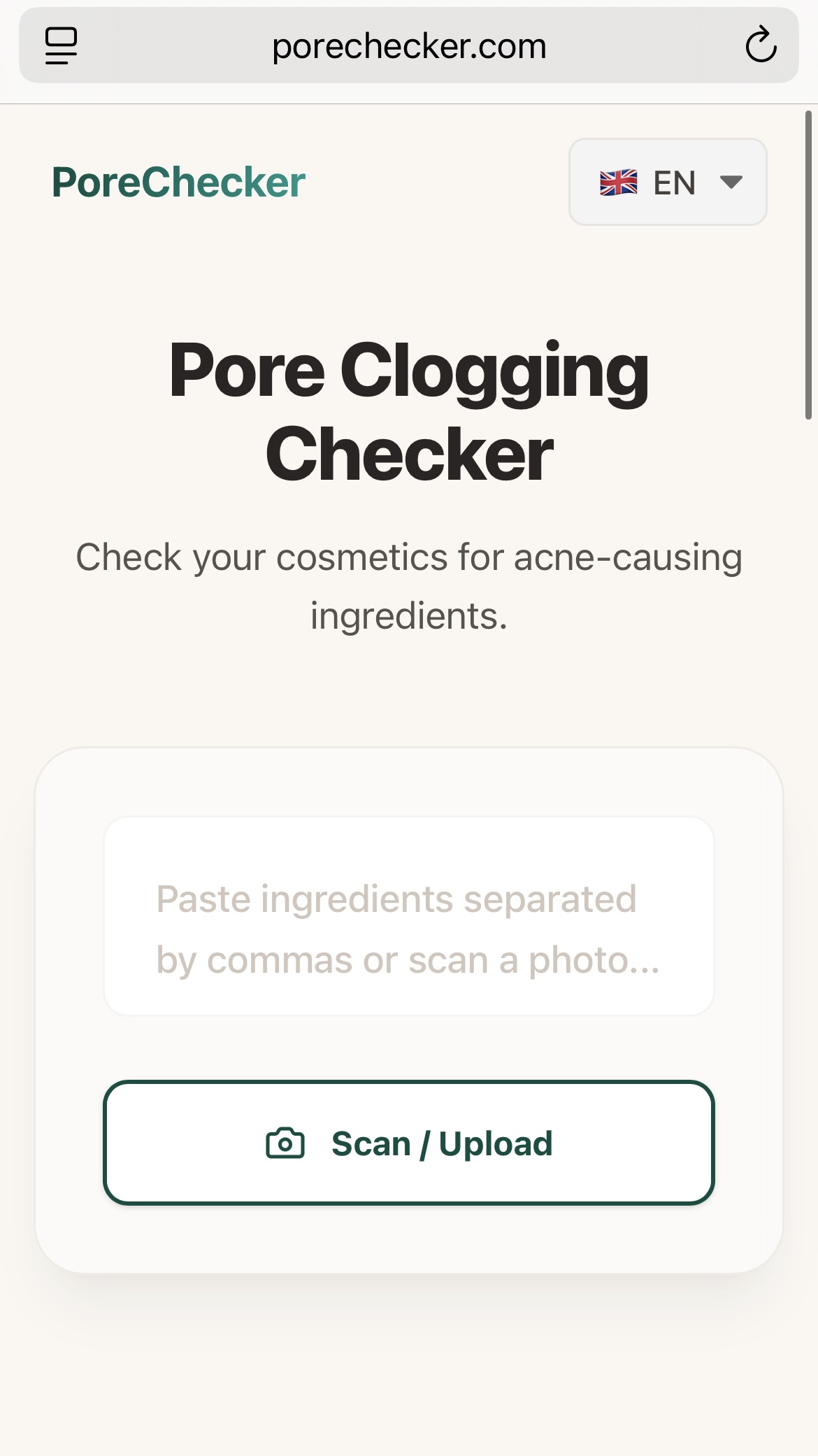
Step 2: Instant AI Ingredient Analysis
Our advanced AI scans the image, performs OCR (Optical Character Recognition), and matches every ingredient against our curated database of comedogenic substances.

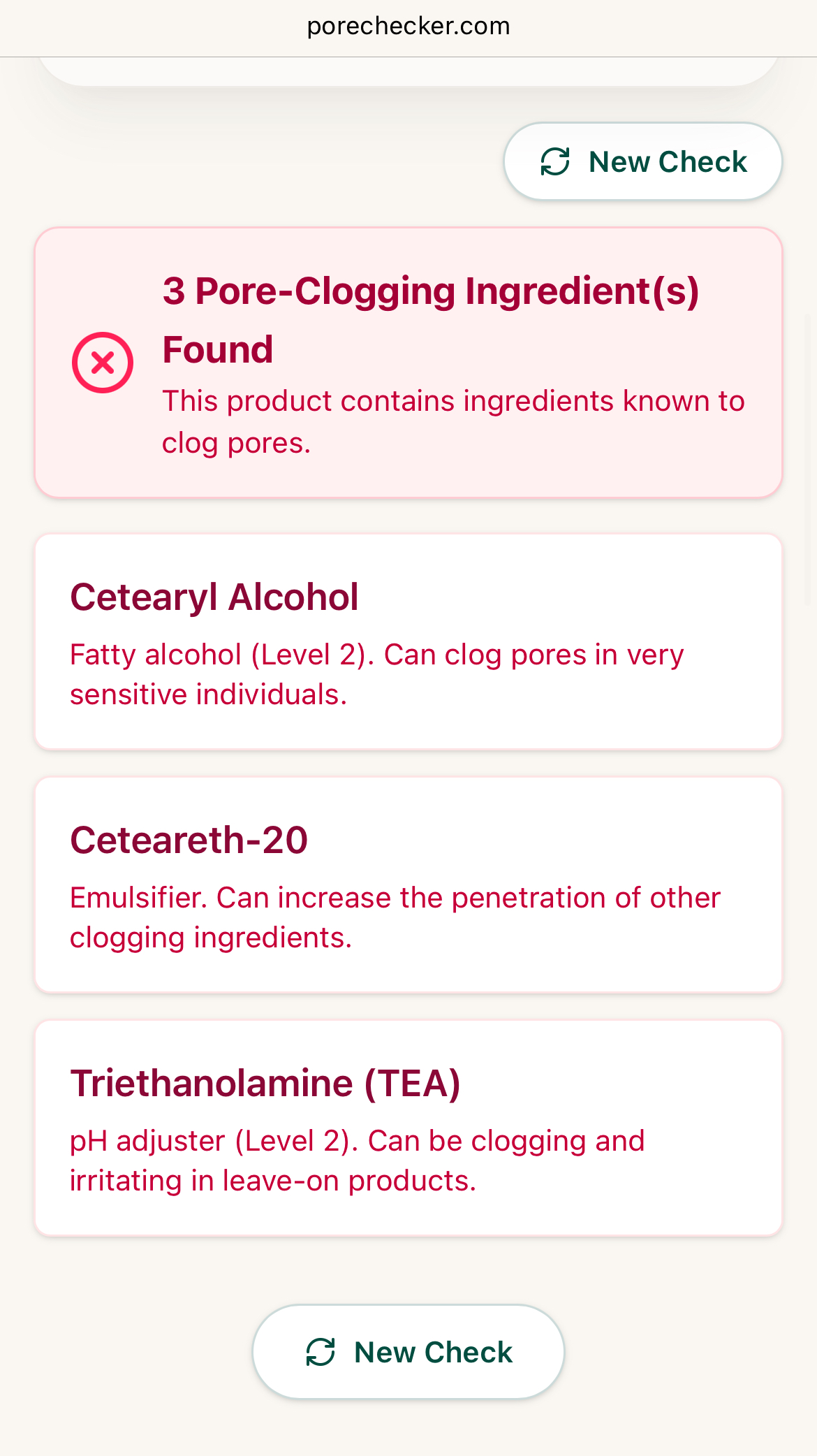
Step 3: Clear Results for Clearer Skin
You get an immediate breakdown. If any red-flag ingredients are found, we highlight them and explain why they might be problematic for your pores.
Does this product fit my skin's needs?
Check Your Products Now