How to Clear Acne Scars: A Comprehensive Guide to Even Skin
Stubborn marks left behind after a breakout can be frustrating. Learn the best ways to clear acne scars and achieve a smoother, more even complexion.

The aftermath of a breakout can often feel more persistent than the acne itself. If you're looking for "how to clear acne scars," you're likely dealing with post-inflammatory hyperpigmentation (PIH), redness, or even textured scarring. While patience is required, modern skincare offers a variety of powerful tools to fade these marks and refine your skin texture. The key is understanding the type of scarring you have and maintaining a strictly non-comedogenic routine to prevent new breakouts from creating more marks.
Identifying Your Type of Scarring
Not all "scars" are the same. Identifying yours helps target the treatment:
- Post-Inflammatory Hyperpigmentation (PIH): These are flat, dark or brown spots left behind as the skin heals. They are caused by excess melanin production.
- Post-Inflammatory Erythema (PIE): These are pink or red marks, common in lighter skin tones, caused by dilated blood vessels during the healing process.
- Atrophic (Textured) Scars: These are depressions in the skin (like ice-pick or boxcar scars) caused by a loss of collagen. These often require professional intervention.
Top Ingredients for Fading Marks
To clear flat scars at home, incorporate these powerhouses:
- Vitamin C: A potent antioxidant that brightens the skin and helps inhibit the production of excess pigment.
- Retinoids: These speed up cell turnover, bringing fresh, un-scarred skin to the surface faster and stimulating collagen production.
- Niacinamide: Excellent for reducing redness (PIE) and improving the overall skin barrier.
- Azelaic Acid: A gentle yet effective ingredient that targets both redness and hyperpigmentation while being safe for sensitive skin.
The Non-Comedogenic Foundation
When treating scars, it is vital to avoid re-clogging your pores. Many heavy "repair" creams contain comedogenic oils that can trigger a new breakout cycle. Always verify that your brightening serums and moisturizers are strictly non-comedogenic. This ensures you are healing old marks without creating new ones.
Professional Treatments for Deep Scars
If your scars are deep or textured, home treatments may have limits. Consider consulting a professional for:
- Chemical Peels: High-concentration acids that deeply exfoliate and brighten.
- Microneedling: Creates controlled micro-injuries to trigger the body's natural collagen production.
- Laser Therapy: Targeted light that can break up pigment and smooth out skin texture.
Summary
Learning how to clear acne scars is a journey of consistency and the right ingredients. By protecting your skin from the sun (which darkens scars) and using targeted brightening actives, you can achieve a significantly clearer complexion over time. Remember, the best way to treat a scar is to prevent the breakout in the first place with a gentle, non-comedogenic routine.
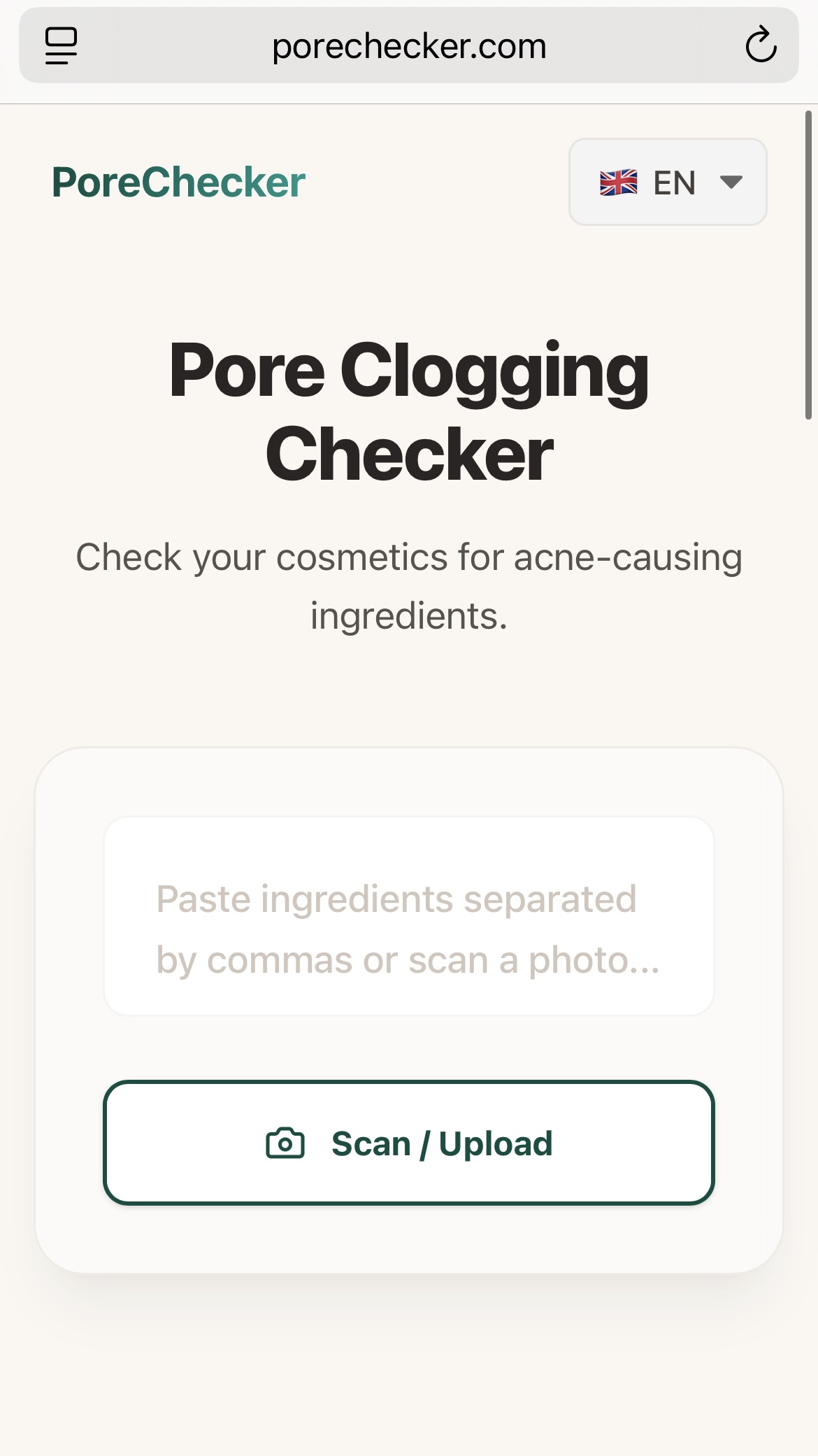
Step 1: Upload Your Product Image
Simply snap a photo of the ingredient list on the back of any bottle, jar, or box. No typing required.
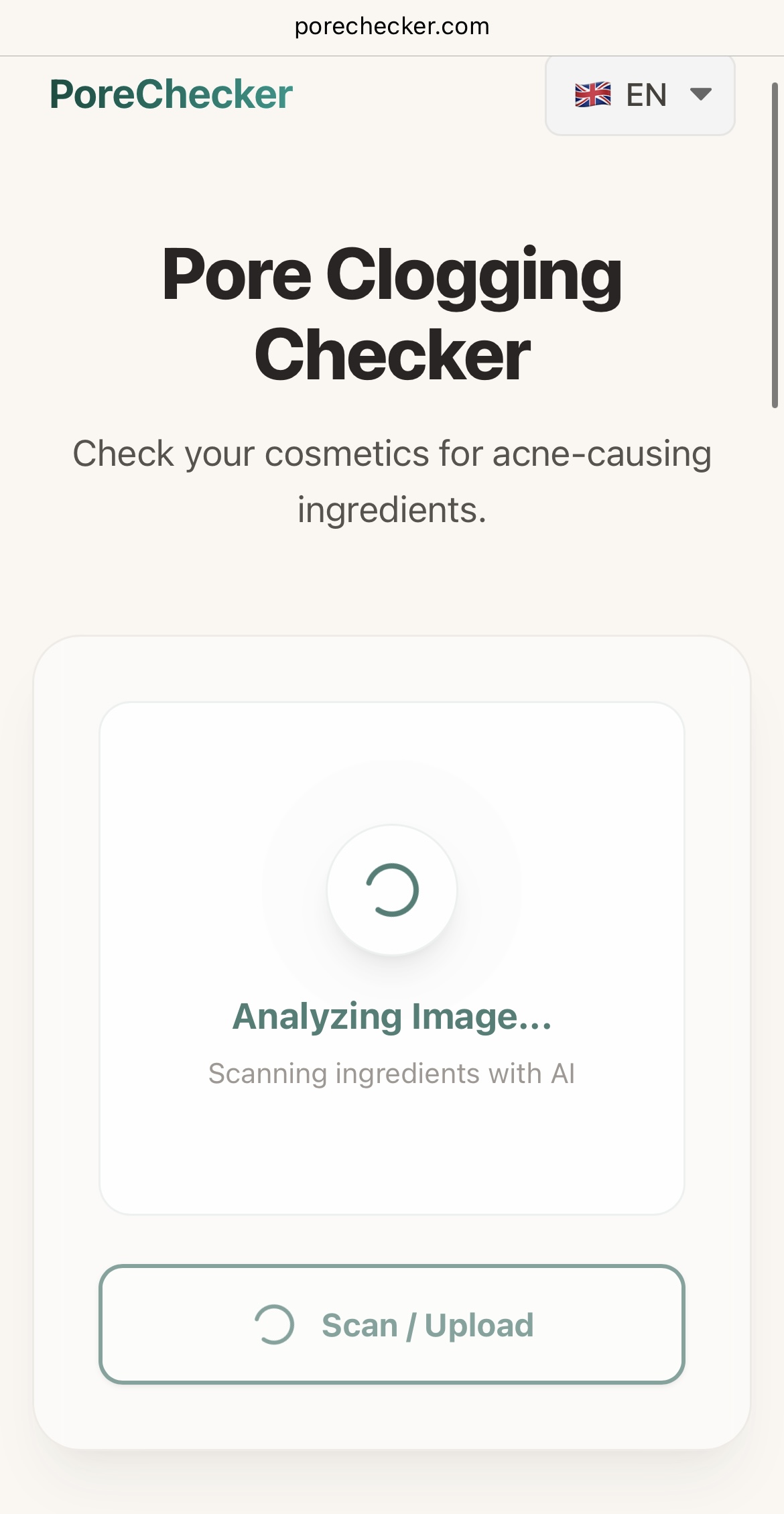
Step 2: Instant AI Ingredient Analysis
Our advanced AI scans the image, performs OCR (Optical Character Recognition), and matches every ingredient against our curated database of comedogenic substances.
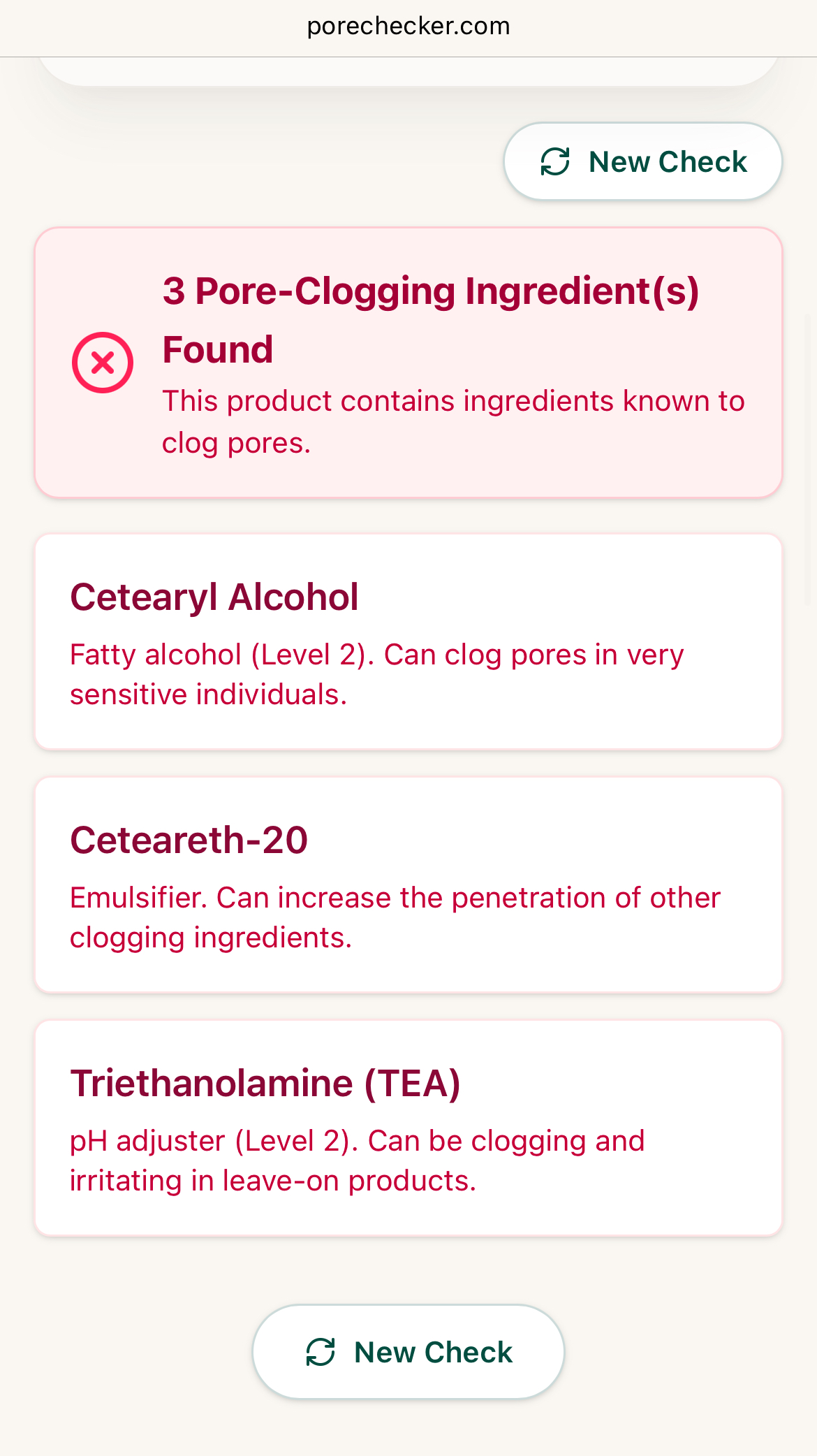
Step 3: Clear Results for Clearer Skin
You get an immediate breakdown. If any red-flag ingredients are found, we highlight them and explain why they might be problematic for your pores.
Does this product fit my skin's needs?
Check Your Products Now