How to Clear Acne: Your Path to Spotless Skin
Struggling with acne? Learn how to clear acne effectively with expert-backed tips on skincare, hidden pore-cloggers, and a non-comedogenic approach. Get clear skin now!
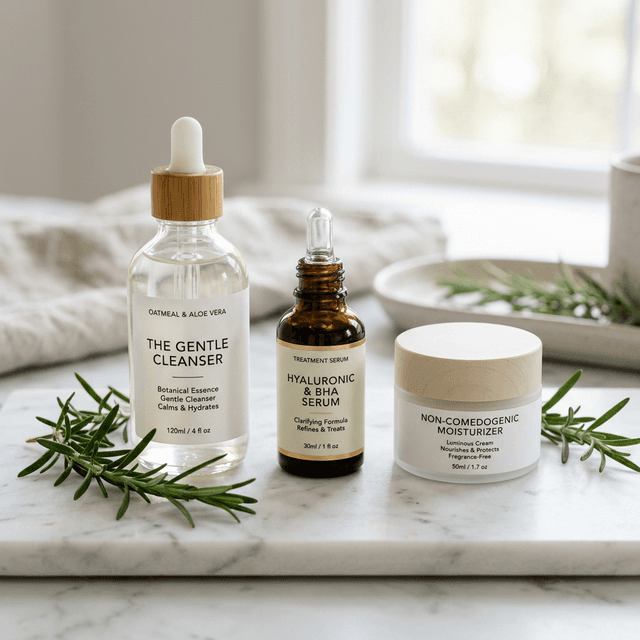
The quest for clear skin is a journey many of us embark on, and acne can feel like a formidable obstacle. Understanding the underlying causes of acne, from excess oil production to inflammation, is the first step toward effective treatment. This article provides a science-backed roadmap on how to clear acne, focusing on a non-comedogenic approach to prevent further breakouts and promote a healthy complexion. We'll delve into proven strategies and common pitfalls to help you achieve the clear, radiant skin you deserve.
Achieving clear skin is often about more than just treating existing pimples. It requires a holistic approach that considers the health of your skin barrier and the potential irritants in your daily routine. By focusing on gentle, non-comedogenic products and lifestyle adjustments, you can create a foundation for long-term skin health. Remember, consistency is key, and patience is essential as your skin adjusts to the new routine.
Understanding Acne: The Root Causes
Acne is a complex condition, and its development involves several interacting factors. Excess sebum (oil) production, often triggered by hormonal fluctuations, is a primary contributor. This oil, combined with dead skin cells, can clog pores, leading to the formation of comedones (blackheads and whiteheads). Additionally, inflammation and the presence of bacteria, such as *Cutibacterium acnes*, exacerbate the problem, causing the red, inflamed lesions we recognize as pimples.
The Role of Pores and Comedones
Pores, tiny openings on your skin's surface, are essential for releasing oil and sweat. When pores become blocked, acne forms. This blockage can occur due to a buildup of dead skin cells (keratin), excessive oil production, and the presence of bacteria. Comedones are the precursors to many types of acne, and understanding their formation is key to prevention.
Inflammation and Bacteria
Inflammation plays a significant role in the progression of acne, turning a simple clogged pore into a painful, pus-filled pimple. Bacteria like *Cutibacterium acnes* (formerly known as *Propionibacterium acnes*) thrive in these clogged pores, further fueling the inflammatory response. Managing both inflammation and bacterial overgrowth is crucial for effective acne treatment.
Your Non-Comedogenic Skincare Regimen
Building a skincare routine that supports clear skin begins with selecting non-comedogenic products. These are specifically formulated to avoid clogging pores. A simple yet effective routine typically includes a gentle cleanser, a targeted treatment, and a light moisturizer. Avoiding harsh ingredients and overly complicated routines can minimize irritation and improve results.
Cleansing: The Foundation of Clear Skin
Choosing the right cleanser is the cornerstone of any effective acne treatment. Look for a cleanser formulated for your skin type. Avoid harsh soaps, scrubs, and cleansers containing alcohol, which can strip the skin of its natural oils, leading to increased sebum production. Opt for gentle, pH-balanced cleansers to remove impurities without causing dryness or irritation.
Targeted Treatments: Active Ingredients for Acne
Several active ingredients are proven to effectively treat acne. Salicylic acid, a beta-hydroxy acid (BHA), exfoliates the skin and unclogs pores. Benzoyl peroxide kills acne-causing bacteria. Retinoids, derived from vitamin A, speed up cell turnover and prevent new comedones from forming. Incorporate these ingredients gradually to avoid over-drying or irritation. Always introduce one new product at a time.
Moisturizing: Balancing Your Skin
Even if you have oily skin, moisturizing is essential. Choose a lightweight, oil-free, non-comedogenic moisturizer to maintain your skin's hydration. Dehydrated skin can sometimes overproduce oil, exacerbating acne. Look for moisturizers containing ingredients like hyaluronic acid, which help attract and retain moisture.
Hidden Pore-Cloggers and Lifestyle Adjustments
Beyond your skincare routine, several everyday factors can contribute to acne breakouts. Recognizing and addressing these hidden pore-cloggers is critical to achieving clear skin. Making simple lifestyle adjustments can significantly improve your results.
Ingredient Awareness: The Silent Culprits
Certain ingredients commonly found in skincare, makeup, and even hair products can clog pores. These include heavy oils, certain emulsifiers, and fragrances. Learn to read ingredient lists carefully. Look for products labeled "non-comedogenic" or "oil-free." Avoid products that contain known pore-clogging ingredients.
Makeup and Hair Products: Potential Offenders
Makeup, especially thick or oil-based formulas, can contribute to acne. Choose non-comedogenic makeup and always remove it thoroughly at the end of the day. Hair products, such as conditioners and styling gels, can also come into contact with your skin, so opt for lightweight, non-comedogenic alternatives, particularly if you have acne-prone skin around your hairline or forehead.
Diet and Lifestyle: Supporting Skin Health
While diet is a controversial topic in acne, some studies suggest a link between high-glycemic foods (sugary or processed foods) and breakouts. Staying hydrated, getting enough sleep, and managing stress can also positively impact your skin. Consider incorporating anti-inflammatory foods into your diet, such as fruits, vegetables, and omega-3 rich foods.
Don't Let Your Products Ruin Your Progress
You've started a new skincare routine, and you're seeing improvements! That's fantastic. However, sometimes the products you're using, even those labeled as "gentle" or "for sensitive skin," can still contain hidden ingredients that undermine your efforts. These subtle pore-cloggers can slowly reverse the progress you've made. To ensure that your chosen products truly support your journey to clear skin, it's essential to understand their formulations and ensure they align with a non-comedogenic approach. Fortunately, there are resources available to help you navigate the complex world of skincare ingredients.
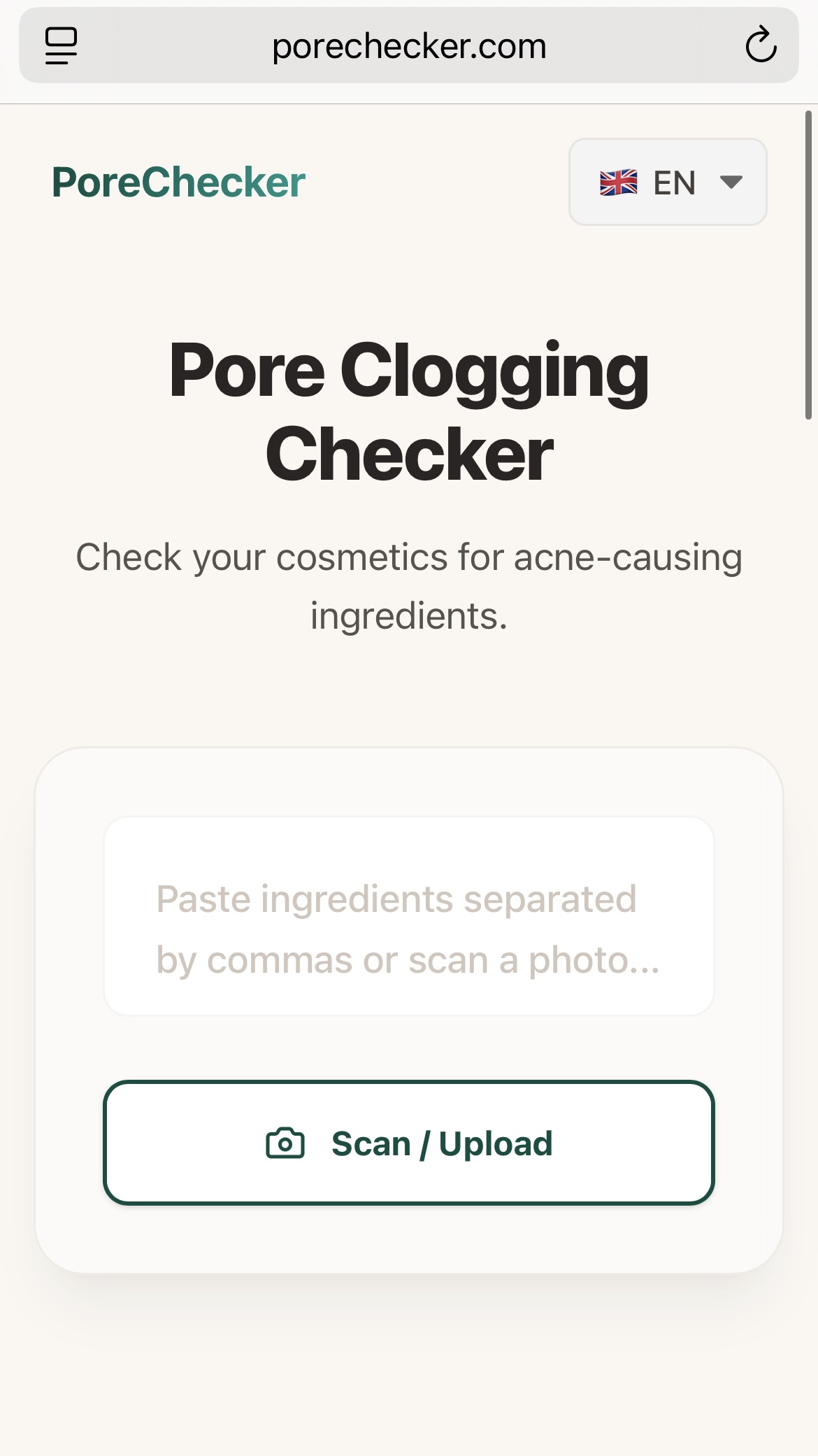
Step 1: Upload Your Product Image
Simply snap a photo of the ingredient list on the back of any bottle, jar, or box. No typing required.
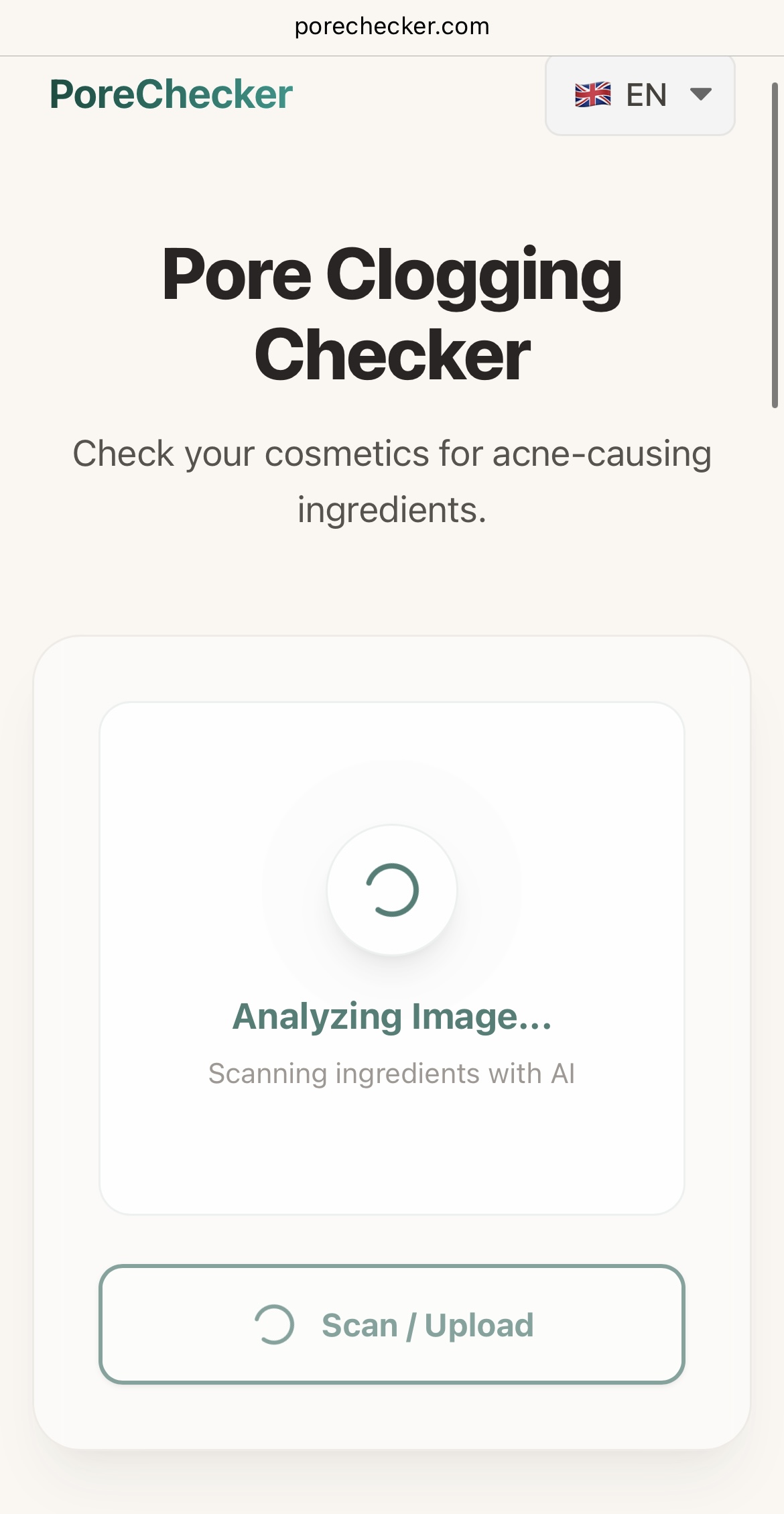
Step 2: Instant AI Ingredient Analysis
Our advanced AI scans the image, performs OCR (Optical Character Recognition), and matches every ingredient against our curated database of comedogenic substances.
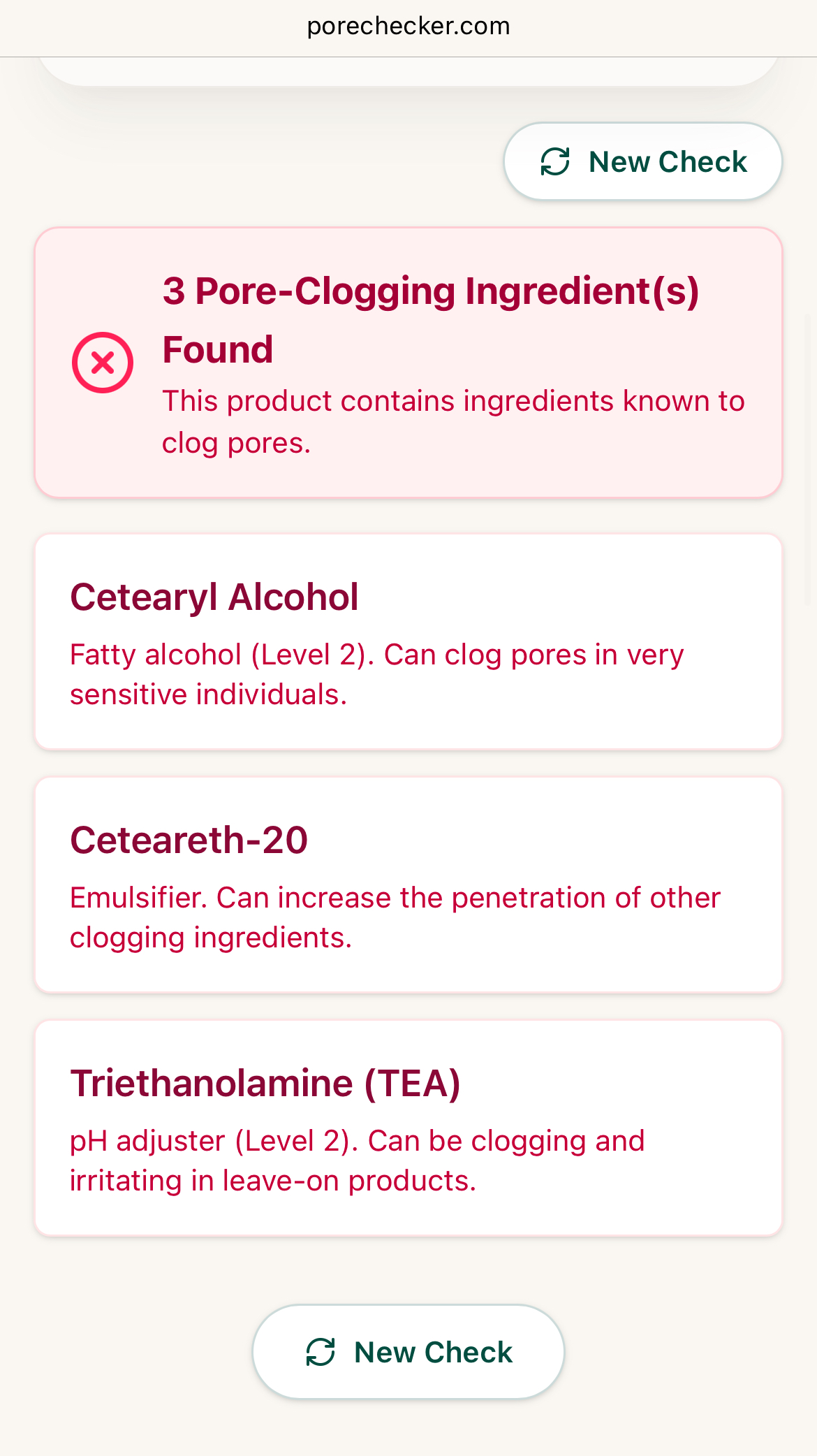
Step 3: Clear Results for Clearer Skin
You get an immediate breakdown. If any red-flag ingredients are found, we highlight them and explain why they might be problematic for your pores.
Does this product fit my skin's needs?
Check Your Products Now