How to Clear Back Acne: A Dermatologist’s Strategy for Smooth Skin
Struggling with breakouts? Learn how to clear back acne using science-backed ingredients and simple routine adjustments.
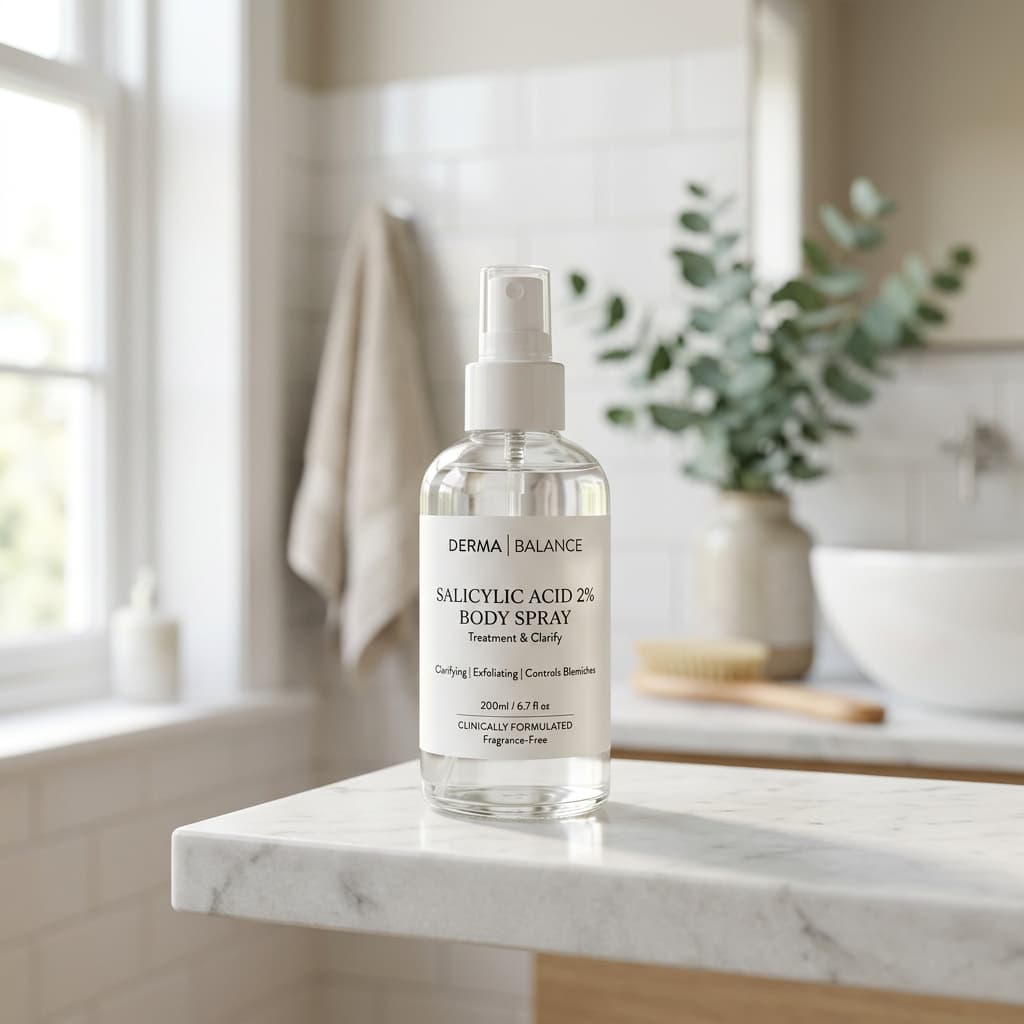
Back acne, often referred to as "bacne," presents a unique challenge because the skin on our back is significantly thicker and contains a higher density of sebaceous glands than the skin on our face. When these glands become obstructed by a combination of excess sebum and dead skin cells, they create the perfect breeding ground for C. acnes bacteria. Managing this condition requires a shift in how you approach your shower routine and the materials you allow to touch your skin.
The key to managing these breakouts lies in non-comedogenic care. Because the back is frequently covered by clothing and exposed to sweat, products that are labeled as hydrating or nourishing often contain occlusive agents that inadvertently trap bacteria against the skin. By focusing on targeted, clarifying ingredients and maintaining a consistent hygiene practice, you can restore your skin's clarity without resorting to harsh, abrasive scrubbing that often triggers further inflammation.
Targeted Ingredient Strategies
Effective treatment begins with the right chemical exfoliants. Salicylic acid is the gold standard for back acne because of its lipophilic nature; it dissolves in oil, allowing it to penetrate deep into the follicular lining to clear out existing impactions. Using a spray or a wash containing 2% salicylic acid allows for consistent application over larger surface areas that are often difficult to reach.
Addressing Bacterial Overgrowth
If you notice inflamed, red bumps rather than simple blackheads, you are likely dealing with a bacterial component. Benzoyl peroxide is highly effective here as it releases oxygen into the pore, which is lethal to the anaerobic C. acnes bacteria. When using benzoyl peroxide on the back, ensure you allow it to remain on the skin for at least two to three minutes before rinsing. This contact time is essential for the active ingredient to perform its function before it is washed away by water.
Hidden Pore-Cloggers in Your Routine
It is a common misconception that back acne is purely a result of poor hygiene. In many cases, the culprit is found in the very products intended to keep us clean. Hair conditioners and heavy body oils are frequent offenders. When you rinse your hair in the shower, the residue from thick, silicone-heavy conditioners often runs down your back, leaving behind a film that coats the skin and blocks pores. Always wash your body after you have finished conditioning your hair to ensure no residual product remains on your shoulders or spine.
Friction and Fabric Choices
Mechanical irritation, or acne mechanica, exacerbates existing breakouts. Tight-fitting synthetic fabrics like polyester trap moisture and heat, creating a humid environment that promotes bacterial proliferation. Switching to loose-fitting, breathable fabrics like cotton or moisture-wicking athletic gear can significantly reduce the level of irritation your skin experiences throughout the day.
Don't Let Your Products Ruin Your Progress
Even with a diligent treatment plan, a single misstep in your product selection can neutralize your efforts. Many body lotions, sunscreens, and even laundry detergents contain hidden comedogenic ingredients that cause micro-clogging, silently stalling your progress toward clear skin. The ingredients list on your favorite moisturizer might look innocent, but certain oils and waxes act as "pore-glue" that keeps debris trapped in your follicles long after you’ve stepped out of the shower. To ensure your skin remains clear, it is essential to verify that every product touching your back is strictly non-comedogenic, making it vital to cross-reference your current skincare and personal care items against a trusted pore-clogger ingredient database.
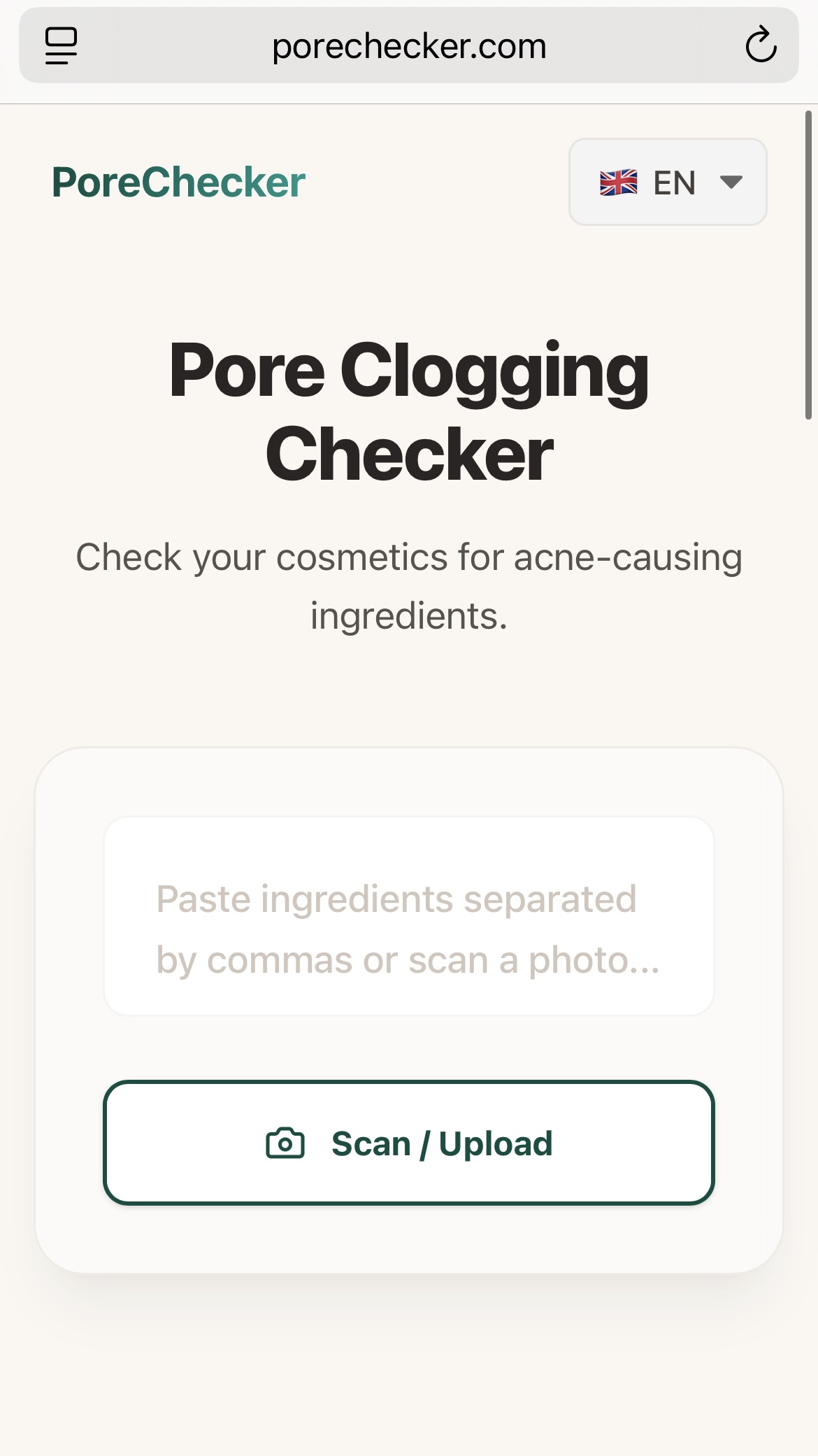
Step 1: Upload Your Product Image
Simply snap a photo of the ingredient list on the back of any bottle, jar, or box. No typing required.
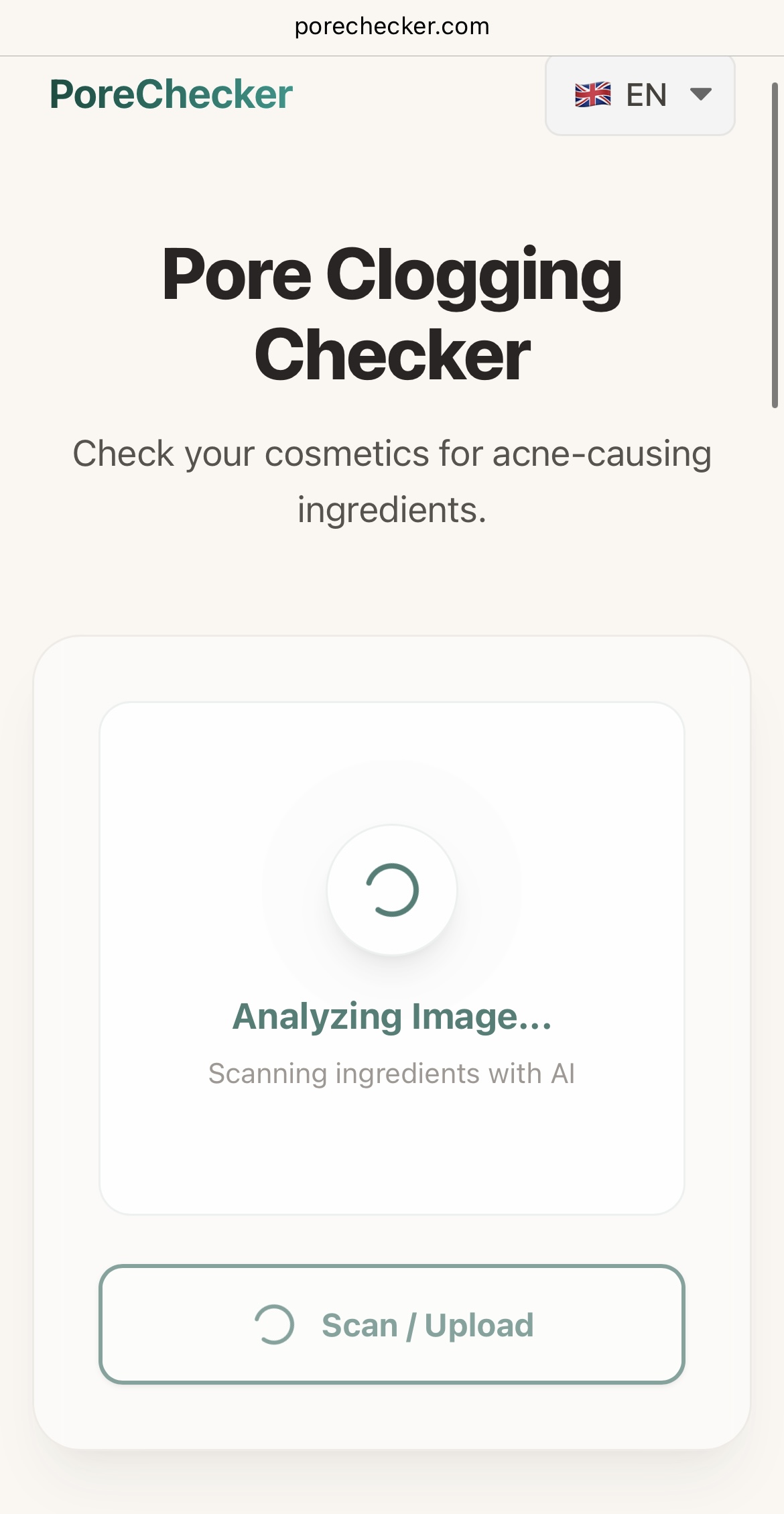
Step 2: Instant AI Ingredient Analysis
Our advanced AI scans the image, performs OCR (Optical Character Recognition), and matches every ingredient against our curated database of comedogenic substances.
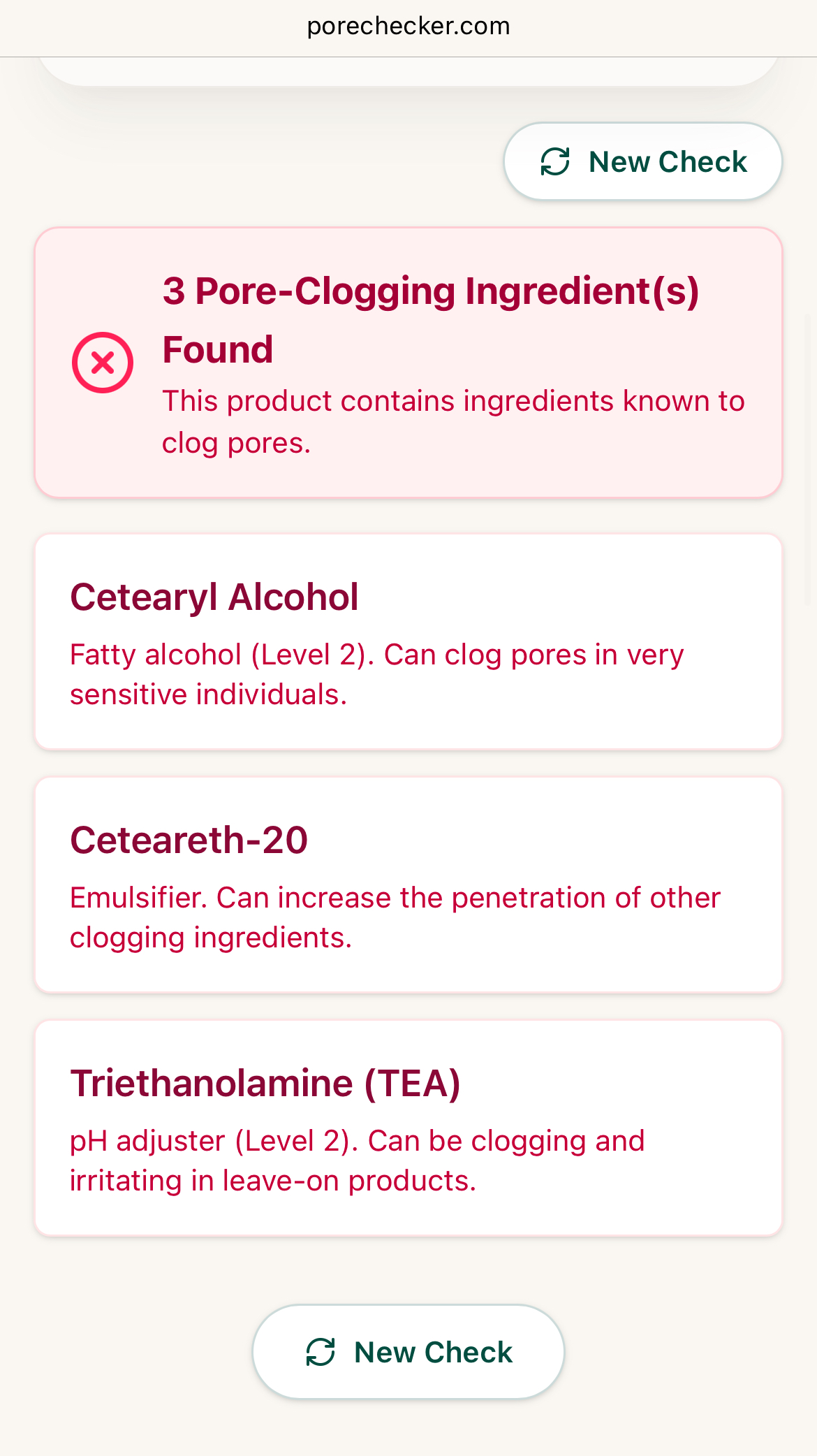
Step 3: Clear Results for Clearer Skin
You get an immediate breakdown. If any red-flag ingredients are found, we highlight them and explain why they might be problematic for your pores.
Does this product fit my skin's needs?
Check Your Products Now