How to Clear Pores: The Science of Refining Your Skin Texture
Struggling with congested skin? Learn how to clear pores effectively using evidence-based habits and non-comedogenic care.
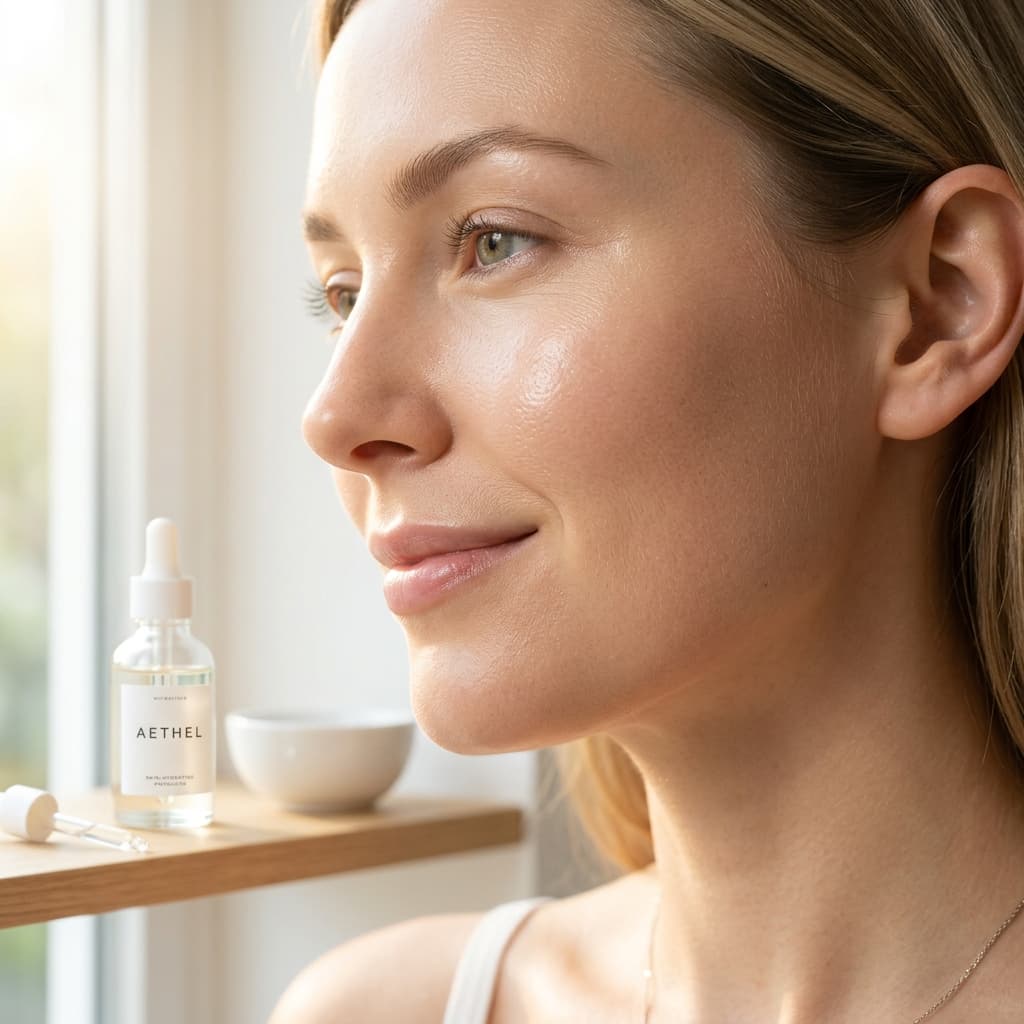
The desire for clear, refined pores is one of the most common concerns I encounter in my dermatology practice. It is important to first dispel a persistent myth: you cannot physically shrink the size of your pores. Pores are the openings of your hair follicles, and their size is largely determined by genetics and sebum production. However, you can significantly improve their appearance by keeping them free of debris, oxidation, and dead skin cell buildup.
Achieving a clear complexion requires a shift toward non-comedogenic skincare—products formulated specifically to avoid blocking follicle openings. When sebum, dirt, and makeup accumulate inside the pore, they oxidize upon contact with air, turning into blackheads, or harden into congestion that creates an uneven skin texture. A strategic, science-backed routine is your best defense against these daily obstructions.
Effective Exfoliation Strategies
To maintain clear skin, you must address the buildup of corneocytes, or dead skin cells, that trap oil within the pore lining. Chemical exfoliants are far superior to physical scrubs, which often cause micro-tears in the skin barrier and exacerbate inflammation.
The Role of BHA
Salicylic Acid, a beta-hydroxy acid (BHA), is the gold standard for pore congestion. Unlike AHAs that work on the skin's surface, BHAs are oil-soluble, meaning they can penetrate directly into the pore to dissolve the "glue" holding debris together. Incorporating a low-percentage BHA liquid two to three times a week can drastically reduce the occurrence of blackheads and surface congestion.
Managing Sebum Production
Excessive sebum production often correlates with wider-looking pores. While you cannot stop your body from producing oil, you can regulate it. Niacinamide, or Vitamin B3, is a versatile ingredient that helps balance oil production while strengthening the skin barrier. When the skin barrier is healthy and hydrated, the pores remain tight and less prone to stretching from internal pressure.
Hidden Pore-Cloggers to Avoid
Often, the very products intended to hydrate the skin are the primary culprits behind persistent congestion. Ingredients like isopropyl myristate, certain algae extracts, and heavy coconut oils are highly comedogenic. If you find your pores are persistently clogged despite consistent exfoliation, the cause is frequently a hidden ingredient in your moisturizer or sunscreen that is perpetually feeding the cycle of congestion.
Don't Let Your Products Ruin Your Progress
Even the most diligent skincare routine can be undermined if you are inadvertently applying pore-clogging agents throughout the day. Because the beauty industry rarely labels products as "comedogenic" on the front of the bottle, it is easy to assume your favorite cream is harmless when it is actually actively blocking your progress. Before you add another treatment to your regimen, it is vital to audit your current product lineup and ensure every ingredient is truly skin-compatible. A quick scan of your product labels can save you months of frustration and help you finally achieve the clear, smooth complexion you are working toward.
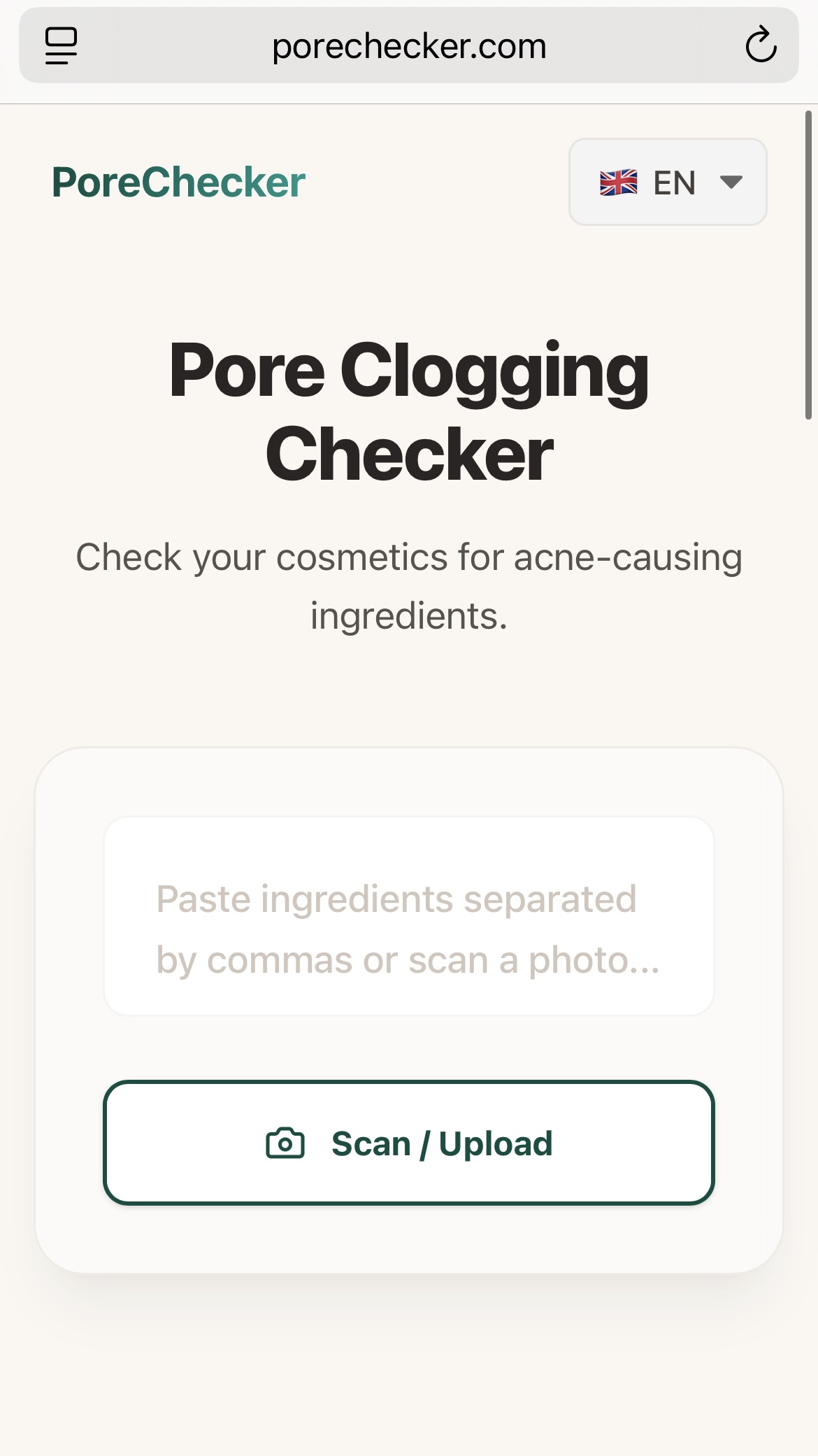
Step 1: Upload Your Product Image
Simply snap a photo of the ingredient list on the back of any bottle, jar, or box. No typing required.
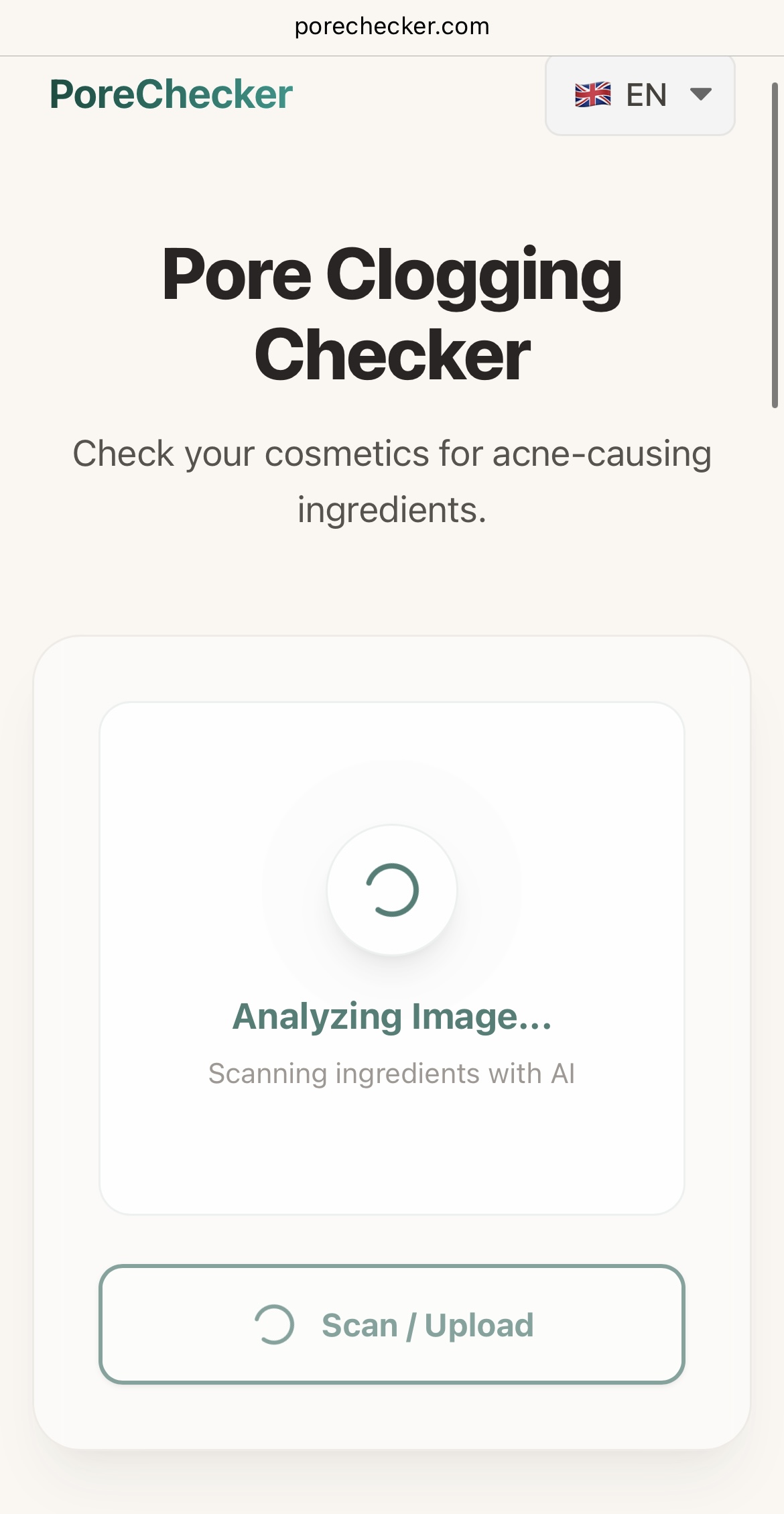
Step 2: Instant AI Ingredient Analysis
Our advanced AI scans the image, performs OCR (Optical Character Recognition), and matches every ingredient against our curated database of comedogenic substances.
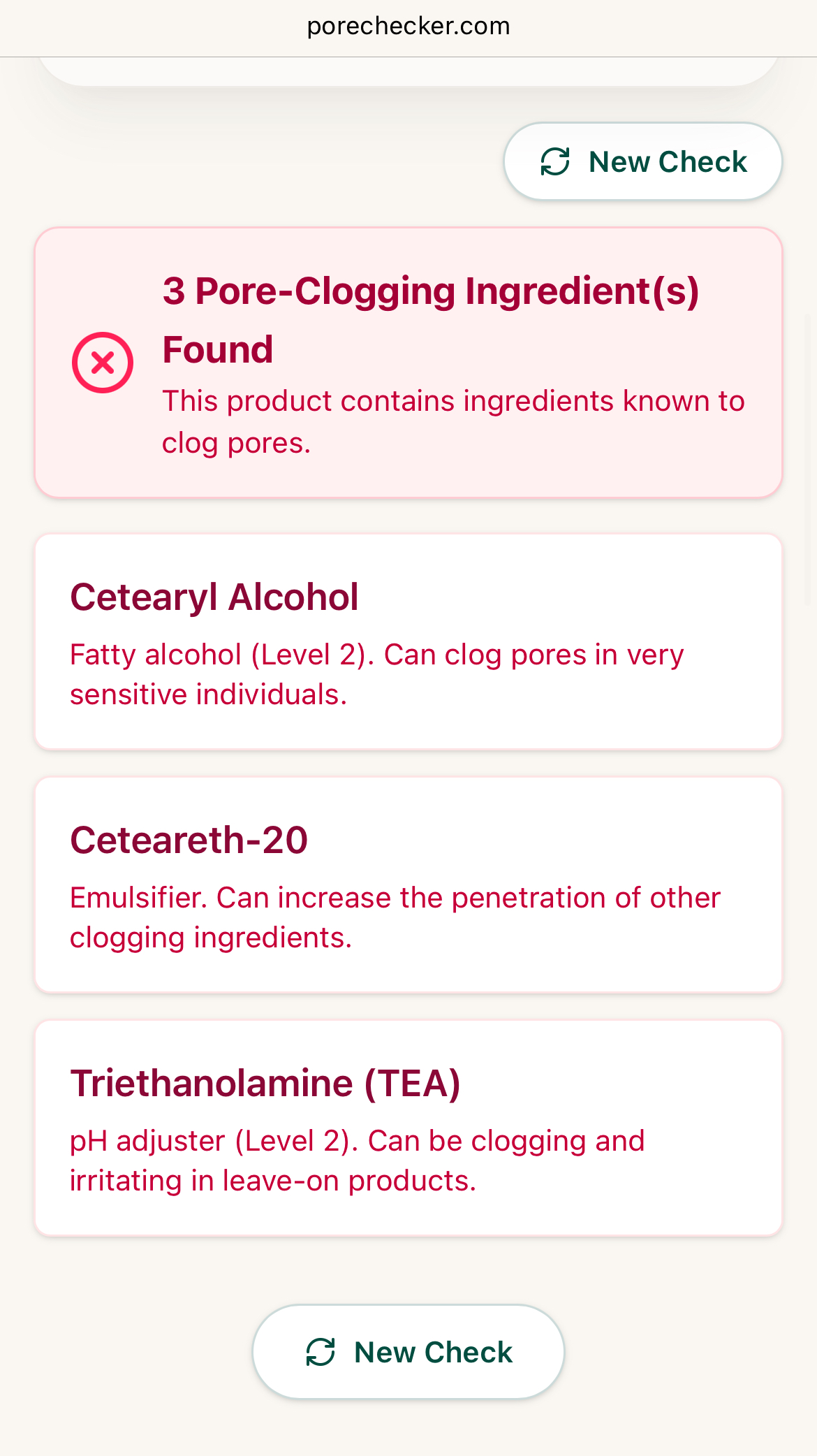
Step 3: Clear Results for Clearer Skin
You get an immediate breakdown. If any red-flag ingredients are found, we highlight them and explain why they might be problematic for your pores.
Does this product fit my skin's needs?
Check Your Products Now