How to Cover Acne With Makeup Without Worsening Breakouts
Learn how to cover acne with makeup safely. Expert tips on selecting non-comedogenic formulas to hide blemishes without clogging pores.
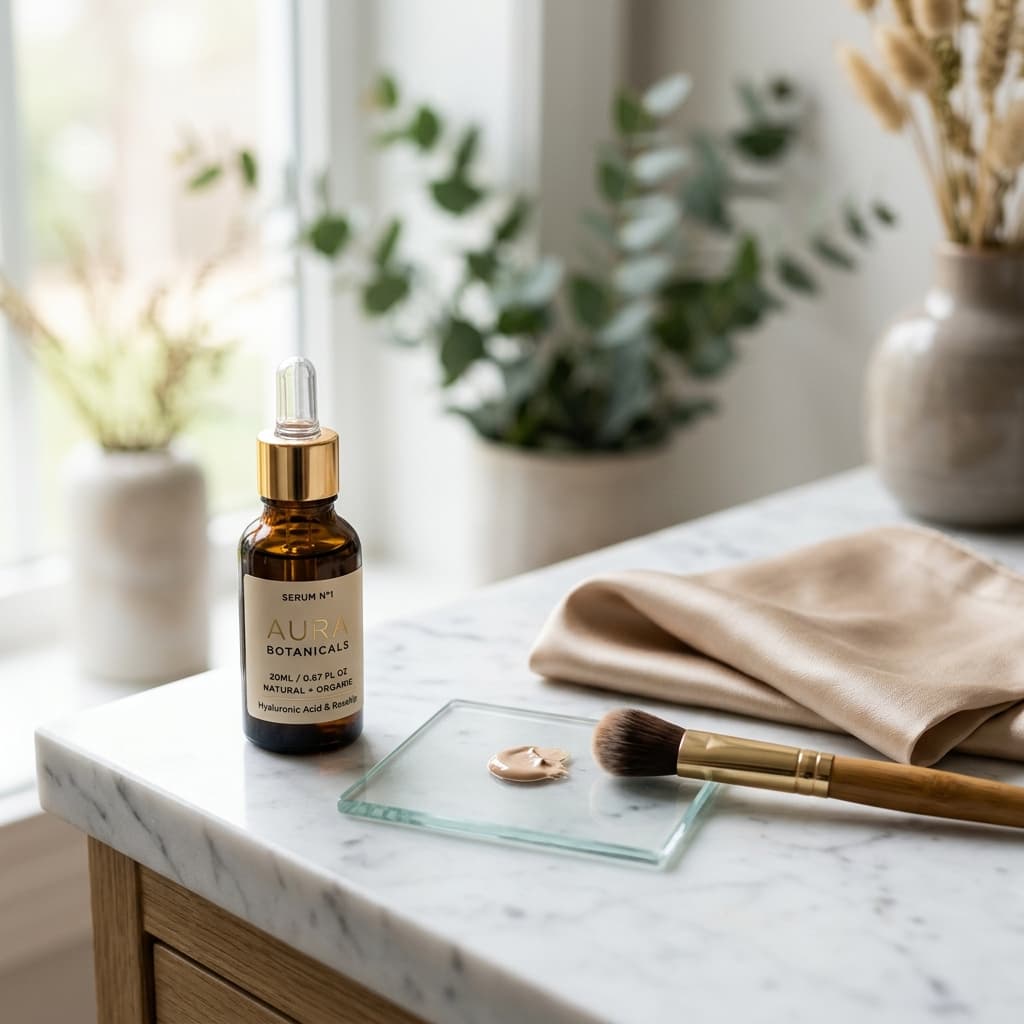
Acne is often as much a psychological burden as it is a physical one. When you are dealing with an active breakout, the instinct to reach for heavy foundation to provide total coverage is perfectly natural. However, the irony of masking blemishes is that many conventional makeup products contain thick waxes and oils that exacerbate the very inflammation you are trying to hide, creating a cycle that is difficult to break.
The objective is to master the art of camouflage while maintaining skin health. By prioritizing breathable, non-comedogenic formulations and strategic application techniques, you can achieve a flawless finish that allows your skin to heal rather than suffocate. It is not about painting over the problem, but rather selecting the right tools to minimize the visual impact while supporting your active acne treatments.
The Strategy of Precise Application
When concealing active acne, less is almost always more. A thick layer of foundation applied over the entire face creates an occlusive barrier that traps bacteria and prevents the skin from regulating its temperature and oil production. Instead, focus on spot-concealing only the specific areas of inflammation.
Color Correction as a Foundation
Before reaching for your skin-toned concealer, consider the color of the blemish. Active acne is usually red, which is a primary color on the spectrum. Applying a green-tinted color corrector in a thin, sheer layer will neutralize the redness through color theory. Because the base is already neutralized, you require significantly less opaque concealer to achieve a uniform skin tone, which keeps the total product volume low.
Tools Matter
Hygiene is critical when dealing with compromised skin. Using your fingers to apply concealer introduces oils and bacteria directly to the lesion, which can deepen the infection. Use a clean, synthetic concealer brush or a sanitized makeup sponge. If you use a sponge, ensure it is damp and freshly washed. The goal is to pat—not smear—the product onto the skin. Smearing displaces the product and creates visible texture, whereas patting builds coverage where it is needed most.
Don't Let Your Products Ruin Your Progress
Finding the perfect shade and texture is only half the battle; the ingredients hidden within your makeup bag are often the silent culprits behind recurring breakouts. Even products labeled as "oil-free" can contain hidden pore-cloggers, such as certain esters or fatty acids that can trigger micro-comedones over time. If you find that your skin remains inflamed despite your best efforts at hygiene and gentle application, the issue likely resides in the chemistry of your cosmetic stash. Before you reach for your next purchase, it is vital to cross-reference the ingredient list against a database of known comedogenic triggers to ensure your makeup is working for your skin, rather than against it.
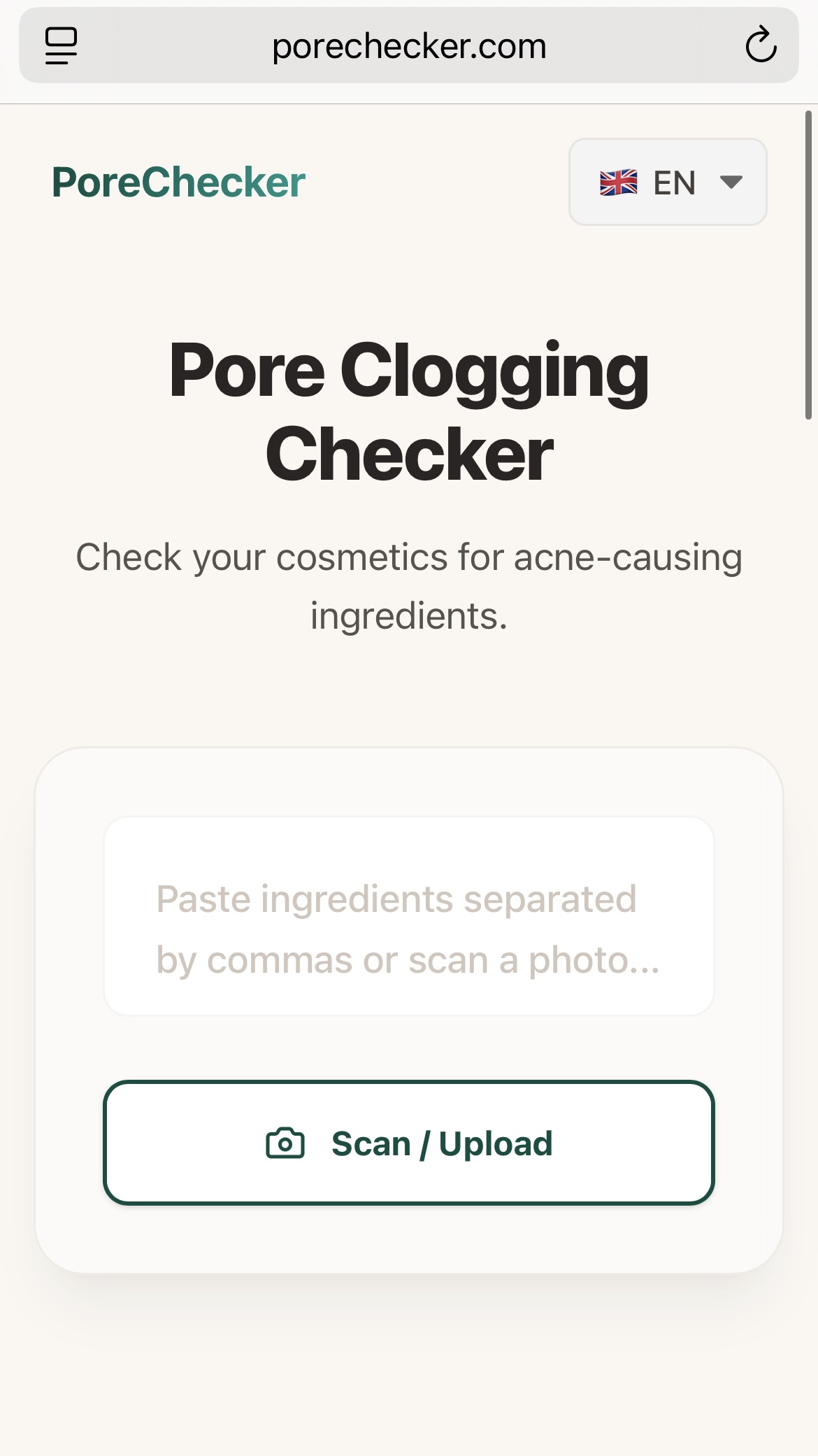
Step 1: Upload Your Product Image
Simply snap a photo of the ingredient list on the back of any bottle, jar, or box. No typing required.
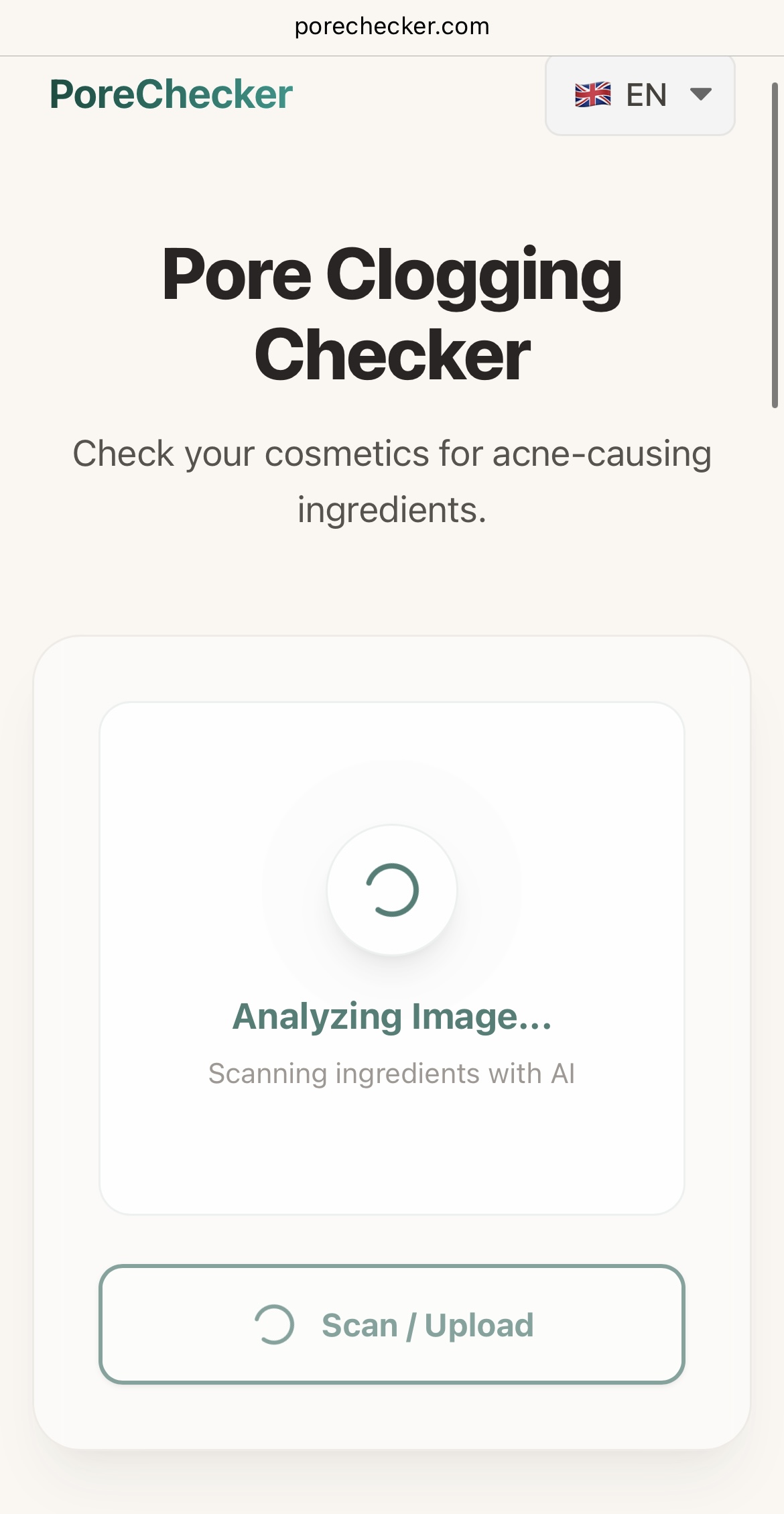
Step 2: Instant AI Ingredient Analysis
Our advanced AI scans the image, performs OCR (Optical Character Recognition), and matches every ingredient against our curated database of comedogenic substances.
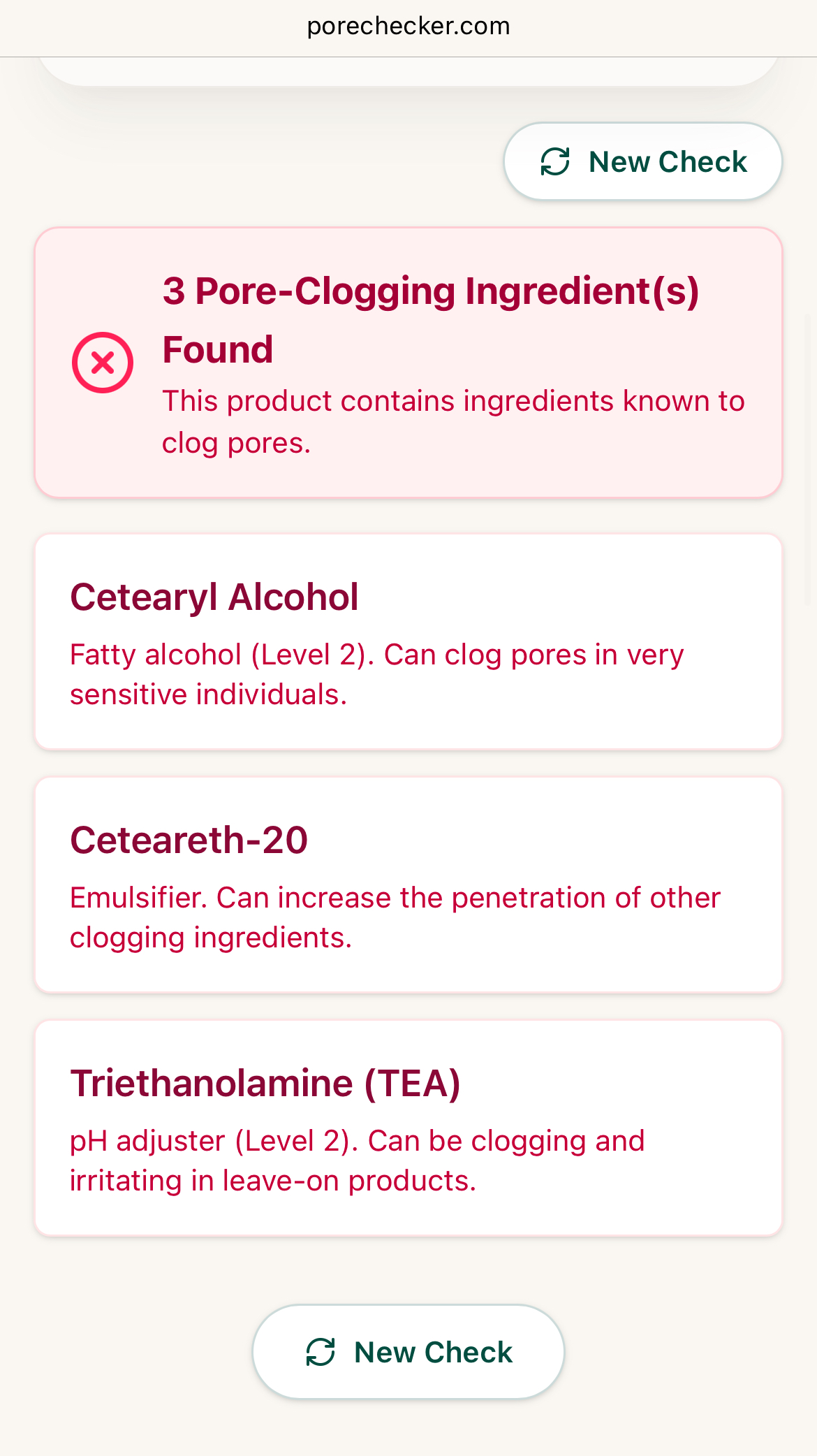
Step 3: Clear Results for Clearer Skin
You get an immediate breakdown. If any red-flag ingredients are found, we highlight them and explain why they might be problematic for your pores.
Does this product fit my skin's needs?
Check Your Products Now