How to Fade Acne Scars: Your Clear Skin Roadmap
Discover how to fade acne scars with expert advice. Learn effective treatments & skincare routines. Get clear skin today!
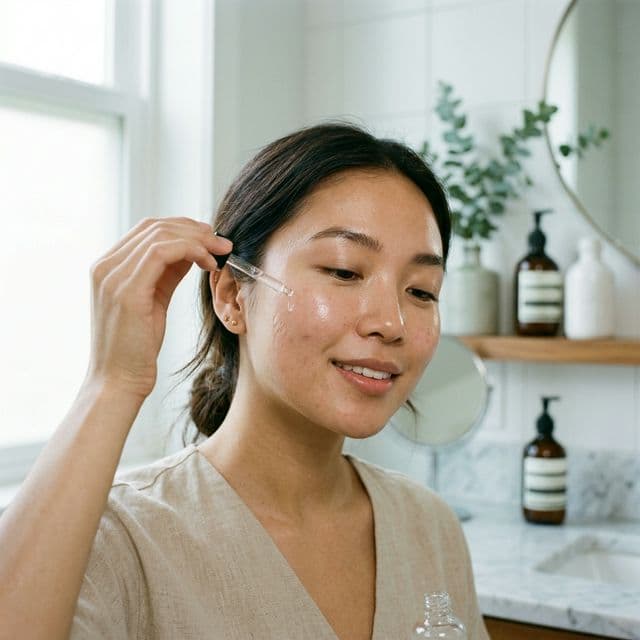
The aftermath of acne can be just as distressing as the breakouts themselves. Acne scars, in their various forms, can linger long after the blemishes have vanished, leaving behind reminders of past struggles. But you don't have to accept them as permanent fixtures. Understanding the different types of acne scars and, more importantly, the scientifically-backed strategies to address them is the first step towards reclaiming smooth, even-toned skin. This journey requires patience and consistency, but the results are achievable with the right approach.
One of the most crucial principles in managing acne scars is maintaining a consistent non-comedogenic skincare routine. This means using products that won't clog your pores, as this can exacerbate existing acne and potentially lead to new scars. Focusing on gentle cleansing, targeted treatments, and diligent sun protection is paramount. Remember, any treatment plan is significantly hampered by ongoing breakouts. Prioritizing products labeled as "non-comedogenic" or "oil-free" and avoiding ingredients known to clog pores is key to success.
Understanding Your Scars: Types and Treatments
Not all acne scars are created equal. Different types of scars require different approaches. Atrophic scars, which appear as indentations below the skin's surface, are the most common type. They are often further classified as ice pick scars (narrow and deep), boxcar scars (wider with sharp edges), or rolling scars (broad, undulating depressions). Hypertrophic and keloid scars, on the other hand, are raised scars caused by an overproduction of collagen. A thorough understanding of your scar type, preferably through a consultation with a dermatologist, is essential to determine the most effective treatment plan.
Targeted Treatments for Atrophic Scars
Treatments for atrophic scars often focus on stimulating collagen production to "fill in" the depressions. Options include:
- Microneedling: This minimally invasive procedure uses tiny needles to create micro-injuries in the skin, prompting the body's natural healing response and stimulating collagen production.
- Chemical Peels: Certain chemical peels, particularly those containing trichloroacetic acid (TCA) or alpha-hydroxy acids (AHAs), can effectively resurface the skin and improve the appearance of atrophic scars.
- Laser Resurfacing: Fractional lasers, such as those that are ablative or non-ablative, can precisely target scar tissue and promote collagen remodeling.
Addressing Hypertrophic and Keloid Scars
Raised scars respond differently to treatment. Options include:
- Corticosteroid Injections: Injections of corticosteroids directly into the scar can help to reduce inflammation and flatten the raised tissue.
- Cryotherapy: This involves freezing the scar tissue to reduce its size.
- Laser Therapy: Certain lasers can be used to break down the excess collagen and reduce the prominence of the scar.
The Power of Your Skincare Routine
While professional treatments offer significant improvements, a consistent and well-chosen skincare routine plays a vital role in both treating and preventing acne scars. This routine should include products that support skin cell turnover, reduce inflammation, and protect the skin from further damage.
Key Ingredients to Seek Out
Look for products containing these powerhouse ingredients:
- Retinoids: These vitamin A derivatives are renowned for their ability to increase cell turnover, reduce inflammation, and stimulate collagen production. They are a cornerstone of many scar treatment regimens.
- Vitamin C: This potent antioxidant helps to protect the skin from free radical damage, which can worsen scarring. It also aids in collagen synthesis and can brighten the complexion.
- Alpha-Hydroxy Acids (AHAs) and Beta-Hydroxy Acids (BHAs): These exfoliants help to remove dead skin cells and promote cell turnover, improving the appearance of scars over time.
- Sunscreen: Sun protection is non-negotiable. Sun exposure can worsen the appearance of scars and lead to hyperpigmentation. Choose a broad-spectrum sunscreen with an SPF of 30 or higher and apply it daily.
Sun Protection: The Unsung Hero
Sunscreen isn't just a recommendation; it's a non-negotiable step in your journey to clearer skin. UV rays can darken existing scars, making them more noticeable and potentially hindering the effectiveness of other treatments. Choosing a broad-spectrum sunscreen with an SPF of 30 or higher and applying it daily, even on cloudy days, is essential to protect the skin from further damage and allow it to heal properly. Reapplication every two hours, particularly when outdoors, is also crucial.
Don't Let Your Products Ruin Your Progress
Achieving clear, scar-free skin is a journey, not a destination. You've learned about effective treatments and crucial ingredients, and are hopefully now armed with the knowledge of how to fade acne scars. But, remember that the products you use every day play a huge role in your overall results. Many products, even those marketed for skincare, contain ingredients that can clog pores or trigger inflammation, effectively undoing all your hard work. Consider carefully checking your current skincare lineup for comedogenic ingredients, and replace any offenders with non-pore-clogging alternatives. Consider using a tool to check your products.
Step 1: Upload Your Product Image
Simply snap a photo of the ingredient list on the back of any bottle, jar, or box. No typing required.

Step 2: Instant AI Ingredient Analysis
Our advanced AI scans the image, performs OCR (Optical Character Recognition), and matches every ingredient against our curated database of comedogenic substances.

Step 3: Clear Results for Clearer Skin
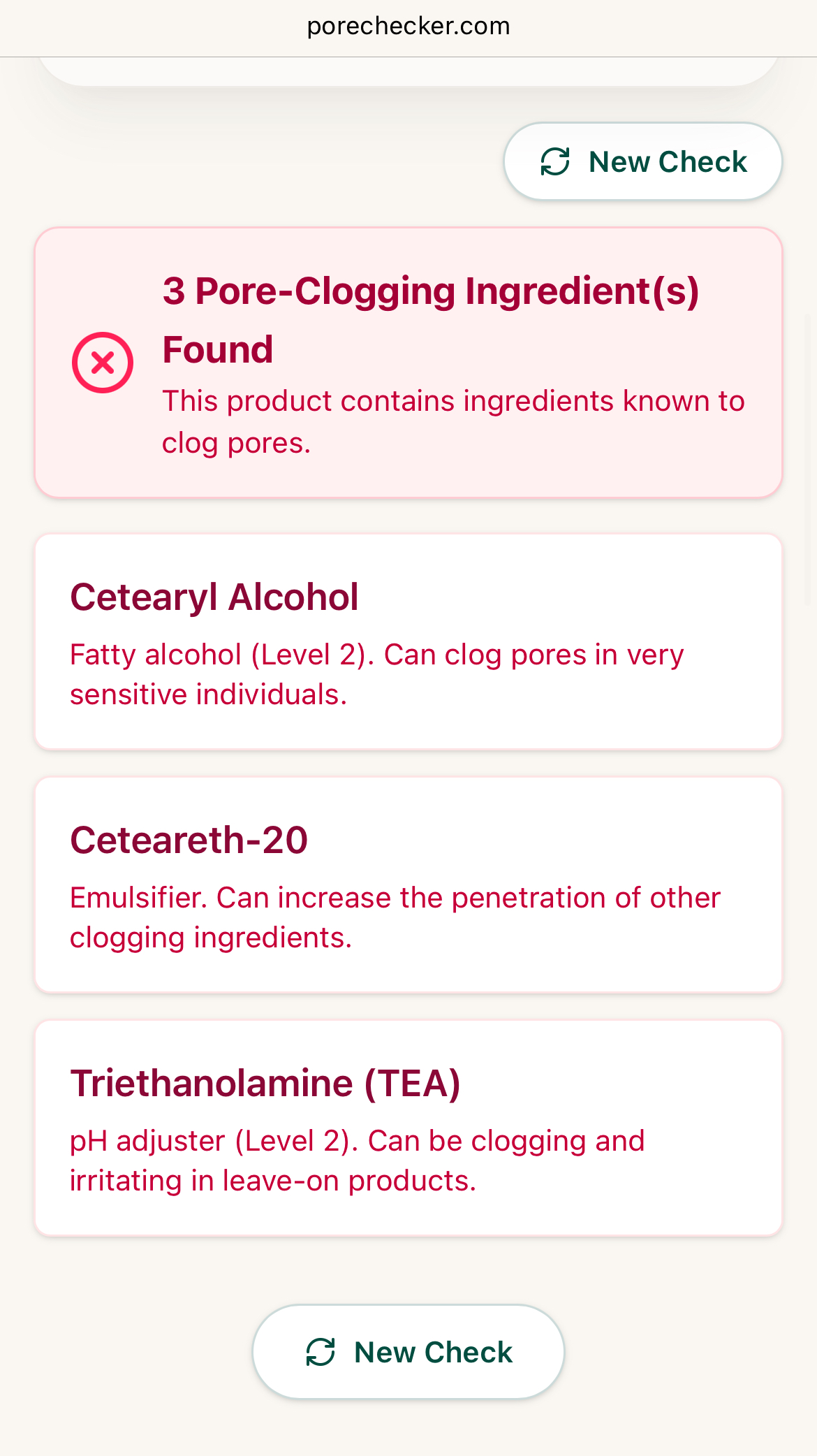
You get an immediate breakdown. If any red-flag ingredients are found, we highlight them and explain why they might be problematic for your pores.
Does this product fit my skin's needs?
Check Your Products Now