How to Fix Hormonal Acne: A Dermatologist's Guide to Clearer Skin
Struggling with hormonal acne? This dermatologist-backed guide offers science-based solutions and actionable advice to help you achieve clearer, healthier skin.

Hormonal acne, that unwelcome guest, often arrives with the monthly cycle, stress spikes, or life changes. It's frustrating, and I understand the emotional toll it takes. As a dermatologist, I've dedicated my career to understanding the intricacies of skin health, and I'm here to offer a clear path toward managing and minimizing hormonal acne flare-ups. The cornerstone of effective treatment lies in a consistent, non-comedogenic skincare routine – that is, one that won't clog your pores.
This means carefully selecting products, paying close attention to ingredients, and being patient with the process. Achieving clearer skin is not a race, it's a marathon. It requires understanding your skin, identifying triggers, and adopting a lifestyle that supports healthy skin function. Let's delve into actionable strategies you can implement right away.
The goal is to develop a comprehensive plan that combines professional treatments (when necessary) with a consistent home care routine. Let's get started.
Understanding the Root Causes of Hormonal Acne
Hormonal acne is primarily triggered by fluctuations in hormones, particularly androgens like testosterone. These hormones stimulate the sebaceous glands to produce more oil (sebum). Excess sebum, combined with dead skin cells and bacteria, clogs pores, leading to the formation of pimples, blackheads, and whiteheads. While hormonal fluctuations are the primary driver, other factors like stress, diet, and certain medications can exacerbate the problem.
The Androgen Connection
Androgens play a significant role. Increased androgen levels lead to increased sebum production, which becomes the breeding ground for acne-causing bacteria. This increased oil production, coupled with the natural shedding of skin cells, creates the perfect environment for clogged pores.
Stress and Acne: A Vicious Cycle
Stress elevates cortisol levels, which can further stimulate sebum production, worsening acne. Managing stress through techniques like meditation, yoga, or simply taking time for yourself is vital to managing the whole process.
Effective Strategies for Managing Hormonal Acne
Tackling hormonal acne often involves a multifaceted approach. It's more than just applying a product, it's about making conscious decisions about your lifestyle and building consistency.
Gentle Cleansing and Exfoliation
Start with a gentle, non-comedogenic cleanser twice daily to remove excess oil, dirt, and impurities without stripping your skin of its natural moisture. Exfoliate 1-2 times per week with a chemical exfoliant containing ingredients like salicylic acid or glycolic acid to remove dead skin cells and prevent pore clogging. Always listen to your skin and avoid over-exfoliation, which can damage the skin barrier and worsen acne.
Targeted Treatments: The Power of Actives
Choose active ingredients that can make a difference. Benzoyl peroxide helps to kill acne-causing bacteria. Retinoids (prescription or over-the-counter) promote cell turnover and unclog pores. Salicylic acid is a beta-hydroxy acid (BHA) that exfoliates inside the pores. Begin with a low concentration and gradually increase as tolerated.
The Role of Lifestyle: Diet, Hydration, and Sleep
A balanced diet, plenty of water, and sufficient sleep are critical for overall skin health. Limiting processed foods, dairy, and sugary drinks may reduce inflammation and improve skin clarity. Aim for 7-9 hours of sleep per night to allow your skin to repair and regenerate.
Consider Professional Treatments
Sometimes, the strategies we described might not be sufficient. Consider consulting with a dermatologist for professional treatments, such as chemical peels, laser therapy, or prescription medications like oral contraceptives (for women) or spironolactone. These can provide a more aggressive and targeted approach to reducing acne and minimizing scarring.
Don't Let Your Products Ruin Your Progress
Even with the best intentions and diligent efforts, the products you use can sabotage your progress if they contain pore-clogging ingredients. Many seemingly innocent skincare products harbor hidden offenders that can exacerbate acne. Always check the ingredient list of your cosmetics, moisturizers, and even sunscreens. Ingredients like certain oils, silicones, and thickeners can block pores, leading to breakouts. Consider using an ingredient checker tool to quickly identify potential pore-clogging culprits and ensure your routine supports your clear skin goals.
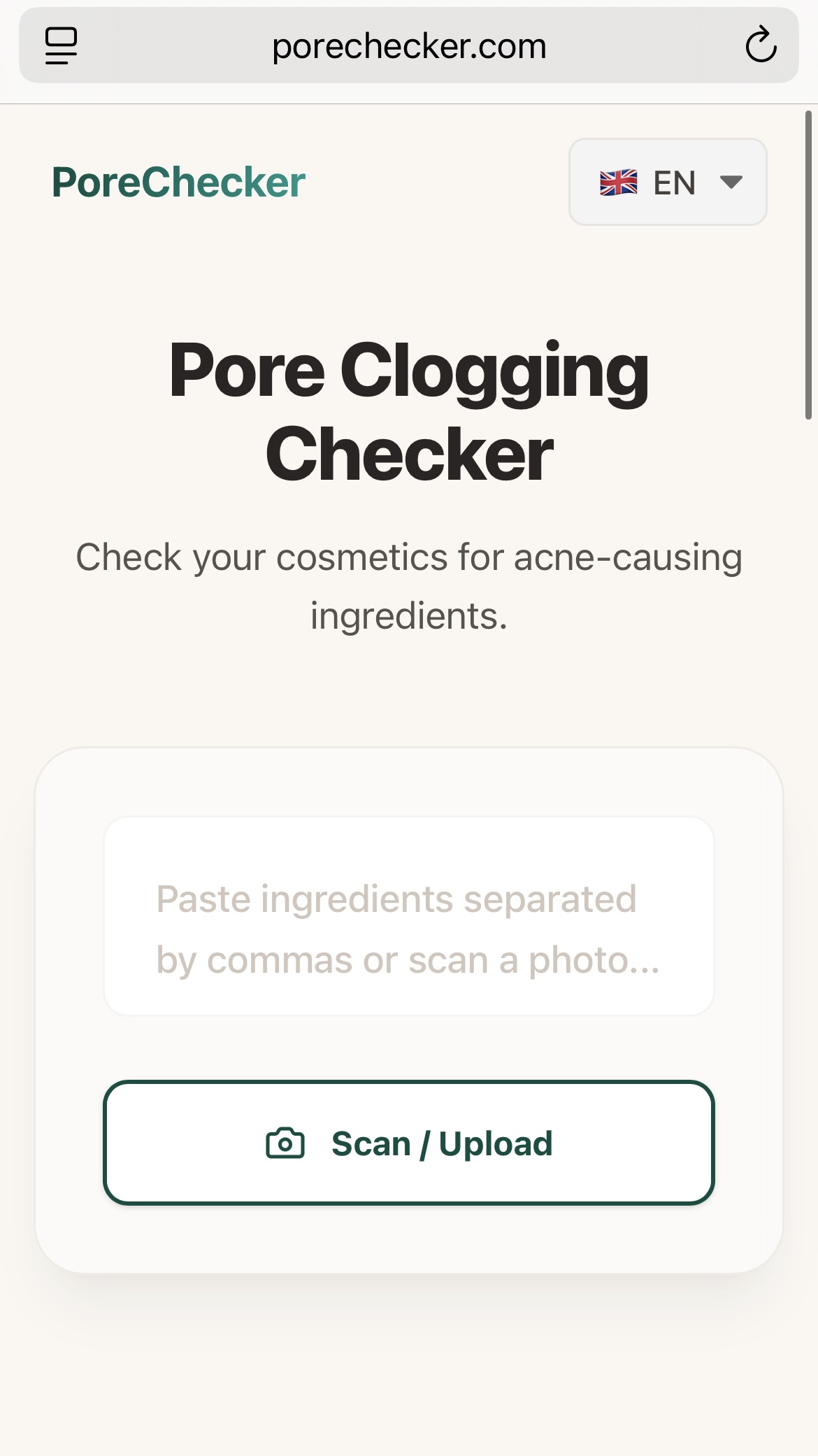
Step 1: Upload Your Product Image
Simply snap a photo of the ingredient list on the back of any bottle, jar, or box. No typing required.
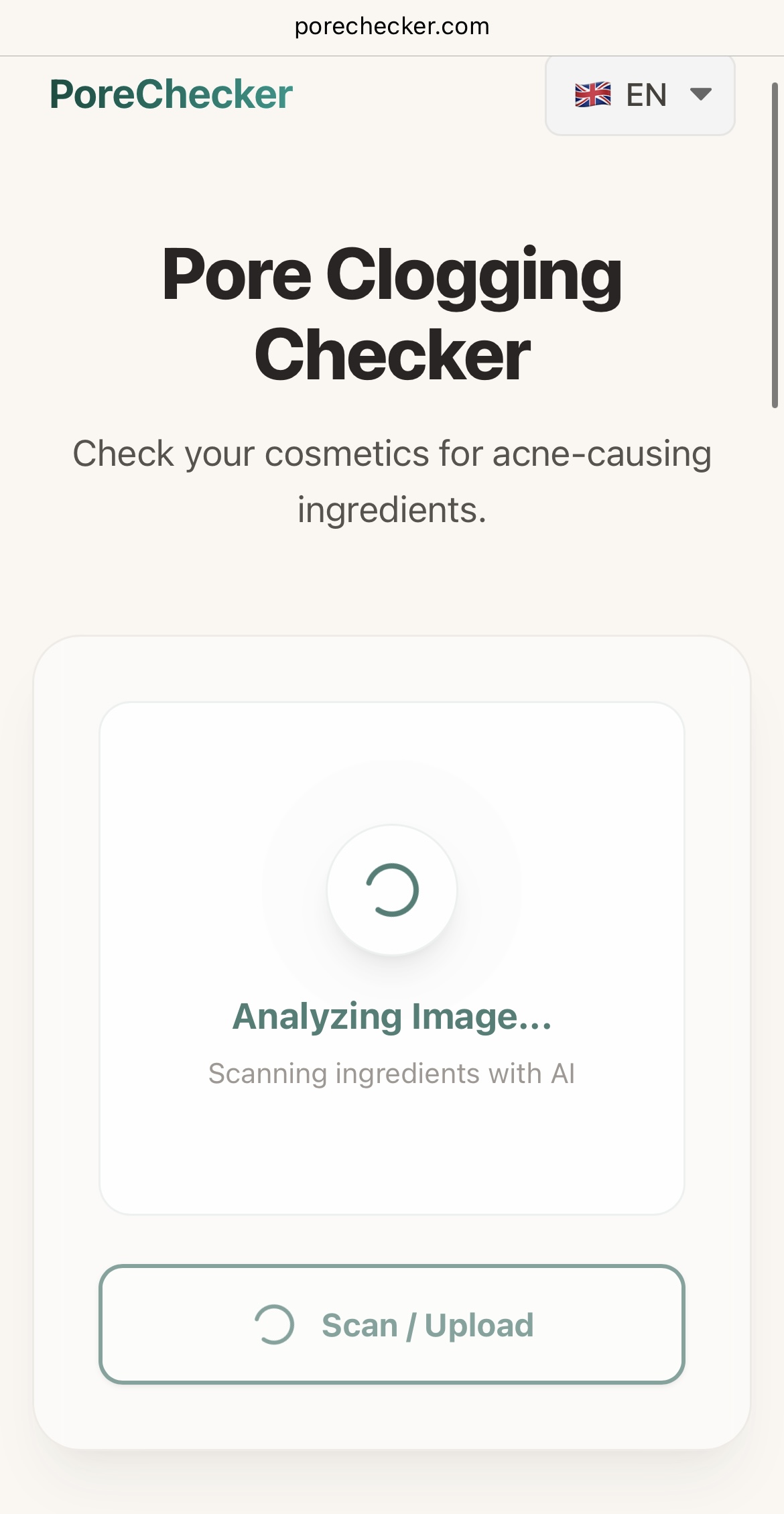
Step 2: Instant AI Ingredient Analysis
Our advanced AI scans the image, performs OCR (Optical Character Recognition), and matches every ingredient against our curated database of comedogenic substances.
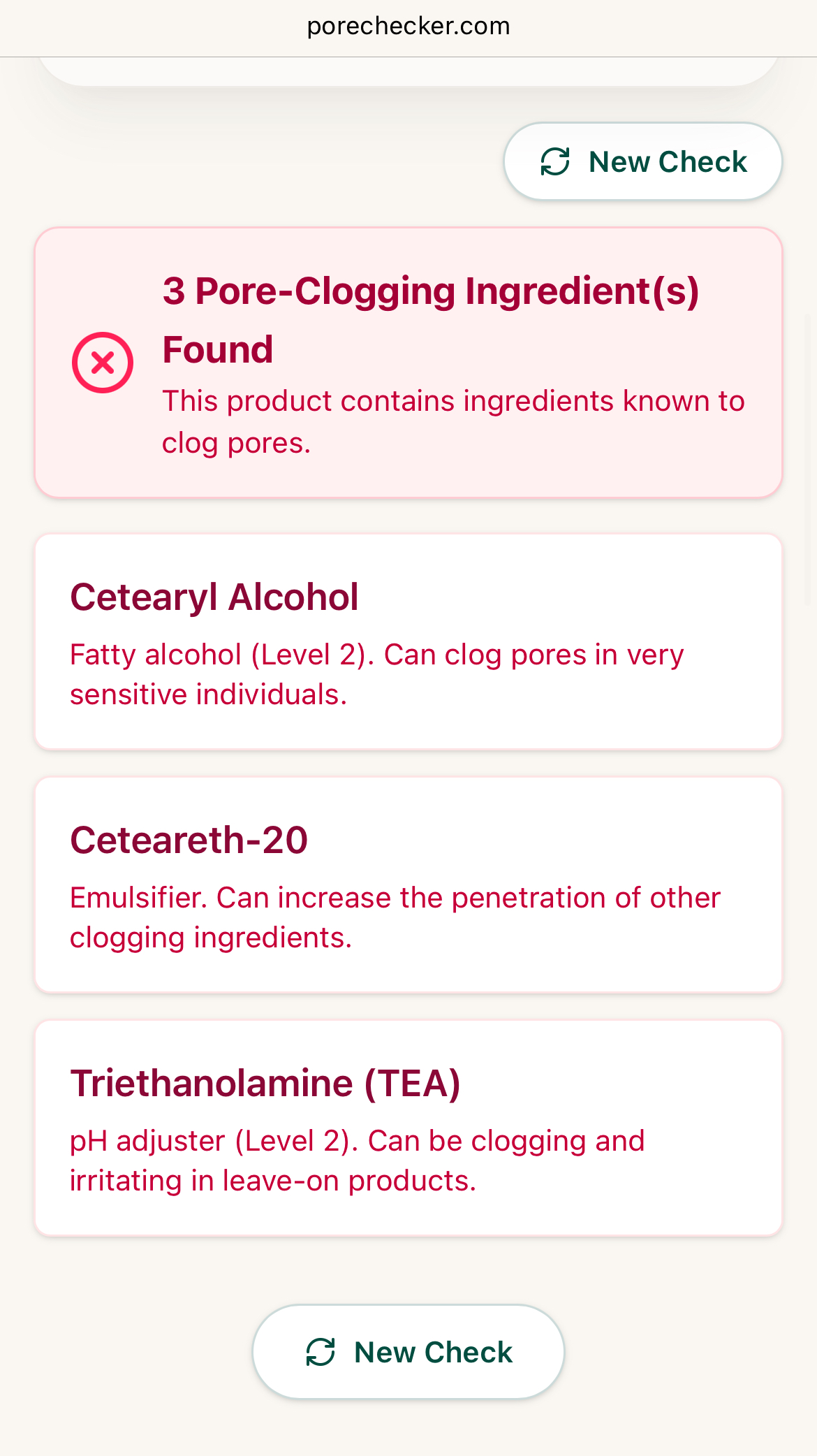
Step 3: Clear Results for Clearer Skin
You get an immediate breakdown. If any red-flag ingredients are found, we highlight them and explain why they might be problematic for your pores.
Does this product fit my skin's needs?
Check Your Products Now