How to Get Rid of Acne on Forehead: A Dermatologist’s Strategy for Clear Skin
Struggling with forehead breakouts? Learn how to get rid of acne on forehead using science-backed skincare and pore-clearing habits.
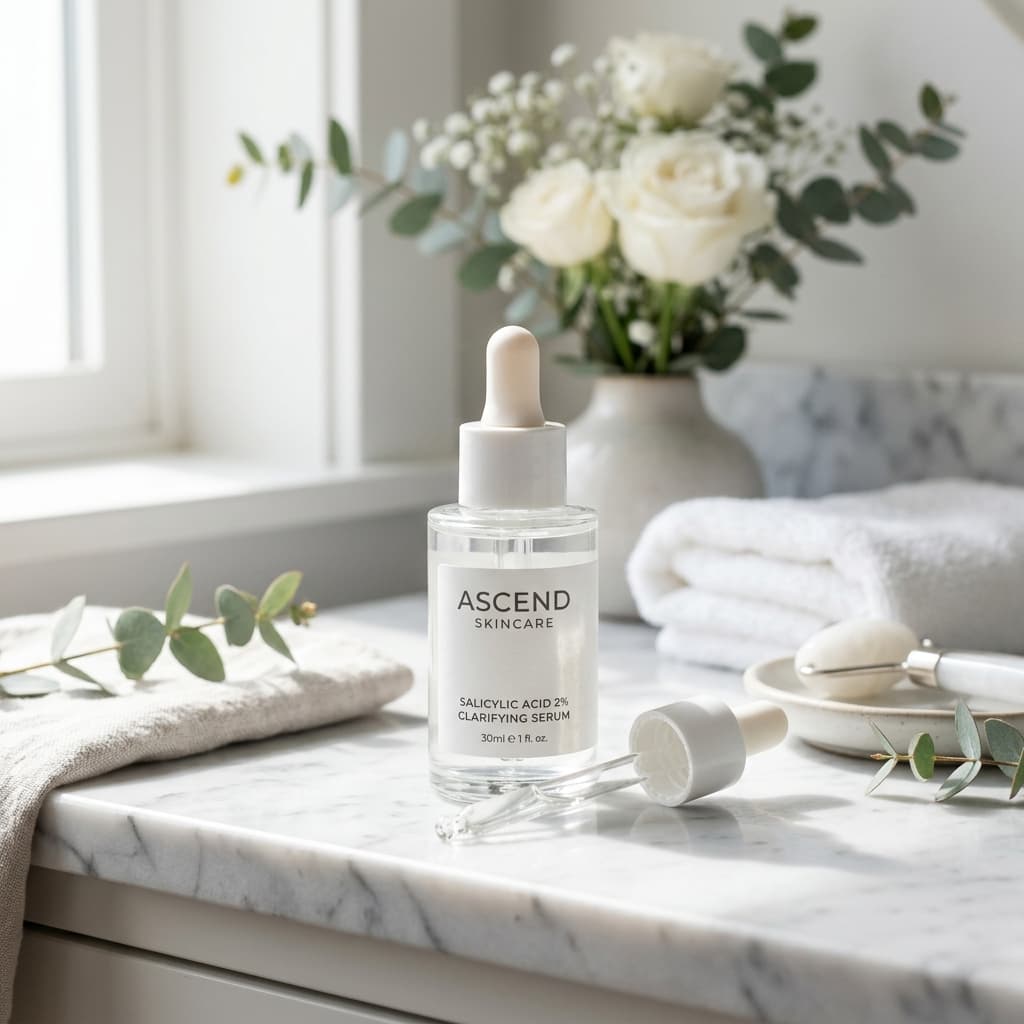
Forehead acne often presents as a constellation of stubborn, small comedones or inflamed papules that can feel particularly frustrating because they are impossible to hide. As a dermatologist, I often see patients who believe these breakouts are simply a result of oily skin. While excess sebum plays a role, forehead congestion is frequently tied to external factors—specifically, what we put on our hair and how our skin interacts with our environment.
The key to clearing the forehead area lies in a strategic, non-comedogenic approach. Unlike other parts of the face that may require heavy hydration, the forehead is uniquely susceptible to friction and residue buildup. By simplifying your routine and identifying hidden triggers, you can restore balance to your complexion and prevent the inflammatory cycle that leads to persistent breakouts.
The Science Behind Forehead Congestion
The forehead is part of the "T-zone," an area naturally dense with sebaceous glands. When these glands overproduce oil, it traps dead skin cells within the follicle, creating the perfect environment for C. acnes bacteria to thrive. Because the skin here is relatively thin, it reacts quickly to irritation, which is why harsh scrubbing often makes the situation worse rather than better.
Hidden Culprits: Hair Care and Friction
If your acne is concentrated specifically along the hairline or across the center of the forehead, your hair products are likely the primary suspect. Many shampoos, conditioners, and styling pomades contain heavy oils, waxes, or silicones that are highly comedogenic. When these products migrate onto your skin—especially during a hot shower or while sleeping—they create a physical barrier that traps heat and sweat, leading to "pomade acne."
Furthermore, consider the role of mechanical irritation. Hats, sweatbands, and even dirty pillowcases act as magnets for bacteria and oil. If you are an athlete or someone who wears head coverings, the occlusion of the skin caused by these items is often the catalyst for forehead breakouts. Switching to a silk pillowcase and ensuring hair products are rinsed away from the face are two of the most effective, immediate changes you can implement.
Effective Ingredients for Targeted Treatment
Addressing forehead acne requires consistent exfoliation rather than aggressive drying. Salicylic acid is the gold standard for this area because it is lipid-soluble, meaning it can penetrate deep into the pore to dissolve the sebum and debris causing the blockage. Incorporating a 2% salicylic acid treatment into your nightly routine helps maintain clear follicles and prevents future eruptions.
In addition to chemical exfoliation, look for non-comedogenic moisturizers that support the skin barrier. A damaged barrier leads to increased inflammation and sensitivity. When your skin is healthy and hydrated, it is far more resilient against the environmental stressors that typically cause congestion on the forehead.
Don't Let Your Products Ruin Your Progress
Even when you establish a disciplined routine, you might inadvertently introduce new triggers into your environment through the very products intended to help your skin. It is common to focus on the active ingredients in your serums while completely overlooking the pore-clogging nature of the emollients or surfactants present in your cleansers, moisturizers, or SPF. If your forehead continues to break out despite your best efforts, the culprit is often a hidden ingredient lurking in your daily staples. Assessing every product in your cabinet for potential comedogenicity is an essential step in ensuring your skin remains clear and unimpeded.
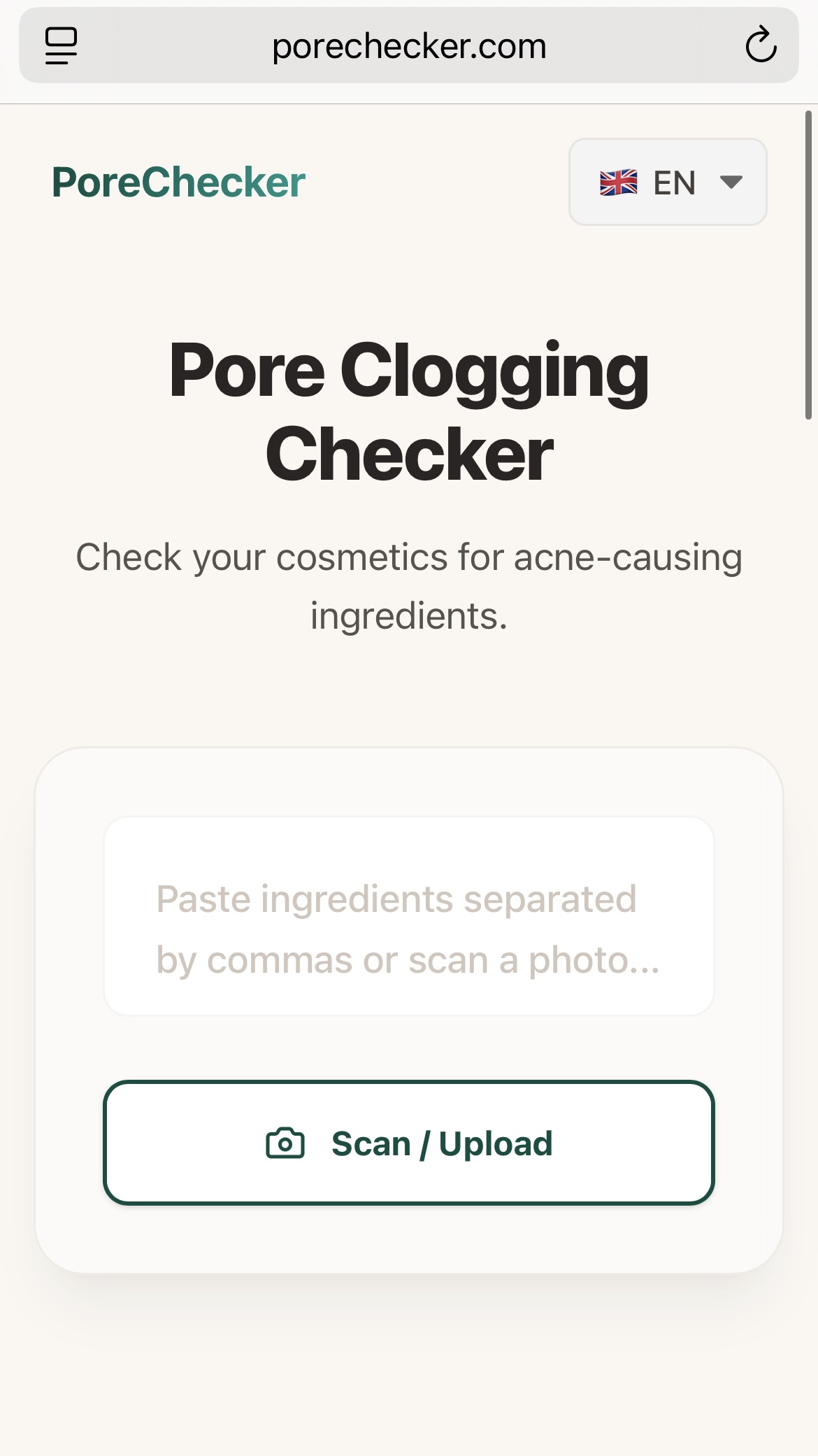
Step 1: Upload Your Product Image
Simply snap a photo of the ingredient list on the back of any bottle, jar, or box. No typing required.
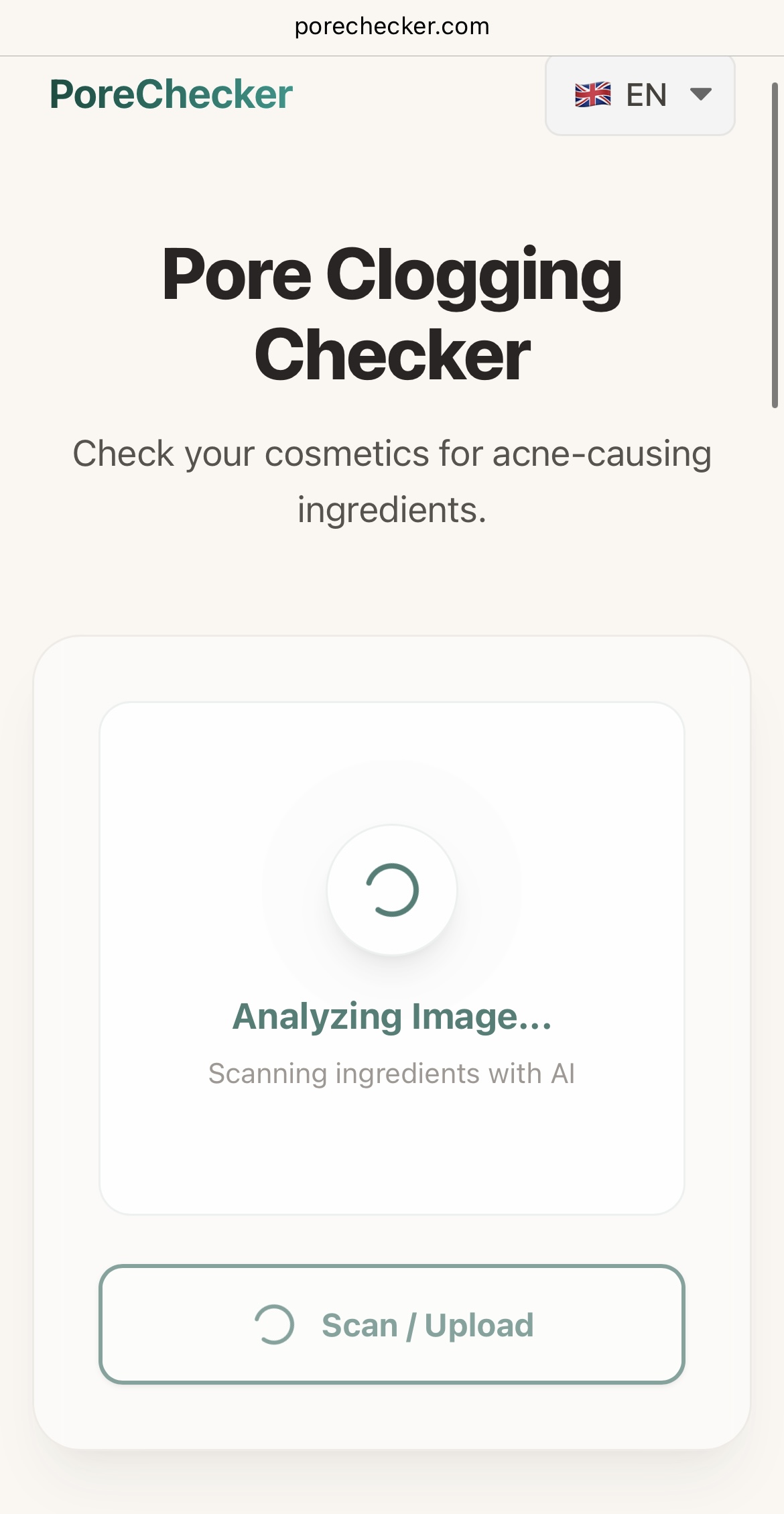
Step 2: Instant AI Ingredient Analysis
Our advanced AI scans the image, performs OCR (Optical Character Recognition), and matches every ingredient against our curated database of comedogenic substances.
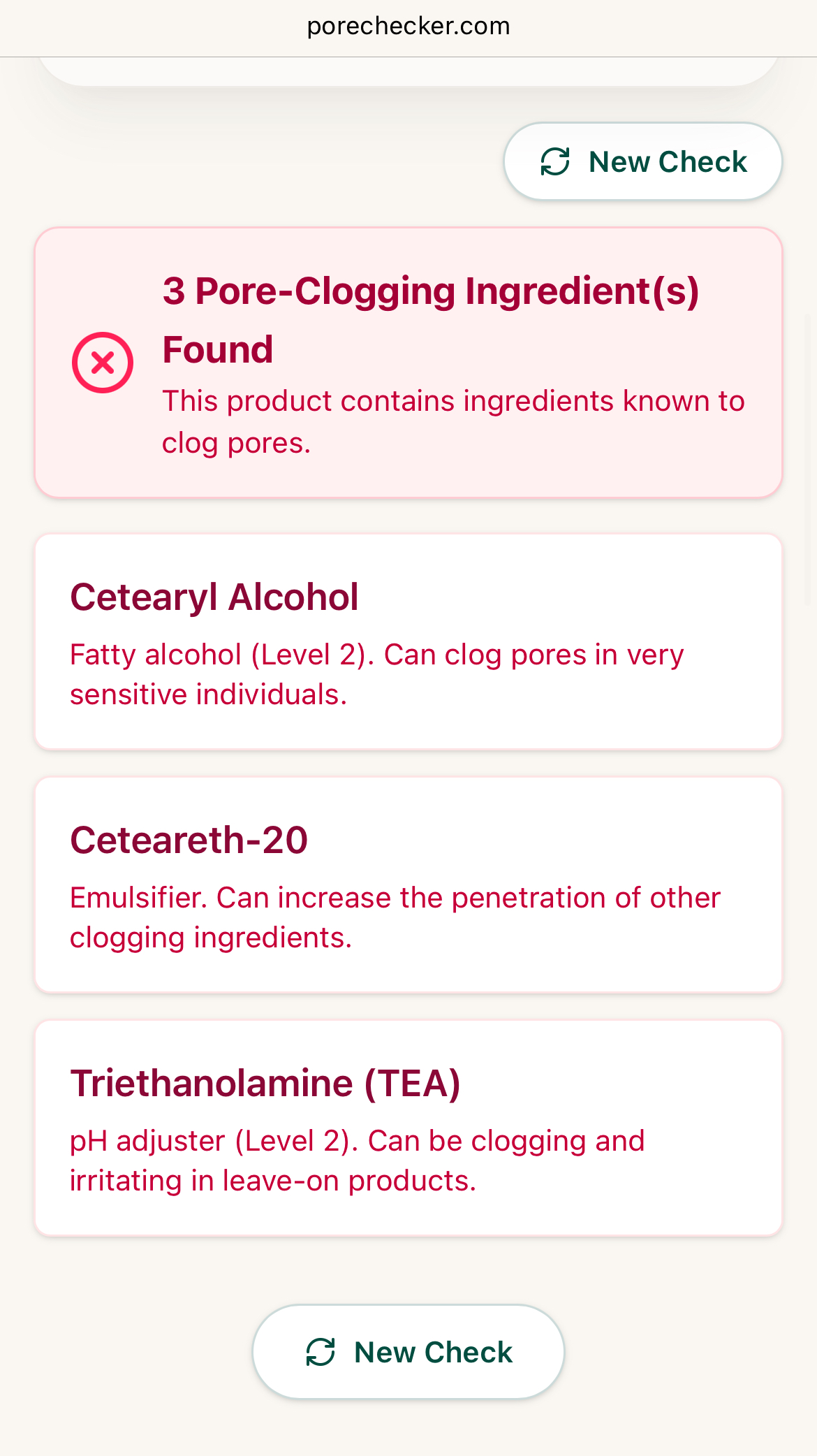
Step 3: Clear Results for Clearer Skin
You get an immediate breakdown. If any red-flag ingredients are found, we highlight them and explain why they might be problematic for your pores.
Does this product fit my skin's needs?
Check Your Products Now