How to Get Rid of Acne Scars at Home: A Clear Skin Roadmap
Learn how to get rid of acne scars at home with effective skincare strategies. Expert advice on treatments, routines, and product choices for clearer skin.
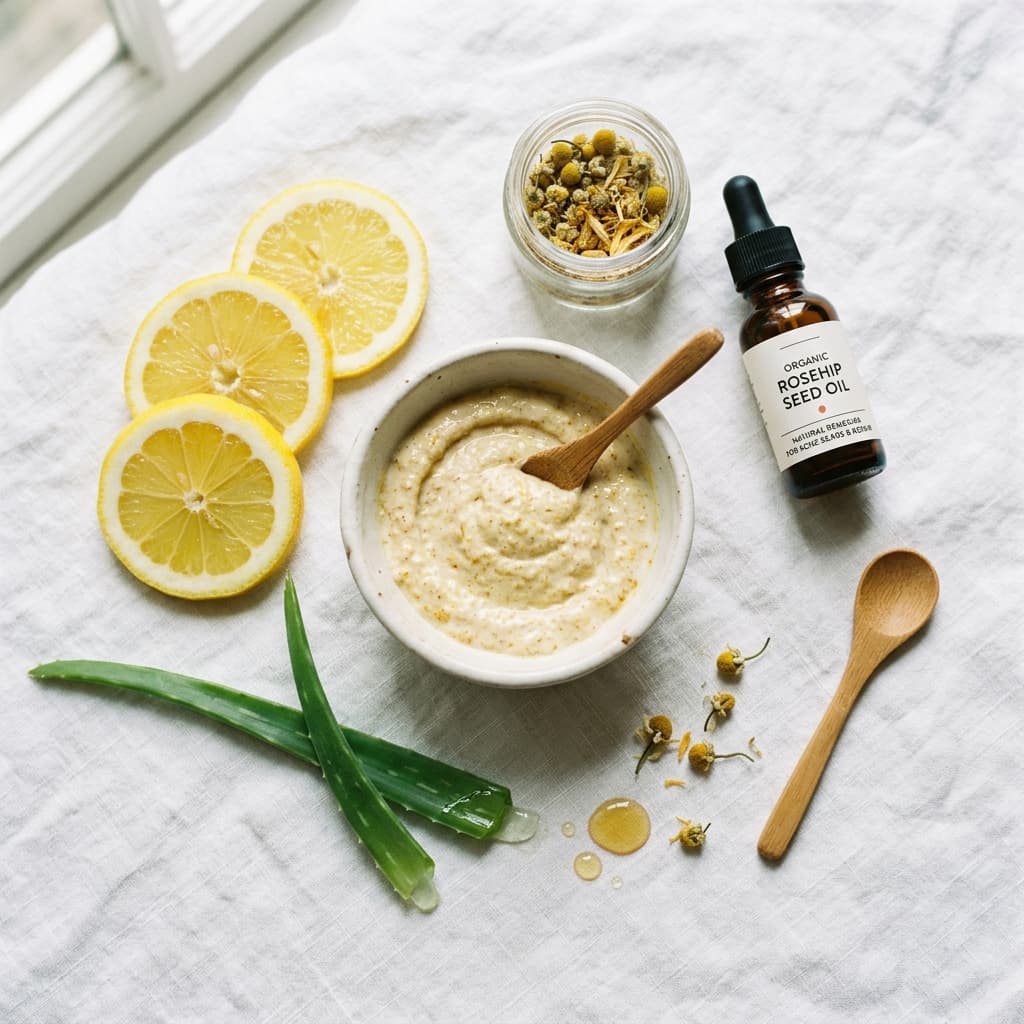
The aftermath of acne can be as frustrating as the breakouts themselves. Acne scars, those lingering reminders of past skin battles, can impact self-esteem and confidence. The good news? Effective at-home treatments, coupled with patience and consistency, can significantly diminish their appearance. This journey demands a careful approach, emphasizing non-comedogenic products to avoid further inflammation and the formation of new scars. Let's explore a path to smoother, clearer skin.
This isn't about overnight miracles; it's about a strategic, science-backed plan. Understanding the different types of acne scars—from the shallow, reddish marks (hyperpigmentation) to the deeper, textured scars—is crucial. Tailoring your approach to your specific scar type will maximize your results. We'll delve into gentle yet powerful techniques, empowering you to take control of your skin's healing process from the comfort of your home.
Understanding Your Scars: Types and Causes
Before we dive into treatments, let's identify the enemy. Acne scars are broadly categorized into two types: those that result from a loss of tissue (atrophic scars), and those that are raised above the skin surface (hypertrophic or keloid scars). Atrophic scars often appear as indented marks, including ice pick scars (narrow, deep indentations), boxcar scars (wide, box-like depressions), and rolling scars (wavy, undulating texture). Hyperpigmentation, or post-inflammatory hyperpigmentation (PIH), manifests as flat, discolored spots, typically red or brown, that fade over time. The severity and type of scarring are influenced by factors like acne severity, picking or squeezing blemishes, and your skin's natural healing abilities.
Targeting Post-Inflammatory Hyperpigmentation (PIH)
PIH is often the first type of scar to address, as it's typically more responsive to at-home treatments. The goal here is to accelerate skin cell turnover, fading the discoloration. Gentle chemical exfoliants, such as those containing AHAs (alpha-hydroxy acids like glycolic or lactic acid) and BHAs (beta-hydroxy acids like salicylic acid), can work wonders. Use these products in moderation, starting with once or twice a week and gradually increasing frequency as tolerated. Always prioritize sun protection, as UV exposure can worsen PIH. A broad-spectrum sunscreen with an SPF of 30 or higher is non-negotiable. Look for formulas specifically labeled "non-comedogenic" and "oil-free" to avoid triggering new breakouts.
The Power of Retinoids
Retinoids, derivatives of vitamin A, are powerful allies in the fight against acne scars. They boost collagen production, helping to repair and remodel the skin. Start with a low concentration and apply it at night to minimize sun sensitivity. Be patient, as it takes several weeks or months to see noticeable improvements. Common side effects include dryness and irritation. To mitigate this, introduce retinoids slowly and consider buffering them with a moisturizer.
Gentle Exfoliation and Hydration
Regular, gentle exfoliation aids in skin cell turnover and removes dead cells that can dull the complexion. However, over-exfoliating can damage the skin barrier, leading to further inflammation. Physical exfoliants, such as scrubs, should be used sparingly. Focus on chemical exfoliants and incorporate hydrating ingredients like hyaluronic acid and ceramides to support skin health. Maintaining a strong skin barrier is vital for effective scar treatment.
Embracing a Consistent Routine
Consistency is key. Building a skincare routine that you can stick with is essential. A typical routine may include a gentle cleanser, a targeted treatment (retinoid or AHA/BHA), a hydrating serum, and a broad-spectrum sunscreen. Listen to your skin and adjust the frequency and products as needed. Don't be afraid to consult with a dermatologist if you're unsure or not seeing results. They can offer personalized advice and may recommend professional treatments.
Hidden Pore-Cloggers to Avoid
Certain ingredients can worsen acne and hinder your progress. Be vigilant about what you apply to your skin. Common culprits include heavy oils, comedogenic ingredients (those known to clog pores), and fragrances. Look for "non-comedogenic" labels, but remember, this isn't a guarantee. Individual sensitivities vary. Some ingredients to watch out for include coconut oil, cocoa butter, and certain forms of silicones. Read labels carefully, and when in doubt, research the ingredients to avoid potential irritants.
Don't Let Your Products Ruin Your Progress
The products you use are just as important as the treatments you apply. It's easy to accidentally sabotage your efforts by using skincare that contains pore-clogging ingredients. Ingredients like certain oils, heavy emollients, and even some fragrances can contribute to new breakouts, hindering your progress in getting rid of those acne scars. To make sure you're not unknowingly setting yourself back, take a moment to evaluate the ingredients in your current products.
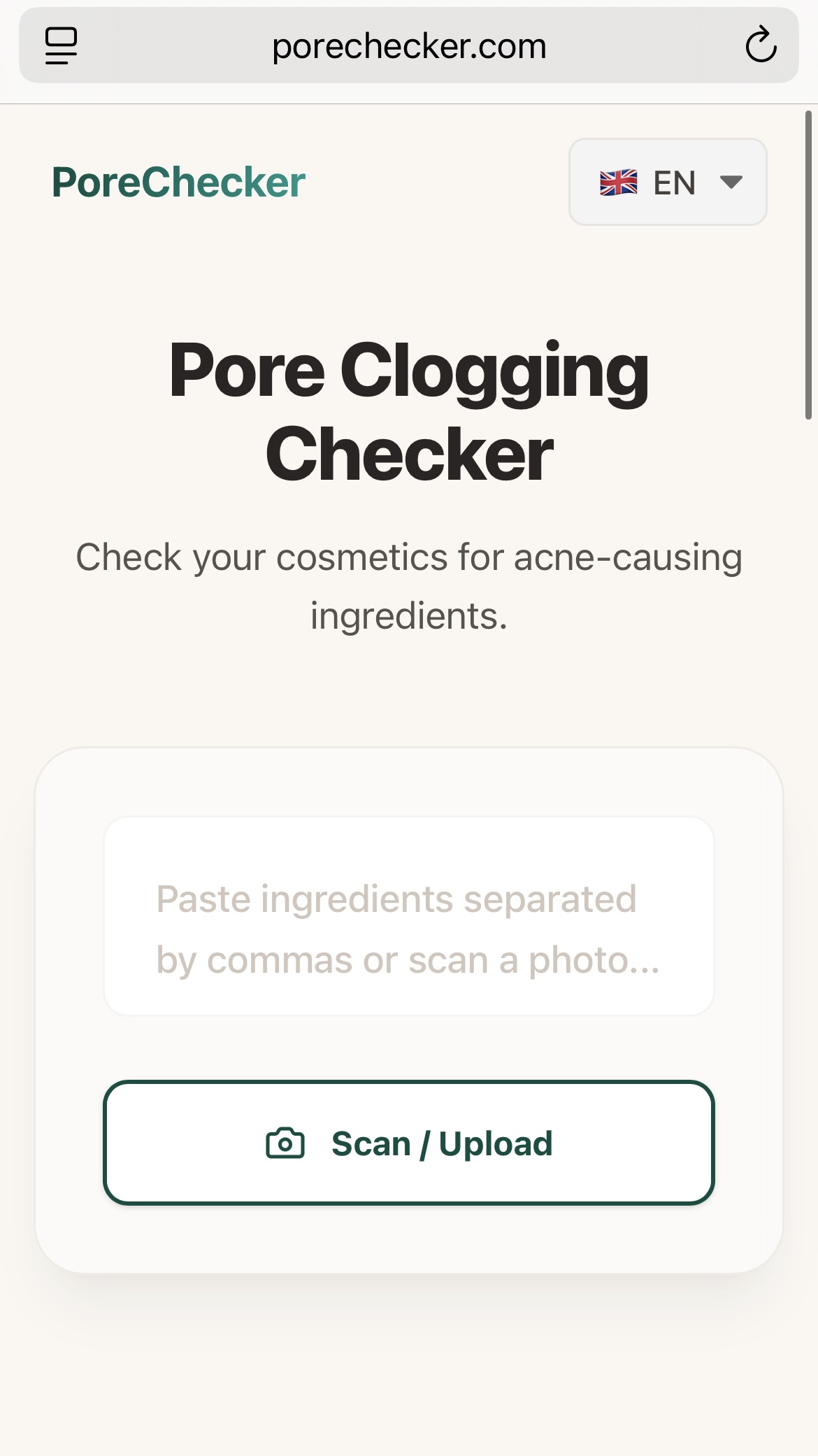
Step 1: Upload Your Product Image
Simply snap a photo of the ingredient list on the back of any bottle, jar, or box. No typing required.
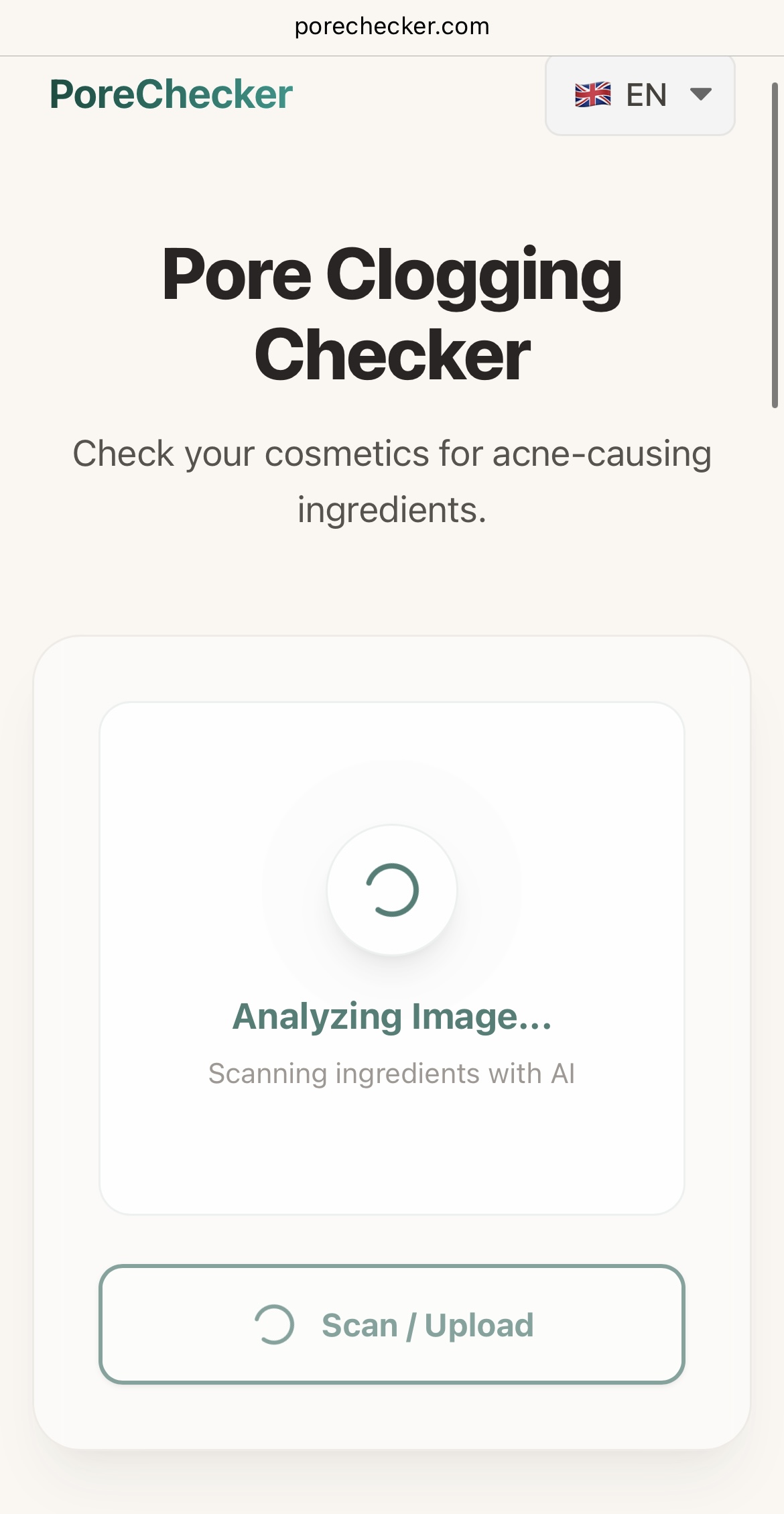
Step 2: Instant AI Ingredient Analysis
Our advanced AI scans the image, performs OCR (Optical Character Recognition), and matches every ingredient against our curated database of comedogenic substances.
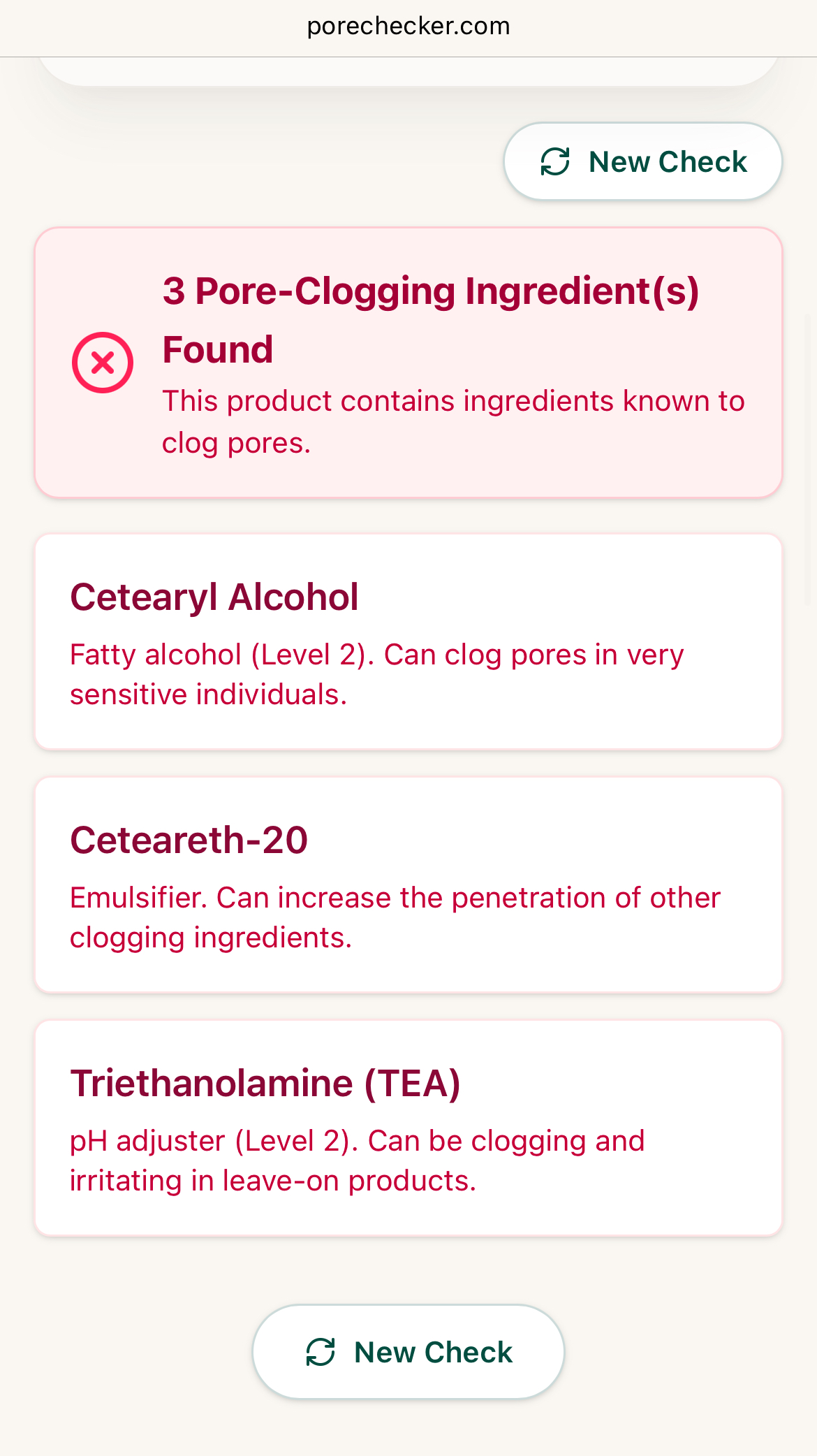
Step 3: Clear Results for Clearer Skin
You get an immediate breakdown. If any red-flag ingredients are found, we highlight them and explain why they might be problematic for your pores.
Does this product fit my skin's needs?
Check Your Products Now