How to Get Rid of Baby Acne: Gentle Solutions for Delicate Skin
Discover how to get rid of baby acne with gentle skincare tips. Learn about causes, safe treatments, and how to protect your little one's delicate skin from irritation.

As a dermatologist, I frequently encounter parents concerned about baby acne. Those tiny, sometimes inflamed bumps on a newborn's face can understandably cause worry. This common condition, often appearing within the first few weeks of life, usually resolves on its own. However, understanding the causes and implementing gentle, non-comedogenic care can make a significant difference in comfort and the time it takes for those blemishes to disappear.
The key to managing baby acne lies in its delicate approach. Remember, a baby's skin barrier is still developing, making it highly susceptible to irritation. Harsh ingredients and aggressive treatments can do more harm than good. Instead, we'll focus on simple, effective strategies designed to soothe and protect your baby's sensitive skin, providing comfort during this temporary phase.
Understanding Baby Acne
Baby acne, also known as neonatal acne, is believed to be caused by a combination of factors. Hormones passed from the mother during pregnancy can stimulate the baby's oil glands, leading to the formation of pimples and bumps. This is a normal physiological response and is not typically a cause for alarm. The lesions are usually small red or white bumps, often appearing on the cheeks, nose, and forehead.
Unlike adolescent acne, baby acne is not related to bacteria. The primary trigger is hormonal, not bacterial, meaning that antibacterial treatments are generally ineffective and potentially irritating. Recognizing the underlying cause is crucial to choosing the right management strategies and avoiding unnecessary treatments.
Differentiating Baby Acne from Other Conditions
It's important to differentiate baby acne from other skin conditions that can appear in newborns. Milia, which are tiny white bumps caused by trapped keratin, are very common. They are distinct from acne and don't require treatment, typically disappearing on their own. Also, consider conditions such as eczema, which can present as red, itchy patches. If you’re unsure, always consult with your pediatrician or a dermatologist to get a precise diagnosis and tailored advice.
Gentle Care Strategies
The best approach to treating baby acne is to keep it simple. Over-the-counter medications are rarely necessary. Most of the work you can do comes down to proper cleansing and avoiding harsh products.
Cleansing
Gently wash your baby's face once or twice a day with lukewarm water and a mild, unscented, and soap-free cleanser. Avoid vigorous scrubbing; instead, use your fingertips to gently cleanse the affected areas. Pat the skin dry with a soft towel.
Moisturizing
If your baby's skin seems dry, you can apply a fragrance-free, hypoallergenic moisturizer after cleansing. Look for products specifically formulated for babies, avoiding those with potential irritants like fragrances and dyes.
Avoidance of Irritants
Keep the baby's face clean and dry. Avoid harsh soaps, lotions, and detergents. Avoid rubbing or scrubbing the skin. Also, be mindful of clothing and bedding detergents. Look for hypoallergenic, fragrance-free options when washing baby's clothes and linens.
Hidden Pore-Cloggers: What to Watch Out For
Although the primary cause of baby acne isn't external, you should still avoid applying products that can further irritate or block pores. Some ingredients, even in products marketed for babies, can contribute to clogged pores and irritation. These hidden pore-cloggers, often found in lotions, creams, and wipes, can make baby acne worse or prolong the breakout.
Common Culprits
Certain ingredients are more likely to cause problems. Mineral oil, petrolatum, and some types of oils (e.g., coconut oil in some cases) can be comedogenic, meaning they can clog pores. Likewise, some fragrances and essential oils may also be irritating. Always read labels carefully and opt for products with a short, simple ingredient list, focusing on gentle and non-irritating formulations.
Product Recommendations
Seek out products labeled as "non-comedogenic" or "for sensitive skin." These are less likely to contain pore-clogging ingredients. Read reviews, and consult with your pediatrician or dermatologist for specific product recommendations. When in doubt, it’s always better to err on the side of caution and choose products that are known to be gentle and well-tolerated by sensitive skin.
Don't Let Your Products Ruin Your Progress
You've now armed yourself with the knowledge to care for your baby's skin. You know the importance of gentle cleansing, avoiding harsh chemicals, and being patient. But what if you're using a product that's unintentionally making things worse? Many seemingly innocent baby products contain ingredients that can clog pores or trigger irritation, leading to more blemishes than you started with. This is where it's crucial to take a closer look at the ingredients list, and luckily, there are easy tools available to help you identify potential culprits.
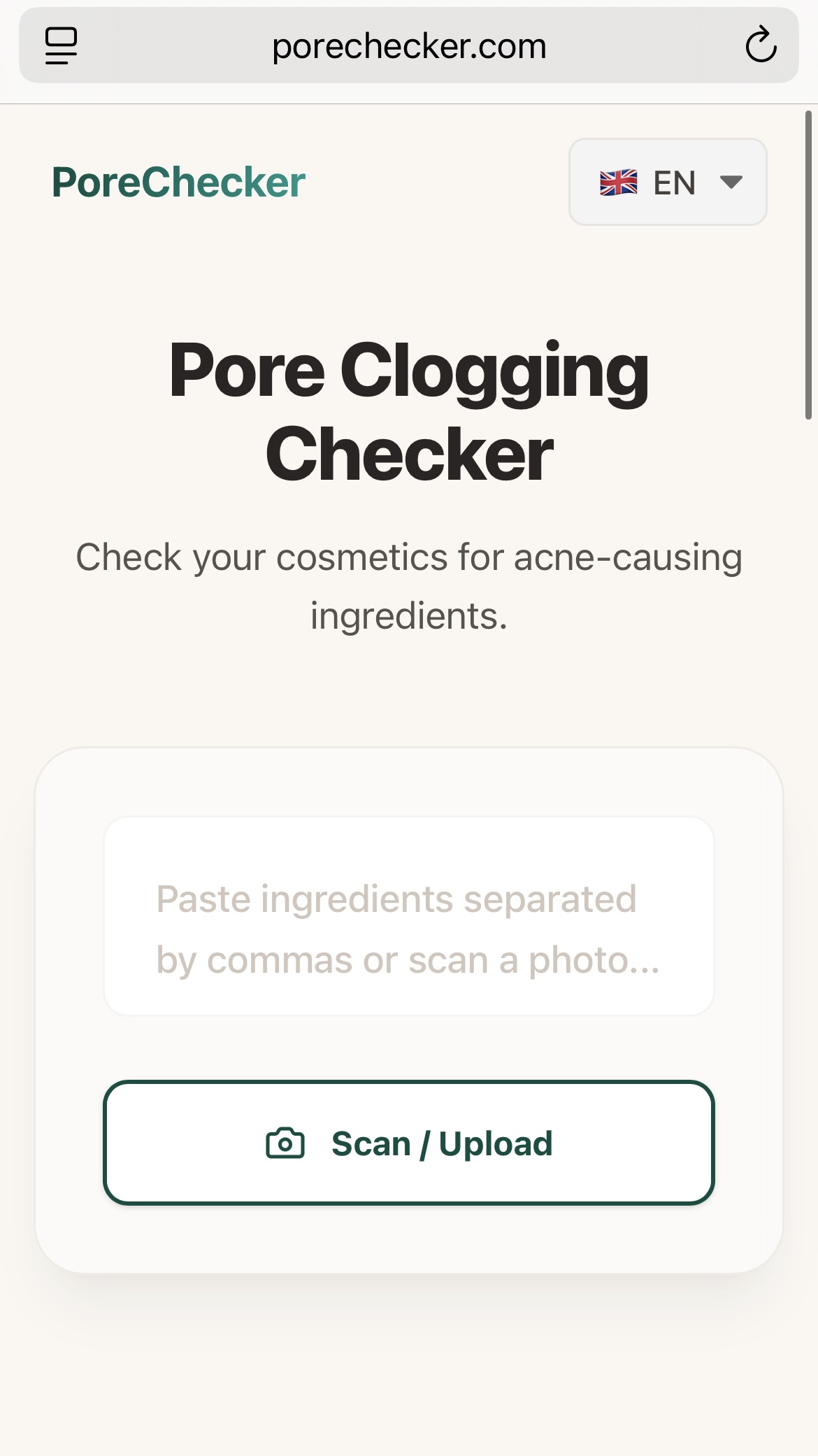
Step 1: Upload Your Product Image
Simply snap a photo of the ingredient list on the back of any bottle, jar, or box. No typing required.
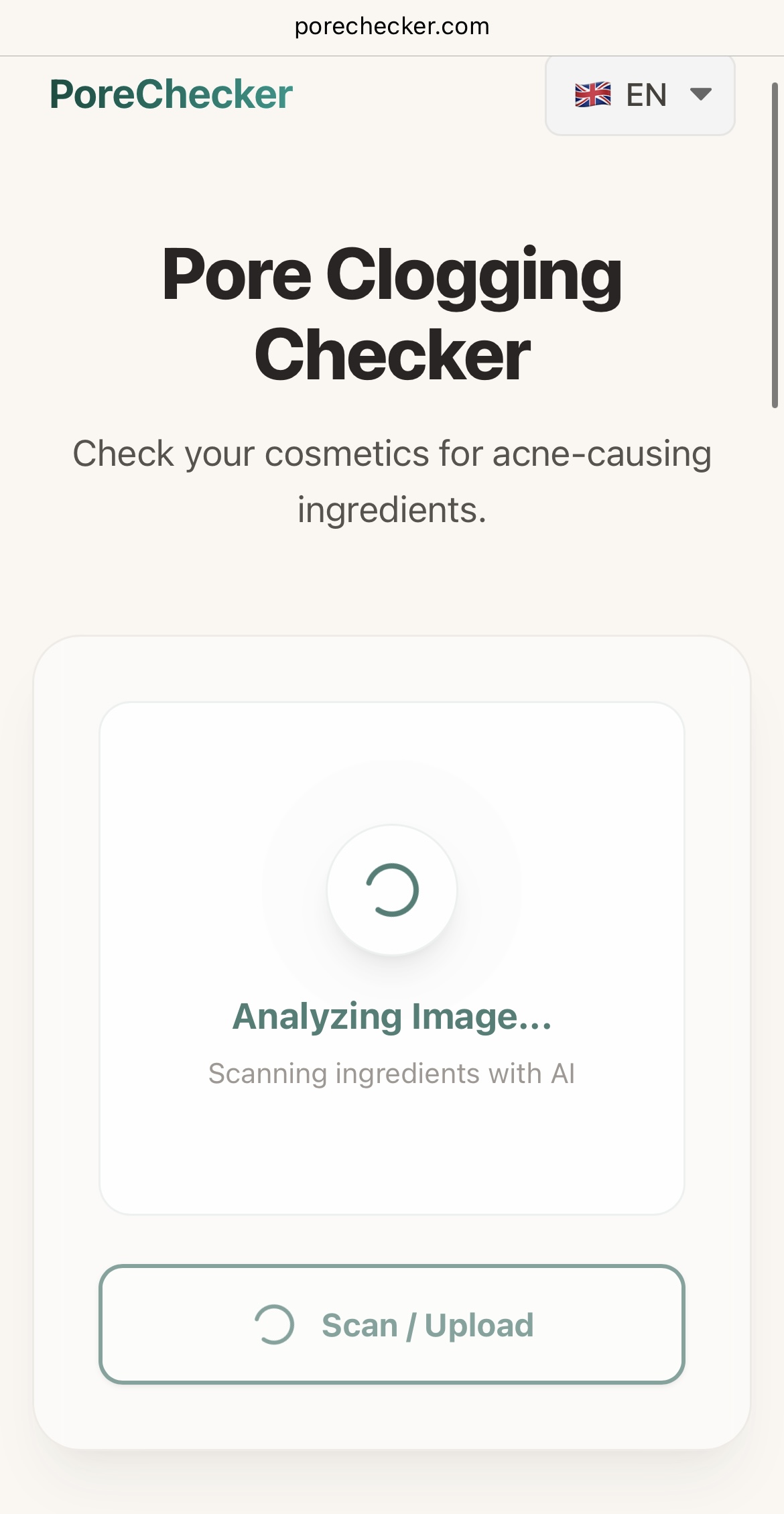
Step 2: Instant AI Ingredient Analysis
Our advanced AI scans the image, performs OCR (Optical Character Recognition), and matches every ingredient against our curated database of comedogenic substances.
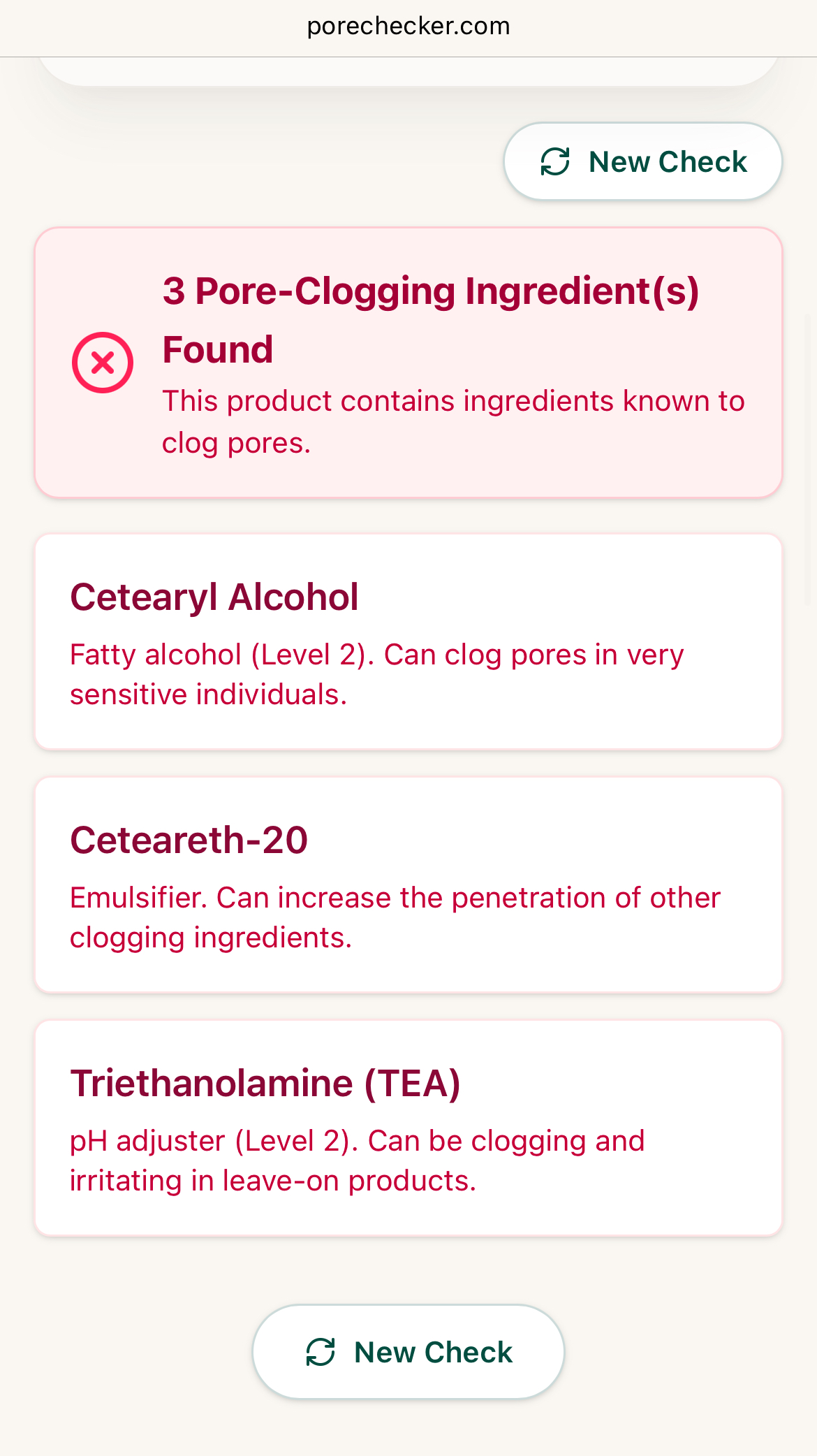
Step 3: Clear Results for Clearer Skin
You get an immediate breakdown. If any red-flag ingredients are found, we highlight them and explain why they might be problematic for your pores.
Does this product fit my skin's needs?
Check Your Products Now