How to Get Rid of Cat Acne: A Dermatologist’s Approach to Feline Folliculitis
Learn how to get rid of cat acne with expert advice on hygiene, material selection, and identifying hidden irritants causing breakouts.

Feline chin acne, medically known as feline follicular hyperkeratosis, often appears as stubborn blackheads, pustules, or crusty debris along your cat's lower jaw. While it may seem like a minor cosmetic nuisance, it represents an inflammation of the hair follicles that can lead to significant discomfort if left unmanaged. As a skin scientist, I view this condition much like human comedonal acne: it is a breakdown in the natural exfoliation cycle of the skin, exacerbated by external environmental factors.
Effective management begins with understanding that your cat’s chin is a common landing zone for bacteria and oil buildup. By prioritizing non-comedogenic care—meaning products and habits that do not clog pores—you can interrupt the cycle of inflammation. Maintaining a clean, moisture-free environment for your pet’s skin is the most foundational step in restorative dermatology.
The Link Between Material Science and Skin Health
The most frequent culprit behind persistent feline chin acne is the material of your cat's food and water bowls. Plastic is notoriously porous; even with routine washing, deep microscopic scratches harbor bacteria, biofilms, and oily residues that trigger follicular irritation every time your cat eats. Switching to medical-grade stainless steel or glazed ceramic is a non-negotiable step in the healing process.
Beyond bowl material, prioritize a rigorous hygiene schedule. If your cat suffers from recurring breakouts, wipe their chin gently with a warm, damp cloth after every meal to remove trapped debris. Avoid using harsh human skincare products or acne medications, as these are often toxic to felines and can damage their delicate skin barrier, leading to secondary infections or chemical burns.
Managing Inflammation and Identifying Triggers
When the skin barrier is compromised, it is prone to secondary bacterial infection. If you notice swelling, bleeding, or the presence of yellow pus, the condition has evolved beyond simple comedones. At this stage, professional veterinary intervention is necessary to determine if a topical antibiotic or a specialized soothing cleanser is required to stabilize the inflammation without disrupting the microbiome.
Don't Let Your Products Ruin Your Progress
While many cat owners focus exclusively on the bowl, the ingredients found in topical wipes, grooming sprays, or even common household cleaners used on feeding stations can inadvertently introduce pore-clogging agents into your cat's environment. Just as certain oils and waxes in human cosmetics can trigger breakouts, hidden comedogenic substances in pet-care products can perpetuate the acne cycle. Vigilance regarding the chemical composition of anything that touches your cat's skin is essential. Reviewing product labels for potentially occlusive ingredients is a proactive way to ensure that your treatment efforts aren't being sabotaged by the very items intended to help.
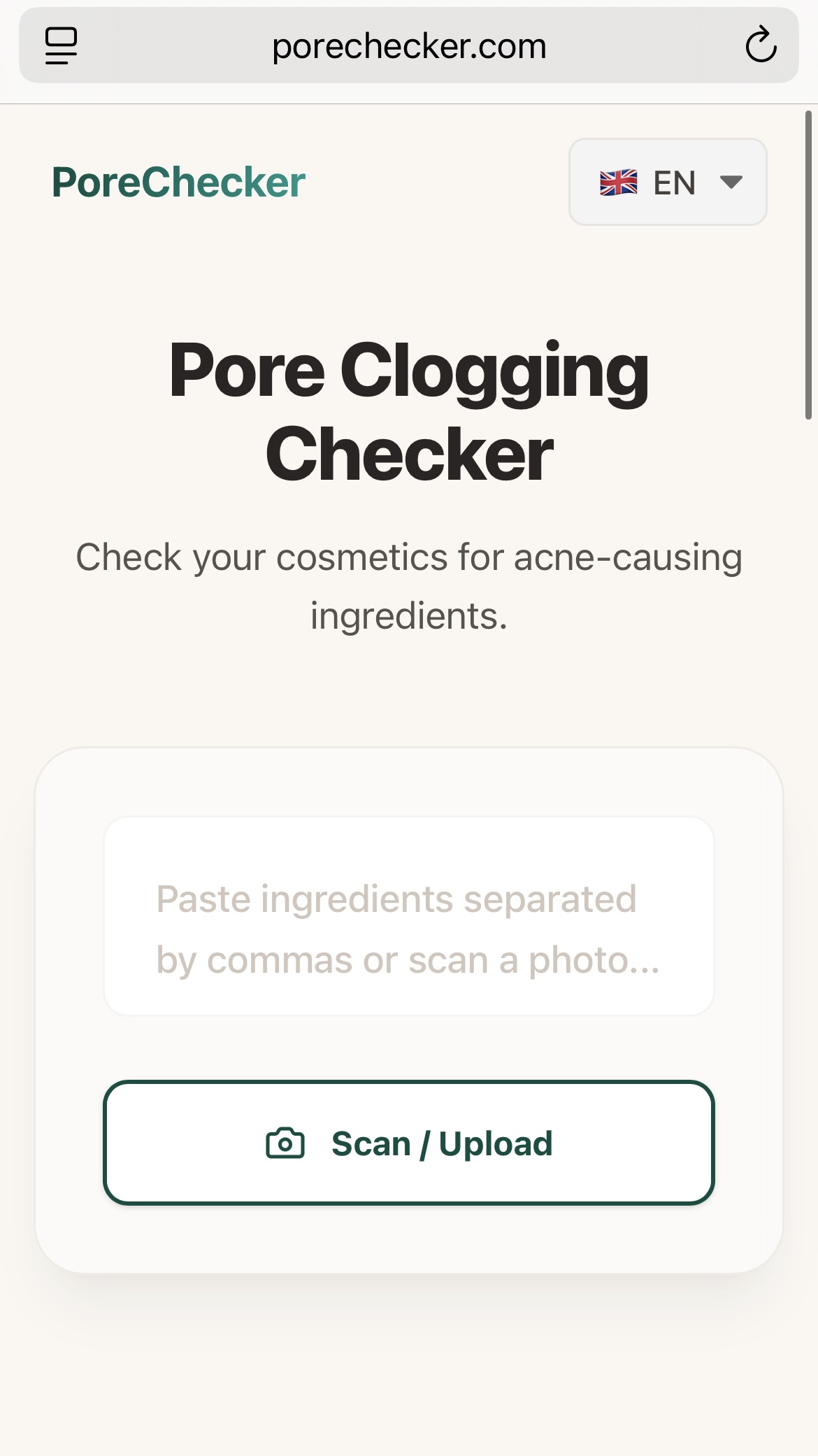
Step 1: Upload Your Product Image
Simply snap a photo of the ingredient list on the back of any bottle, jar, or box. No typing required.
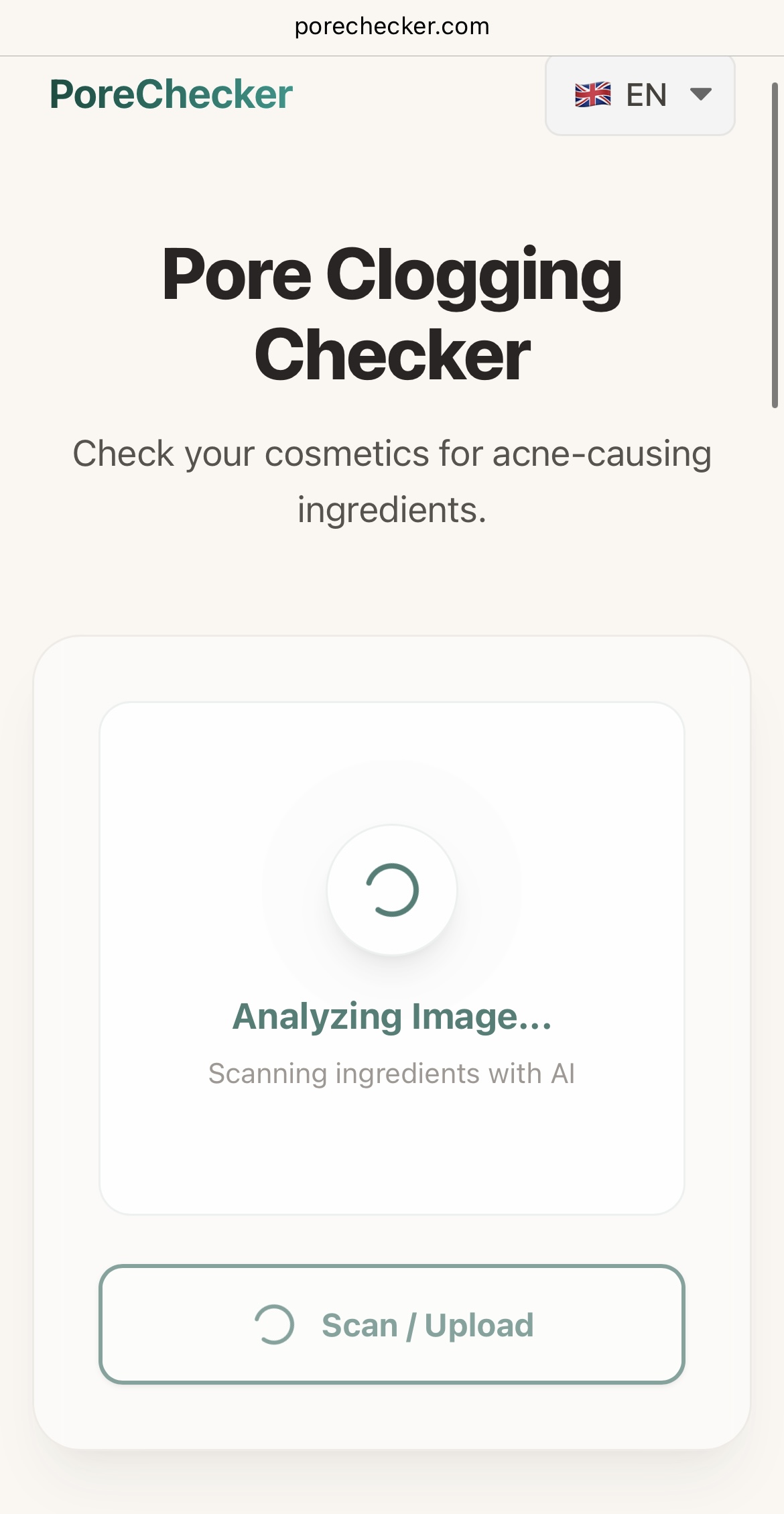
Step 2: Instant AI Ingredient Analysis
Our advanced AI scans the image, performs OCR (Optical Character Recognition), and matches every ingredient against our curated database of comedogenic substances.
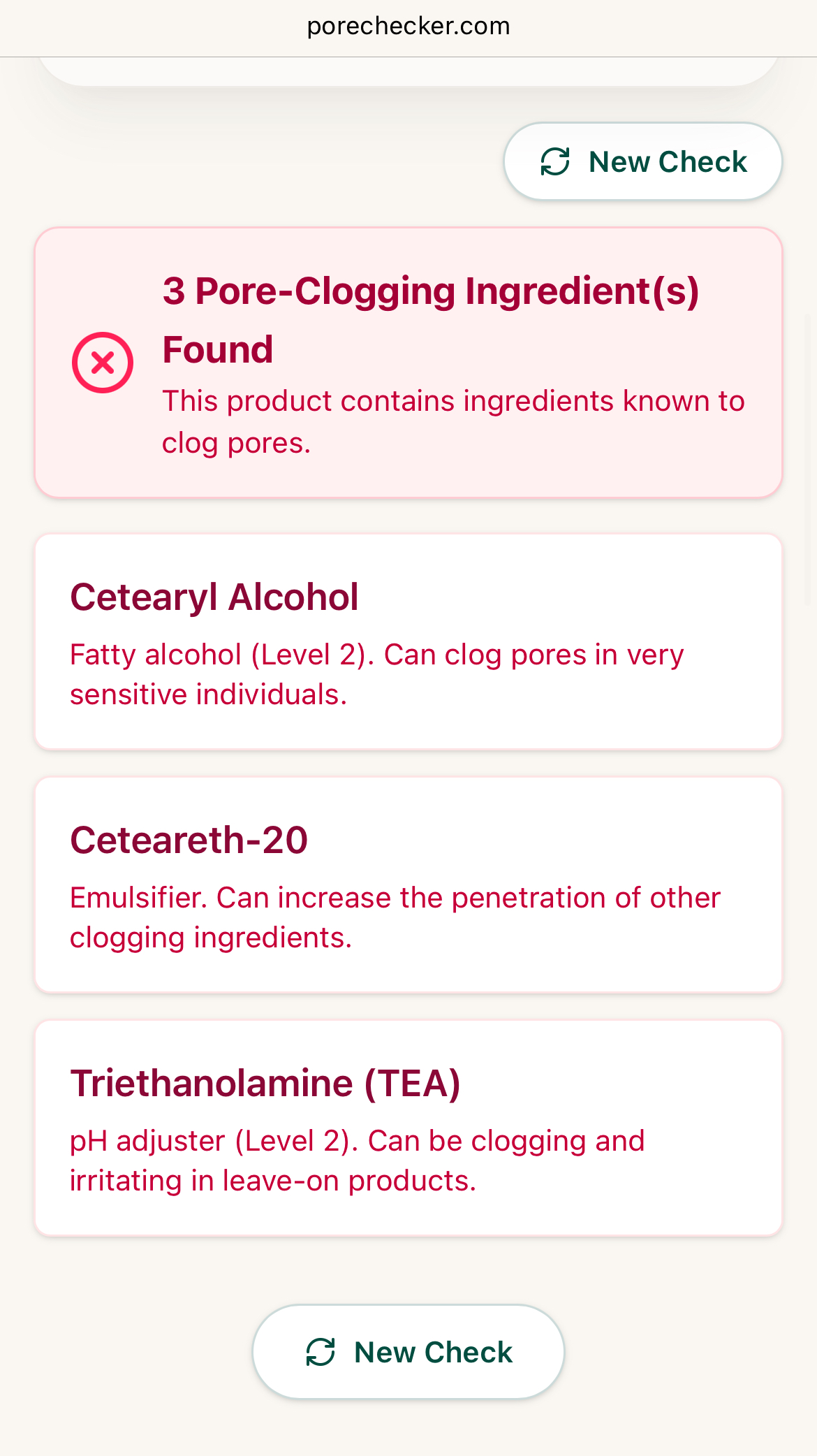
Step 3: Clear Results for Clearer Skin
You get an immediate breakdown. If any red-flag ingredients are found, we highlight them and explain why they might be problematic for your pores.
Does this product fit my skin's needs?
Check Your Products Now